
Tomato pests and effective ways to control them
Content
Basic classification of pests
Tomato pests include a wide range of pathogenic microorganisms and parasitic insects, representing different species and affecting plants in completely different ways. For this reason, there is no single, precise classification of all pests into groups or other divisions. 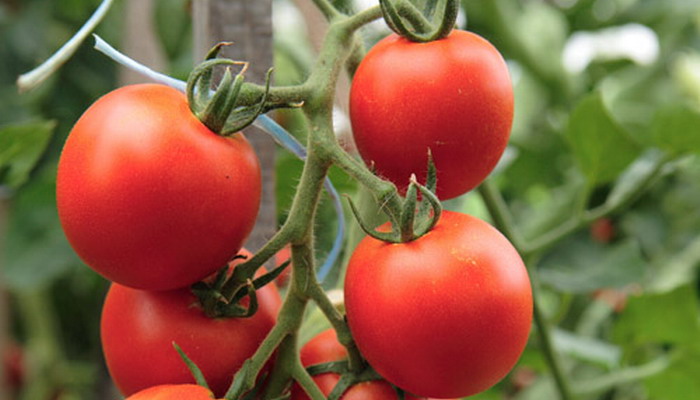 Tomato pests are generally divided into those that damage the root system and those that attack the above-ground parts (leaves, flowers, and fruit). To detect a problem early, it's important to know how the disease or pest manifests itself and what measures to take to eliminate it.
Video "Late Blight"
From this video you will learn what a tomato disease called late blight is.
Late blight
This is the most common and extremely dangerous fungal disease, which particularly affects tomatoes grown outdoors. Preventing late blight is virtually impossible, as the fungus's activity depends on weather conditions, particularly humidity. The disease typically peaks in the second half of summer, when nights become cold and fog and dew are possible in the mornings. 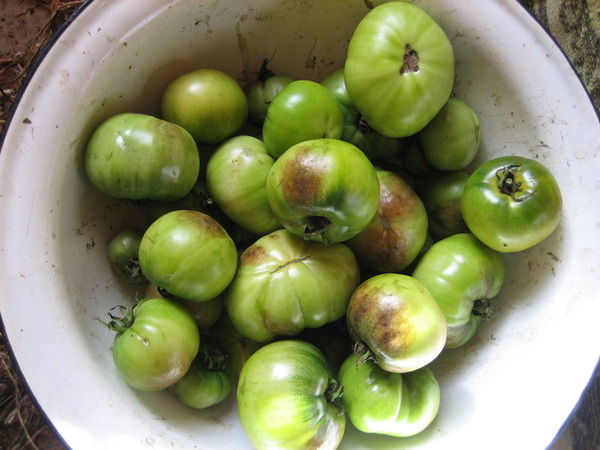 High humidity combined with low temperatures is the ideal condition for late blight to develop on tomatoes. It's worth noting that greenhouse tomatoes are less susceptible to late blight, as greenhouses allow for controlled temperature and humidity.
The disease can be recognized by characteristic brown spots on the fruits, leaves, and stems. A small white or grayish coating may be visible on the green parts of the bush.
Typically, these signs indicate complete plant infection. At this stage, it's rarely possible to save the crop, or even part of it. Therefore, prevention is crucial in the fight against late blight: disinfecting seeds and soil, spraying plants with specialized preparations or folk remedies.
Many effective biological products are available today (Gamair, Gliokladin, Barrier, Alirin). They contain enzymes that improve soil microflora and inhibit fungal activity. It is recommended to water seedlings with solutions of these products (1 tablet per 1 liter of water, or as directed in the instructions) every 14 days. During an epidemic, water the plants more frequently – every 7 days. For preventative purposes, tomato seedlings can be sprayed every 20 days with environmentally friendly solutions of "Zaslon" (3 caps per 1 liter of water) or "Barrier" (5 tablespoons per 10 liters of water).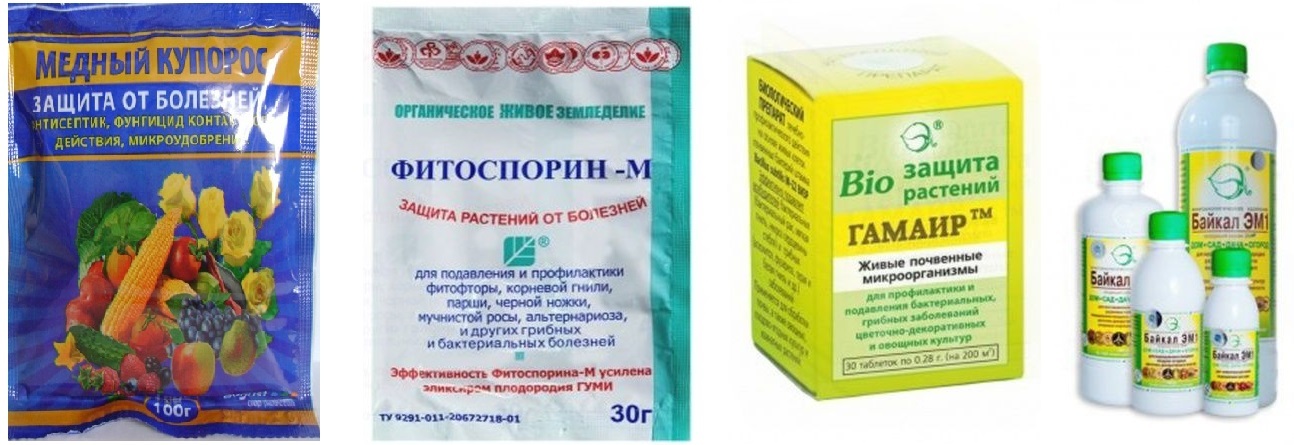
Gardeners who prefer to combat late blight with folk remedies can recommend a garlic solution. To prepare the solution, add 1 cup of peeled and chopped garlic to 10 liters of lukewarm water (25°C) and let it steep for several hours. Then add 1 g of potassium permanganate, mix well, and water the soil at a rate of 0.5 liters per 1 m² of area. For prevention, water tomatoes before flowering. The solution can be applied when signs of the disease appear.
Brown spot
Another fungal disease that occurs in conditions of high humidity and low temperatures. The spores of this fungus are very tenacious (they persist in the soil from the previous year), multiply rapidly, and can be carried over long distances, even on the clothing of people who come into contact with the plants. The main causes of brown spot are cold nights, which can occur when seedlings are planted too early, watering with cold water, dew, and fog. Tomatoes grown under plastic covers and in greenhouses are often susceptible to this disease.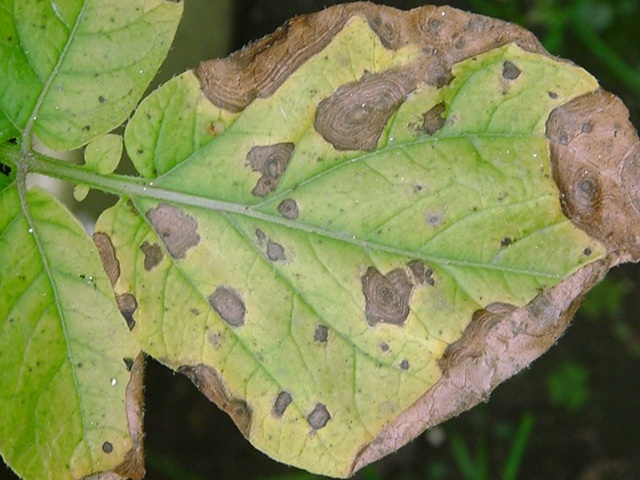
Characteristic symptoms of a fungal infection include brown or tan spots covered with a velvety, bluish coating on the underside of the foliage. The spots quickly enlarge, causing the leaves to curl and dry out. Without immediate action, the plant may die. What can be done to prevent this? Prevention is crucial: spray with antifungal agents (Barrier, Zaslon, Fitosporin) every 7-10 days. If biological treatments are ineffective, copper oxychloride (40 g/10 l of water) or Oxychom (2 tablets/10 l of water) can be used. If a single treatment fails to resolve the problem, the procedure can be repeated after 2 weeks. Of course, during the disease, watering should be limited and humidity should be reduced.
Mosaic
A viral disease that primarily affects late-season tomato varieties, whether grown in a greenhouse or in the garden. It manifests itself as a change in leaf color and shape: yellow-white spots appear, the leaf blades become deformed, dry out, and fall off. This can lead to the death of the entire plant, resulting in crop loss.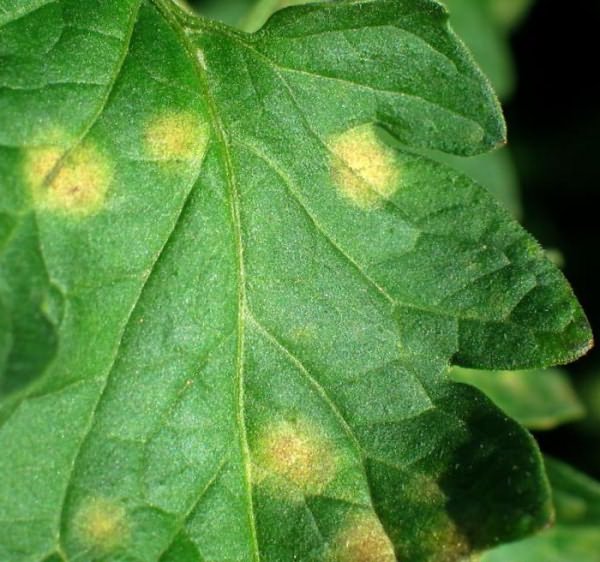
Treating mosaic with pesticides is futile. All that can be done with a diseased plant is to remove it entirely or only the damaged parts and burn it. Preventative treatment should be applied to the seeds intended for planting. Two- or three-year-old seedlings are considered more resistant to mosaic. If the seeds are purchased, soak them in a disinfectant solution before planting. Spraying the seedlings with skim milk (1 liter per 10 liters of water plus 1 teaspoon of urea) for 10 consecutive days is also effective.
Gray and brown rot
Cold and damp weather promotes the development of rot in all fruit crops, especially in Solanaceae. In rainy summers, tomato plants are often susceptible to brown or gray rot. Greenhouse and hothouse tomatoes can also be affected if the humidity in the greenhouse is too high.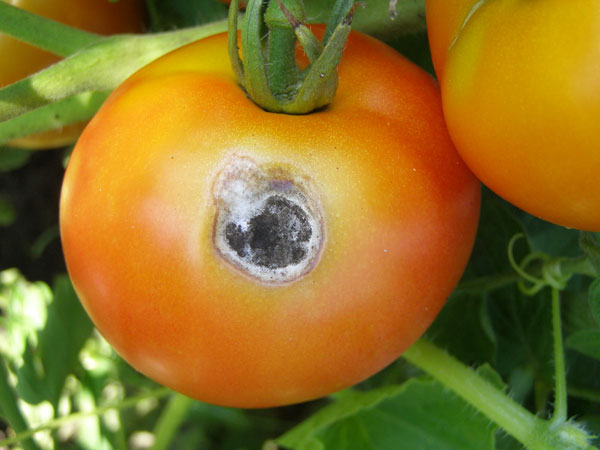 The disease manifests itself mainly on the fruits, but if the infection is severe, the fungus can spread to the stems, leaves of tomatoes, and even to the roots.
The main signs are small brown spots that quickly enlarge and develop a watery, mold-like surface. The rot can affect both ripe and completely green fruit.
If tomatoes are grown in a greenhouse, if rot spots are detected, the temperature should be increased and the damaged fruits should be removed from the bushes to prevent the fungus from spreading. Outdoor tomatoes damaged by rain and low temperatures should be sprayed with medicinal solutions of Fitosporin and Arilin. For soil disinfection, a solution of Gliokladin, diluted according to the instructions, is recommended. Positive results have been observed when spraying diseased bushes with Barrier and Zaslon.
Mites, nematodes, caterpillars and whiteflies
Harmful insects and their larvae cause as much damage to tomato beds as microbes and bacteria. The most common tomato pests are nematodes, cutworms, spider mites, and whiteflies.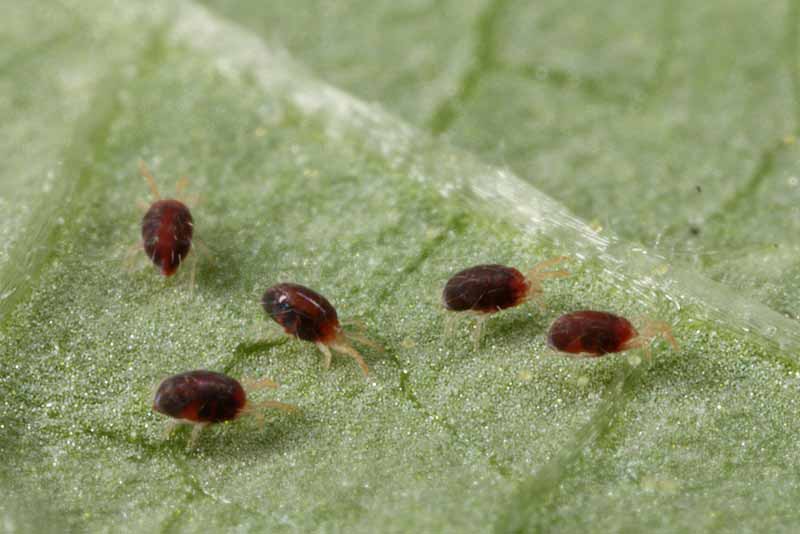
Nematodes are very thin worms that penetrate plant roots. The presence of nematodes and their larvae in the root system leads to excessive branching, the formation of large growths, and partial rotting of lateral roots. Plants stunt, become weak, bloom poorly, and produce virtually no fruit. The primary method of pest control is proper soil cultivation. After each harvest, the soil should be dug over and disinfected. Before planting, it is recommended to add one tablet of Gliocladin to each hole.
Spider mites are small parasitic insects that live on the undersides of leaves. Feeding on plant sap, they create a sticky web around the leaves, causing them to fall off. If the damage is severe, flowers and ovaries may fall off, leading to crop losses. Control involves removing and burning plant debris and thoroughly tilling the soil. Spraying the bushes with a decoction of onion or garlic peels (200 g of dry material per 1 liter of water) can help control the mite population. Fitoverm (1 ml per 1 liter of water) is an effective treatment.
Cutworm caterpillars are the most dangerous enemy of tomatoes, damaging all parts of the plant. Black, velvety caterpillars, 3-4 cm long, emerge from larvae laid in the soil by small gray butterflies. Cutworms cause the most damage to tomatoes, specifically to the above-ground parts: leaves, ovaries, and fruits. Since treating tomatoes with chemicals is undesirable, it is recommended to control the caterpillars yourself by catching the butterflies, hand-picking them, and digging the soil after harvest. In greenhouses, the insects can be captured using a fermented mixture of kvass and water in a 1:3 ratio. The mixture is poured into jars, where the butterflies flock. Gardeners also use a folk remedy, such as spraying with a wormwood infusion.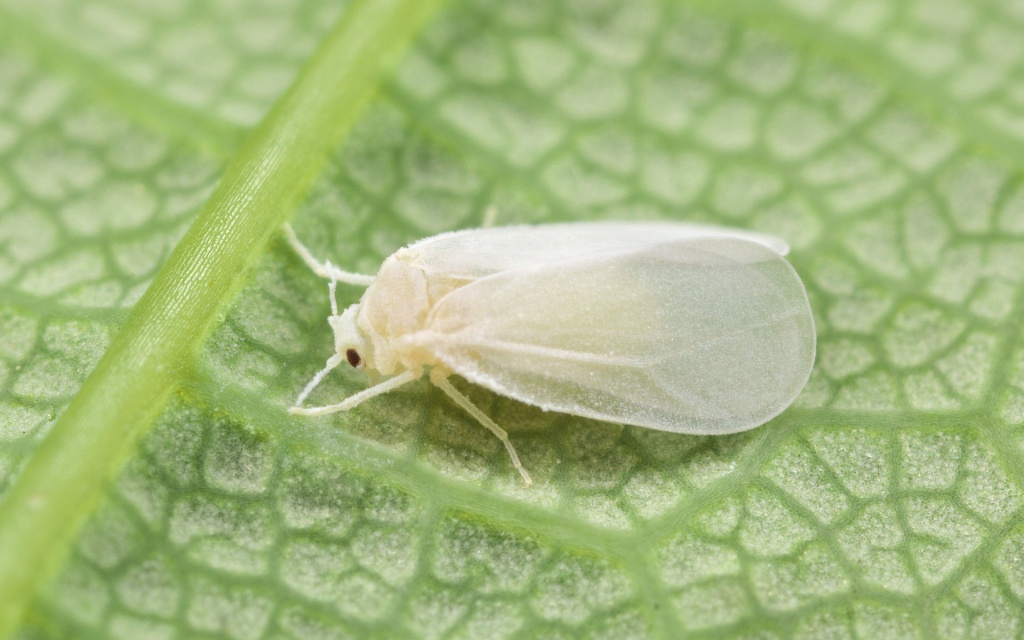
Whiteflies are another common pest of tomatoes in greenhouses and open fields. These are small, yellowish-white moths with mealy, almost transparent wings. They lay eggs, which attach themselves to leaves and suck the sap. Affected plant parts become coated with a film, turn black, and soon the entire plant dies. These insects can be controlled with Fosbecid (10 ml/10 l of water) or any insecticide designed for aphids. Spraying should be done 2-3 times per season. However, the key to a good harvest is preventative measures: disinfecting the soil and maintaining the right microclimate.
Video "Brown Spot"
From the video you will learn what the disease is.