
How to use Trichopolum to treat late blight on tomatoes
Content
How it helps
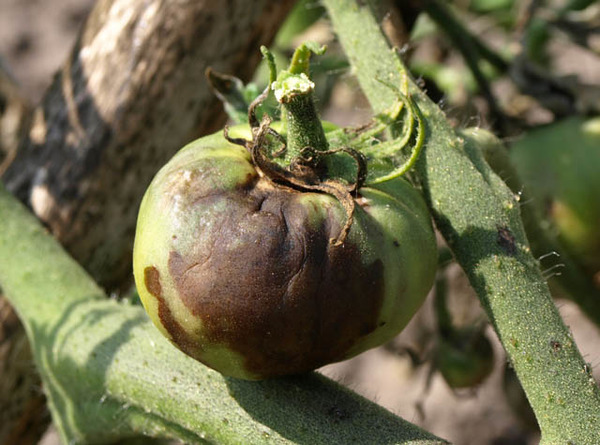
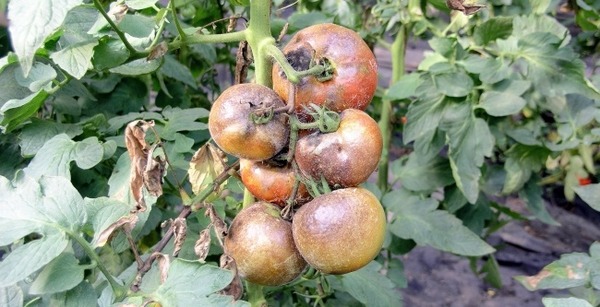
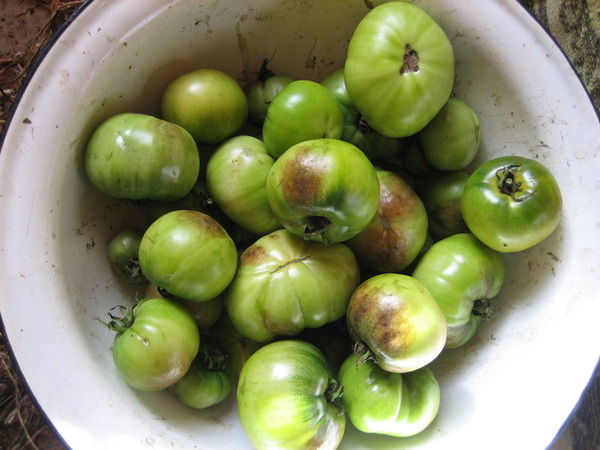
Late blight is a telltale sign of tomato plant damage, as brown, sometimes black, spots appear on the undersides of the leaves. Once these signs appear, the foliage gradually begins to dry out and curl. If the disease has infected a tomato plant, there's no chance of a harvest: the fruits turn black and die while still green, falling off the plant. Furthermore, the disease can "burn" vast areas of plantings in just a few days, leaving no trace of a harvest and mercilessly destroying the precious plants.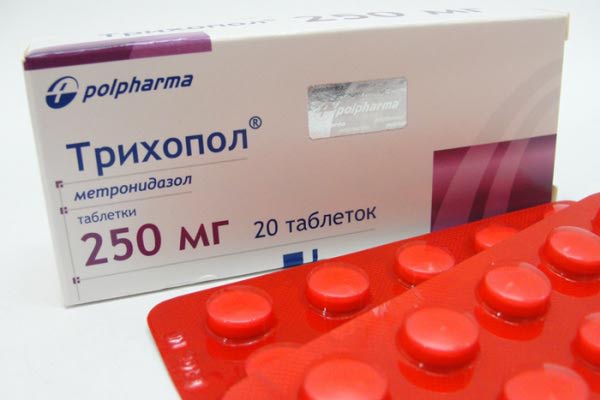
Where does this disease originate? Late blight infects plants from the outside, and the infection spreads much more quickly in high-humidity conditions, which is why it appears more frequently during rainy seasons. Air temperature also plays a significant role: in hot summers, fungal spores are less effective than at temperatures around 15 degrees Celsius. Soil composition and planting density are also important: the pathogenic infection develops most rapidly in areas with limestone-rich soil, as well as when tomato plants are planted close together.
So, what should you do if you haven't been able to protect your garden beds from the disease and all the signs of its development are evident? To prevent fruit drop and plant death, head to your nearest pharmacy without delay. Yes, that's right, because you'll need a bottle of Trichopolum, which we'll be using to treat our beds.
The effectiveness of the drug's components in combating the causative agent of late blight lies in the fact that it is designed to suppress sensitive microorganisms and also has a bitter taste. The natural bitterness of the medicine prevents pathogens from consuming plant cells. However, remember to periodically switch to a different medication, for example, its analog metronidazole, to prevent pathogens from becoming accustomed to the main active ingredient. A solution prepared from water, Trichopolum (metronidazole), and iodine (or brilliant green solution) is considered the most effective.
Video: "Methods for Combating Phytophthora"
Learn how to successfully combat late blight with folk remedies and methods for preventing tomato disease.
How to process
Before treating tomatoes, the solution must be properly prepared. Typically, a solution is prepared from 10 liters of clean water, one bottle of iodine or brilliant green, and fifteen Trichopolum tablets. All ingredients should be mixed approximately thirty minutes before the intended application. First, the tablets are crushed and dissolved in a small amount of warm water. Then, the resulting suspension is added to the remaining water and the bottle of iodine is added.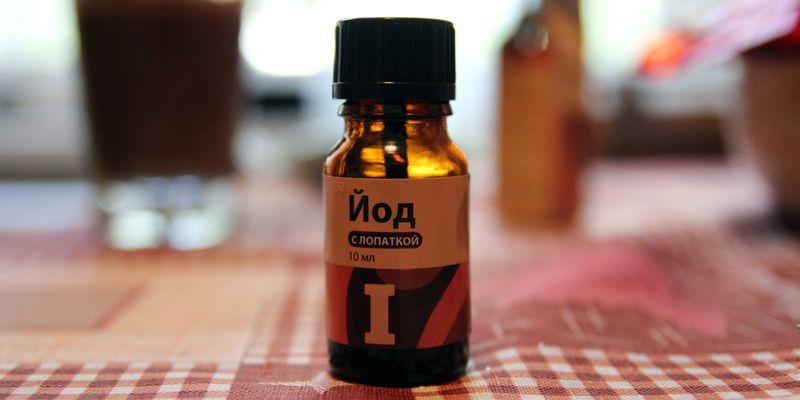
Once the solution is prepared, you can begin spraying. Thoroughly spray each tomato plant until the liquid begins to run off the leaves. It's best to choose a dry, sunny day with no precipitation to ensure the treatment's effectiveness lasts longer. If there's unexpected rain, repeat the treatment the following day to restore the concentration necessary for effective action against late blight spores. In potentially hazardous conditions favorable for late blight, experts recommend scheduled treatments every ten days.
But as we know, prevention is always better than cure. Therefore, try to avoid conditions conducive to disease development:
- Do not plant seedlings too densely, do not forget to loosen the soil and regularly feed the tomatoes;
- Regularly treat the bushes with special preparations that suppress pathogenic microorganisms, including late blight fungus;
- Don't forget to treat the seedlings that have just been planted in their permanent location with Trichopolum, and then do this every ten days.
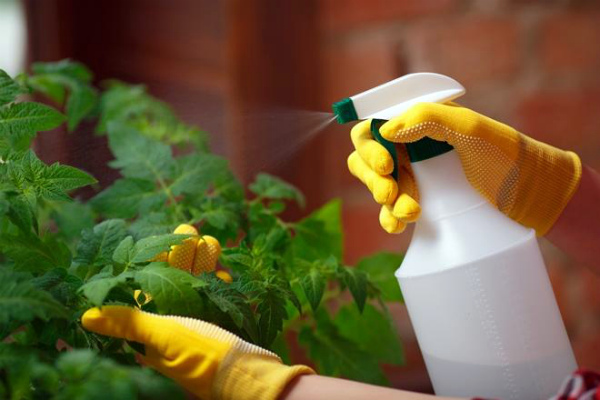
Trichopolum, like its cheaper analogue, metronidazole, is a highly effective and efficient remedy for combating late blight, posing no danger to human health, but at the same time effectively protecting the garden plot from the annoying late blight.
Don't neglect such a simple and, as numerous reviews from gardeners attest, extremely effective remedy. If you really can get rid of the infection in no time, why not take advantage of this opportunity?
Video: "How to Spray Tomatoes to Prevent Blight"
This video will show you how to prepare simple solutions to combat late blight on tomatoes.