
How to Control Aphids on Tomatoes: Best Methods
Content
What is an aphid?
Tomato aphids are black flies that attack the green parts of the plant, sometimes even after planting. There are numerous varieties of this parasite (up to several thousand species). In addition to black aphids, there are also white aphids, tomato aphids, and aphids that attack beets, apple trees, and melons. These aphids can be found on individual plants, trees, and bushes.
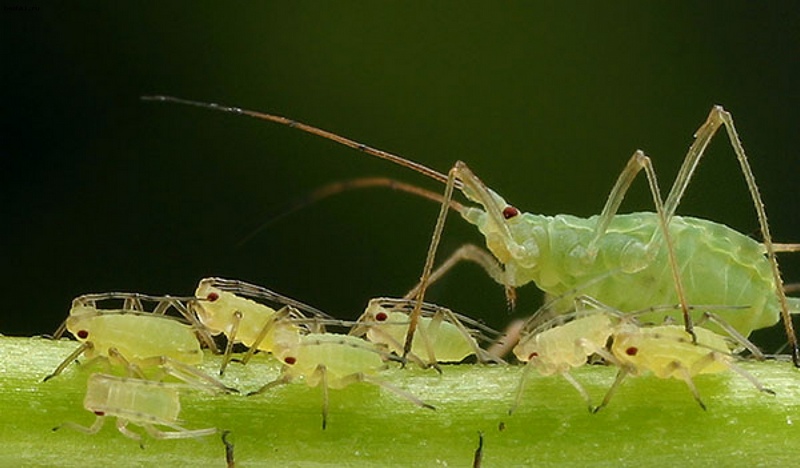
Pests "drink" the sap from the plant, simultaneously infecting it with viral diseases. They also provoke the formation of new growths on plant organs, which become a "cozy home" for other parasites.
Damage from aphids
So, if black flies, or aphids, have appeared on your plants, you need to begin combating them immediately. These pests are easy to recognize. They are small black insects with transparent wings or no wings at all.
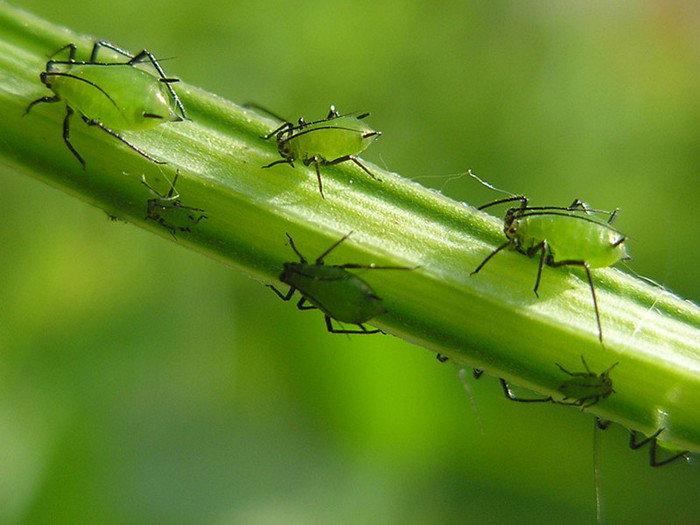
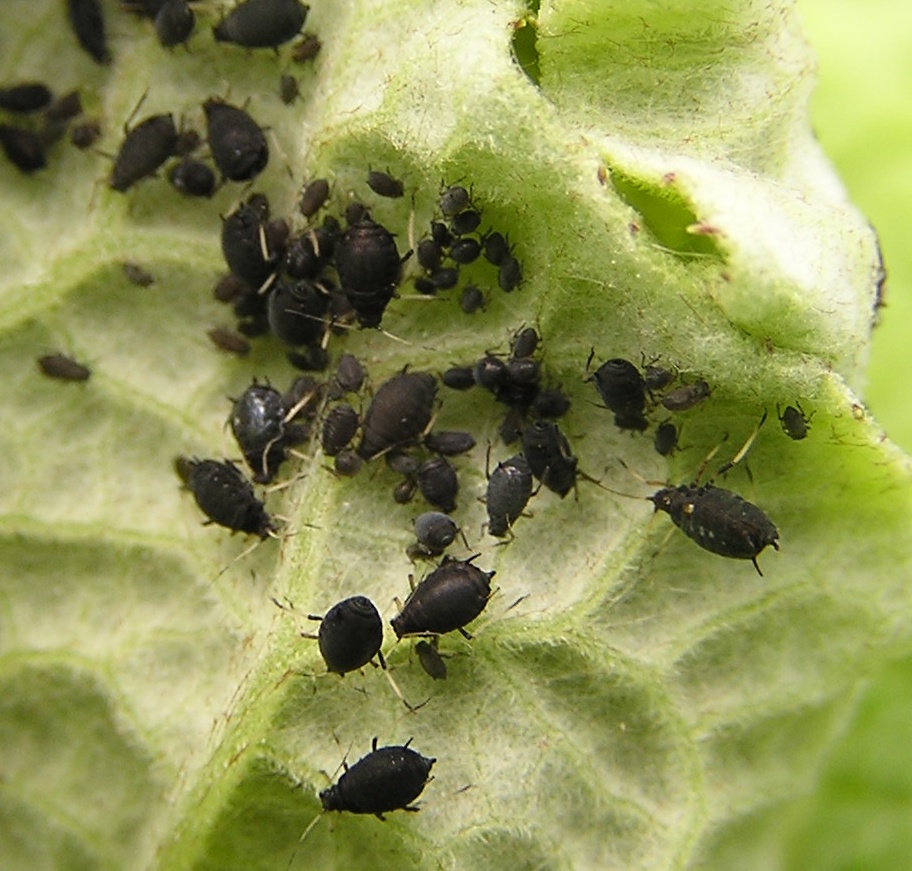
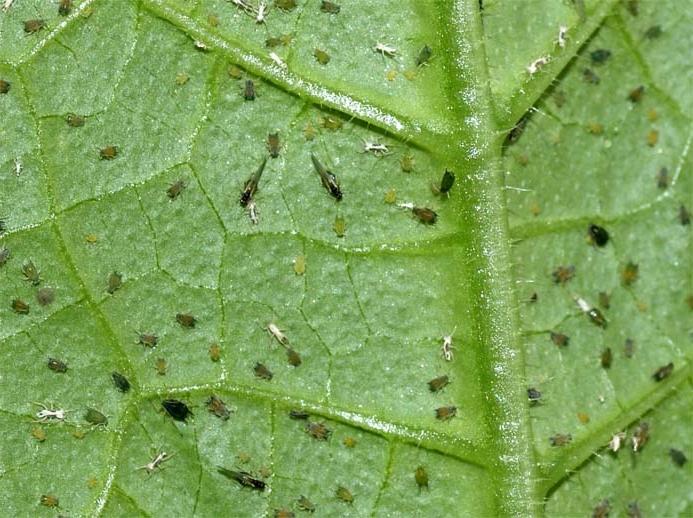
These tiny creatures cause considerable damage—they suck the sap from the crop, causing its death, while actively reproducing and spreading. From the infected and already dead tomato plant, the pest will move on to the next plant, and then to the next bed, and the situation will repeat itself.
Signs of defeat
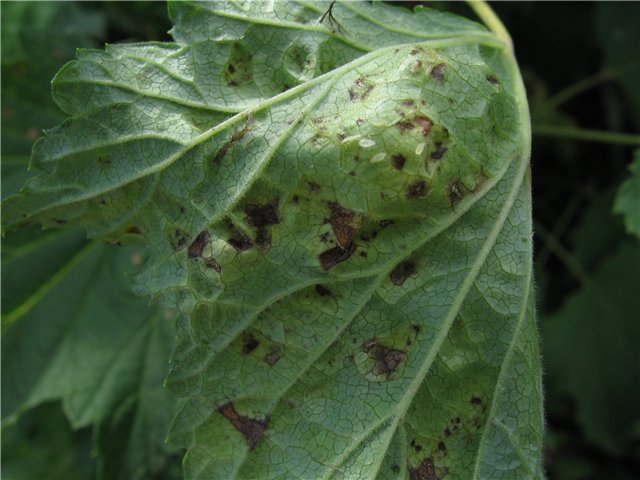
So, how can you tell if your tomatoes are being attacked by this pest, and how can you combat them? The first sign of an attack may be the plant's leaves losing their natural shape. They typically become deformed and curled. Each individual leaf should be carefully examined, especially the underside of the leaf.
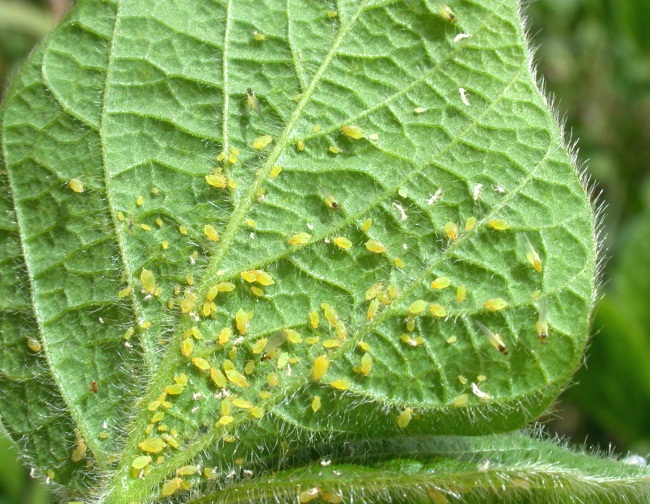
Aphids can often be seen with the naked eye, without much effort. Why? Because the parasites have already comfortably settled in a thick layer on the tops and stems of tomato plants. If this is the case, you need to get rid of them immediately. Remember that an attack by the parasite is possible after planting the vegetable.
How to fight
Once you have confirmed that your plants are infested with aphids, you need to try to get rid of them as quickly as possible, having first chosen a remedy and method of control.
Currently, there are three groups of methods for "warfare" against aphids: physical, chemical, and biological. The basis of this classification is the agent that destroys the parasites.
Therefore, physical methods include hand-picking aphids and rinsing them off with a hose. You can protect the plants with glass covers or surround the beds with copper edging immediately after planting the tomatoes.
Chemical methods
This group of products uses chemicals. This means that treating crops with specific solutions is sufficient to kill the pests. While chemicals are effective at killing insects, they can also have negative effects on humans. Therefore, if you decide to use this method to control aphids, you should exercise extreme caution.
The most commonly used drugs are:
- Karbofos has an unpleasant odor that quickly dissipates. Prepare a solution at a ratio of 30 g per bucket of water. Karbofos will kill adult aphids on tomatoes, but will not destroy their eggs. It's best to spray vegetables with this solution before flowering. Why? Because the solution breaks down after two weeks, releasing harmful substances.
- Trichlormethaphos has an oily texture, so it should be diluted with water at a rate of 20 g per bucket of water. It's best to apply it to plants in early spring. Applying the product more than twice is not recommended. Trichlormethaphos controls not only aphids but also mites and caterpillars.
- Use bleach against aphids at a rate of 1-2 tablespoons per bucket of water. It's best to grind the bleach into a paste with a small amount of liquid. Then dilute it completely. Apply it to the underside of affected leaves. This solution can also be used to disinfect the soil.
Biological methods
To get rid of aphids, you can use the safest method – biological control. This method involves luring the pest's natural enemies. For example, wasps, flies, and lacewings will happily dine on aphids and their offspring. A couple of days, and you'll be rid of the pests immediately.
Aphids can also be destroyed by birds: sparrows, tits, and hummingbirds. To attract these animals, watering bowls should be installed immediately after planting the vegetables.
Folk remedies
You can also combat aphids using traditional methods. There are a huge number of them, but it's important to remember that some of them are inapplicable during the harvest season. Otherwise, pesticides could harm those consuming the crop.
A well-known folk remedy is a solution of soap and ash. It will kill aphids and protect the crop from diseases. Soap and ash also act as a fertilizer for tomatoes. The recipe is simple: sift 300 g of ash, then pour boiling water over it and simmer for half an hour. Strain the resulting mixture and dilute it in a bucket of water, adding 50 g of laundry soap.
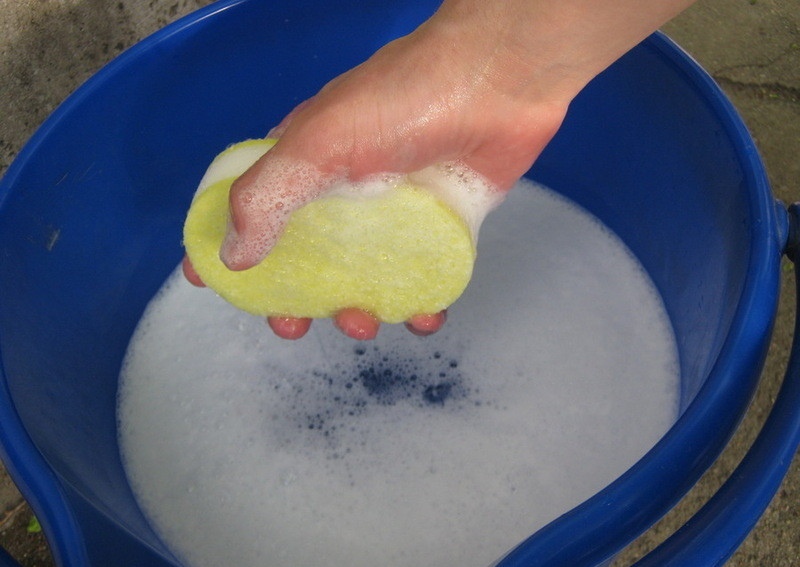
Spray vegetables with the prepared mixture in the evening during dry weather. Why? Because this way, the plant leaves won't be burned, and the solution won't wash away with water.
Another popular folk remedy is herbal infusions. It's recommended to spray plants against aphids with solutions of garlic, celandine, wormwood, yarrow, and pepper. Why? Because, thanks to their aroma, these infusions instantly repel pests. After just one treatment, the insect population immediately becomes visibly smaller.
You can prepare a decoction by mixing one unit of grass and two units of water. Then pour boiling water over the sprouts and simmer on the stove for 15 minutes. Strain, then add 40 grams of laundry soap if desired. Dilute a liter of the solution in a bucket of water. Using the prepared decoction, you can get rid of pests almost immediately.
You can also combat aphids on tomatoes with a homemade tobacco infusion. This plant is very effective in getting rid of pests. Why? Because it has a strong, unpleasant odor that not only repels but also kills the insects. It's best to use tobacco infusion in combination with chemical pesticides.
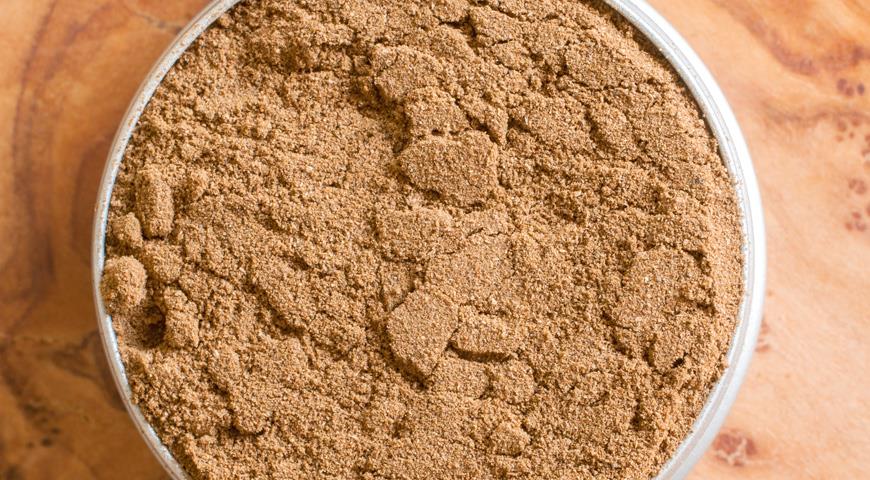
To prepare the infusion, pour 800 ml of boiling water over 400 g of crushed tobacco and simmer for at least half an hour. Then strain the resulting mixture, optionally adding 40 g of soap, and dilute it in a bucket of water.
Video: How to Control Aphids
The video explains in detail about aphids and how to combat them using folk remedies.
Prevention
Prevention is an important component of tomato growing. After all, any disease is easier to prevent than to treat. Furthermore, prevention allows you to avoid chemical treatments of the crop, which has a positive impact on your health.
In the fall, the area should be cleared of all plant debris. Why? Because aphids are parasites that can overwinter on dry plant stems. It's best to burn any dry debris, thereby destroying the pests. In the spring, it's a good idea to plant onions, garlic, and thyme. Why? These crops' aromas will repel potential pests.
Tomatoes do not need to be fertilized with nitrogen frequently, because as new stems appear on the affected plant, the aphids spread to them as well.
Aphids on tomatoes are a problem that needs to be addressed as soon as they appear. Preventative measures can be taken during planting. If the plants do become infected, they need to be treated immediately, carefully following all recommendations. With proper care, any pest can be defeated.
Video: "Celandine Will Rid Your Garden of Aphids"
The author of the video talks about a method for combating aphids using celandine infusion.