
Dark spots on tomatoes: causes and solutions
Content
General information
Typically, various spots on tomato leaves begin to appear in the second half of summer, closer to the end of fruiting and harvest. This is understandable—during this period, the daytime heat is still intense, but nighttime temperatures have dropped significantly, and mornings are often foggy and dewy.
Sudden temperature fluctuations coupled with increased humidity lead to the development of fungal diseases and rot, the first signs of which are spots on tomatoes. These factors are always present in greenhouses, so greenhouse tomatoes are constantly at risk of developing diseases.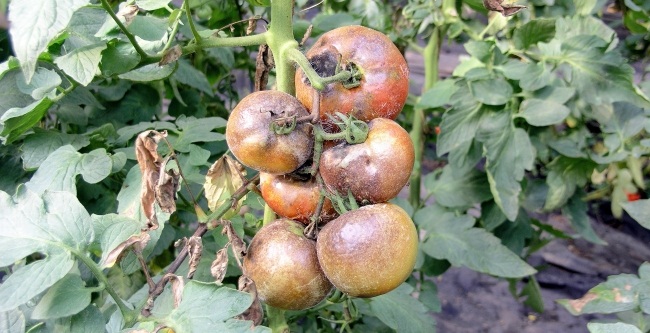
Typically, the disease begins on the lower leaves, and if it's a fungus, its spores quickly spread to other parts of the plant and neighboring bushes. Initially, the spots are light-colored, small, and located on the underside of the leaf blades.
Over time, the surface of the spots grows, they change their color to gray, brown, tan or black (depending on the disease). Without treatment, within 2-4 weeks the spots spread to all parts of the plant, which leads to a cessation of the bush’s development.
Video "Diseases and Pests"
From the video you will learn about tomato diseases and pests.
Determining the cause
To understand why spots appear on tomato leaves, it is necessary to know how the disease manifests itself and what factors contribute to its development:
- Late blight is the most common fungal disease affecting both outdoor and greenhouse tomatoes. It develops from dampness and sudden temperature changes. It manifests itself as dark spots on all parts of the plant: first, the leaves turn black and dry out, followed by black spots and necrosis appearing on the fruit.
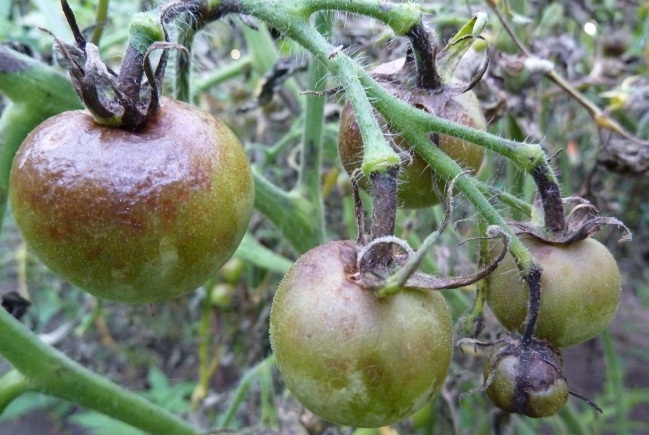
- Southern blight is a variant of the previous disease, most often affecting greenhouse tomatoes. The first signs are deformation and blackening of the root collar; the final stage is large rotten spots on the fruit, covered with a white coating of fungal spores.
- Alternaria leaf spot. A single black spot on a leaf is the first sign of one of the most dangerous fungal diseases of tomatoes. This is followed by rapid growth of the spots across the entire leaf surface and spreading to the fruit, even the ovaries.
- Anthracnose. It manifests itself as wilting and shedding of the upper leaves, followed by dark, sunken spots on the fruit.
- Gray mold is a very dangerous disease for tomatoes, capable of infecting entire plants in a short time, especially if they are grown in a greenhouse. In its initial stages, it appears as a grayish, wet coating on the stems and lower leaves, and later on the fruit.
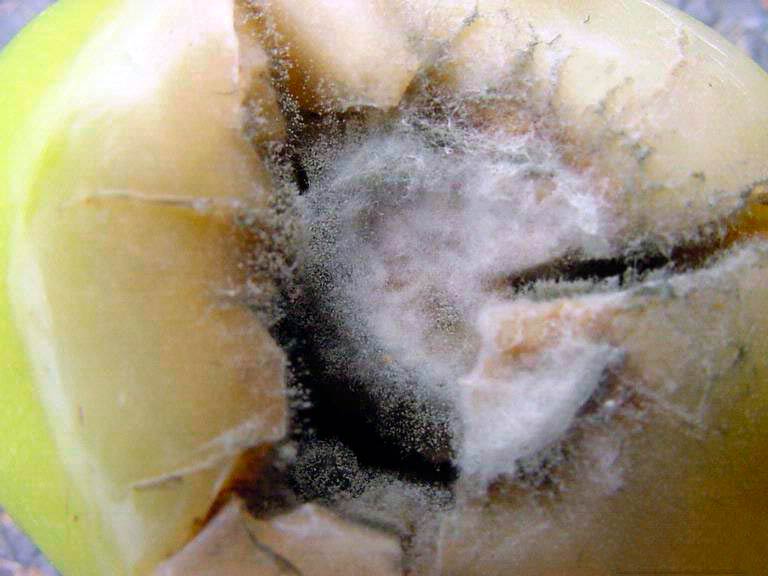
- Stem canker. In tomatoes, this disease manifests as sunken brown spots on the stem, and less commonly on the leaves. The fruit develops a dark crust on the surface, and tissue necrosis occurs internally.
- Bacterial spot of tomato is a disease that is virtually impossible to control, as the bacteria are killed only by temperatures above 56°C (130°F). The pathogens live in plant debris and infected seeds. Symptoms include dark, gradually blackening spots all over the plant.
- Blossom-end rot is a non-infectious disease that affects only tomatoes. It appears as a single brown or blackened spot on the tips of green tomatoes.
- Leaf rust is a highly contagious fungal disease that affects more than just tomatoes. When this fungus is active, each leaf becomes covered in rusty "pads" that crack and release a rusty powder.
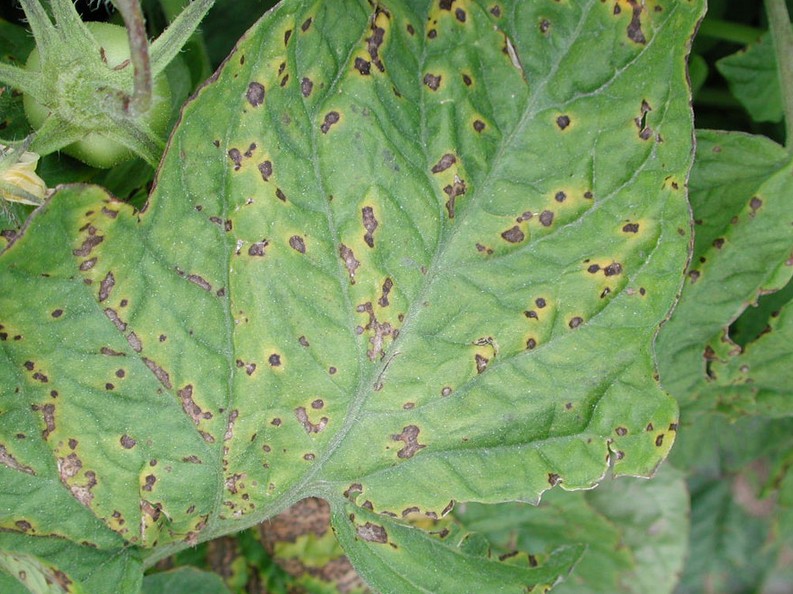
Spots on tomato leaves aren't always a sign of disease. In many cases, spotting is caused by a lack of micronutrients in the soil or excessive soil toxicity. For example, rotting spots on leaves and fruit indicate a calcium and iron deficiency. Dead spots on leaves are caused by a magnesium deficiency. Dark spots on greenhouse tomatoes are caused by macrosporiosis (a disease that develops during sudden temperature fluctuations).
Sometimes spots on tomato leaves are caused by toxic soil. These days, it's not uncommon to see an unusual silvery or purple coating on tomato plants. This is caused by the excessive and inappropriate use of chemicals: mineral fertilizers, herbicides, pesticides, and other agricultural chemicals.
Methods of struggle
If spots have already appeared, treating them can be difficult. However, early treatment can halt the progression of the disease. It's important not to miss the first symptoms. At the initial stage of fungal activity, it's recommended to spray tomatoes with copper-containing products, such as Hom, copper sulfate, and antifungal agents (Ridomil Gold, Skor). Bordeaux mixture is considered a universal fungicide for many diseases (a 1% solution is used for preventative treatment, and a 3% solution is used for therapeutic purposes).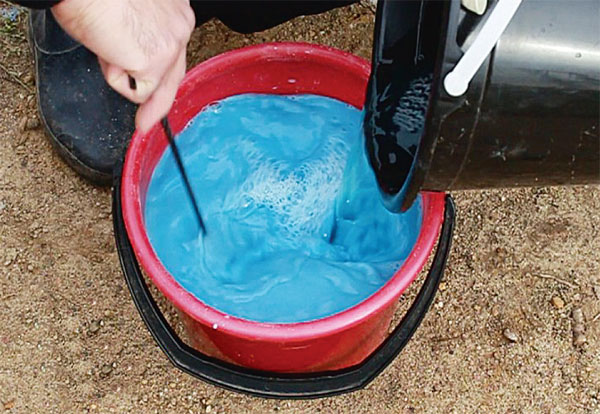
If the disease strikes tomatoes while the fruit is already hanging on the vines, it's best to use biological treatments (Fitosporin, Barrier, Zaslon, Gumi-20) or folk remedies. Spraying with whey or kefir (diluted 50/50 with water) can help prevent the fungus—the lactic acid in the liquid inhibits the growth of fungal spores. A garlic infusion is equally effective: dilute 1.5 cups of crushed garlic in 10 liters of water and let it steep.
During treatment, watering should be limited or stopped. In a greenhouse, humidity should not exceed 70%. All affected leaves should be promptly removed and destroyed, otherwise the disease will quickly spread and infect all plants.
Consequences of the disease
What can spots on tomato leaves lead to? At best, they can lead to partial loss of yield; at worst, to complete crop loss and plant death. Without treatment, plant growth will stop completely within a month, after which the plant will begin to die. First, the leaves will dry up and fall off, the stem will weaken, and then the fruit will be damaged.
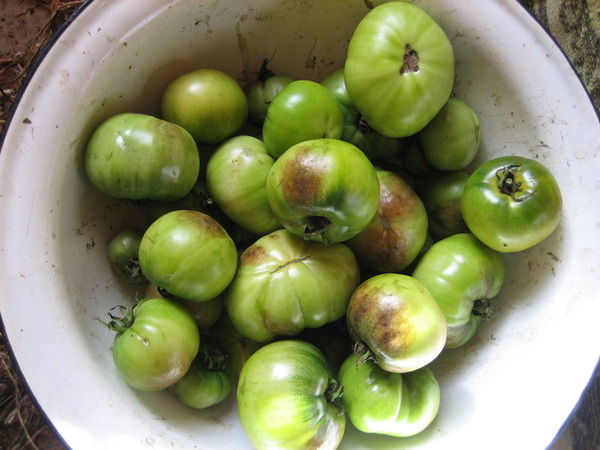
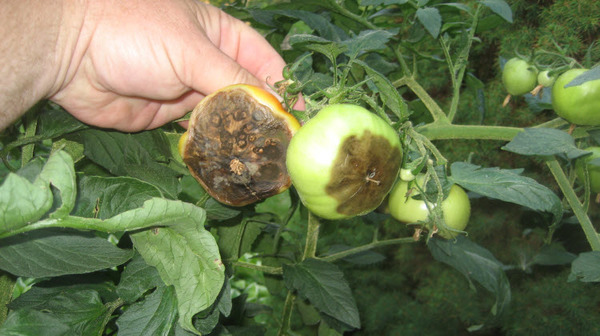
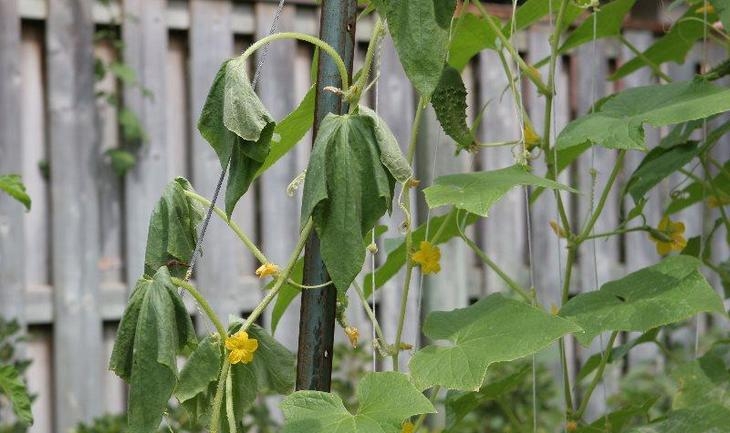
In some cases, the fruits may remain on the bush, but their weight decreases, the flesh loses its characteristic tomato flavor, and the seeds become black and dull. Such seed should never be used for planting, and fruits from an affected bush, even if they retain their appearance and flavor, should not be eaten.
Preventive measures
In most cases, the source of infection is the soil. It is in the soil that fungal spores live and overwinter, arriving there along with plant debris. Therefore, after harvesting, the garden bed should be thoroughly dug over, all remaining roots and plant debris removed, and burned. In greenhouses, the soil should also be disinfected with a copper sulfate solution (50 g/10 l of water) and limed.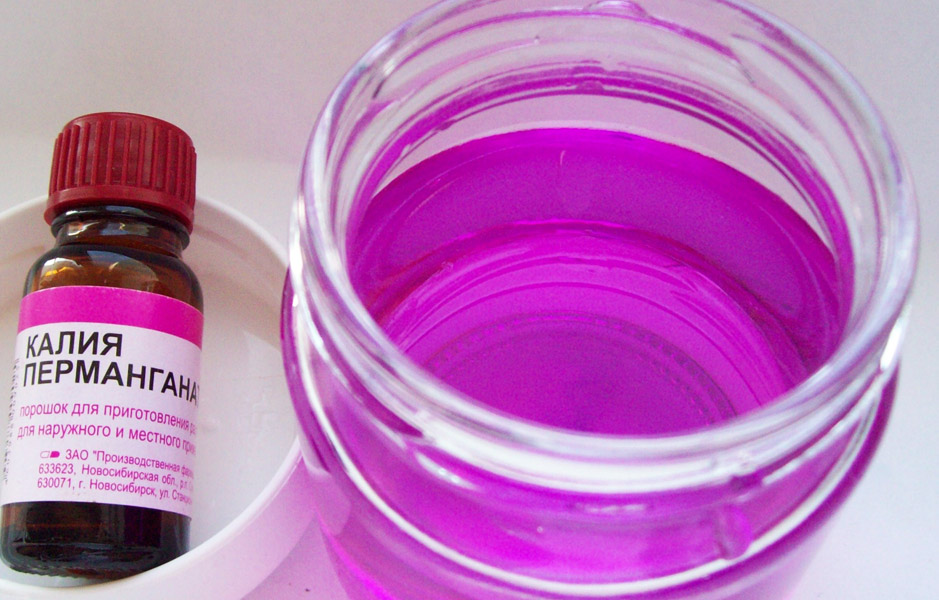
The infection may also be present in seed material, so before planting, it is recommended to disinfect all seeds, including purchased ones, in a solution of potassium permanganate, copper sulfate, boric acid, or ash.
Avoid planting tomatoes in heavy soil with a high water table, as these conditions increase the risk of fungal growth. Don't replant seedlings in soil where diseased tomatoes grew. If growing in a greenhouse, replace all the soil, and if in a garden, replant the bed in a different location where the soil is not contaminated. Following these simple guidelines will help you avoid many problems with growing tomatoes and get a decent harvest.
Video: Fighting Phytophthora
This video will teach you how to combat late blight on plants.