
Tomato seedlings are turning yellow and drying out: what to do?
Content
Reasons why tomato leaves dry out
Poor lighting and dampness
Most often, tomato seedlings begin to turn yellow due to insufficient light or damp soil in the greenhouse. This problem is common in temperate and northern latitudes, as they simply don't have access to the necessary amounts of sun and warmth. Many people wonder if these tomatoes can be saved? Yes! We'll tell you how in the next section.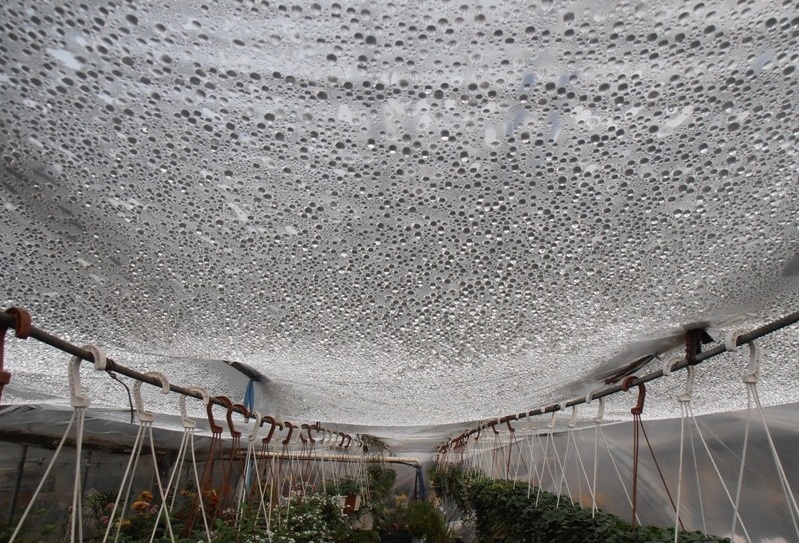
Micronutrient deficiency
If you've done everything correctly and the leaves still turn yellow, look at the pattern of the leaf color change. The plant may simply be lacking nutrients. We'll tell you more about how to deal with this a little later.
The tips of the tomato seedlings are drying out.
There could be many different problems here too.
First, take a closer look at other crops. Do they have anything similar? If so, the cause may be very dry air in the greenhouse or on the windowsill. In that case, place buckets of water nearby.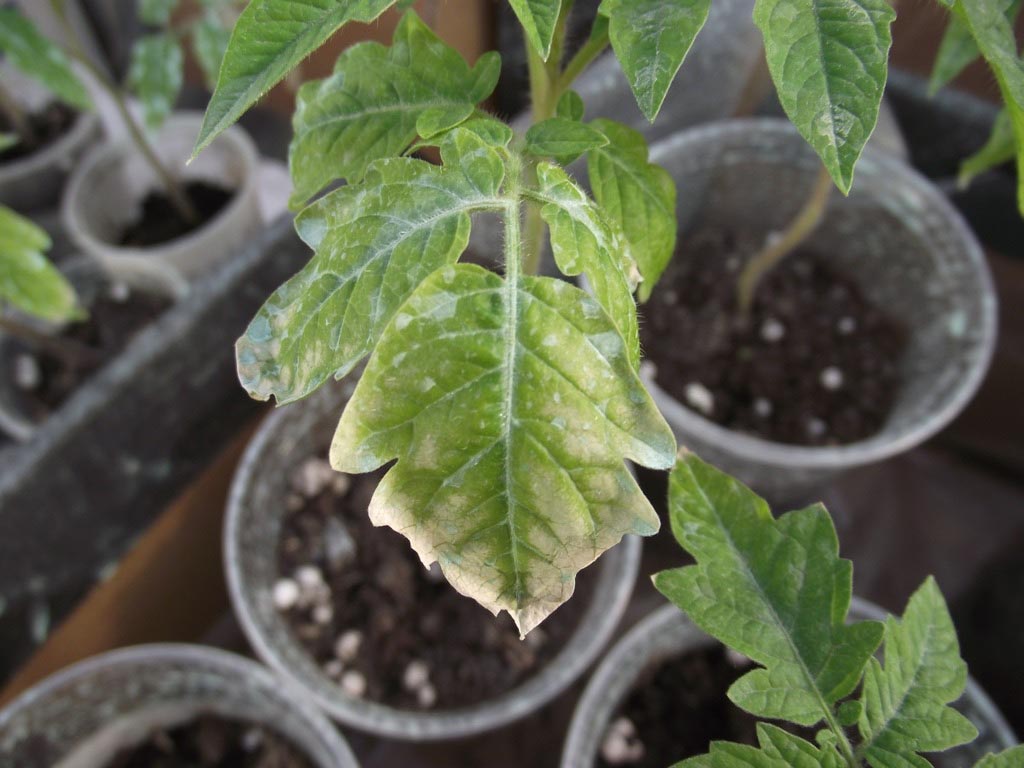
White or yellow spots
This is because the soil is very salty. You can read about what to do about it in the next section.
Spots on seedlings
Sometimes this is due to sunburn. Seedlings need to be in full sun, but if the plant is "unaccustomed" to it, this problem can occur. In bright sunlight, you can shade the plant with newspaper.
Dirty white spots mean that the seedlings are suffering from septoria.
This is a soil-borne disease that thrives in high humidity. The easiest solution is to discard the affected tomatoes and regulate the humidity in the greenhouse.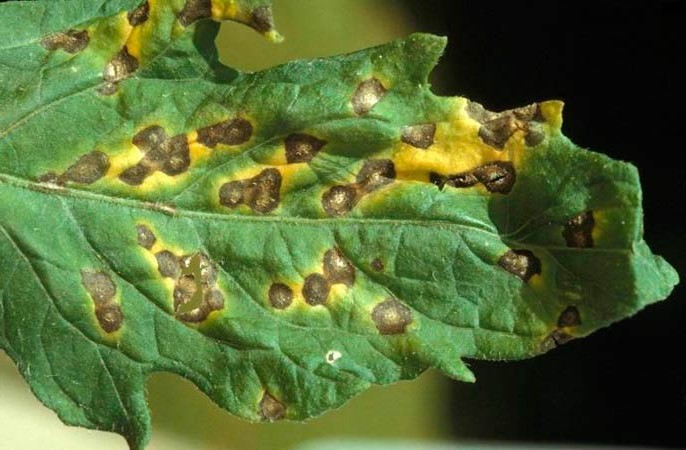
Black leg in seedlings
Root rot is a very serious problem. Affected tomatoes will wilt, fall over, and their roots will rot. It's best to prevent it. You can read below how to do this.
You might also sometimes see leaves dry out and turn yellow in a single day. At that point, there's nothing you can do. The cause is the tomato's roots dying.
Disease prevention
Remember that the soil shouldn't be soggy. Water your tomatoes moderately, allowing the soil to dry out.
Keep them in a greenhouse or on a sunny balcony. To prevent infection from dampness, transplant infected seedlings into new soil. Remove the roots from the soil, make sure they are white (if they are not, replanting is almost useless), and replant them in new, slightly damp soil. Pour 20-30 ml of potassium permanganate under each tomato and place them on the south side of the greenhouse. Also, make sure the soil is not too compact. It's possible that you damaged the roots while replanting the tomato. In this case, place the tomato in light shade. Once the seedlings have rooted, return them to the sun!
If the soil is too salty, the roots will work in reverse—they'll suck moisture from the tomato plant and release it back into the soil. The soil can become salty due to too much fertilizer or from watering with hard water. What to do? Remove some soil, water the seedlings with soft water, and avoid fertilizing for a few weeks.
To prevent roots from turning black, add ash to the soil when preparing for planting, and avoid dampness and heat when caring for the plant.
If you see a couple of black seedlings in a box, you can try to save them by replanting them in new soil containing calcined sand and ash. After replanting, spray them with Fundazol and do not water until the soil is completely dry.
Video: "Tomato Seedling Leaves Drying Up"
The video discusses methods for combating tomato leaf diseases.
Fighting the disease
Here we will describe how to recognize which micronutrient is lacking and how to solve the problem.
- Nitrogen. Leaves are scorched at the edges, quickly turn yellow, and fall off. They become stunted, new leaves are increasingly smaller, and the leaf takes on a light green color with a yellow undertone. To "cure" the tomato, it needs to be fed with a nitrogen fertilizer.
- Potassium. Young leaves curl, while older ones turn yellow and dry out. This can be combated by feeding potassium nitrate.
- Magnesium. Leaves are drying out, curling, and starting to turn yellow between the veins. Spraying with a solution of magnesium nitrate or Epsom salts will help.
- Zinc. Brown spots of varying sizes appear on the leaves, the veins become mottled, and they dry out and die. New leaves are small and mottled. Treatment involves spraying with zinc sulfate (or more precisely, a solution of it).
- Molybdenum. The leaves are turning lighter and curling. Feed the tomatoes with a molybdate solution.
- Calcium. Young leaves appear scorched, with yellow spots appearing. Watering with calcium nitrate is necessary.
- Sulfur. This is very similar to the first case. But here the disease will initially appear on shoots and new leaves. Foliar feeding will help.
- Iron. The leaves are green-yellow or white. Foliar feeding is required.
- Manganese. Young leaves begin to turn yellow from the base, resulting in a mosaic-like appearance. This problem can be resolved by spraying with potassium permanganate.
-
If you follow all the tips in this article, you'll be amazed at how your plant grows by leaps and bounds! And you won't have to wonder why my tomato seedlings are turning yellow.
Video: "Tomato Seedling Leaves Turning Yellow"
The author reveals the reasons for yellowing of tomato leaves.