
What diseases are your tomatoes susceptible to?
Content
List of major diseases
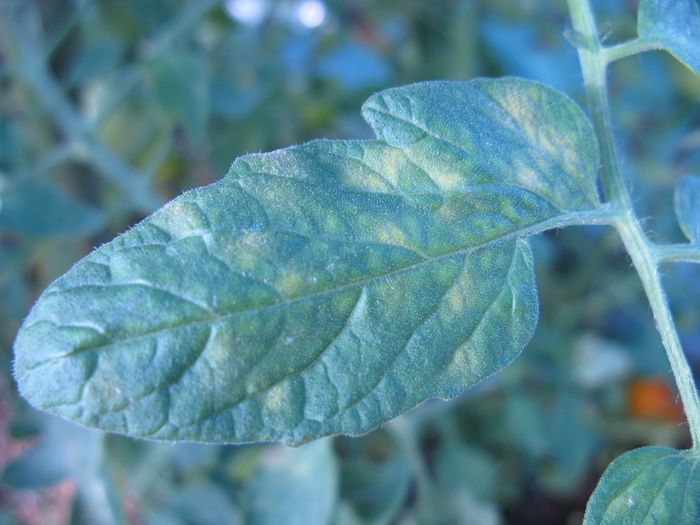
Mosaic
This is a viral tomato disease that significantly reduces yields. Symptoms of mosaic include:
- curling and baking of leaves and change in their color;
- the appearance of yellow spots on the plant;
- depletion of a culture leading to its destruction.
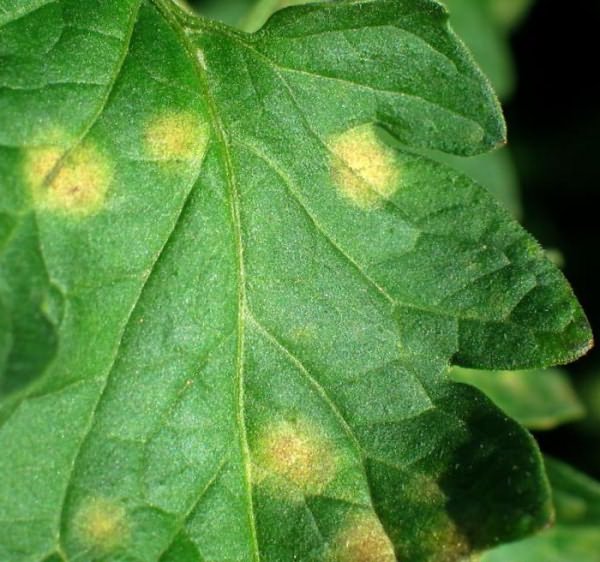
Mosaic disease spreads through plant sap. One way to prevent this tomato disease is early sowing. There are tomato varieties that are resistant to the disease.
Gray rot of fruits
The disease is caused by fungal microorganisms. Cold and rainy periods are most conducive to its spread.
The disease manifests itself as small, round spots that enlarge and ooze a brownish liquid. Gray mold also appears on the green parts of the plant and flowers.
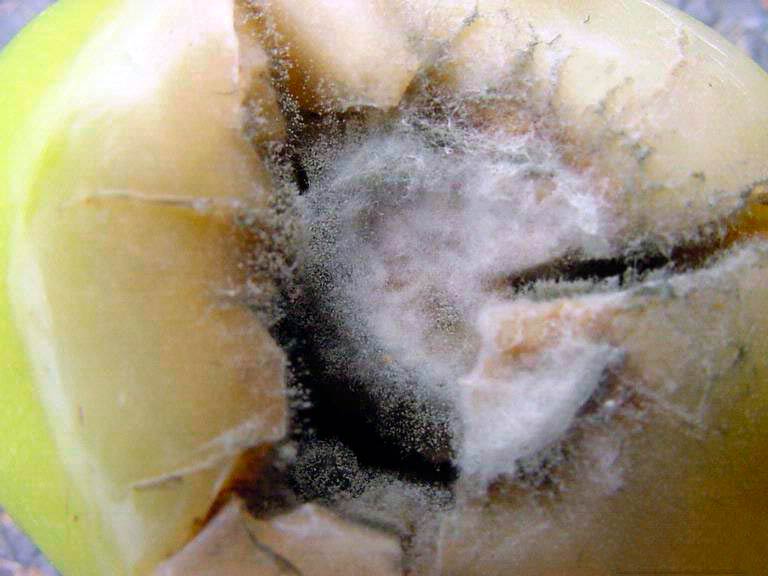
To combat the disease, remove infected parts of the plant. You can also spray tomatoes with Fundazol, Zaslon, or Barrier.
Root rot
The disease causes plant wilting due to root rot. It also affects cucumbers.
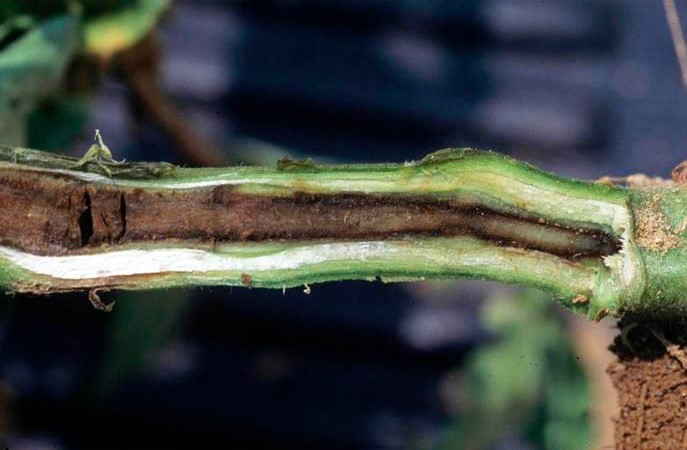
The measures to combat the disease are as follows:
- treating the soil with copper sulfate, since the pathogens causing root rot live in the soil;
- in a greenhouse, you can remove the top layer of soil and replace it with new soil;
- spraying plants with such agents as "Zaslon" and "Barrier".
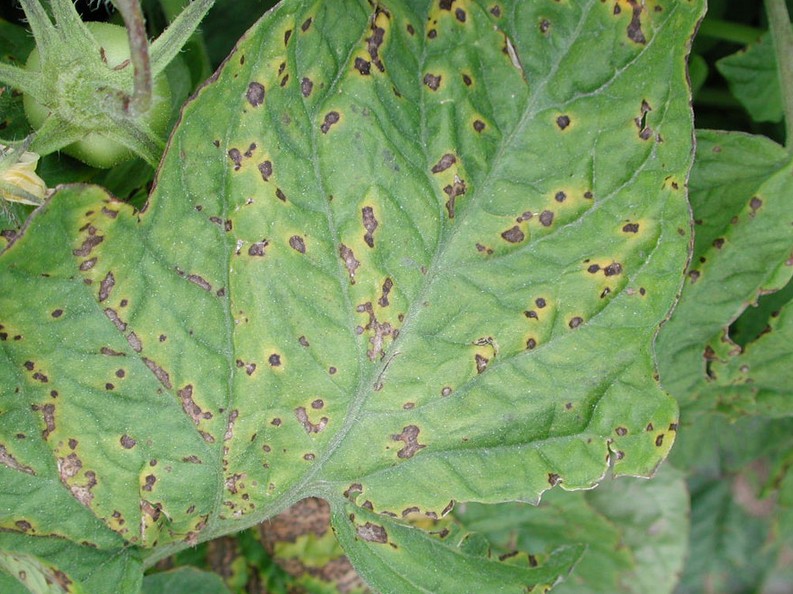
Brown spot
The disease is caused by fungi. Brown spot affects the fruit. Symptoms of this tomato disease include the appearance of a brown spot at the base of the fruit and leaf drop.
Disease prevention involves eliminating manure as a fertilizer for crops and cultivating the soil. Treatment involves physically removing affected vegetables. Naturally, the crop requires special care.
Macrospora (dry spot)
This is accompanied by the appearance of large brown spots, leaf burning, and death. Dark spots and a black, velvety coating also appear on the fruit.
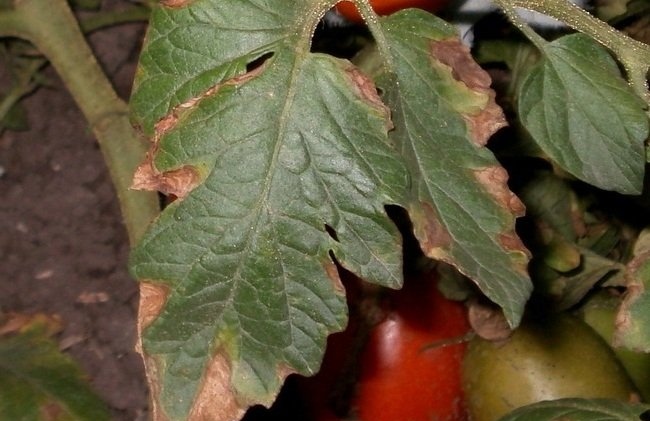
Control measures are similar to those used to eliminate late blight.
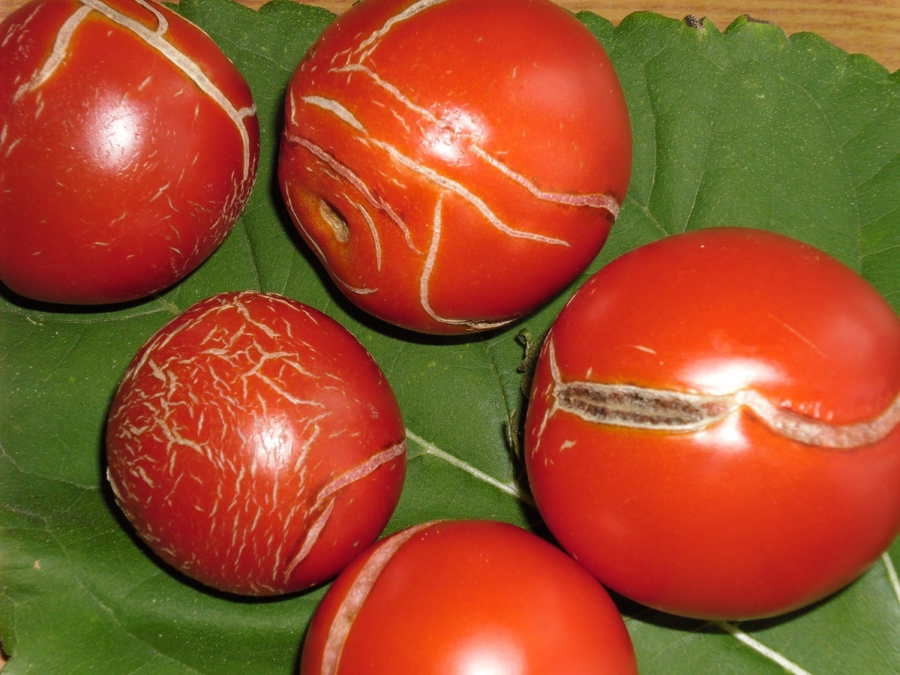
Fruit cracking
This is a physiological disease caused by a single, excessive watering of the plant during a drought. As a result, the vegetable's cell walls rupture.
In a greenhouse, the crop can be provided with specific care: spraying with a lime solution.
Late blight
A tomato disease caused by a fungus. For a long time, it was believed that the source of the disease was potato tubers. However, this has now been proven wrong.
At first, late blight goes unnoticed, but later, brown spots appear on the plants. In high humidity, a white, fluffy coating appears on the undersides of leaves and stems.
Dark spots also appear on fruits, which have distorted shapes due to the disease.
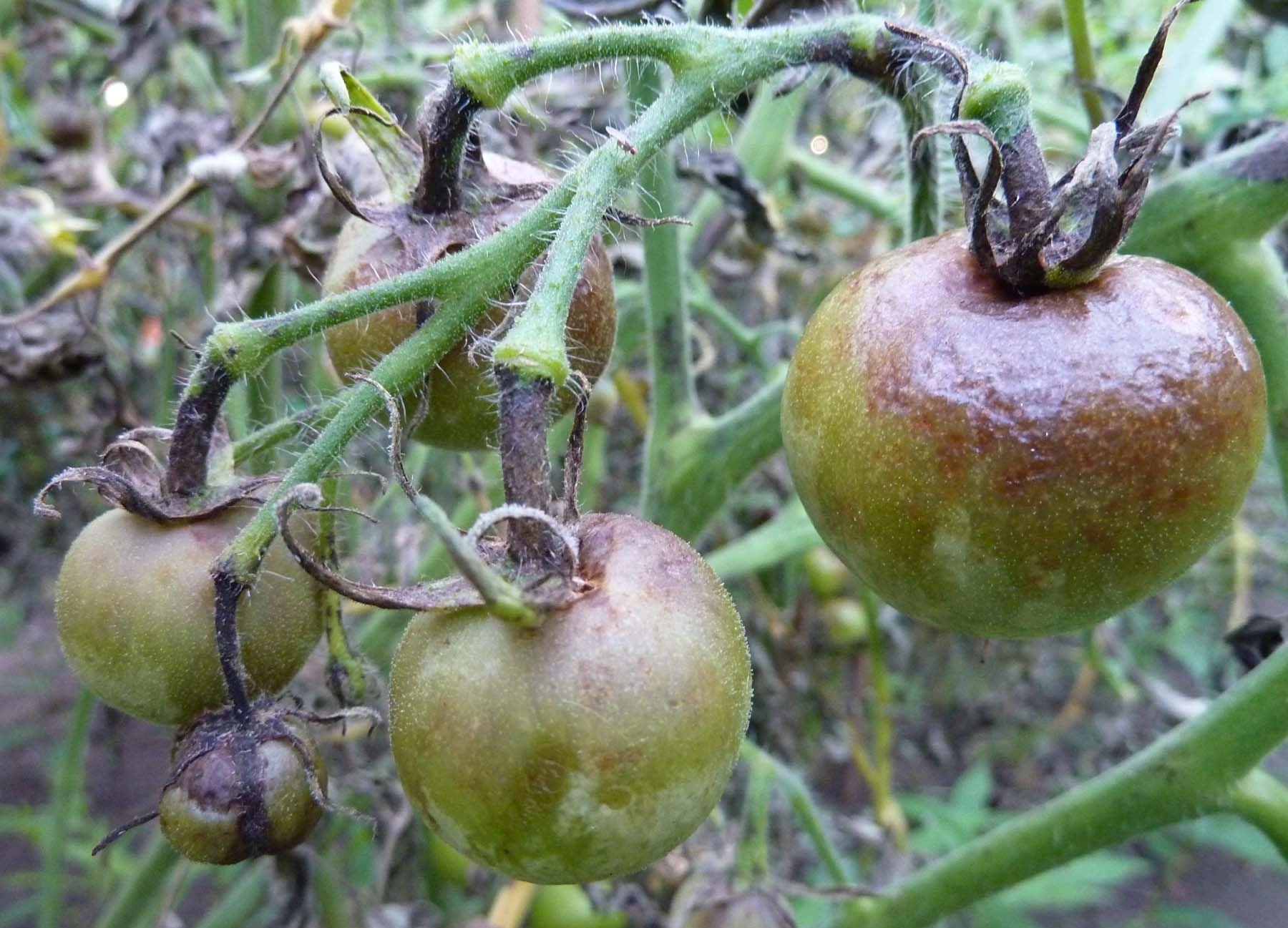
The fight against the disease is, first of all, proper prevention, consisting of spraying with fungicides or folk remedies.
It's worth keeping in mind that almost any ailment can be treated with folk remedies. Besides illnesses, tomatoes and their fruits are also prone to blisters in the summer.
Video "About Tomato Diseases"
The author of the video talks about tomato diseases, and in particular about brown spot.
Why do tomato leaves turn yellow?
There are many reasons why leaves turn yellow. To eliminate them, you first need to identify them.
Inadequate root function
Yellowing and burning of leaves can be explained by developmental problems in seedlings. For example, vigorous plants may have formed a solid root ball. Perhaps the seeds were starved for soil, as there wasn't enough for all of them to develop.
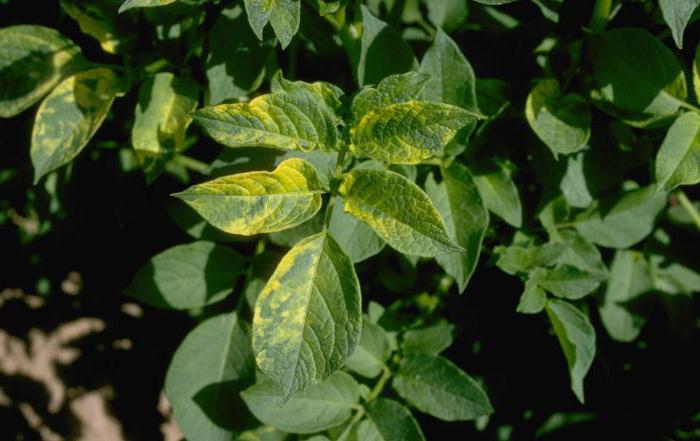
However, simply repotting won't help. On the contrary, it will encourage the formation of multiple roots. As a result, the leaves will turn brown, yellow, and eventually fall off. New leaves will then emerge. However, without repotting, the plants will simply die.
Hypothermia
A drop in temperature adversely affects root nutrition. As a result, the plant's development phases will be disrupted, and a harvest may not be possible at all.
It's easy to tell if your plant has been over-chilled: the leaves won't just turn yellow, they'll take on a bluish tint.
Mechanical damage to the root
A sign of this is yellowing of the lower leaves. Damage may have occurred in the soil after replanting or loosening and weeding.
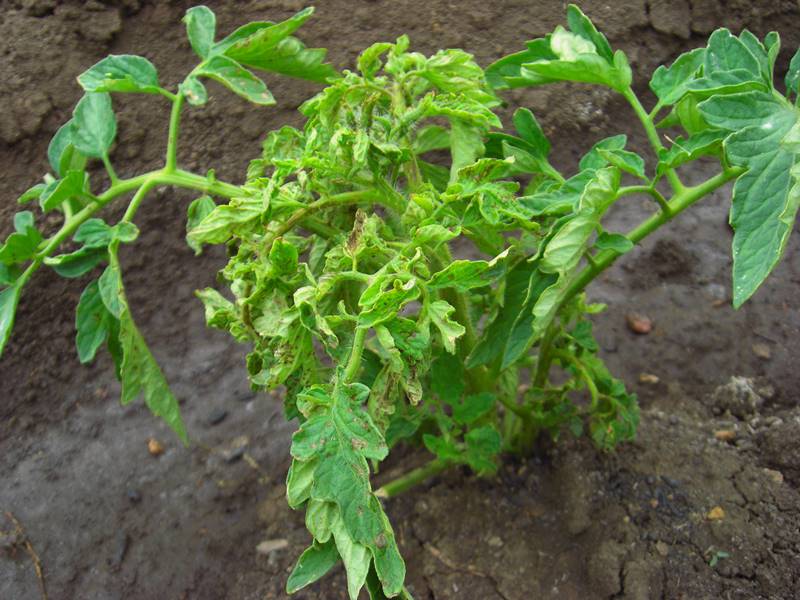
What measures should be taken? None. The crop itself will resolve this problem: over time, the vegetables will take root and grow new roots.
Water shortage
Vegetables have a strong, long root system that helps prevent them from drying out in hot weather. The bulk of this root is located shallow in the soil. This can lead to a lack of moisture, which negatively impacts the plant and its organs.
If you notice the problem in time and take measures to eliminate the lack of moisture, you can easily restore the health of your tomatoes.
High air humidity
When the crop has sufficient moisture, its leaves actively expand. At this point, the plants require nitrogen. Failure to fertilize vegetables with nitrogen-rich fertilizers can cause yellowing of the green parts of the plant and cracking of the fruit.
Nutrient deficiencies
In addition to nitrogen problems, bushes may lack calcium, which can lead to chlorosis and rot on the fruit. If the soil lacks copper, the lower leaves may turn pale yellow.
In addition to yellowing, hardening occurs—tomatoes need sulfur. Light yellow, drying leaves indicate a lack of manganese and iron in the soil.
Magnesium deficiency manifests itself in the appearance of yellow-red spots and curling of the edges of organs.
Fusarium wilt
This disease causes yellowing of leaves and a decrease in turgor (intracellular pressure). The fungi that cause the disease remain viable in the soil for a long time, negatively impacting the crop.
The sources of the disease may be affected seeds and plant parts (in fertilizers or on tools).
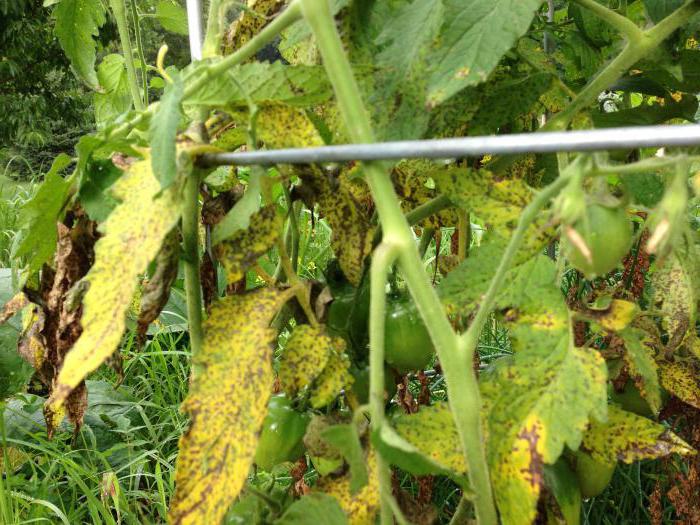
The pathogen is easily spread by wind, and at high temperatures, the disease develops and spreads more rapidly. Roots, stems, and the vascular system are infected.
If the crops aren't properly cared for and nourished, the bushes will experience stunted growth and completely yellow the plant. The fruits will likely remain small.
Signs of nutrient deficiencies
Many tomato diseases are caused by a lack of certain nutrients and minerals.
- Nitrogen. A deficiency causes leaf edges to blister, yellow, and fall off. The plant becomes elongated and stunted, and the stem loses its elasticity. The veins at the base of the leaf become reddish-blue. Such plants require urea fertilization.
- Phosphorus. When deficient, tomato stems darken and take on a blue tint, while the undersides of the leaves turn purple. The leaves curl up and grow as close to the stem as possible, and the roots wither. To combat this, apply superphosphate.
- Potassium. A deficiency of this mineral causes leaves to curl and burn at the edges. Brown spots appear, which then grow and form a border. Care during this period includes fertilizing with potassium nitrate and spraying with potassium chloride.
- Magnesium. A deficiency affects the leaves, causing them to curl upward and the space between the veins to turn yellow. To address this deficiency, you can use the following measures: fertilize with magnesium nitrate or an Epsom salt solution.
- Zinc. A deficiency causes gray-brown spots to appear on leaves and their veins, leading to their death. Young parts of the plant grow very small. Maintenance involves foliar feeding with zinc sulfate.
- Molybdenum. Signs of deficiency include curling leaves and yellow spots. Veins appear natural. This is rare, but if these symptoms are present, you can feed the vegetables with an ammonium molybdate solution.
- Calcium. A deficiency manifests itself as "baking" of the edges of young leaves. Older parts become darker. Blossom-end rot occurs. Treatment: calcium nitrate.
- Boron. A deficiency of this mineral results in flower drooping without fruit formation. The tops and their organs curl toward the base. The main veins darken, and numerous lateral shoots appear. Control measures include spraying the green parts with a boric acid solution during flowering.
- Sulfur. A deficiency of this element causes the organs to lose color and the veins to turn reddish-blue. The plant's stems become thin and brittle. Control measures include fertilizing with magnesium sulfate.
- Iron is a mineral whose insufficient levels cause yellow or white discoloration of the petiole. The top of the bush turns yellow, and the plant itself stops growing. Caring for tomatoes during this period involves fertilizing with copper sulfate.
- Copper. A deficiency of this element causes leaves to turn white at the tips. Furthermore, the plant's parts curl into tubes. Young leaves take on a blue-green tint and become small. This condition can be controlled by spraying the green parts of the plant with copper sulfate.
- Manganese. A deficiency causes leaves to turn yellow, with uneven vein color. The plant begins to wilt and develop a mosaic-like appearance. Treatment: foliar fertilization with a solution of manganese sulfate.
- Chlorine. A lack of this nutrient causes the leaves to become stunted. They even change shape. The veins don't change, but yellow spots appear between them.
Tomatoes are susceptible to many diseases. Controlling them is simple. The key is to take the right measures. Treatment can also be achieved using traditional methods.
Tomato diseases are accompanied by various symptoms. In particular, you may observe the burning of individual organs. In any case, the vegetable requires proper care. With this care, you can grow healthy tomatoes.
Video "Tomatoes in a Greenhouse. Tomato Diseases and Control Methods"
The video discusses tomato diseases in greenhouses and how to combat them.