
Why and because of what do tomato tops wilt?
Content
Plant diseases
Our climate is suitable for growing tomatoes, and anyone can master the basics of this "craft." However, tomatoes are a rather delicate crop, requiring careful care, careful attention, and certain gardening skills. Unfortunately, tomatoes are often susceptible to various diseases that not only harm the plant but can also lead to complete crop loss. One of the most common problems is yellowing and wilting of leaves and fruits.
Greenhouse tomatoes are vulnerable to various diseases. Many gardeners don't know how to combat certain plant diseases, but it's crucial to identify the disease as quickly as possible and then act appropriately; otherwise, the entire tomato crop will be lost and the plants will die.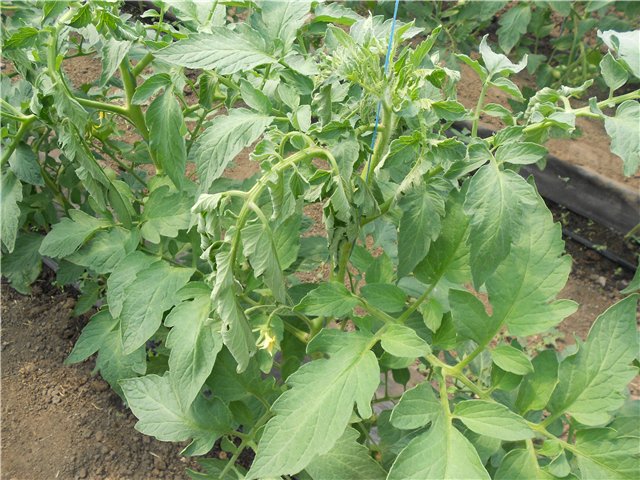
There are many tomato diseases, but there are a few key ones to consider. These include:
- late blight;
- mosaic;
- phomosis;
- rotting due to excess moisture;
- insects, beetles, worms.
First of all, it is necessary to identify the signs of these diseases in order to choose the most optimal methods for their elimination.
The most dangerous pests include mole crickets, cutworms, wireworms, and whiteflies. These insects can be controlled using household items, and various folk remedies are also effective. Many gardeners also publish their recipes and helpful tips online.
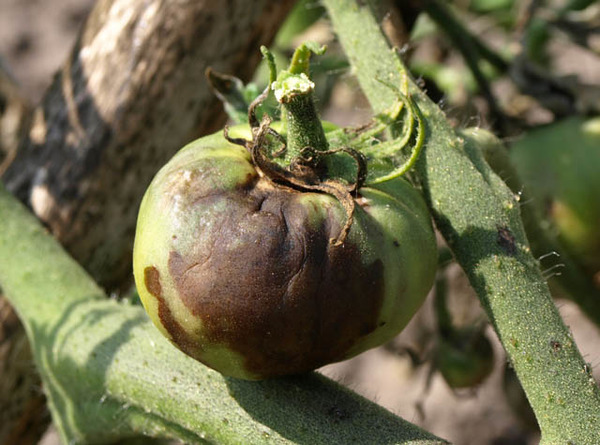 Greenhouse tomatoes often suffer from late blight, a fungal disease. It attacks greenhouse tomato leaves and stems, causing brown spots. Another sign of this disease is a small white coating, which appears primarily on the underside of the leaves.
Video: "What to do if your tomatoes are wilting"
This video will show you the most effective ways to fix this problem.
Preventive measures
To protect tomatoes and the future harvest from diseases and pests, follow a few simple, yet crucial, rules. Here's some advice from experts:
- plant only healthy plants, select only strong seedlings;
- take into account the fertility of the soil before planting, since a lack of nutrients can be one of the reasons for the appearance of diseases;
- work with plants as carefully as possible, avoiding unintentional damage, breaks or cuts;
- When planting, you can put some dried nettles into the hole; it is believed that nettles promote healthy growth and development of tomatoes;
- take into account the time of planting tomatoes, since these plants are very sensitive to weather conditions;
- It is recommended to plant several different varieties of tomatoes at the same time;
- Make sure to maintain the distance between the bushes.
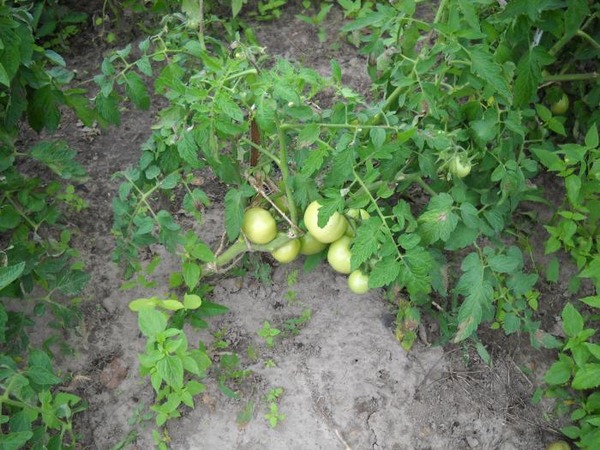
Experts also advise against planting tomatoes in the same spot every year, but instead take three to four years off. If a greenhouse is dedicated exclusively to tomatoes, the soil will need to be completely replaced or relocated each year. Furthermore, remember to disinfect the soil after diseased plants to prevent recurrence.
Other reasons
The causes of tomato diseases can be roughly divided into two broad groups. The first group includes those related to improper growing conditions and greenhouse cultivation, while the second group includes those caused by improper plant care. Among the main causes, three stand out:
- improper watering;
- insufficient amount of light;
- overheat.
It's also worth noting that sometimes the cause of tomato leaves wilting, and the plant itself becoming weak, diseased, and feeble, isn't a single factor, but several. In such cases, treatment requires a comprehensive approach based on the symptoms.
Incorrect watering
One of the most important conditions for growing tomatoes is proper watering. Greenhouse leaves, like the rest of the plant, can suffer from both insufficient and excessive moisture. This can lead to root rot and rapid wilting of the plants.
How do you determine the correct dosage and frequency of watering? The answer is simple: watering frequency is determined by the plant's age.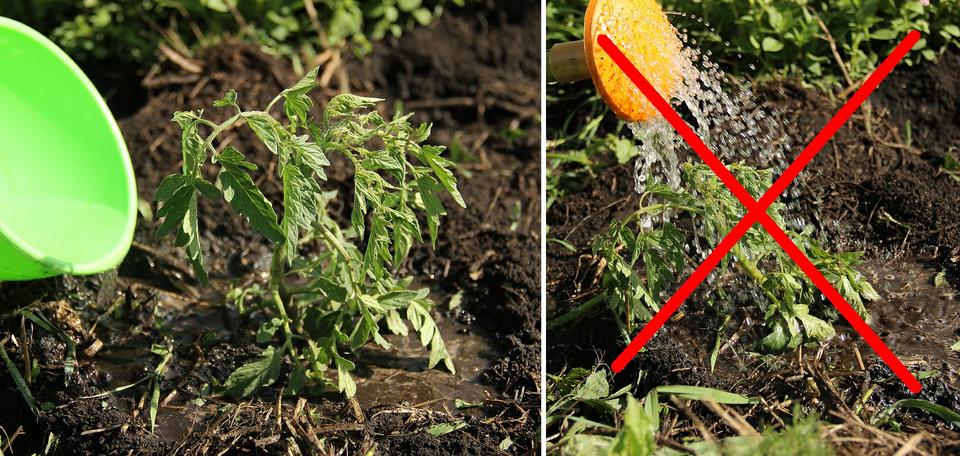
Thus, there are three main types of irrigation depending on the age category of tomatoes:
- Daily watering – suitable for young, densely planted seedlings; the best effect is achieved in the early hours of the day;
- once every few days - for transplanted seedlings, which are watered taking into account the degree of drying of the soil;
- once a week - for adult plants, such watering should be especially abundant so that the soil is well saturated with water.
As for the water temperature itself, it should be warm and slightly steeped. It's also recommended to create a draft in the greenhouse for a while after watering to help reduce humidity.
Lack of light
Tomatoes are sun-loving plants; they require ample sunlight to thrive and produce full-bodied fruit. Often, insufficient light reaches the greenhouse. If this is compounded by high humidity, it's crucial to install a proper ventilation system as soon as possible.
When growing tomatoes out of season, short daylight hours can also cause light shortages. This problem can only be addressed with appropriate supplemental lighting. This can be achieved with low-wattage fluorescent lamps hung above the seedlings and left on for 15-16 hours a day.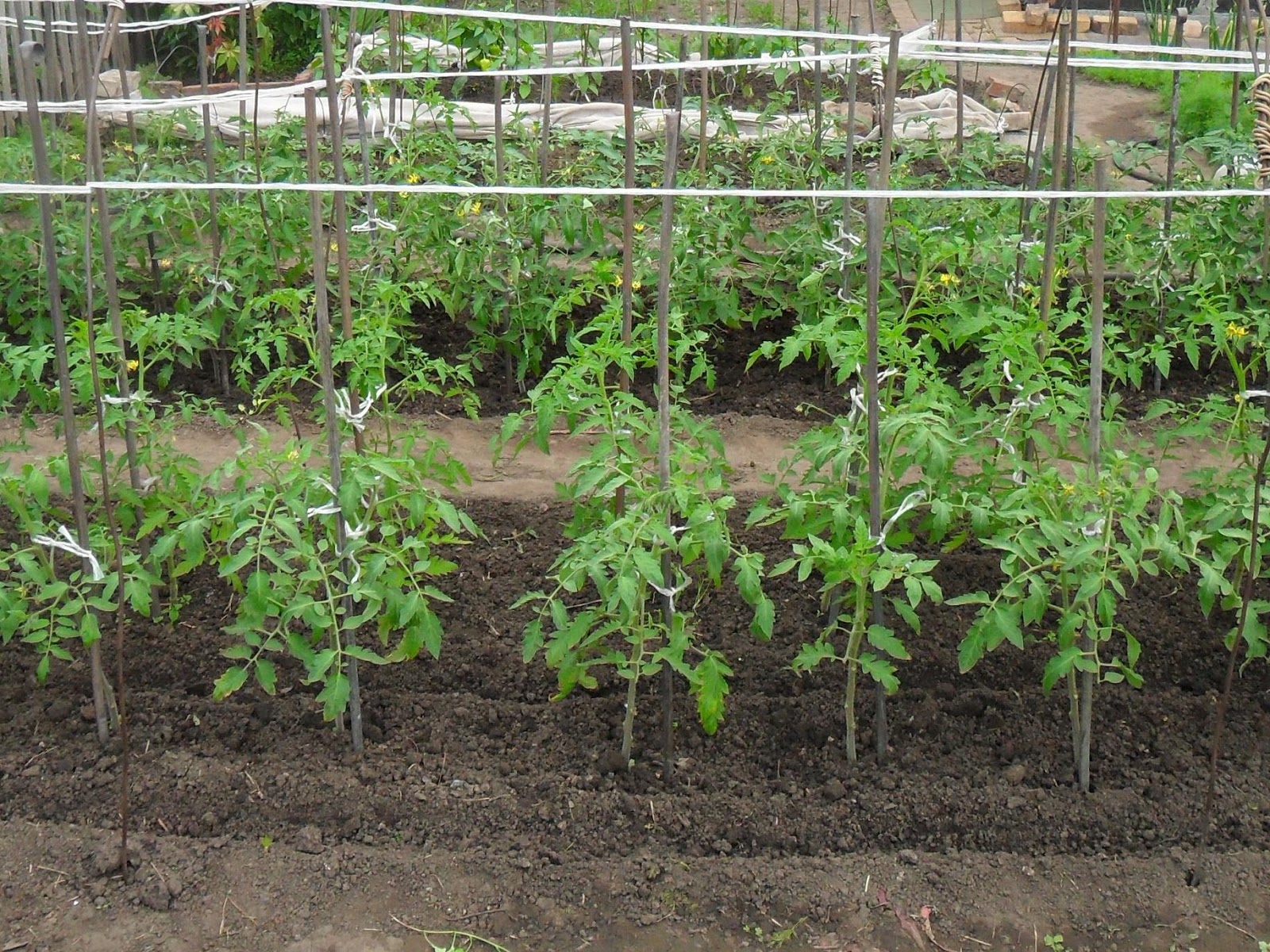
Some gardeners resort to small tricks. For example, laying white paper or a piece of foil on the greenhouse floor acts as a reflector, increasing the light intensity several times over. This allows for a positive effect without much expense.
Overheat
As we know, tomatoes are very heat-loving plants, but they are also vulnerable to high temperatures, which can cause the upper leaves to wilt, the stems to dry out, and the entire plant to weaken. If the temperature in the greenhouse reaches 38-40 degrees Celsius, the leaves may simply fall off, and the plant stops growing, stunting its development.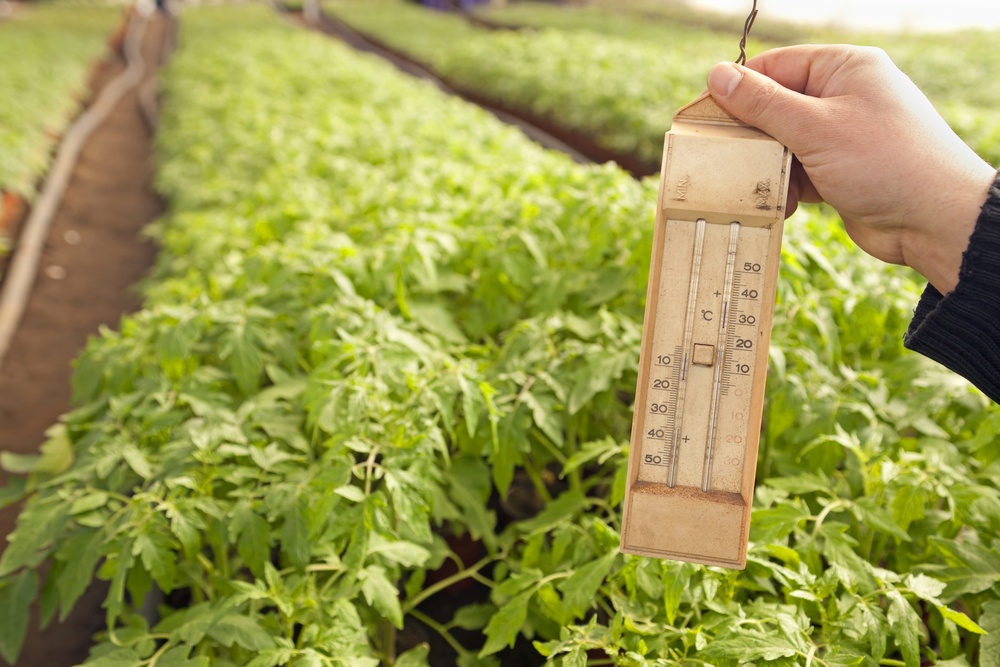
Overheating is a common mistake many gardeners make. They believe that higher temperatures are better for their plants, but in doing so, they're actually ruining them. Experts say the optimal temperature for tomatoes to grow and produce fruit is 25-28 degrees Celsius (77-82 degrees Fahrenheit) during the day and 16-18 degrees Celsius (61-64 degrees Fahrenheit) at night. To monitor temperature changes in the greenhouse, place a thermometer inside.
Tomatoes are a fairly demanding crop to care for, but if you understand everything and master the basic rules for caring for these wonderful plants, you won't have to worry about any diseases, and the harvest will always be bountiful, bringing joy to you and your loved ones.
Video: "How to Properly Water Tomatoes"
This video will show you how to properly water this vegetable plant.