
What to do and how to deal with black flies on tomatoes
Content
How to determine the presence of this parasite?
You're a wonderful gardener, and the soil in your beds is loose and moist. So why are your tomatoes looking so dejected? They're likely afflicted by aphids. Colonies of black flies occupy the tips of young shoots and actively colonize the undersides of leaf blades. Ants scurrying around your tomato plants can be a harbinger of an aphid attack. After all, aphids are literally a delicacy for ants. To obtain honeydew, a sugar-containing byproduct of their metabolism, the ants carry the aphids to new pastures—young plant leaves—protecting them from predators.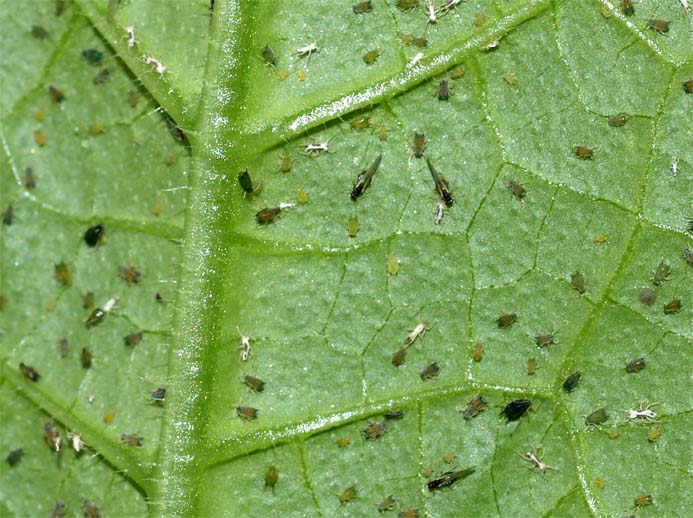
When ant colonies move, they always take aphids with them to ensure a constant source of sugars. Naturally, they also colonize plants near the nest. Aphids reproduce very quickly; a single aphid produces several hundred thousand new individuals in a month. Some aphids are winged and can fly long distances. Aphids feed on plant juices, piercing the surface of leaves and young shoots with their proboscises. They can completely destroy a young plant. Mature plants experience slower growth, leaves curl, fruits become smaller, and ovaries fail to form in the places where the flowers were eaten. Aphids not only deprive the plant of vital juices but also infect it with viruses.
Video "Description of the Pest"
From this video you will learn a lot of interesting things about the aphid pest.
What are the ways to get rid of it?
Considering the diversity (more than 4000) of aphid species, their unpretentiousness and extreme fertility, it is necessary to start with preventative measures:
- Since aphid larvae prefer fruit trees and shrubs for overwintering, timely removal of old peeling bark and young shoots, whitewashing with lime, and the use of ant traps are measures that can reduce the population of these insects.
- Fighting ants that have settled in the beds.
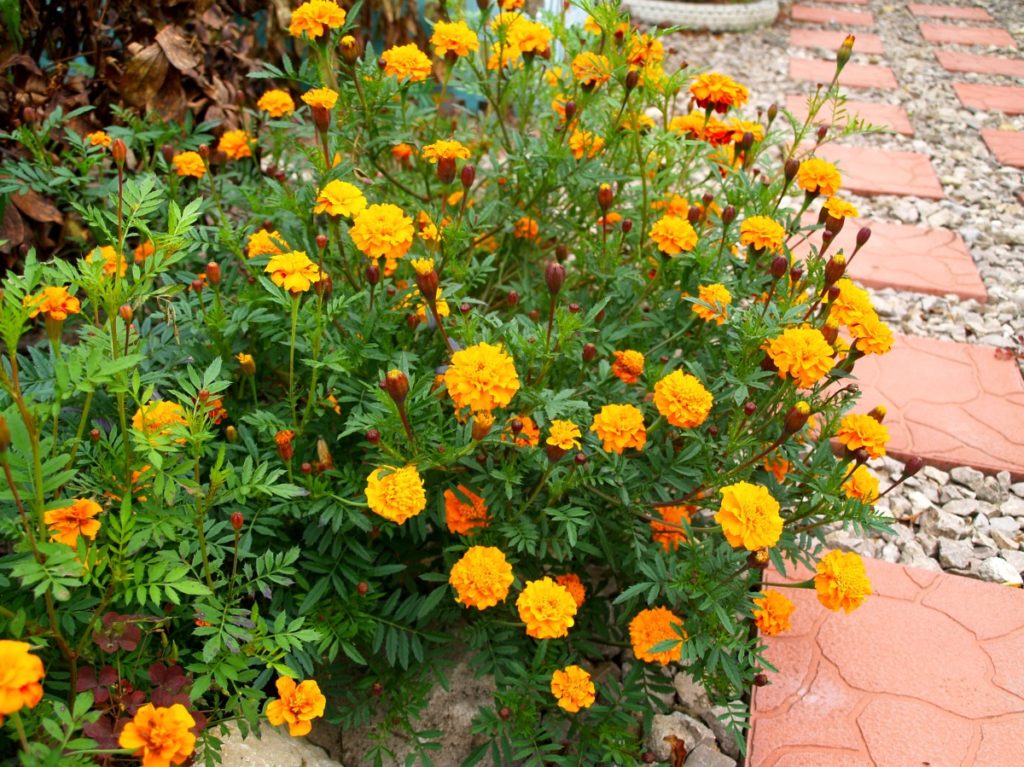
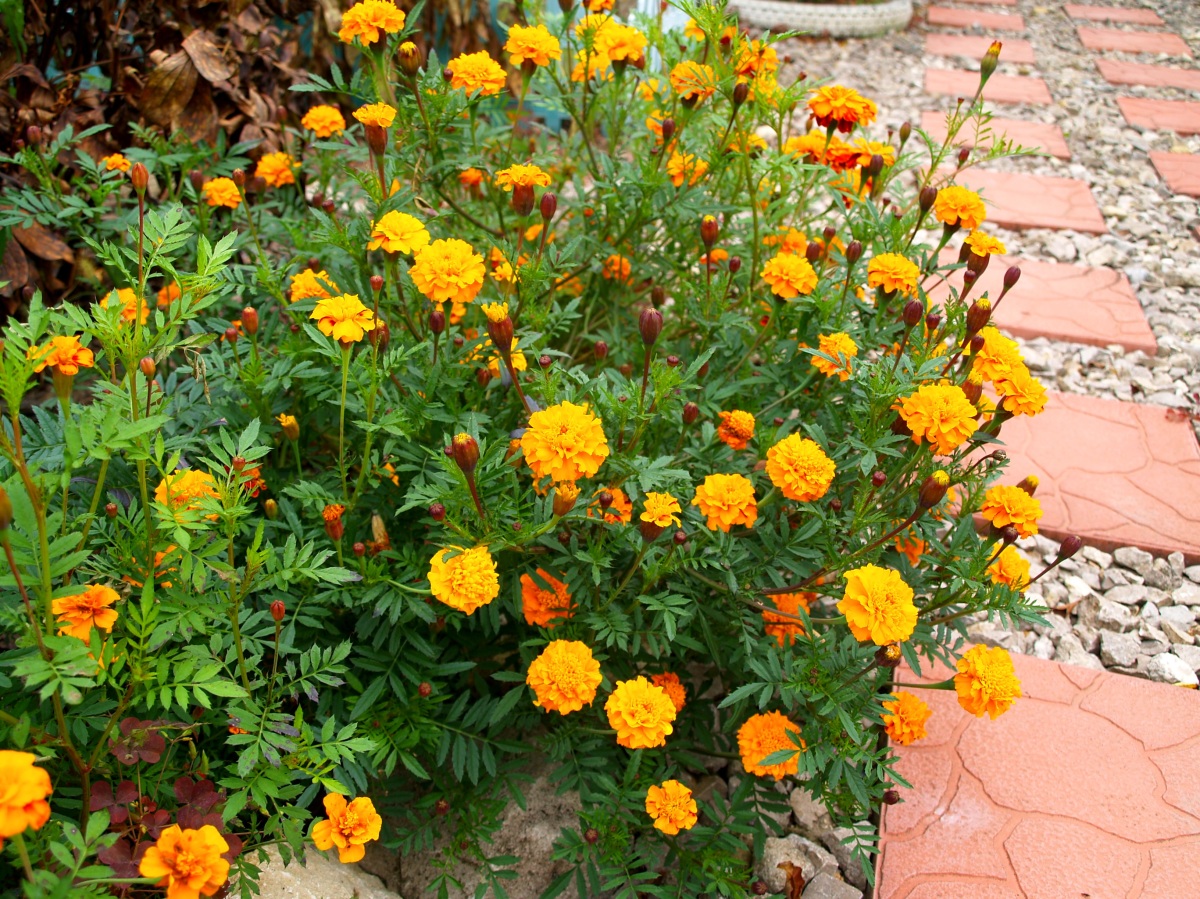
- The smell of garlic and onions repels aphids; it's a good idea to add them to your tomato plants. Finally, plant marigolds. The scent of these easy-to-grow flowers is unbearable for aphids, but extremely attractive to their worst enemy—ladybugs.
- After harvesting, all plant debris from infected beds should be carefully removed and burned.
- The right green manure will also help rid your garden bed of aphids. These include marigolds and mustard.
Small colonies of pests can be simply washed off with a hose or a sponge and soapy water. However, if the bush is heavily infested with black flies, pesticides will have to be used. There are also folk remedies for aphids. While their effectiveness is somewhat lower than that of chemical treatments, they do have undeniable advantages. Let's look at both methods separately.
How is chemical treatment carried out?
Chemicals used to kill black flies on tomatoes vary in their mode of action and method of entry. These insecticides fall into three groups:
- contact, which kill upon contact with any part of the insect (Inta-vir, Arrivo, Fufan, Fury);
- intestinal, entering the body with food (contact-intestinal insecticides are most often used - Confidor, BI 58-Novy, Tantrek, which are the most effective);
- Systemic insecticides that poison the plant with a deadly aphid poison (Aktara). All of them are toxic. Therefore, when treating plants, take precautions for your own safety. Harmful substances are not immediately removed from the plants; the waiting period is 14 to 30 days. Therefore, it is advisable to apply insecticides before fruit set on tomatoes.
This midge very quickly develops resistance to chemical treatments, so for maximum effectiveness, they must be alternated. Another significant drawback of these treatments is that they kill beneficial insects along with the aphids.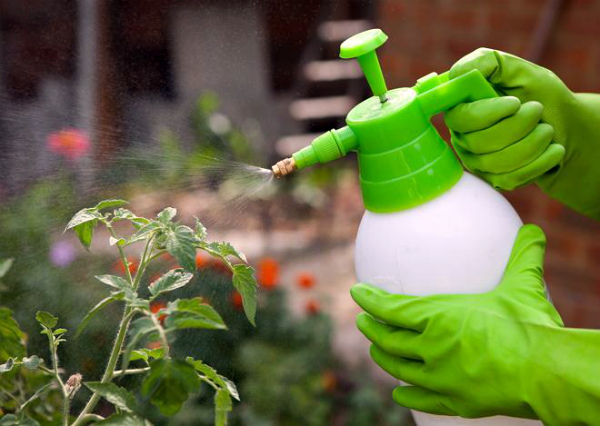
We'll highlight products (Akarin, Fitoverm) whose active ingredient is avermectin, a natural neurotoxin. They are classified as biological agents. The response time is relatively short, up to three days. Insects don't die immediately; the full effect of the products is observed within a week.
They are the least toxic of all the above groups.
Chemical pesticides are undoubtedly more effective than biological and, especially, folk methods of pest control. Everything in nature is interconnected, and we must not forget this. And that drop of poison we deposit on a plant leaf will inevitably affect the health of our descendants.
For those who are environmentally conscious, there is a weapon that will only harm the harmful midges.
How to get rid of parasites using folk remedies
There are many effective folk remedies for black flies on tomatoes.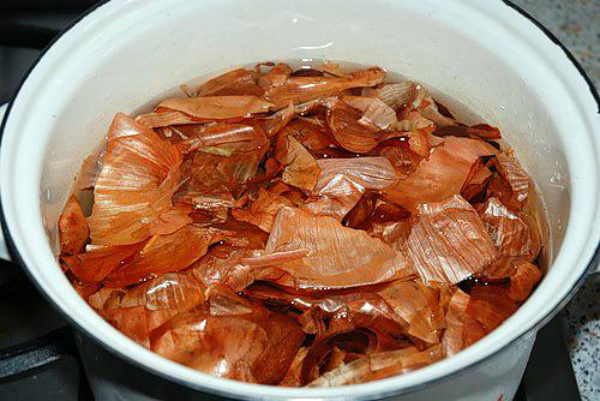
Here are some of them:
- soap-ash composition: pour 300 g of ash with hot water and bring to a boil, after cooling add 40 g of grated laundry soap;
- tobacco-soap composition: 200 g of tobacco dust and 2 finely chopped hot peppers, infuse for 24 hours in 10 liters of water, then add 2 tablespoons of grated soap and ash;
- Garlic infusion is prepared in the following way: 200 g of crushed garlic is infused in 1 liter of warm water for 5 days, before use, 100 g of tincture is diluted with 5 liters of water;
- Onion peel infusion: 200 g of onion peel is poured with 10 liters of warm water and after 12 hours the plants can be treated.
The choice of weapons is yours, and a well-built line of defense will help preserve the harvest.
Video "Fight"
From the video you will learn how to deal with aphids.