
When should you spray tomatoes with copper sulfate against late blight?
Content
Three stages of prevention
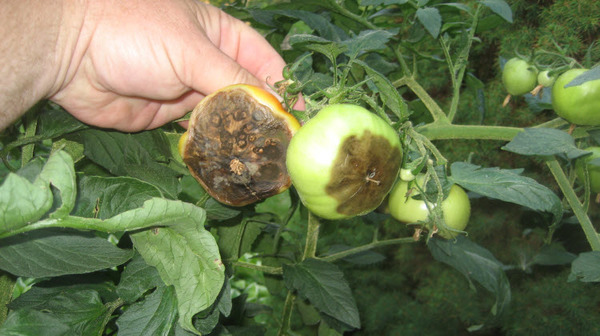
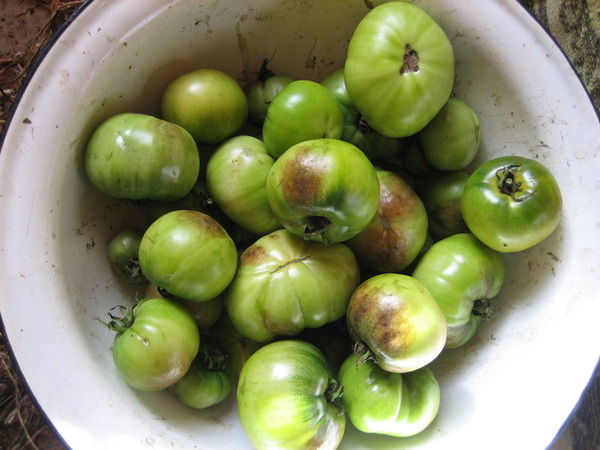
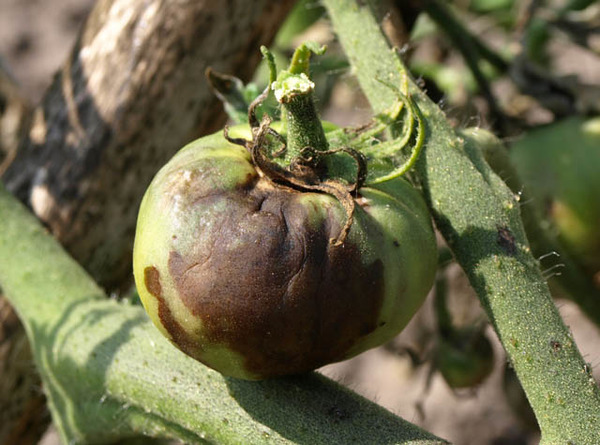
Late blight itself is one of the most common diseases not only of tomatoes, but of all nightshade crops.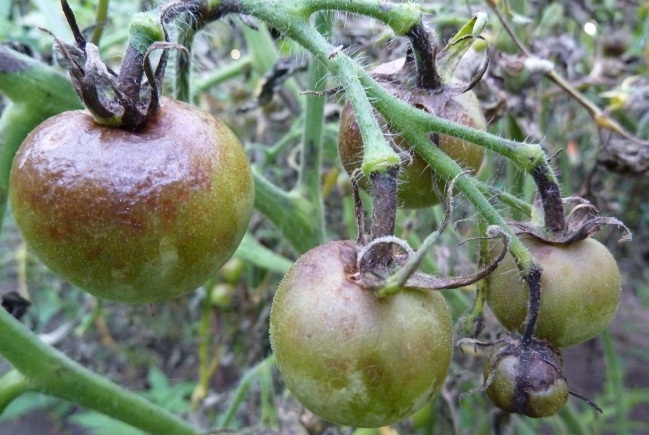
This disease terrifies all gardeners, as it can destroy entire plants. And people often don't know how to combat it. You can prevent late blight by following these recommendations:
- Do not plant nightshade crops nearby.
- Remove side shoots from tomatoes periodically. Late blight can occur due to insufficient ventilation. Therefore, side shoot removal is essential, especially for those plants that reach their maximum height and receive little airflow.
- Maintaining the correct temperature regime is crucial. Frequent temperature fluctuations can also cause mold growth.
- It often appears due to rain and cold. Therefore, if a cold summer is predicted, consider a makeshift greenhouse.
- Also, water the tomatoes at the roots, as if you water the leaves, late blight is almost guaranteed to appear.
Experience shows that there is simply no easier method of combating late blight than copper sulfate.
Remember that there's no such thing as land that's free of late blight. There's land where the disease is dormant, and there's land where it's in its active phase.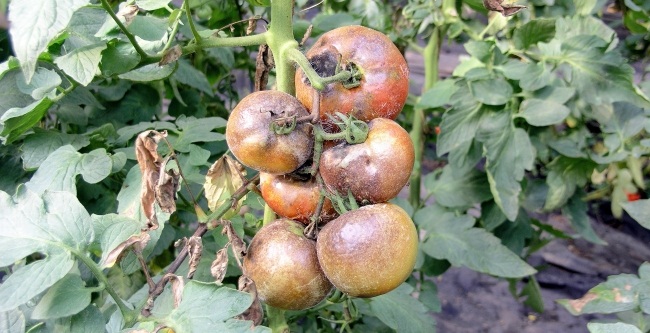
In some places, it's become quite active, while in others, it's only slightly bothering the tomatoes. Many people can't maintain crop rotation due to the size of their plots, and although varieties resistant to late blight have been developed, it's still better to protect your garden. So let's consider what to do, and below you'll find brief instructions on using copper sulfate.
Video: Spraying Tomatoes in a Greenhouse
In this video, an experienced gardener will explain and demonstrate how to properly prevent various diseases of tomatoes growing in a greenhouse.
The first stage
It all starts with planting the seeds. The soil should be moistened with a weak solution of copper sulfate, ideally a 3% solution. This will protect your tomatoes from late blight at this stage. So, don't worry about your seedlings; they will be 100% healthy.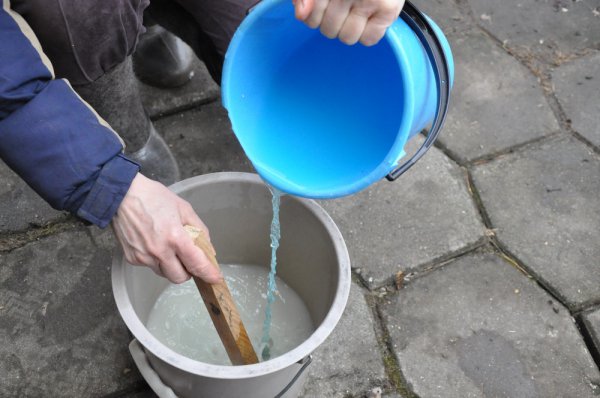
The second stage
Pricking out is a series of steps performed when transplanting young plants into a new container (instead of a shared one, now a single container) and into new soil. Now you need to disinfect the new soil again. The day before transplanting, spray the soil with a 1% copper sulfate solution, as too much can kill the roots.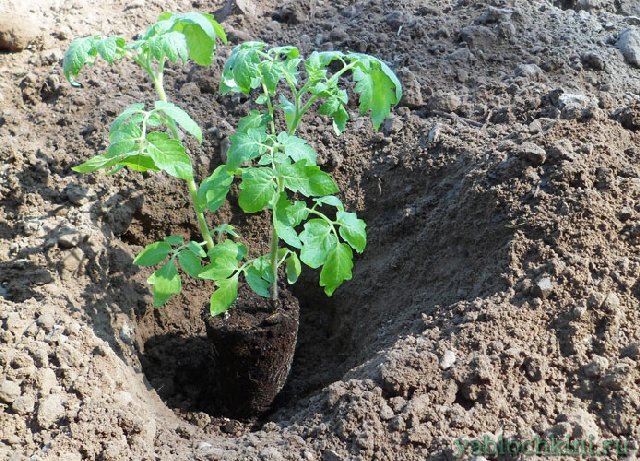
The third stage
This is done just before planting the seedlings in the ground. About a day before, pour a liter of 1% copper sulfate solution into the prepared holes. Afterwards, plant the seedlings in there with the fertilizer you need. Finish with mulching.
Dosage
The roots are now protected from late blight. However, it's best to perform another preventative treatment when spraying the plants. While the initial steps were intended to prevent the infection from penetrating through the roots, copper sulfate is now used to prevent late blight on tomatoes from penetrating through the leaves and stems.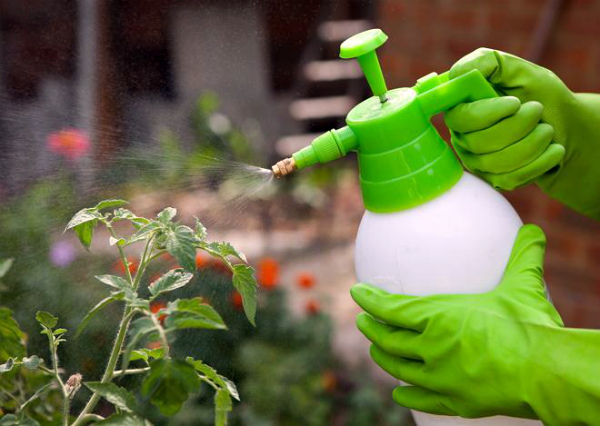
Remember to treat the most sensitive areas of the plant with a 0.1% solution. If you disobey and decide to make the same solution as you did for the roots, you will burn all the leaves and buds.
If late blight does affect your tomatoes, immediately after killing them, treat the soil around their roots with the same 3-5% solution. Then, let the soil rest until spring, or plant green manure immediately after the tomatoes.
There are several other ways to use copper sulfate in the garden. This fertilizer can also save other vegetables, and even some trees and bushes. If any diseases appear in the garden, try treating the plants with a very weak solution of copper sulfate. This will help cucumbers, zucchini, grapes, plums, apple trees, and pears. You can also try using wood ash, but it's quite hard to find these days. Treating the plants with an infusion of mullein or milk is also very helpful. It's important to maintain the concentration of copper sulfate. This is the only way to achieve maximum disease control and prevent the accumulation of copper ions in the plants.
If your friends think that they can simply stick a copper wire into the ground and say that the tomato will be healthy and will not get late blight, tell them that they are wrong.
Copper should be added to the holes at all stages of treatment (don't soak the roots, as this will kill the plant; just apply the solution to the holes). You can also pierce the stems with copper wire a week after applying the copper to the roots. If you're worried about the results, experiment. Treat 2-3 rows this way, but leave the other two unpierced. In the fall, you'll see that the ones you pierced are healthier, stronger, and yield a significantly higher yield. It's also worth remembering that if you stop preventative spraying, late blight can quickly affect the plant, and that's it—it's all over. Now you need to fight late blight with chemicals. Of course, after treatment, it's best not to eat the tomatoes; instead, use them in adjika and other sauces.
If you don't know how to dilute copper sulfate, we'll tell you now. Dilute 100 grams of copper sulfate in 5 liters of water, and in another jar, add 100 grams of slaked lime. Then combine them. This solution should be used within 6-7 hours, otherwise it will become useless, as flakes will form and clog the spray bottle. This solution forms a film on the leaves, preventing the plants from absorbing light. Remember, this will disappear within a few days, so there's nothing to worry about.
Video: "Preventing Late Blight on Tomatoes"
In this video, you will see how to properly care for tomatoes to avoid late blight.