
Symptoms and treatment of downy mildew in cucumbers
Content
Symptoms of downy mildew
No matter what variety of cucumbers you grow in your garden, downy mildew (also known as peronosporosis) can cause significant damage. But before searching for the necessary treatments, it's worth taking a closer look at the key signs of the disease. It's crucial to identify downy mildew in its early stages, as this disease can not only reduce crop yields but also kill the plant.
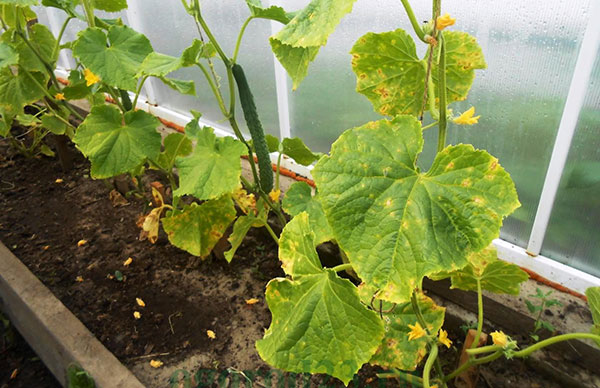
It is not difficult to understand that you are dealing with downy mildew in a particular cucumber variety. White, yellow, or brown spots begin to appear en masse on the plant's leaves, increasing in diameter and literally "growing" across the entire leaf blade, moving to the next one. The fruits themselves are not at risk. However, the plant will still suffer significantly, as once the leaf becomes completely covered in spots, it will simply dry out. Remember: as soon as you diagnose the disease in your cucumbers, you must act immediately. Otherwise, downy mildew will spread to other crops growing nearby (watermelons, melons, squash, etc.).
Causes and stages of development
Downy mildew of cucumbers is a disease that can become devastating to the plant. It has one cause: a fungal infection. It spreads through the air, and cucumbers are most often susceptible to this type of disease during the growing season. However, certain aspects of growing cucumbers indoors can accelerate the disease's progression. For example, if you planted your vegetable in the shade, where the air doesn't get particularly hot, then eradicating downy mildew becomes much more difficult.
Treatment of peronosporosis
Fighting this dangerous disease is entirely possible. Both professional treatments and folk remedies can help. Keep in mind that you'll need to treat not only the cucumber leaves but also the inside of the room.
Among the most common mixtures for treating varieties of domestic cucumbers from downy mildew is a solution of Bordeaux mixture.
To prepare it, take 100 grams of copper sulfate and slaked lime, then stir them in 10 liters of water. It is recommended to spray the resulting mixture on the crop during flowering. After a week, the cucumbers are ready to eat.

Many gardeners prefer to treat their plants with a mixture of professional fungicides. It's important to remember the dosage and consult a specialist before using the product as directed. However, not everyone decides to purchase chemicals, even if they are quite effective. Their use still poses a certain risk to their cucumbers. However, there is a solution: biologically based products are a good alternative to such products. They are harmless to agricultural crops, yet can cure vegetable plants of downy mildew.
Ash is a very popular folk remedy. It doesn't need to be mixed with other ingredients. Simply sprinkle the powder on the affected leaf blade. While you're unlikely to be able to completely eliminate downy mildew, you can slow its spread.
Treatment of various varieties of home-grown cucumbers against downy mildew should be carried out taking into account the following recommendations:
- When planting outdoors, remember the importance of pre-disinfection of seeds. Heat treatment can be used for this purpose;
- In the summer, after you have collected the ripe fruits, you need to clear the garden plot of plant debris and remove all leaves and stems;
- When growing agricultural crops, it is important to ensure regular soil moisture, but not to overdo it, otherwise, excess moisture in the substrate will only increase the risk of developing downy mildew;
- You can overcome any plant disease much faster if you add the necessary fertilizers to the soil in combination with medicinal preparations.
Cucumbers can be treated for downy mildew using both professional products and folk remedies. The key is to remember important conditions that can improve the treatment's results.
Prevention of peronosporosis
For those growing cucumbers indoors in a greenhouse, maintaining an optimal microclimate is crucial. Try to regularly ventilate the greenhouse and water the plants timely and sparingly. You'll also need to loosen the soil frequently after watering the substrate. Follow these basic care recommendations, and you'll soon reap a bountiful harvest.
Resistant varieties of cucumbers
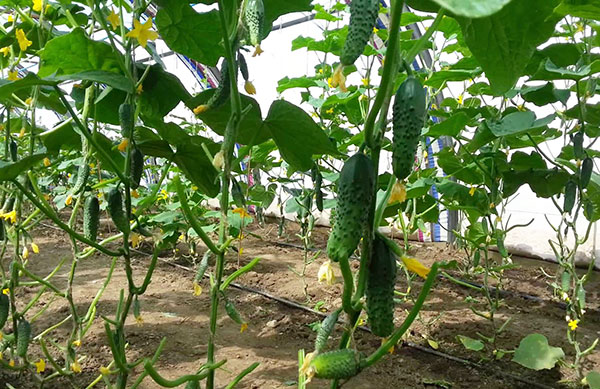
Treating downy mildew on crops can be quite burdensome and expensive for gardeners. Therefore, many prefer to choose cucumber varieties considered resistant to these diseases. Among these are Pasadena, Tom Thumb, Octopus, Golubchik, and others. Purchase seeds from these varieties, and you'll likely avoid dealing with downy mildew.
Video: "Symptoms and Causes of Downy Mildew"
This video will teach you how to identify the presence of the disease and, of course, about measures to prevent and combat this disease.