
Treatment of Cladosporiosis or brown spot of tomato
Content
How to recognize
Brown spot, or Cladosporiosis as it's known scientifically, is a fungal disease. It occurs on tomato leaves. It most often affects plants grown in greenhouses and hothouses, i.e., indoors. To recognize the symptoms characteristic of tomato plants affected by this disease, it's important to be familiar with the pathogen.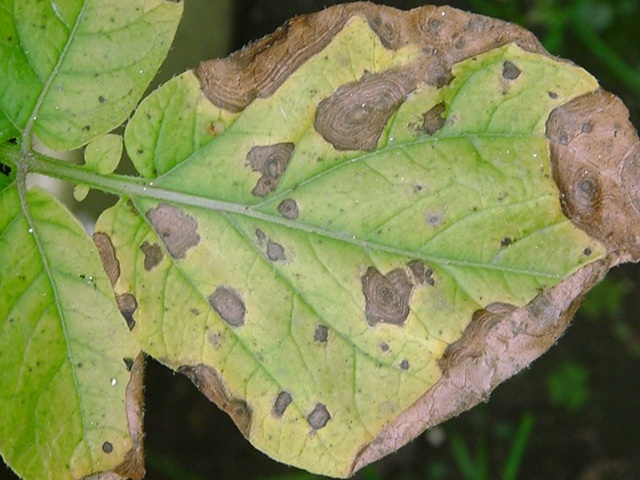
The causative agent of this disease is believed to be the fungus Cladosporium fulvum Cooke. This microorganism is unique in that it can remain viable for up to 10 months. It can also withstand prolonged freezing and desiccation.
Infection of crops occurs when fungal conidia enter the plant. These differ from standard spores in that they form directly in the mycelial outgrowths of the conidiophores, rather than in the cladosporium (a specialized organ of the fungus). The fungus reproduces asexually through conidia. They are relatively light and resemble dust in appearance. Therefore, a wide variety of objects can become a source of infection. Conidia can be transferred to healthy tomatoes via tools or during watering. They are also easily airborne. Infection via this method is particularly dangerous, as conidia can remain viable without a host plant. For example, they can easily overwinter in the soil and infect new crops in the spring.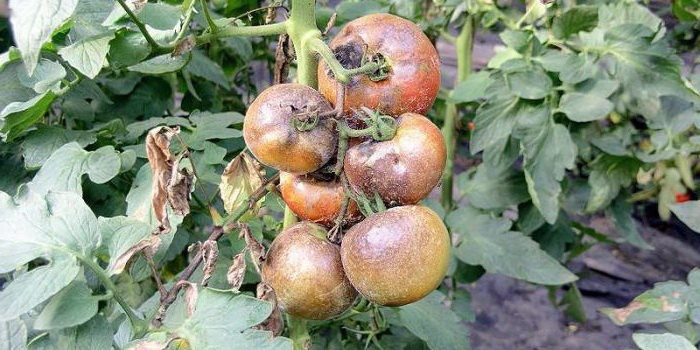
When fungal conidia land on leaves, they revive and begin to germinate under high humidity conditions. High humidity (90-95%) is the most important factor for accelerated germination. The first signs of the disease appear around the middle of the growing season. At this time, tomatoes begin flowering and fruit set.
In mid-summer, yellowish spots appear on the upper surface of infected bushes' leaves, clearly visible against the green background. These spots vary in size and shape. If you turn an infected leaf over, you'll see a light-colored coating underneath (later turning into brown spots). Over time, this coating turns brown or russet. Its texture also changes, becoming velvetier and denser. These are conidia that have begun to germinate. If no control measures are taken at this stage, the leaves will begin to lose their shape and color. Over time, they begin to yellow, dry out, and fall off. The disease primarily affects weakened leaves.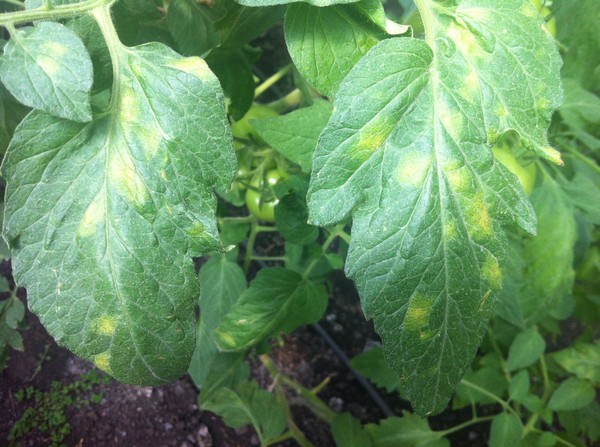
Along with the loss of leaves, tomatoes also lose their ability to photosynthesize, which negatively affects the formation of fruits.
In addition to leaves, the brown spot pathogen can affect flowers and young ovaries.
This disease develops gradually. Therefore, it's important to identify the onset of the disease; otherwise, in its advanced stages, the plant may be beyond saving. The disease's progression can be described in stages as follows:
- the first symptoms should be looked for during the period of the beginning of flowering;
- The first thing to pay attention to is the leaves. When infected, they become spotted. Initially, the spots are light green. On the underside of the leaf blade, they will be light gray. In the initial stages, the disease is harmless to humans;
- The disease then progresses. The spots begin to spread to the upper part of the tomato plant. At this stage, all the leaves on the infected plant will be affected. Despite the foliar damage, the fruits and stems remain unaffected.
- At this stage, the leaves will already have brown spots. The browning is especially noticeable on the underside of the leaf blade. These are the germinated conidia that have already formed;
- Subsequently, due to the disruption of photosynthesis, the plant gradually wilts. The leaves dry up and fall off. At this stage, any control method will be ineffective;
- then the disease begins to affect the tomatoes themselves.
As we can see, the infection begins during the flowering period, and its active phase occurs during fruit ripening. The brownish and tan spots indicate that the plant has begun to wilt, which will ultimately lead to the death of the plant.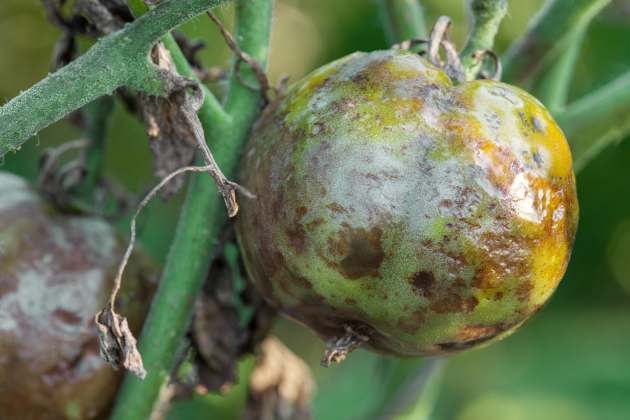
If even one infected plant appears in a planting, then very soon the first symptoms of brown spot will appear on all the other tomato bushes.
A humid and warm climate facilitates the rapid spread of conidia in garden crops. Therefore, if the summer is warm and rainy, tomato plants should be monitored especially closely. Temperature fluctuations can also trigger the release of the pathogen's spores. Optimal conditions for fungal growth include temperatures between 22-25°C and humidity of 80% or higher. It's worth noting that humidity levels above 70% inhibit fungal reproduction.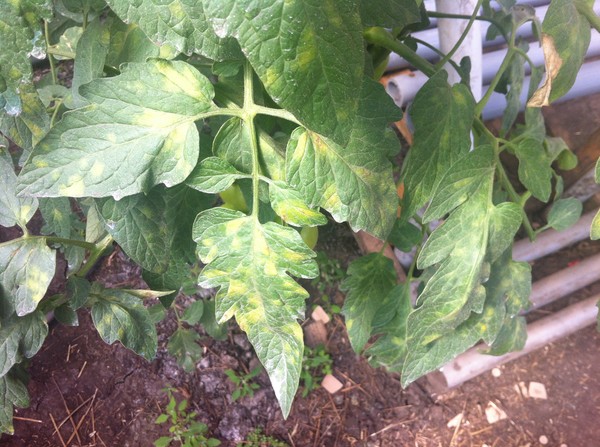
A visual inspection of the plants is sufficient to identify the pathogen. If you notice light gray and light green spots on the undersides and outer surfaces of the leaves, don't wait for them to turn brown or brown. You need to begin combating this disease immediately, otherwise, you'll have to say goodbye to this year's tomato harvest, and possibly next year's as well.
Video: "Brown Spot of Tomatoes"
In this video, an experienced gardener reveals the causes of this disease.
Prevention
Many gardeners often ask how to combat brown spot on tomatoes. To avoid this question, you can try to prevent the fungal infection. To avoid having to treat tomato plants with chemicals and losing crops due to Cladosporiosis, you need to take preventative measures. The best method for combating any vegetable disease is prevention. Preventative measures are much easier than treating a disease that has already gained momentum.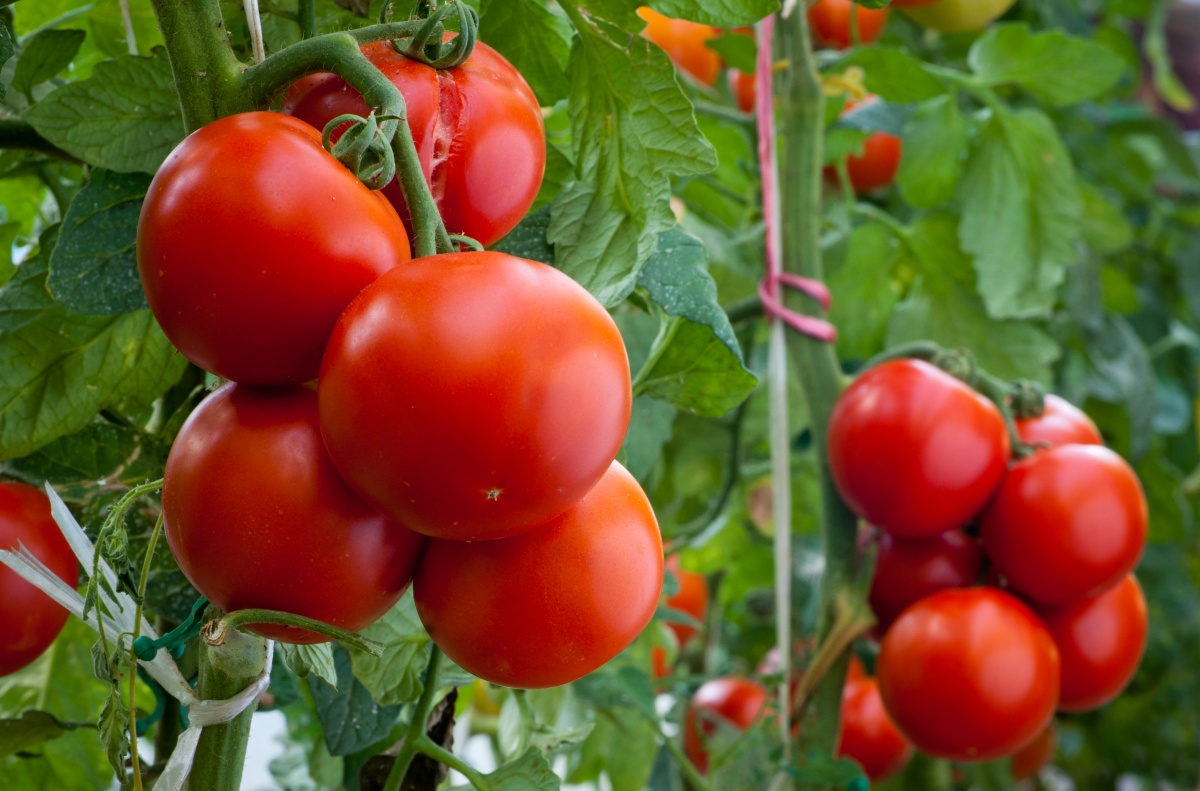
The simplest way to prevent plant infections by pathogens is to create unfavorable conditions for them. This means that to prevent the development of brown spot on tomatoes, avoid the following situations (especially in greenhouses and hotbeds):
- high humidity (90-95%);
- high temperature (25-28OWITH);
- Infection foci. These typically include last year's vegetable crop residues, infected soil, debris, and the greenhouse's wooden frame.
- In this regard, prevention of this disease should involve the following measures:
- After harvesting, it is imperative to remove all plant matter from the fields and burn it;
- observe crop rotation rules;
- remove leaves from infected plants and burn them immediately;
- In a greenhouse, to prevent an increase in air temperature and humidity, it is necessary to periodically ventilate it;
- treat the wooden frame of the structure with special solutions;
- When planting, maintain a distance between bushes. Avoid planting too closely together, as this makes it easier for the pathogen to spread from a diseased bush to a healthy one.
- Treat tomatoes with copper oxychloride. It can be replaced with a 1% solution of Bordeaux mixture;
- also the bushes can be treated with biologically active preparations: Fitosporin-M, Pseudobacterin-2 and Integral;
- carry out optimal watering that would not lead to excessive soil moisture.
Another interesting way to prevent brown spot is to plant tomato varieties that are resistant to this disease.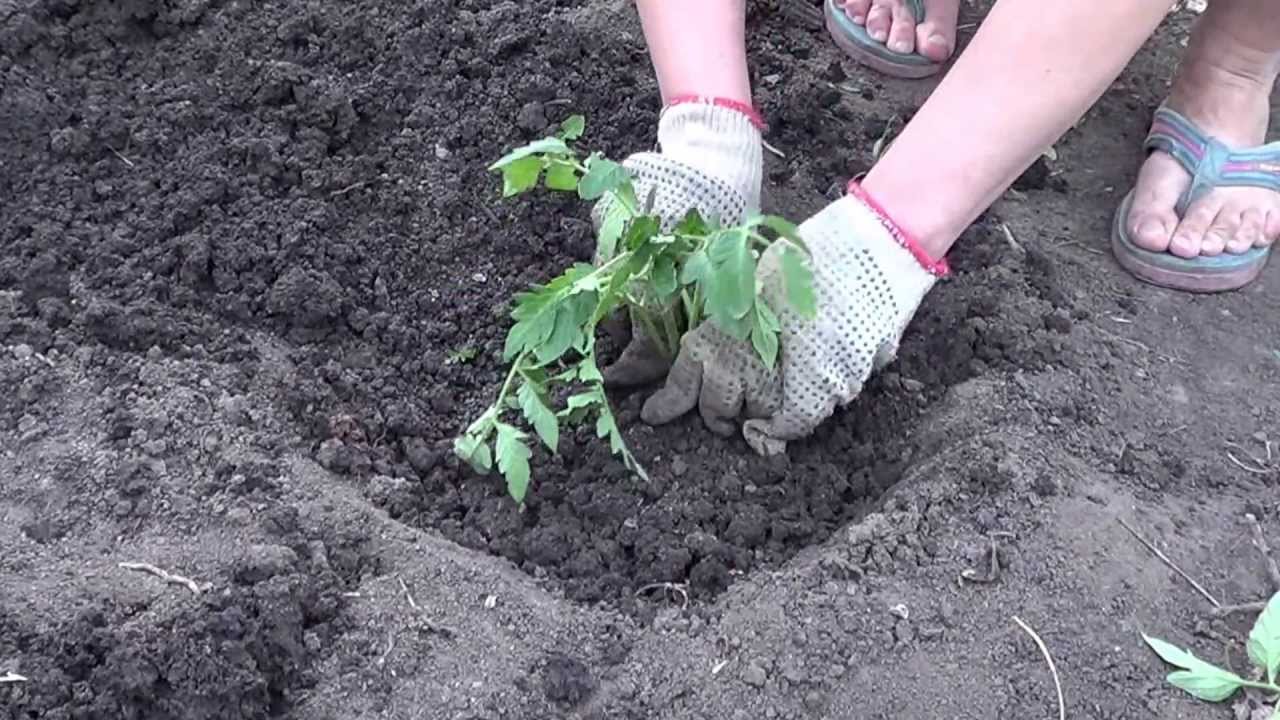
The preventative measures listed above should be taken when growing tomatoes in a greenhouse. This disease is not a problem for plants grown outdoors, but only if resistant varieties are grown. However, creating optimal conditions for conidia development outdoors is quite difficult.
Tomato varieties resistant to brown spot
To avoid worrying about protecting tomato crops from Cladosporiosis, experienced gardeners recommend planting varieties that have excellent resistance to this disease. The following tomato varieties currently have good resistance to brown spot:
- Our Masha F1. Considered the best variety, both in terms of fruit characteristics and resistance to cladosporiosis;
- Space Star F1. Here, preventative spraying of healthy plants with Gamair and Alirin-B is permitted;
- A delicacy. This variety produces pink fruit. Good resistance to this disease has been described;
- Vezha. A Belarusian variety that is resistant to cladosporiosis, meaning it remains disease-free for a long time. The fruits are similar to the Nasha Masha variety, but smaller.
- Funtik and Evpator. Both varieties have good resistance, but their fruit is not ideal for fresh consumption.
In addition to the varieties described above, the following are resistant to brown spot: Ispolin, Pink Paradise F1, Vitador F1, Lastochka F1, Pinky F1, Business Lady F1, Pink Magic F1, Paradise Uspeshchenie, Malika F1, Black Moor, and Cherry Mpa FI. Other varieties in this group include Admiralteysky, Red Cherry, Titanic F1, Ogorodnik, Red Comet F1, Space Star F1, Victoria F1, Torbay F1, Centaur F1, and Sprut F1.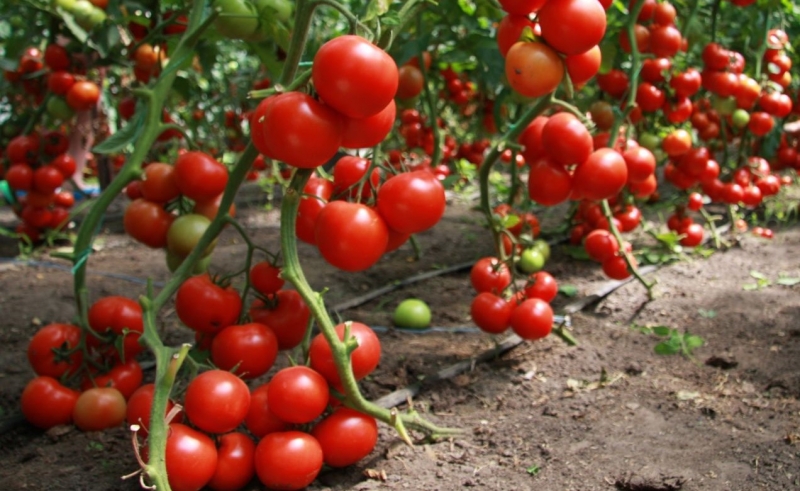
At the same time, breeders are working tirelessly to develop new varieties that will also have good resistance to this disease. By planting these varieties in your garden, either outdoors or in greenhouses, you can be sure of your crops' safety, at least from Cladosporiosis.
Methods of struggle
If preventative measures prove ineffective and your tomatoes do become infected with brown spot, you must begin treating the disease immediately. Brown spot treatment on tomatoes, depending on the stage of the disease, can lead to a reduction in the quantity and quality of the harvest, as well as the death of the tomato plants. Everything depends on when treatment begins. If treatment begins immediately after the discovery of light green spots, the chances of success are high. However, if brown spots are already present, the outcome is often negative. As we can see, the chances of success in this case are directly proportional to the stage of the disease.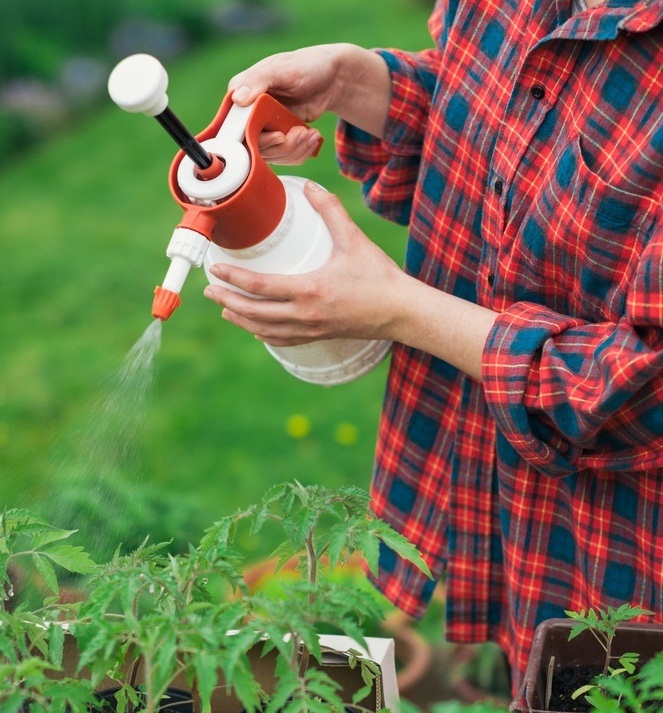
Cladosporiosis of any tomato plant can be treated in two ways (folk remedies and chemicals). However, a comprehensive approach to solving this problem is the best and most effective.
Treatment with folk remedies is considered ineffective. Therefore, it will only be effective in the early stages of Cladosporiosis. When the first symptoms of brown spot are detected and folk remedies are used to combat it, the following steps should be taken:
- Treat the soil and plants with iodine chloride. The solution should penetrate to a depth of about 10 cm. To prepare this solution, dissolve 30 g of potassium chloride in a bucket of water. Also add 40 drops of iodine.
- You can treat tomatoes with whey, which is recommended to be diluted with water beforehand. Pour one liter of whey into one bucket of water;
- Garlic tincture. Garlic tincture has also proven effective in combating brown spot. It's prepared as follows: add one clove of garlic or 500 g of garlic scapes to one bucket of water. Add 30 drops of iodine.
- Milk solution. To prepare it, you'll need 500 ml of milk, 5 liters of water, and 15 drops of iodine.
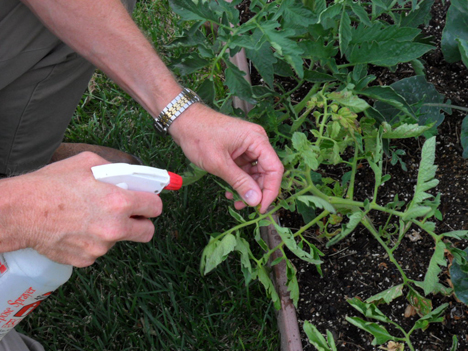
The above solutions can also be alternated with a light pink solution of potassium permanganate and an ash decoction. To prepare the decoction, boil 300 g of ash for 25 minutes and dilute it in 10 liters of water.
Some experts recommend adding liquid soap to the solutions to increase their effectiveness. It has been observed that healthy and strong plants grow where soapy water has been released into the soil.
If you're late in catching the problem and your tomatoes are severely damaged, only chemical treatments can help. However, you need to be very careful to prevent the crop from absorbing all the chemicals and causing serious health problems for anyone who eats them. To avoid poisoning, tomatoes from chemically treated plants should not be eaten for at least three weeks. Only then can they be eaten without risk of harm.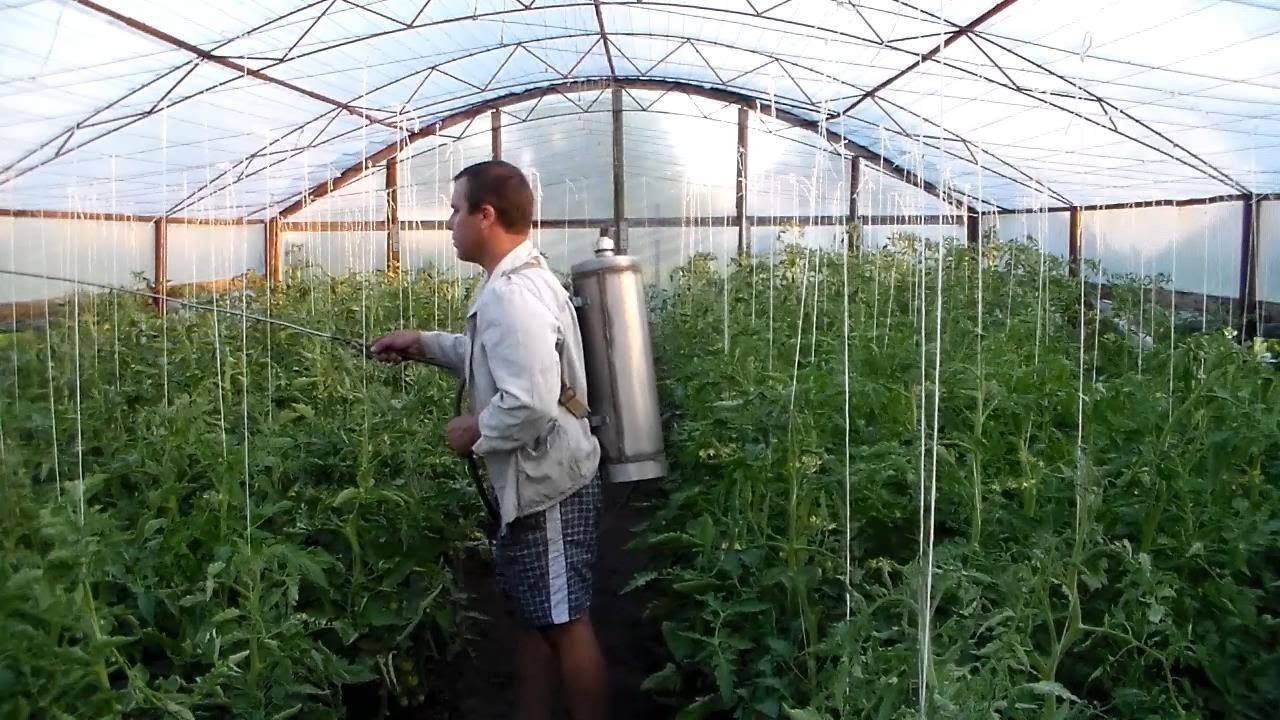
Affected bushes should be treated with broad-spectrum fungicides. These include:
- Ditan NeoTek 75;
- Bravo;
- Abiga Peak;
- Poliram;
- HOM;
- copper oxychloride.
Remember to prepare the treatment solution strictly according to the instructions. These are always included in the product's packaging or printed on the back. Tomatoes should be sprayed with fungicides again at two-week intervals.
To combat brown spot, you can also use a solution made from colloidal sulfur (3 tablespoons of the dry solution). Mix it with 1 tablespoon of copper sulfate and 3 tablespoons of polycarbacin. Dilute the resulting mixture in 10 liters of water. Then, add 2 tablespoons of liquid soap to the solution.
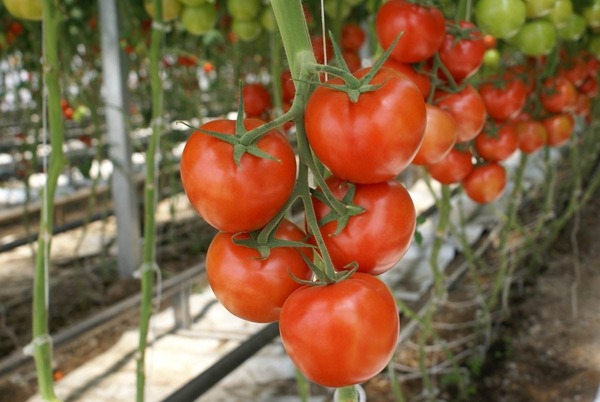
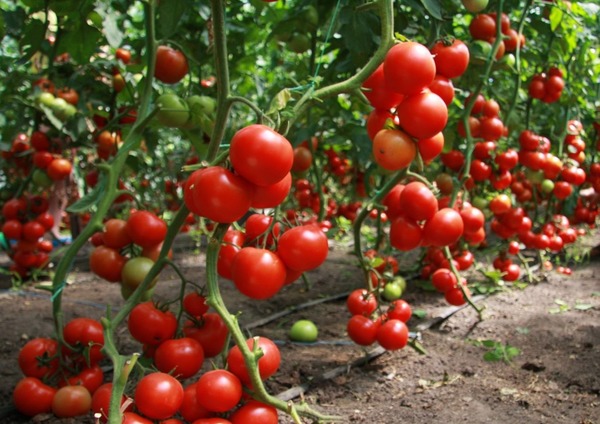
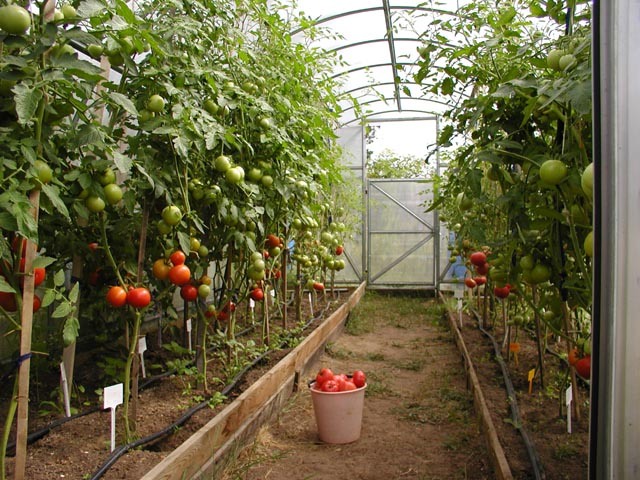
Cladosporiosis is a fairly serious disease of tomatoes, which can not only reduce yields (by approximately 50%) but also completely destroy crops. Therefore, preventative measures are recommended to combat brown spot. If the disease does affect tomatoes, treatment should be started immediately, before the disease becomes active. This will help preserve both the harvest and the crops.
Video: Cladosporiosis on Tomatoes
The video shows methods for treating brown spot on tomatoes.