
Effective measures to combat blossom-end rot of tomatoes
Content
Signs and causes of the disease
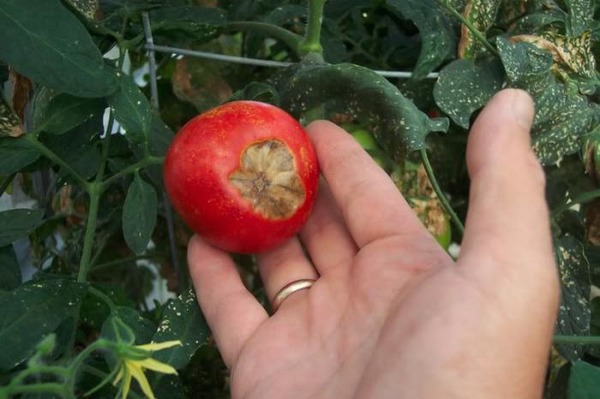
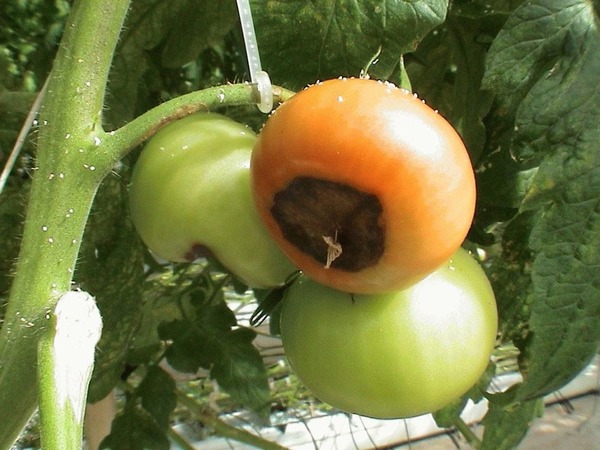
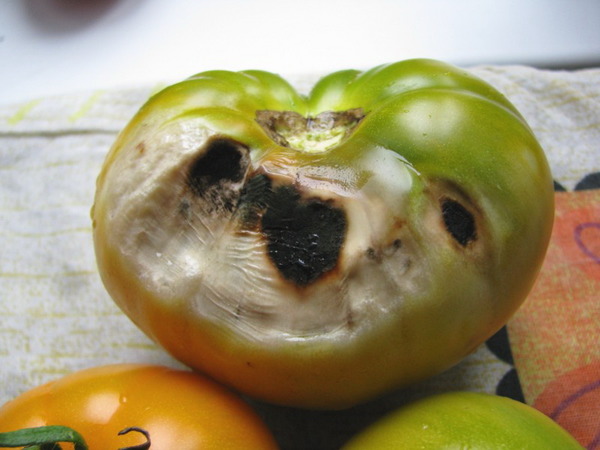
As we mentioned above, this isn't an infectious disease. So don't panic; tackle the disease gradually. It only affects unripe or green tomatoes. The main symptom is the formation of spots on the top. Just remember that the top is not the place where the stem attaches, but the "bottom" of the tomato. The spots can be sunken or flat. At the very beginning of the disease, they turn light green and watery, and over time, they turn brown. The tissue under the skin softens and becomes infected. Tomatoes fall to the ground unripe and produce very poor-quality seeds.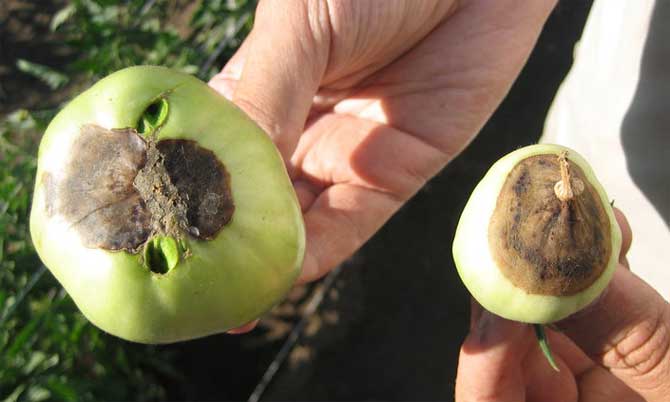
Where rot has developed, various sapphorite fungi can take hold. This produces a mass of spores, causing the diseased tissue to turn completely black. This is why many believe this disease is caused by fungi.
High temperatures and lack of moisture. This is the main reason. When it's hot, moisture is lost from the leaves, and the roots don't have time to replenish the above-ground part of the plant. Another cause is a sudden change in weather. Let's say June was rainy, and July feels like Africa—then you can be prepared for blossom-end rot to almost certainly appear. This causes water from the fruit to start leaking into the leaves, which causes some of the fruit to die.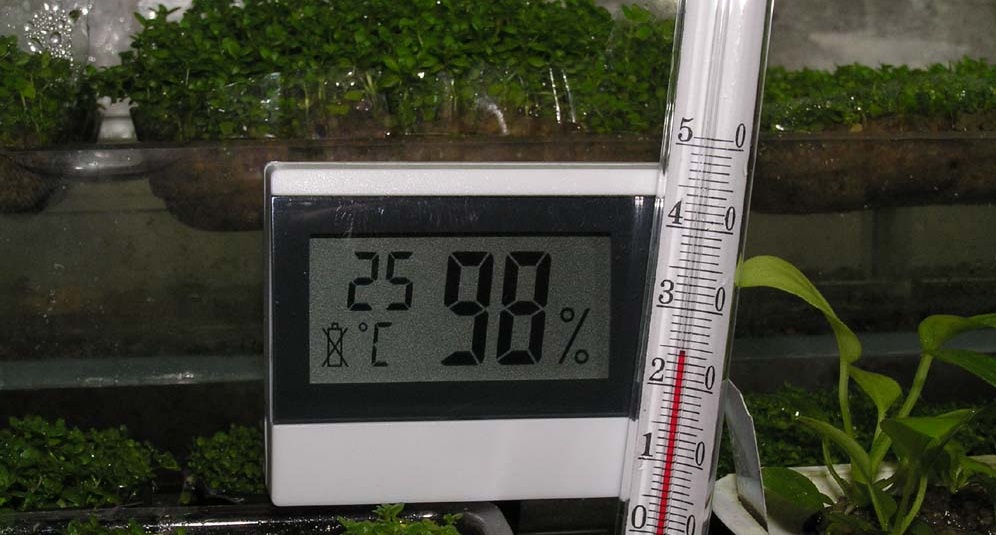
Tomatoes, of course, don't like water, but drought is very harmful to them. We all know that calcium enters tomatoes only through the plant's water-conducting tissues. Therefore, this problem gives rise to the next one. To ensure proper irrigation, the irrigation system should have a flow rate of 2 liters/m²/hour, and the distance between tomatoes should be about half a meter. This may prevent blossom-end rot of tomatoes in a greenhouse. It's also important to remember that tomatoes must be watered regularly. Avoid overwatering, as excess water can create the risk of rot due to the increased pressure causing the tomato walls to rupture.
Air humidity is also very important here, because the leaves and fruits compete for life-giving moisture. If the leaves win, you can see blossom-end rot developing at an incredible rate. Therefore, it's helpful to open the greenhouse at night, as humid air, cool temperatures, and low light reduce transpiration, thereby increasing the availability of water and calcium to the fruits.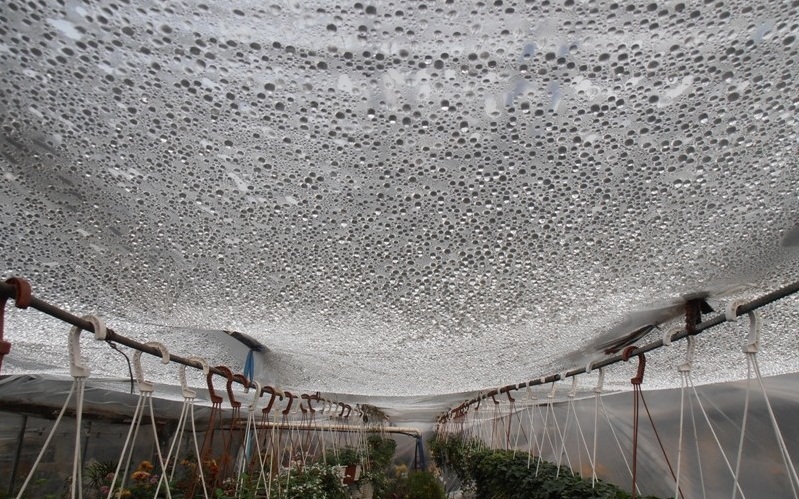
Insufficient or excessive calcium in the soil. In such soil, the incidence of top rot increases. Therefore, it's important to maintain the mineral balance in the soil. In summer, due to the heat, many tomatoes draw calcium from the fruit to the leaves, as there are so many of them. This can be one of the causes of top rot. This most often occurs with early-ripening tomatoes, but other hybrids are not immune to this problem.
The balance between fruit and leaf production. As we mentioned earlier, they compete, and very fiercely. Therefore, it's crucial to create conditions that prevent tomato leaves from multiplying faster than the fruit. If the tomato plant's load fluctuates rapidly, the increased evaporation area causes calcium to reach the leaves rather than the fruit. This is why farmers remove side shoots from their tomatoes. However, if your tomato plants are growing poorly, don't remove any of the trusses until August. Then you'll see stunning results!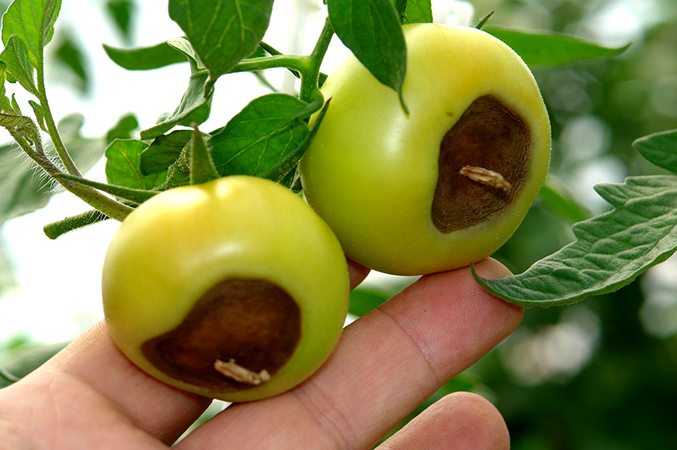
Soil salinity is also a serious problem. Salts impede water flow, preventing blood vessels from distributing nutrients throughout the plant. Magnesium and potassium increase salinity. They also directly compete with calcium and boron. Therefore, monitoring their levels is essential! Because of this, nitrogen fertilizers cause the "top" to become larger, while nitrate fertilizers cause it to shrink. Therefore, you should be very careful when choosing your tomato fertilizer. For example, they appreciate phosphorus, as it stimulates calcium absorption. However, phosphate plus calcium will only strengthen the "top," even though it contains calcium. This is all because of the phosphate. Chlorides have a positive effect on tomatoes. During the growing season, watering with a calcium nitrate solution can be a preventative measure. Complex fertilizers should also be used, but make sure that the calcium content makes up about a quarter of the total fertilizer. Then this will protect you from "rotten stuff".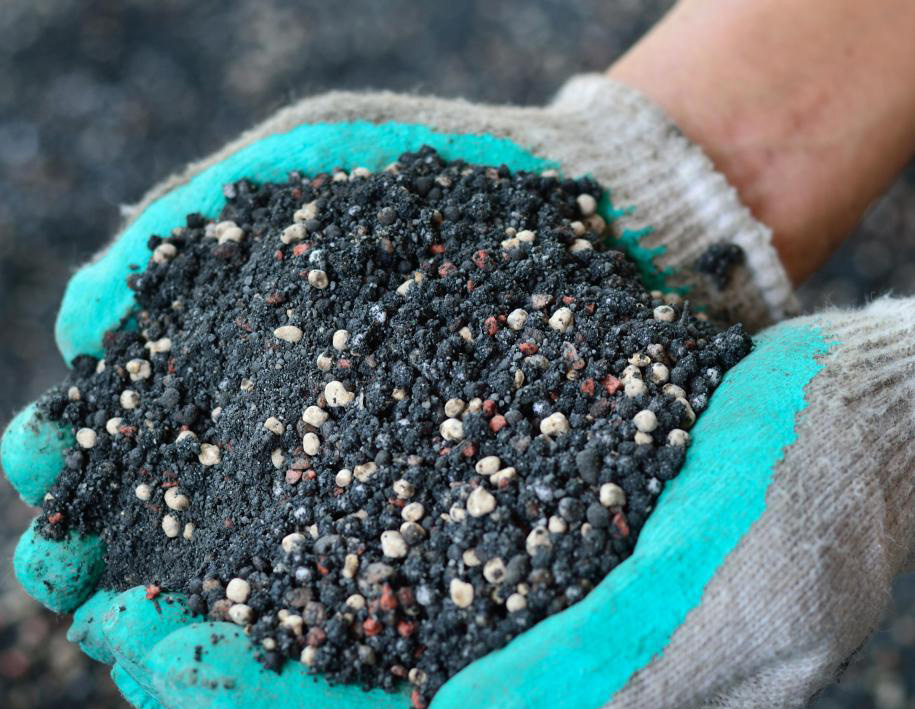
Genetic factors. Yes, this plays a role too. Tomatoes with large fruits are most often affected, as their cells multiply too quickly, preventing the plant's vascular system from transporting nutrients to the upper tissues. Therefore, if you choose hybrid varieties, choose wisely.
Video: What is blossom-end rot in tomatoes?
From this video you will learn about the signs of this disease.
Methods of control and treatment of blossom-end rot
The methods of control will be dictated by the reason for which the rot actually arose.
To prevent rot, it's essential to regulate the water supply and fertilize the plants on time. We also need to water regularly to prevent the soil from drying out or overheating. We use sprays with specialized preparations.
If the plant is deficient in calcium, you need to treat it with products that contain calcium and boron in addition to the essential elements. Providing calcium to the tomato will slow down the boron deficiency. A deficiency can lead to very bad things: plants grow poorly. The growing tip dies off, and the roots also stop growing. Using boron and calcium together will produce stunning results, as they enhance each other's effects!
Brexil Ca is a product containing 15% calcium and 0.5% boron. It contains no nitrogen, and the calcium is in the form of lingosul phosphate. This allows us to water the plants for excellent results when fertilizing. On average, we'll need 2 teaspoons and a bucket of water. Tomatoes should be treated every 1.5 weeks.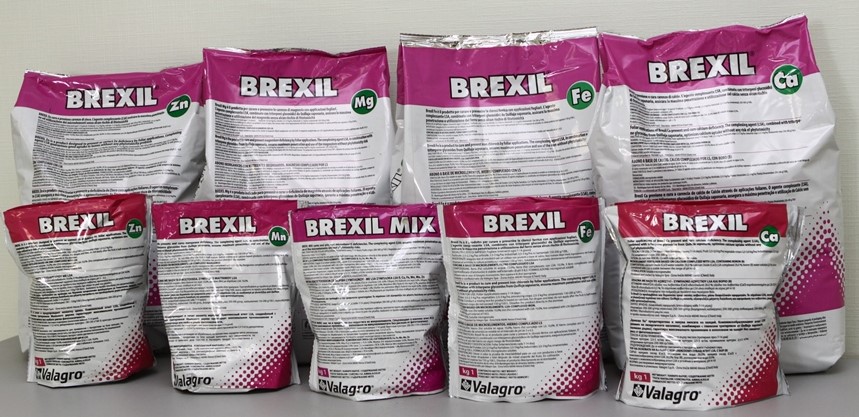
Liming is a necessary measure when there's a calcium deficiency in the soil. However, it should be done after harvest.
In addition, stress (cold, rain, sleet, drought) and human impacts (root damage, chemicals) affect yield. A weakened plant will be unable to absorb essential nutrients, and its growth will stall.
You can fight it with certain medications or folk methods.
Megafol is a product containing amino acids, prohormonal compounds, and polysaccharides. It stimulates metabolism and accelerates the absorption of nutrients. Amino acids help deliver nutrients to all cells and also increase chlorophyll synthesis. Tomatoes are sprayed with it two weeks after transplanting, and then twice a month.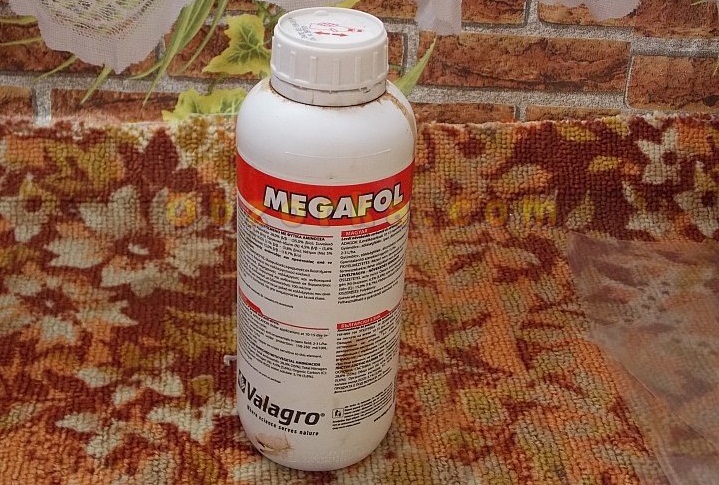
Gufimild is a humic acid-based antidepressant. Almost the entire product is a blend of various biologically active substances. Its effect is enhanced at critical temperatures. It will have a beneficial effect on plants even when watered.
SVIT is used in conjunction with Humifild to promote faster ripening and larger fruit size. It also helps increase the accumulation of sugars and vitamin C in the fruit tissue. However, tomatoes should be treated before they begin to develop their color. This will help increase yields in dry or cold weather!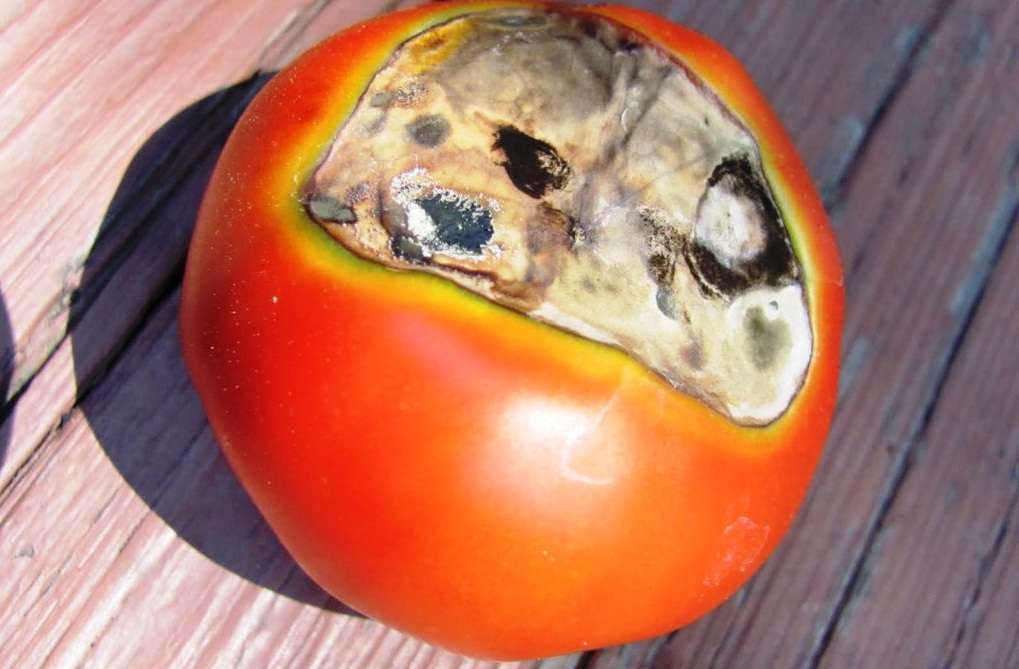
When rot appears, there's no choice but to accept it for a while. Blossom-end rot of tomatoes doesn't like hasty control measures. If you run around the garden shouting, "Help! The tomatoes are dying!" and irrigating the beds with whatever is needed and whatever isn't, you'll only create imbalance in your garden. Therefore, when deciding how to combat it, weigh the pros and cons. After all, treating this disease is almost no different from preventing it—remove the diseased parts and water the healthy parts. Therefore, first understand why your tomatoes are sick, the underlying cause, and only then decide what to do. And if you've already decided to fight it, do it gradually; don't rush into things!
Disease prevention
The methods of control should be simple. Basically, it's prevention.
Regular watering. By now, you should have realized that both overwatering and drought are clearly not beneficial.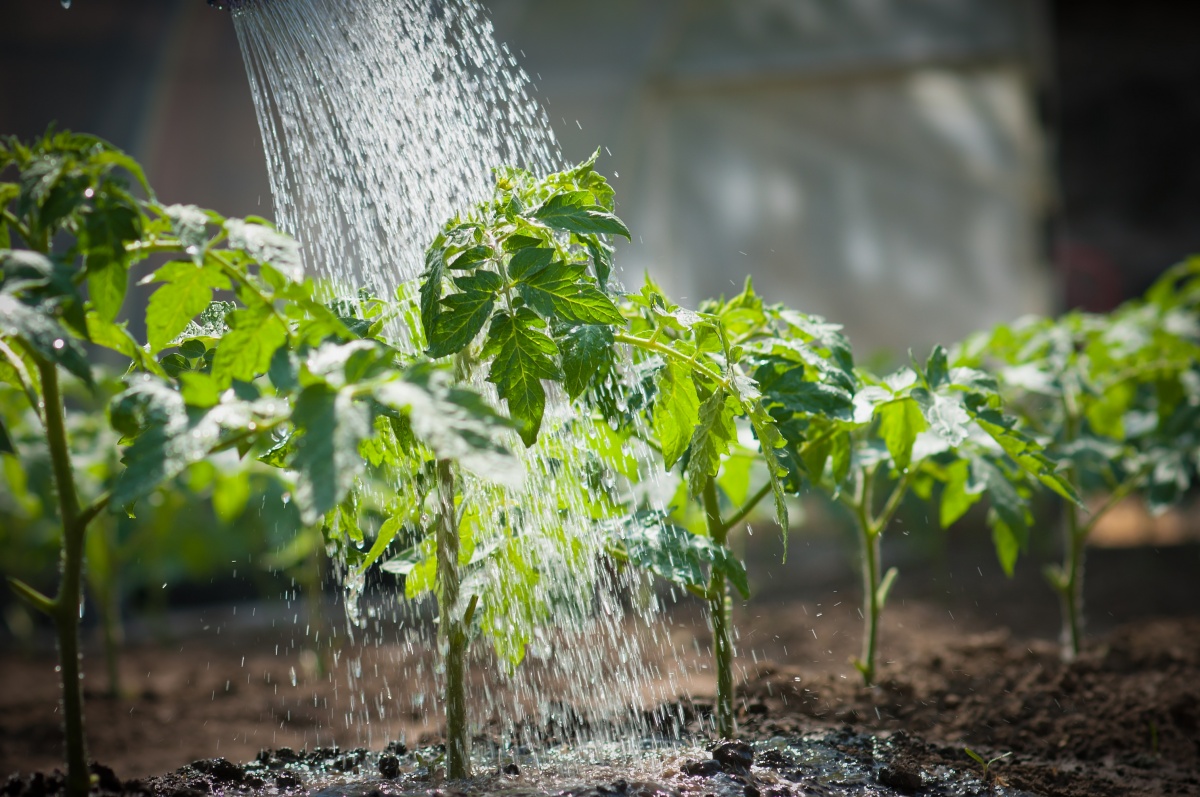
Apply fertilizer in optimal doses – inadequate fertilizer can introduce other diseases, unnecessary micronutrients, or pests into the plant. Don't scatter fertilizer by the bucketful, whether it's needed or not.
Preventing soil salinization. Salty soil means no water. No water means no harvest. We described why this happens above.
Spraying with calcium-containing fertilizers, if the plant is not fertilized with calcium, then all the calcium obtained from the bare soil will go to the leaves, and nothing will be left for the fruits.
It's important to maintain a certain humidity level in the greenhouse. Too little humidity will prevent calcium from being retained inside the tomato plant, which will lead to rot. Too much humidity itself will promote rot and fungi.Avoid sudden temperature changes, otherwise your tomatoes will simply die. Literally. Avoid putting too much weight on the fruit. The closer the fruit is to the ground, the more likely it is to pick up something nasty and start rotting or getting sick. At worst, it will be blossom-end rot.
Optimal root pressure. Because the roots support this entire "living machine," they need to be comfortable. Otherwise, a change in pressure will reduce calcium supply, weaken the roots, and that's it—the future harvest is ruined!
Maintaining an optimal pH. In one case, there will be too little calcium, in another too much. Neither situation is considered normal. Removing affected fruit. This is as clear as day—no affected fruit means no disease carriers. Maintaining a balance between potassium and calcium. Tomatoes cannot thrive without both of these nutrients, but if their balance is disrupted, they will rapidly become diseased.
Video: "Prevention and Treatment of Tomato Disease"
This video will show you how to combat blossom-end rot in tomatoes and how to take preventative measures in the future.