
How to combat late blight on tomatoes using folk remedies
Content
What is late blight?
First of all, gardeners should know what late blight is and how it affects tomatoes. Late blight is a fungal disease that primarily affects cultivated plants. Fungal spores are most often found in the soil, where they overwinter annually. Late blight begins to develop after vegetables or other plants are planted in the infested area.
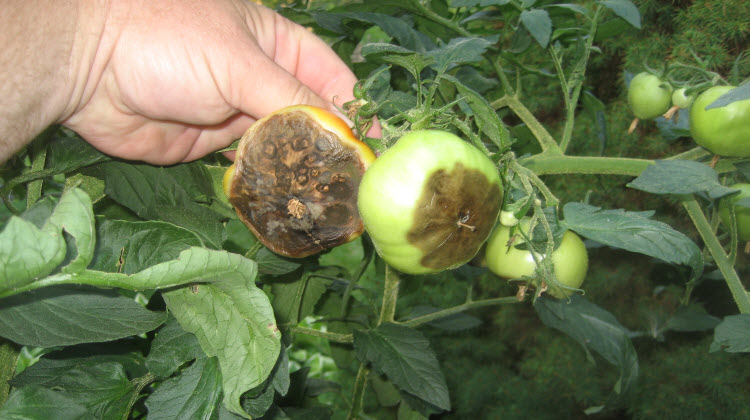
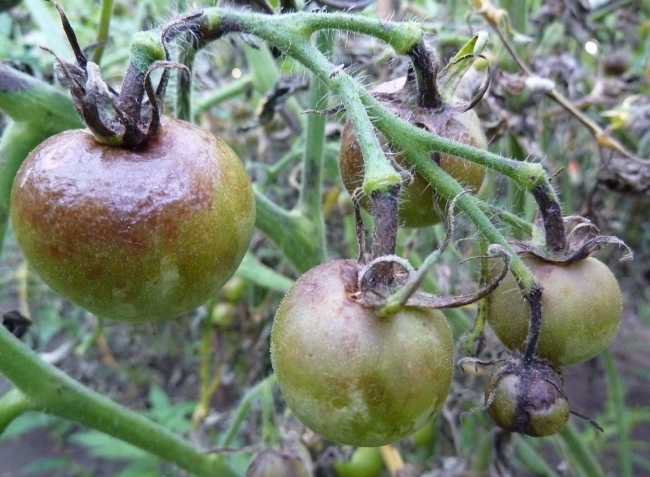
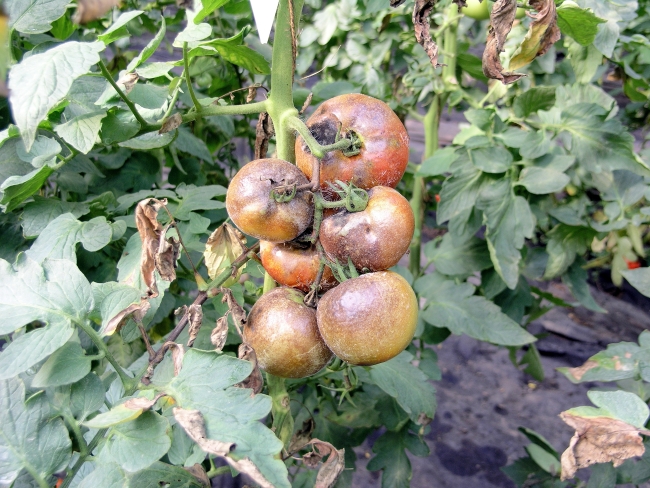
The fungus also often lives in potato tubers, and signs of activity begin to appear during spring planting. The first spores can infect potatoes, and the following season, they can spread to tomato fruits and stems. If tomato seedlings are susceptible to late blight, treatment will be necessary as soon as possible.
The first signs of the disease appear on the foliage of seedlings. Characteristic brown spots form on them, gradually spreading to the stems and the fruit themselves. The spots can vary in color, size, and even shape. Before signs of late blight appear on the affected area, the plant begins to develop a white coating. The coating resembles frost.
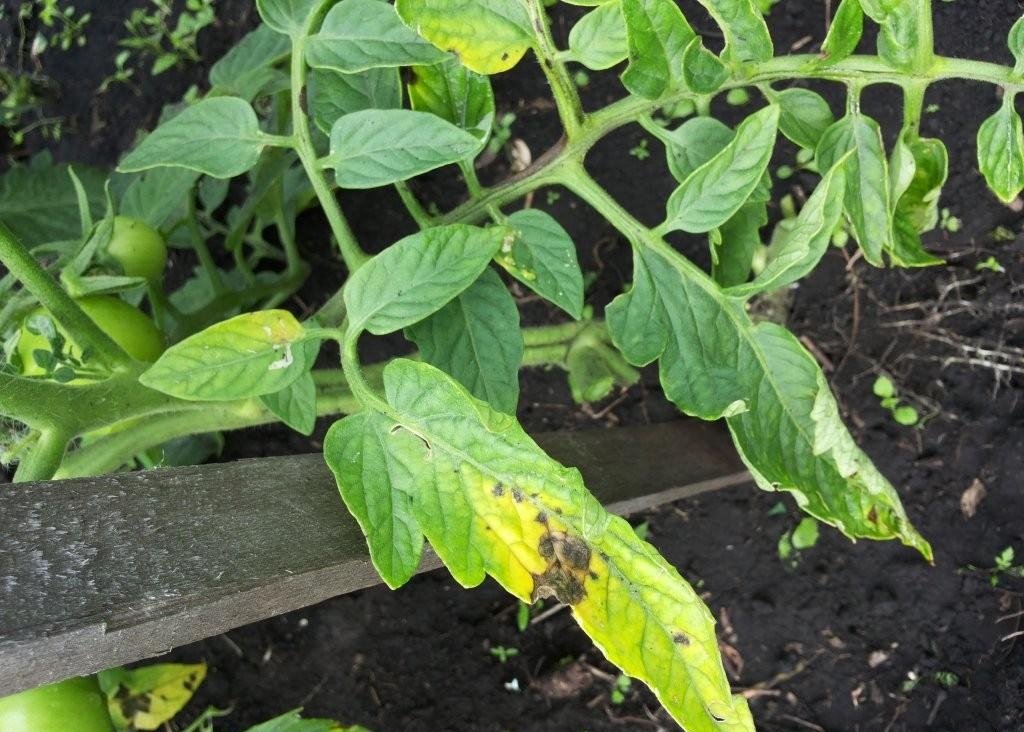
The fruits themselves can also become infected through the stem. Initially, they remain clean, but then, during storage, brown spots gradually begin to appear.
Late blight is very dangerous and can destroy the entire seasonal tomato crop if the seedlings are not protected. Vegetable bushes can die within a few days, so it is essential to begin treating them.
How to prevent
There are several methods for preventing late blight. First, consider weather conditions. Tomatoes prefer dry weather, and high humidity and cold snaps can easily trigger the disease. Infection usually begins on the lower leaves, where the most moisture accumulates.
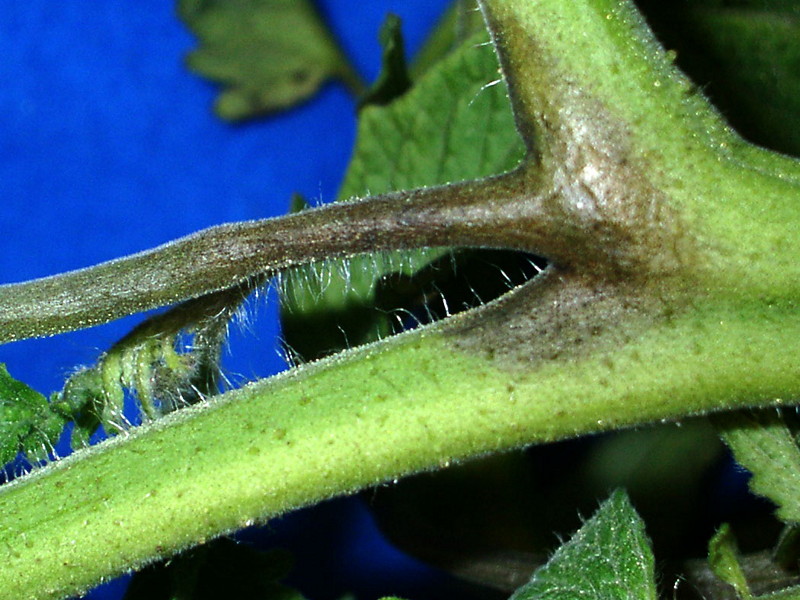
You'll need to check the lower part of the bush stems more frequently for darkened areas. If darkening appears on the seedlings, remove the leaves and temporarily withhold watering. It's also important to regularly remove excess foliage and side shoots. Remove dried and yellowing shoots, and then provide ventilation to allow the green part and soil to dry out.
To prevent disease, you can cover tomato plants with plastic wrap at night. This will protect the seedlings from morning dew. It's best to position the plastic wrap so that it covers the top of the plants and doesn't reach the ground on the sides. This will provide protection from moisture while maintaining ventilation.
As a preventative measure, gardeners can use mulching. This involves adding rotted organic matter to the soil. Mulching the soil under tomato plants can also increase yields. To protect seedlings from late blight, you can plant beds of corn, beans, or peas around the perimeter.
One of the main methods of disease control is treating plants with various chemicals. Tomato spray mixtures are available at specialty stores.
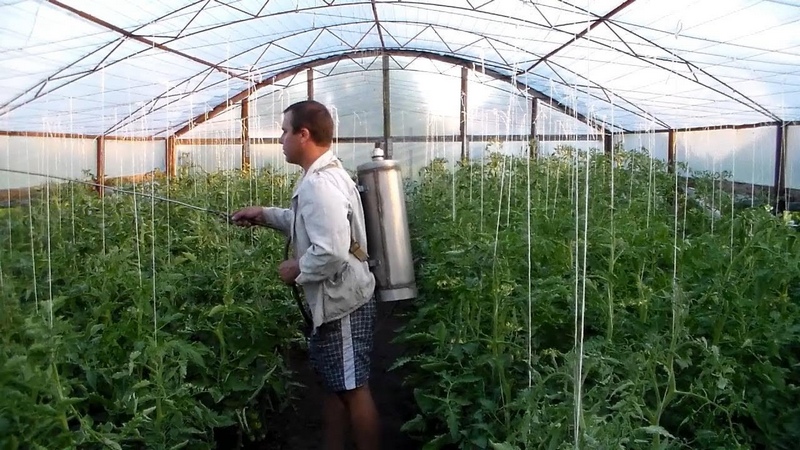
For prevention, you can spray seedlings with biological products containing active ingredients. The most commonly used are Fitosporin and Trichodermin. Since they contain special components that suppress the spread of late blight, you won't have to deal with the disease in the future.
As soon as brown or black spots appear on the ripening fruits, they must be immediately picked and taken outside the area.
Video: "Several Folk Methods for Combating Late Blight"
Learn how to successfully combat late blight with folk remedies and methods for preventing this tomato disease.
Folk methods of struggle
To treat tomato seedlings against late blight, you can use several folk remedies. Some recipes have gained particular popularity due to their ease of preparation and effective results.
One remedy is milk and garlic. Prepare a garlic infusion using about 200 grams of garlic (you can substitute onions) and steep it in a bucket of water. It's best to crush the garlic to release its enzymes more quickly. Then strain the solution and spray it all over the plant. If desired, you can add a little iodine to the solution. Repeat the spraying process no sooner than after two weeks.
Milk solution
To prepare this solution, you'll need to dilute milk in water—100 grams per liter of water is sufficient. Then, spray the tomatoes evenly. Since lactic acid bacteria prevent the development of late blight, you can substitute kefir for the milk.
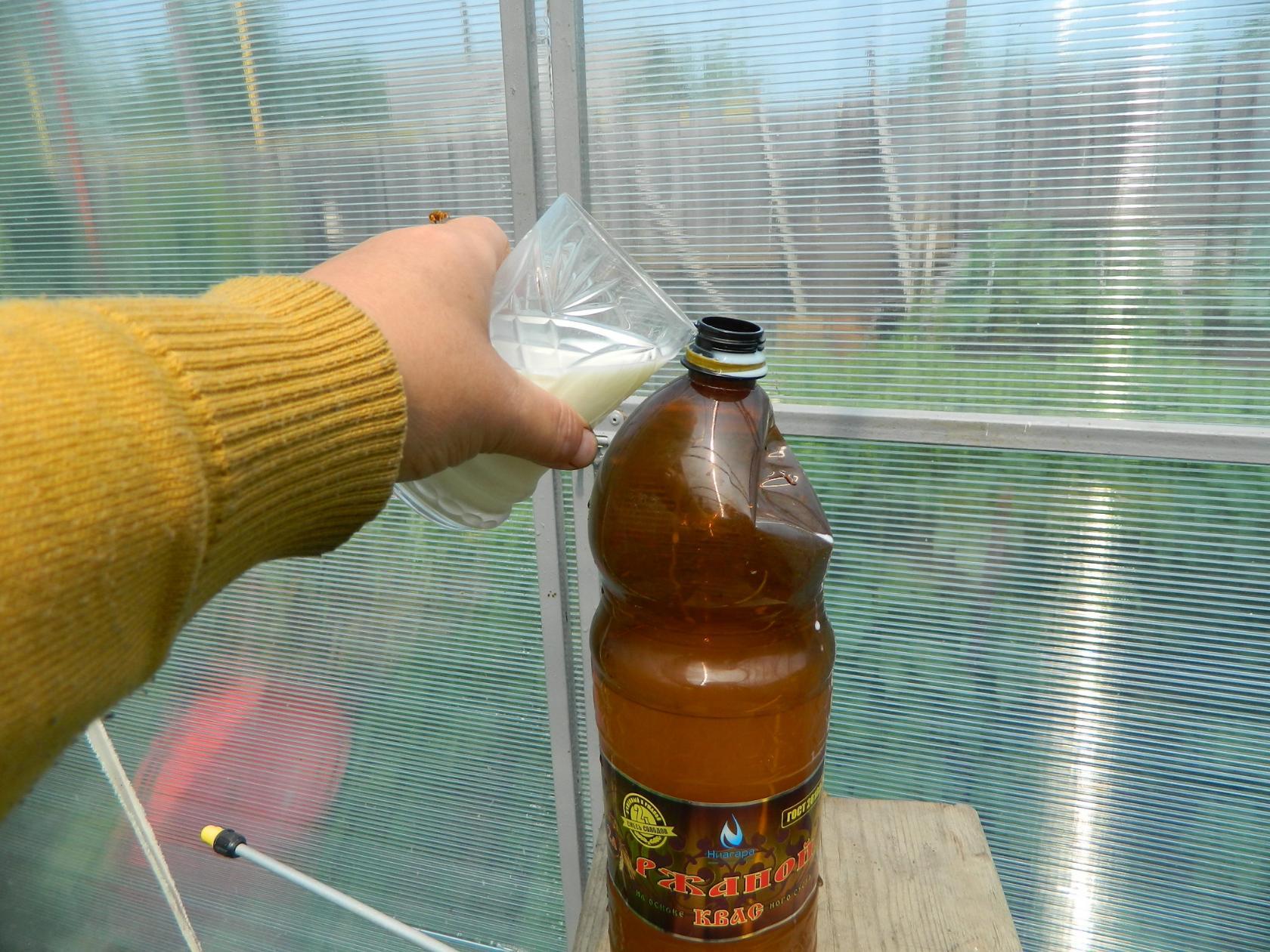
You can also add iodine to the solution. Adding 5-6 drops of iodine will enhance the effect. This solution is primarily intended for treating late blight, but it also fertilizes the soil. It is recommended to repeat the spraying after 10-14 days.
Brine
A very simple recipe: dilute about a cup of table salt in one bucket of water. This solution treats tomatoes against a variety of diseases, not just late blight. When the solution dries, a protective film forms on the surface of the foliage, stems, and fruit. Water the plants only at the roots, and repeat the process after rainfall.
Copper sulfate
Simply add about 2 tablespoons of copper sulfate and a couple drops of iodine to one bucket of water. Apply the solution to each tomato plant once.
In general, iodine can be added to almost all plant treatment mixtures, as in small doses it can have a disinfecting effect without harming organic matter. Avoid adding large doses of iodine, as high concentrations can burn tissue.
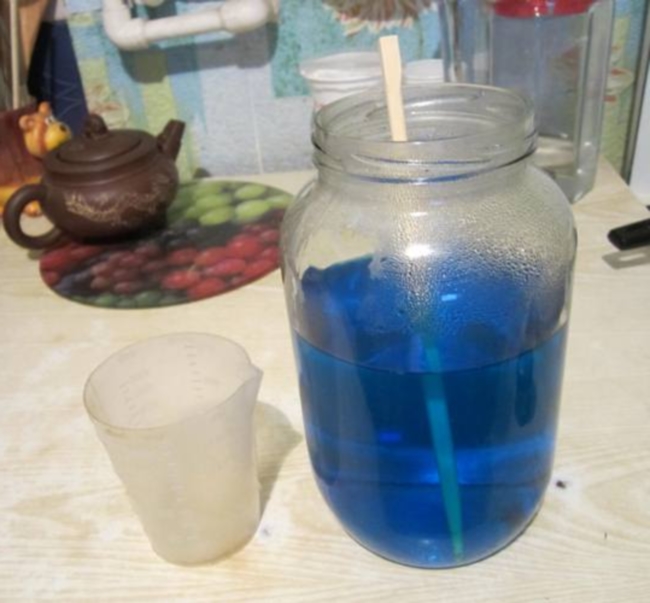
If the above remedies fail to combat fungal growths on tomatoes, more concentrated chemicals will be needed, which are available at specialty stores. It's best to consult with the vendor beforehand regarding the appropriate dosage for a particular variety, as well as the current signs of late blight.
If you treat tomato seedlings with the above-mentioned folk remedies promptly, the treatment for late blight should be successful. It's important to remember that rain can completely wash away the treatments, so a repeat treatment will be necessary. If preventative measures fail this season, it's advisable to try a different approach next season.
Using the same treatment year after year significantly reduces its effectiveness. Therefore, it is recommended to periodically change medications and treatments.
After you've successfully treated the seedlings for late blight, you need to treat the area. Spray the soil with Trichodermin and Fitosporin, which should eliminate any remaining fungal spores in the soil. This precaution will help prevent a possible recurrence of the disease next season.
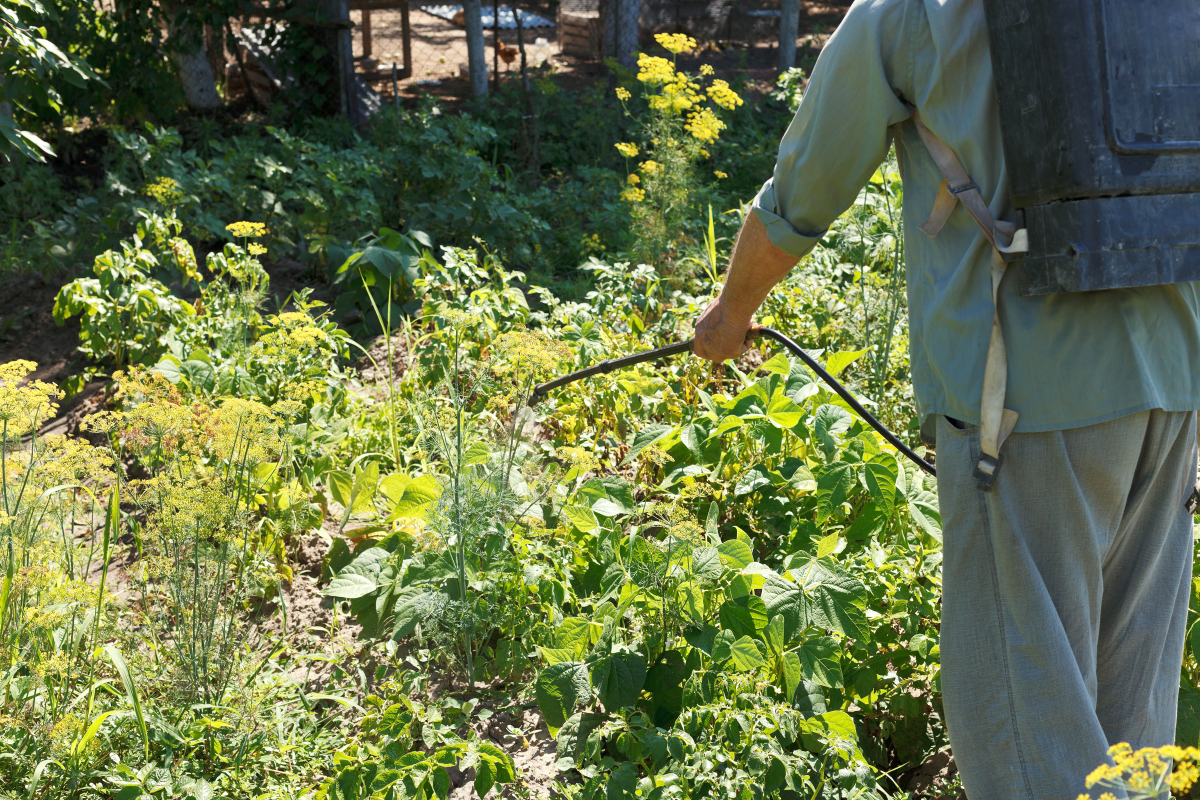
If your garden is hit by a widespread disease of vegetable crops, all the bushes will need to be burned and the soil sprayed with a fungicide. This control method is very effective if done correctly, leaving no corners of the garden untreated.
Carefully inspect the tomatoes when harvesting the ripened crop. If the tomatoes show typical signs of late blight, it's best to discard them to prevent the entire crop from spoiling during storage. Before canning, be sure to thoroughly wash the tomatoes and inspect them again.
Video: "How to Spray Tomatoes to Prevent Blight"
This video will teach you how to prepare simple solutions to combat late blight on tomatoes.