
How to combat late blight on tomatoes
Content
The danger of late blight
The disease's name comes from the pathogen Phytophthora infestans, meaning "plant killer." The disease lives up to its name—it kills tomatoes from the inside, and if treatment isn't started promptly, the consequences will be dire, as it will use every means available to destroy tomatoes. However, it infects not only tomatoes but also other vegetables from the nightshade family, and can also harm eggplants and even potatoes. Therefore, it's best not to plant these plants near each other. Otherwise, treatment will be astronomically expensive.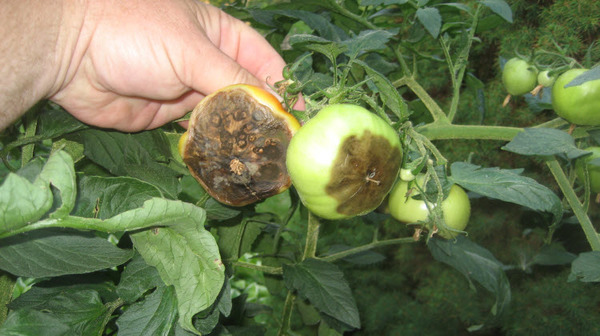
Causes of the disease
Late blight thrives where there's not enough air. If tomato rows are densely planted, no treatment will help. Therefore, it's best to prune out all tomato plants, especially indeterminate ones.
It also often appears in protected soil, under plastic film, because sudden temperature changes cause condensation to form underneath. The spores float to the tomato seedlings, burrow in, and do their work. In these cases, even treatment is often ineffective.
The very first signs of late blight can be seen on potatoes, and on tomatoes a week or two later. This is because the pathogen has been present in potatoes, and at the first opportunity, the disease will manifest itself in potatoes, and then spread to tomatoes.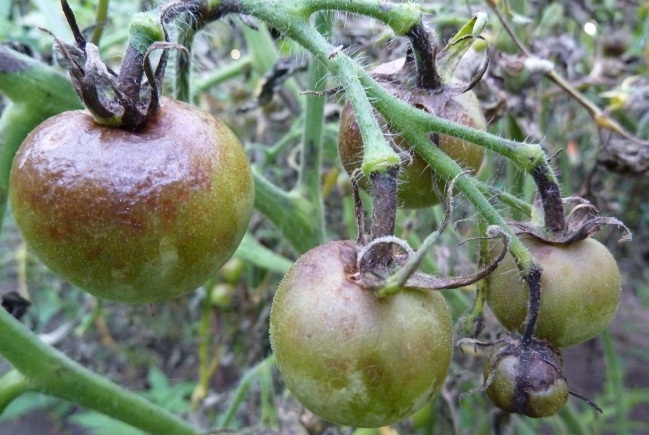
Bad weather will also help it develop. During the rainy season, tomatoes require greenhouse conditions, so if you see prolonged rain after a long drought, consider building at least a makeshift greenhouse for the time being; it will be cheaper than treating tomatoes and potatoes.
Late blight can also occur due to improper temperature control for tomatoes. This is especially common in late summer, when the days are still hot and the nights are already cold.
Video: How to Fight Tomato Blight
From the video you will learn what to do if this disease is noticed in your garden.
Signs
As we have already said, late blight is not the main cause of black tomatoes.
If the blackened spots spread throughout the tomato plant and the flesh is tough, it means it has blossom-end rot. This is caused by soil salinity (which can be caused by excessive amounts of fertilizer). The solution is simple: stop fertilizing. You've given the plant more protection than it needs; there's no need to use any additional products; just water the tomato.
Tomatoes can also turn black due to a lack of fertilizer. This is most often due to a lack of magnesium or boron. Fertilizing should be done in two stages: add a small amount of magnesium sulfate, then add boric acid. If the blackening persists, late blight is the culprit.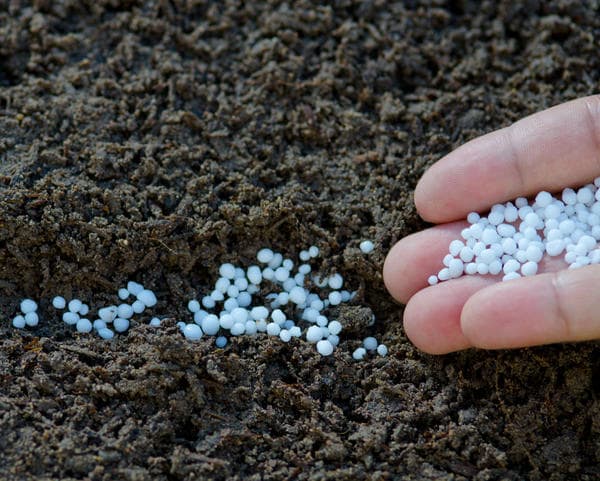
Tomatoes can turn black due to dry soil and root bleaching, which is caused by them having to struggle to get moisture from the air. The air has no special protection against harmful impurities.
If a tomato does become infected, it will be very difficult to recover from it. The fungus could have spread in a variety of ways—from neighboring crops, via spores, or simply happened to be in the right place at the right time. If you see that not only the fruit but the entire tomato is turning black, it's almost certainly late blight.
All above-ground parts of the plant are affected, but green fruits are particularly vulnerable. Small brown spots first appear on the surface, scattered along the edges of the leaf blade. In high humidity, a white coating may develop. The leaves begin to turn yellow and dry out. The disease then spreads to the fruit, where various spots appear. The rot progresses and spreads into the fruit.
Methods of struggle
Treatment should be carried out only in dry weather. The number of treatments depends entirely on the weather. If the summer is rainy, you'll need to spray the plants as often as possible. There are both traditional methods and ready-made products available.
Garlic tincture with potassium permanganate
Grind 200 grams of garlic in a meat grinder. Dilute with a bucket of water and add 2 grams of potassium permanganate. Garlic kills fungal spores. Spray the plant first before fruit set, then spray again after 1.5 weeks.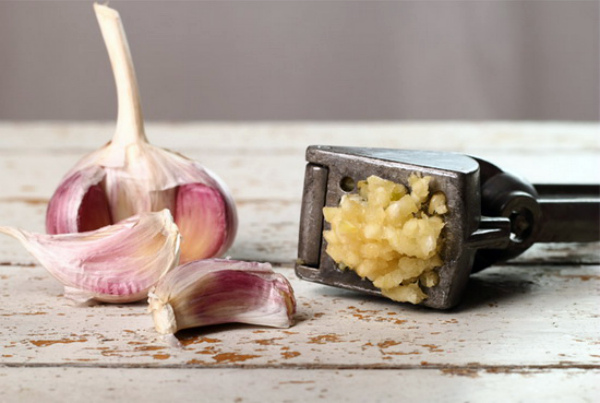
Fermented milk products
Phytophthora fungi simply can't cope with more powerful fungi and die. Dissolve 200 grams of milk in 2 liters of water and add a little iodine.
Yeast
Dissolve 50 grams of yeast in 5 liters of water. Water at the first signs of late blight.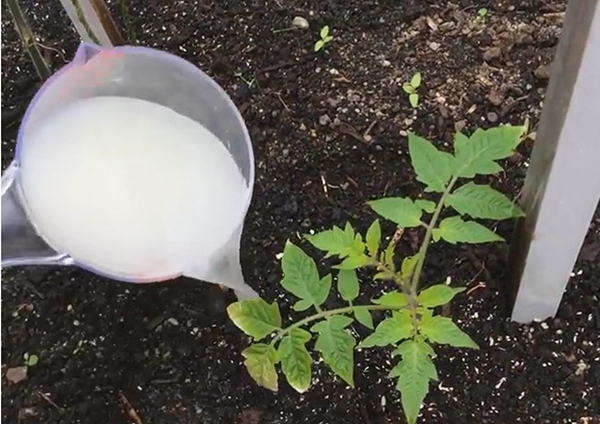
Salt
Dissolve half a cup of salt in 5 liters of water and spray the bush. However, before spraying, remove any damaged leaves and fruits. Otherwise, the protection will not be fully effective.
Calcium chloride
If you see severely affected tomato plants, remove and burn the affected foliage and spray the fruit with a 1% calcium chloride solution. It's important to thoroughly spray the stems with this solution, as this is where late blight enters the tomato plant.
Prevention
The best defense is prevention. So, we'll tell you what the best protective measures are.
Potatoes are the first crop to be affected by the disease. Therefore, it's important to monitor them especially closely, as they will spread late blight throughout the garden. Late blight most often appears on the foliage located at the base of the potato stem. Hilling can be used to keep the tubers away from the soil surface. Additionally, creating barriers between tomatoes and potatoes will help prevent the disease from spreading to the tomatoes. These measures will help prevent the spread of late blight.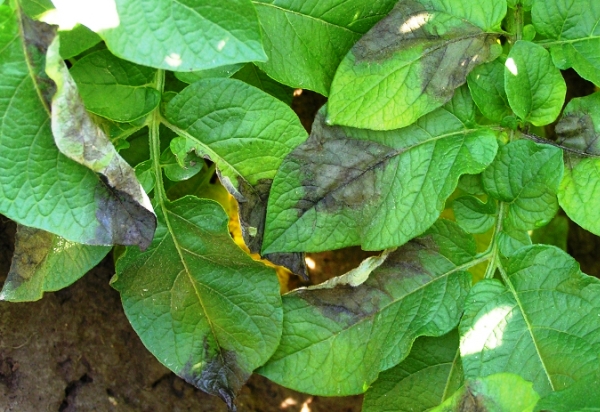
Tomatoes can be grown in a greenhouse—this will help control the growing conditions. Don't forget about ventilation. Be especially careful when choosing soil. Choose a site that won't come into contact with other crops. Furthermore, the soil should be cleared of debris, as this is where late blight hides.
When you plant tomatoes, remember that they need to be planted in a well-ventilated area.
Avoid watering tomatoes frequently—high humidity can trigger late blight. Avoid over-fertilizing with various fertilizers.
Water the roots. Bad weather can cause moisture to accumulate on the leaves.
Avoid watering tomatoes with a hose in the evening. The moisture won't have time to evaporate overnight and will eventually trigger late blight. It will then need to be treated with expensive pesticides.
Check the lower leaves, as this is where water often accumulates and where late blight begins its attack. If you see tomatoes with blackened spots, quickly pick them and burn them. The same should be done with plants that have darkened spots or stains. Prevention never hurt anyone. Moreover, it's much cheaper than specialized treatments.
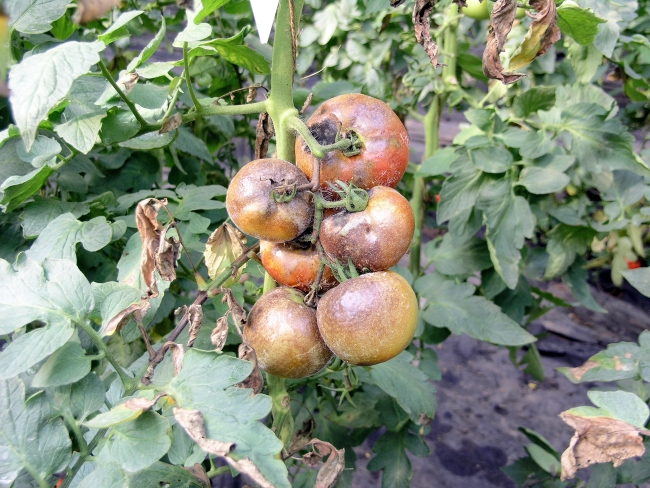
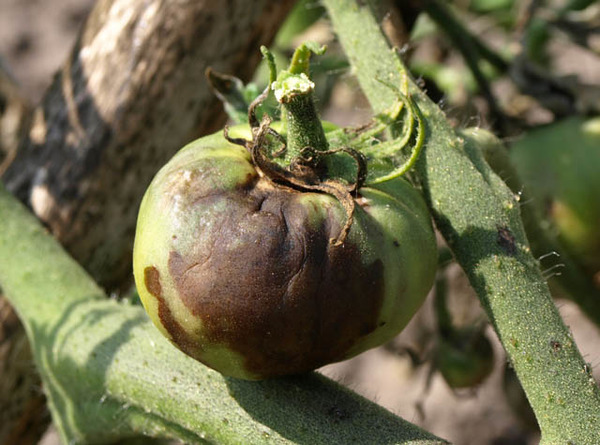
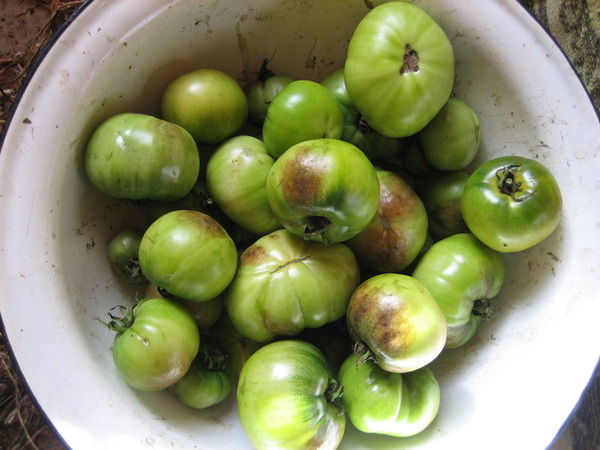
Burn tomato and potato tops without a twinge of conscience. Never compost them!
Video: "How to Save Tomatoes from Blight"
An experienced gardener will tell you how to protect your harvest from this disease.