
The most effective methods for combating late blight on tomatoes
Content
Signs of late blight
Late blight is caused by a specific fungus that penetrates tomato tissue. Late blight on tomatoes is caused by a pathogen that overwintered on the remains of last year's plants. With the onset of warmer weather, the fungus begins a new life cycle.
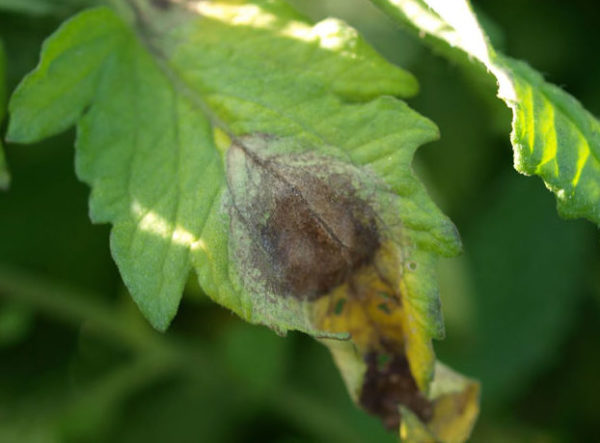
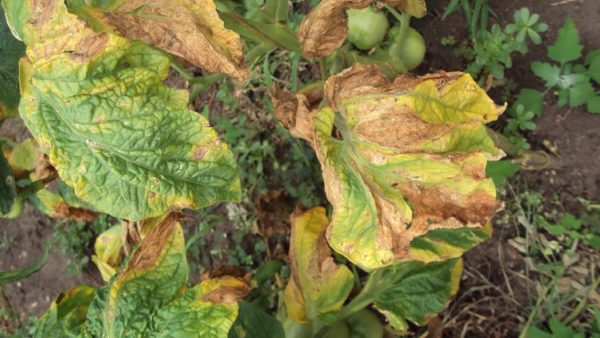
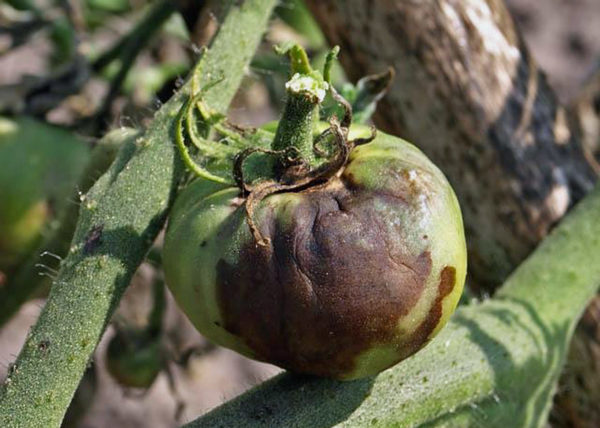
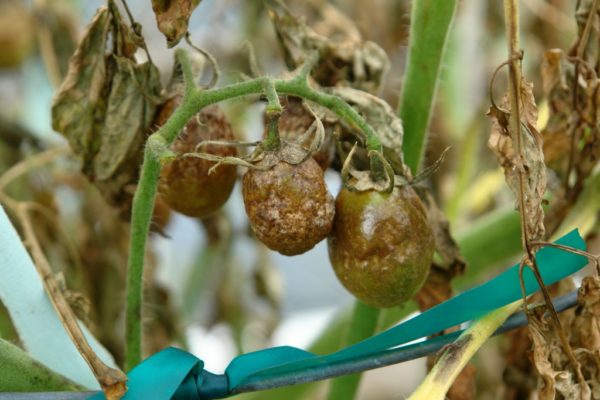
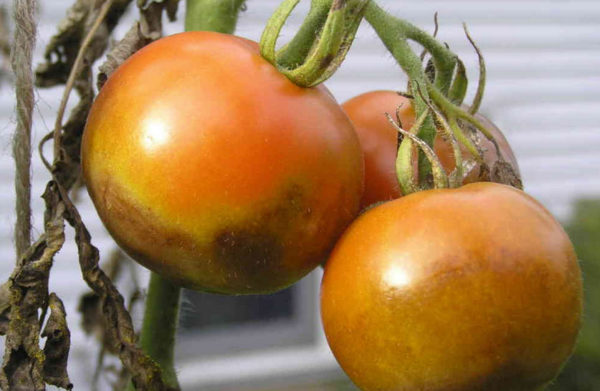
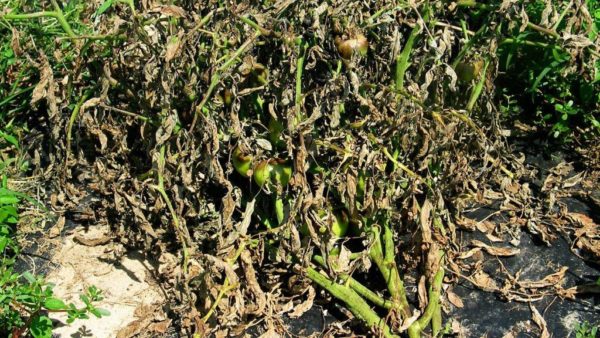
The infection affects the green, above-ground portion of the plant. Brown spots are visible on the leaves above, and a white coating appears underneath. After some time, the leaves and stems turn completely black and die. Large brown or russet spots appear on the fruit, penetrating deep into the flesh. It's worth noting that the disease spreads quickly: contact with a plant harboring the fungus is sufficient.
Conditions for development
Pathogenic fungi are quite resilient and undemanding: they require only moisture to thrive. These pathogens are most active under the following conditions:
- prolonged high air humidity;
- temperature fluctuations: the period when dew appears on plants;
- period of heavy rains.
Plants are at increased risk of developing the disease during cool, cloudy periods when dew appears on plants in the morning. Conversely, when the weather is dry and hot, fungal spores die. Therefore, the most favorable period for late blight is the second half of summer. However, it's too late to combat the disease after a widespread infestation. It's more effective to take action when the first signs and outbreaks of late blight appear.
Video: "Prevention and Control of Late Blight"
This video presents known methods for combating late blight, as well as measures to take before planting, during cultivation, and during plant maturation.
Methods of control
How to effectively combat late blight on tomatoes? It's essential to act quickly: treat the disease at the first sign of its presence.If only a few plants are affected by late blight, the primary goal is to eliminate them. To do this, remove the infected parts of the tomatoes, move them off-site, and burn them. Under no circumstances should such residues be added to compost!
It's also important to spray plants with systemic products, as contact treatments may not provide the desired benefit. The following systemic fungicides are effective in combating late blight:
- Ridomil easily defeats infections, penetrating plant tissue within half an hour of application. It effectively protects tomatoes inside and out for a long time. It can be used for both treatment and prevention.
- Quadris is used to combat early tomato diseases, including late blight. Apply outdoors during flowering and fruiting, every 14-16 days. In greenhouses, apply every 7-10 days during the vegetative stage. Consecutive spraying with Quadris should be limited to two times. Afterward, apply another product. Quadris can extend fruiting by 2-3 weeks.
Apply the above-mentioned products to plants in the morning or evening in calm weather. Be sure to adhere to the recommended dosage. Late-ripening tomato varieties may require additional treatment, as August and September, when tomatoes ripen, experience significant temperature fluctuations.
Dew appears on plants, which facilitates the spread and growth of late blight. During this period, the disease can only be controlled by using treatments, such as Revus and Thanos, which are used during the most critical period for tomatoes.
Prevention
Tomatoes are more susceptible to late blight than other nightshade plants. The light fuzz on the green parts of the plant retains water, which creates an ideal environment for the fungus that causes the disease. Completely avoiding late blight, or even getting rid of it, is virtually impossible. The fungus's spores can remain in the soil for a long time and are easily carried by the wind over long distances.
However, you can create conditions to maximally protect your garden from late blight on tomatoes and minimize losses from late blight. To avoid asking yourself, "How can I save my tomatoes from late blight?", you need to take preventative measures to prevent this tomato disease. Effective methods for preventing late blight include:
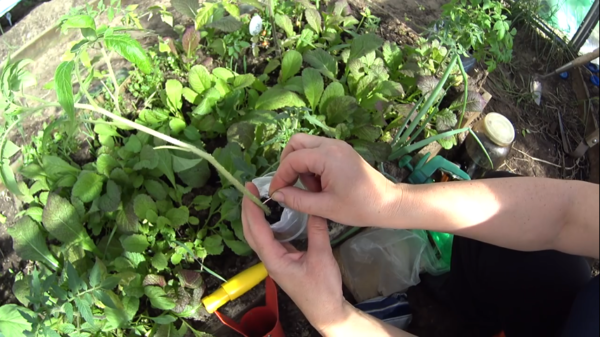
- Seed treatment. The spores of the fungus are tenacious and survive even in the hairs of the seeds. In 4 out of 5 cases, the disease is caused by contaminated seed material. Seeds can be treated with a potassium permanganate solution: soak the seeds in it for 40 minutes through a cheesecloth bag. Then, rinse and dry. You can also soak the seeds in a solution of Fitosporin (4 drops of fungicide per 200 ml of water).
- Maintain crop rotation. Tomatoes can be planted in the same spot every 3-4 years, but never in the same spot where their relatives, such as cabbage, potatoes, or eggplant, were grown. Tomatoes can be grown in the same spot where corn, beets, onions, and zucchini were grown.
- Removing plant debris. After the vegetative phase is complete, remove all nightshade debris from the garden, even without visible signs of disease.
- Soil preparation. In open ground, fungal spores can be controlled using copper-containing products and bacterial agents (Fitosporin-M, copper sulfate). In the greenhouse, all equipment and tools must be thoroughly disinfected.
- Follow planting guidelines. Avoid dense plantings, as these beds are poorly ventilated and become breeding grounds for diseases and pests.
- Cultivating varieties and hybrids resistant to late blight. Tomato varieties that ripen early (in the first months of summer) are most often resistant to late blight.
- Proper plant nutrition. A weak plant is an ideal breeding ground for late blight. Therefore, tomatoes need to be fed periodically.
- Optimal moisture level. Tomatoes require drip irrigation. You can also water the roots of each plant.
- Treating plants with biological agents. Bacterial and copper-containing preparations inhibit the spread of late blight. Therefore, it's recommended to treat the green parts of the plant with copper sulfate before flowering.
Fitosporin-M, which contains live bacterial cells, can protect tomatoes from late blight. These cells inhibit the growth of late blight.Another effective method against late blight on tomatoes is spraying tomatoes with a potassium permanganate solution.
It's easy to prepare: dilute 1 tablespoon of liquid potassium permanganate in 10 liters of water. Spray the plants every two weeks. You can also protect plants from late blight using folk remedies. For example, spray tomatoes with a liter of milk and a teaspoon of iodine diluted in a bucket of water.
Garlic infusion can also be used against late blight on tomatoes: 200 g of crushed garlic should be added to a glass of warm water and left to steep for 24 hours. Strain the resulting solution and dilute it with water (10 liters) with a gram of manganese added. Preventative treatments are carried out in dry, calm weather in the morning. The disadvantage of such sprays is their short-lived effectiveness. They must be repeated after rain.
Late blight on tomatoes is "afraid" of ash. Therefore, to prevent the disease, sprinkle ash between the tomato rows before watering newly planted seedlings, when fruit begins to set. Preventive measures against late blight help preserve the harvest and prevent the spread of the fungus. If you see signs of the disease in your garden, don't despair and remember: you can win the fight against late blight!
 Video "A recipe for combating late blight on tomatoes»
This video presents a natural recipe for combating late blight in tomatoes grown outdoors.