
What to do if your tomatoes have black legs: control measures
Content
How to detect the disease
Blackleg can be caused by two types of phytopathogenic organisms:
- Erwinia bacteria, a member of the Enterobacteriaceae family, promote the development of bacterial rot. They inhabit the upper layers of soil and remain dormant until favorable conditions arise. Their proliferation is particularly stimulated by increased soil moisture, low light, inadequate ventilation, sudden changes in climate, temperature fluctuations, excessive amounts of fertilizer, and overly dense planting of tomato seedlings. Under these conditions, the bacteria form fairly large colonies, initially in small areas, and eventually infect all seedlings. Typically, the microorganisms attack seedlings early in the growing season, and the disease begins to manifest itself in mature plants. The condition of the lower leaves is usually noted: they lag in growth, turn yellow, and subsequently curl and become rough. The base of the stem of an infected plant is characterized by a brown or dark green color with black spots, a lack of elasticity, and the presence of a dark liquid when the lower part is picked. In some cases, softening of shoot tissue and root rot are present.
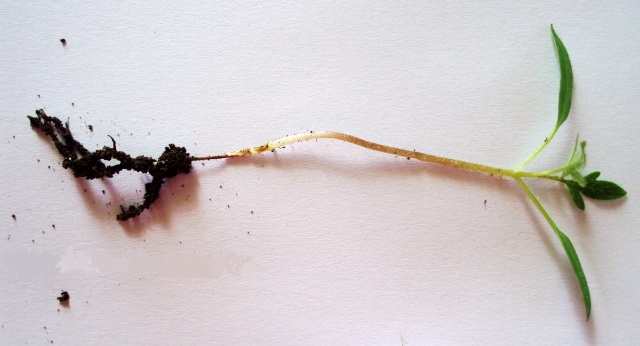
- Lower molds (Phytium, Olpidium, Phoma, Rhizoctonia, and Aphanomyces) primarily feed on organic debris but can also multiply, damaging the roots of seedlings and young transplants. Saprophytic fungi cause a slow-growing disease without significant lesions. The stem may be whitish-grayish or dark green. Roots are primarily severely affected.
Fusarium molds cause more significant damage to plants. They rapidly attack the leaf and stem tissues of seedlings, causing blackening and curling, leading to rapid death. The infestation spreads rapidly in all directions. Spores of these fungi can often be found on the seed coat, so the seed should be treated with fungicides before sowing.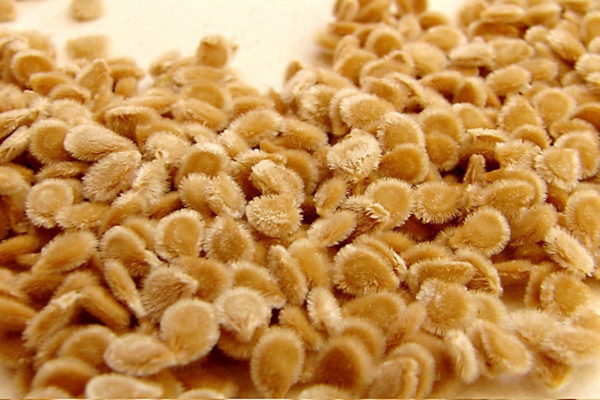
It is important to correctly identify the causative agent of the disease, as this will help to take adequate control measures and save the plants.
Video: Description of the disease blackleg
From the video you will learn many new facts about this disease.
Methods of control
What to do about blackleg in tomatoes? It's important to understand that we're dealing with a very insidious disease. This disease primarily develops in acidic soil. Therefore, to reduce the acidity, it's recommended to treat the plants with wood ash, chalk, or dry limestone.
At the first signs of the disease:
- Soil disinfection will help combat the pathogen and save the seedlings. In the affected area, treat the soil with: potassium permanganate solution (0.2 g/l); copper sulfate solution (0.2 g/l); 1% Bordeaux mixture; and colloidal sulfur.
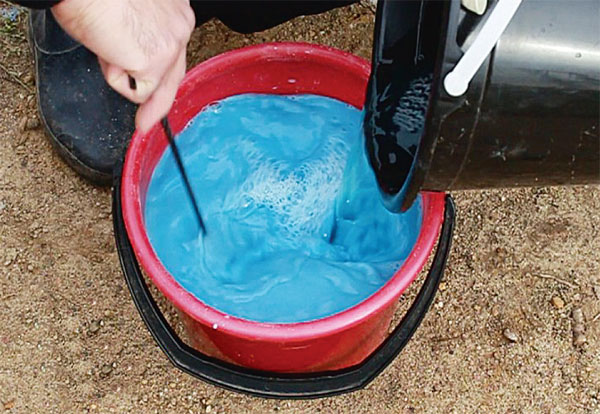
It should be noted that the above mentioned remedies are effective against plants affected by mold fungi, while only colloidal sulfur is effective against bacterial infections.
It is important to know that potassium permanganate can cause plant burns, and colloidal sulfur and copper sulfate are very toxic to young seedlings.
- Allow the soil to dry out by limiting watering for a while. Sprinkling the affected areas with dry sand mixed with dolomite flour and ash helps absorb excess moisture from the soil, reduce acidity, and strengthen the seedlings' immunity.
- Hilling up seedlings in a timely manner is recommended. Thinning seedlings is recommended by removing excess shoots with scissors rather than pulling them out. This will protect the root system from damage and, consequently, from pathogenic infections.
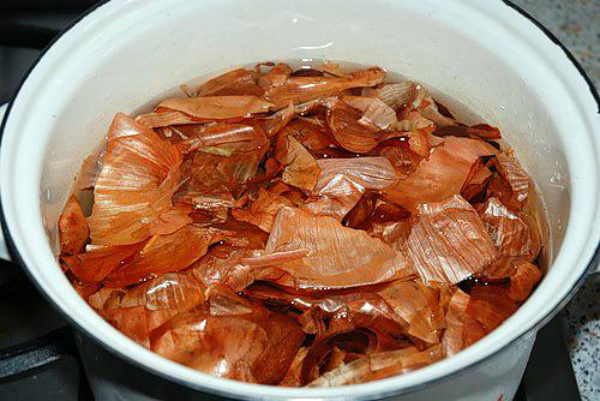
- Treat seedlings at the initial stage of the disease with an infusion of onion peel or marigolds at the rate of 20 grams of dry mixture per 1 liter of water.
- Use of the following drugs for fungal infections: Fitosporin, Baktofit, Fitolavin-300, Plariz, Trichodermin.
- Use of complex preparations against fungi and bacteria: Maxim, Vitaros.
- Proper fertilization without excessive nitrogen fertilizers promotes normal plant development. It's important to remember that manure or compost should not be added to the soil when growing seedlings, as it contains significant amounts of bacteria and fungi.
By following all agricultural recommendations, you can grow healthy seedlings and get the desired harvest.
Preventive measures
To obtain healthy seedlings, you should take preventative measures to avoid fungal and bacterial infections:
- Treating the soil in the boxes before sowing the seeds. Initially, the soil is watered with a hot, dark pink solution of potassium permanganate (manganese). After three days, water the soil with a soda solution at a rate of 5 tablespoons per 10 liters of water.
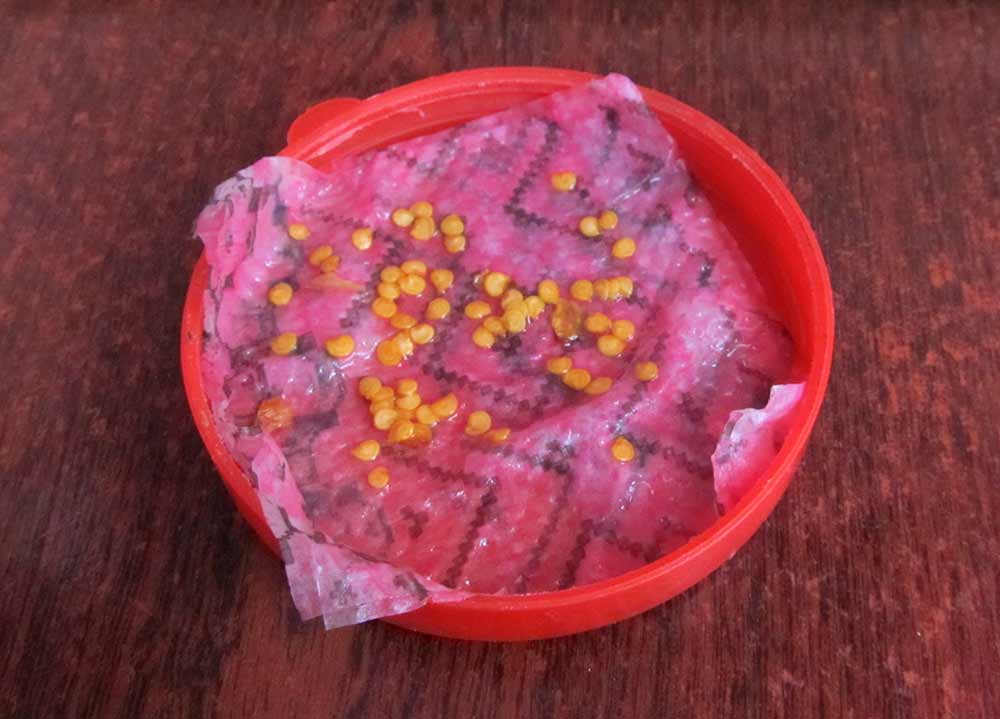
- Disinfection of seed material is carried out using several methods: keeping seeds in a weak solution of potassium permanganate or hydrogen peroxide; soaking in a solution of garlic or aloe.
- Treatment of seeds with preparations to stimulate growth and the immune system: sodium humate, immunocytophyte, epin and other agents.
- The seedling boxes are covered with plastic or glass and kept at a temperature of 18-20°C until the first shoots appear. The seedlings should be opened daily for good ventilation. Excess seedlings are carefully thinned out to avoid damaging the root system.
Watering should be done with room-temperature water, avoiding excess moisture in the soil. It is also necessary to replace the topsoil in greenhouses and hotbeds every 2-3 years.
Video: How to Fight Black Leg Disease
From the video you will learn how to combat this seedling disease.