
When and how to effectively treat tomatoes against late blight?
Content
Processing times and frequency
Late blight develops throughout the season, both in open ground and greenhouses. Tomatoes should be treated as a preventative measure almost from the first days after planting. Be guided by the air temperature. Late blight begins to actively spread at temperatures of 10-12°C, with high humidity and insufficient sunlight. Like any parasitic microorganism, late blight is aggressive toward tomatoes.
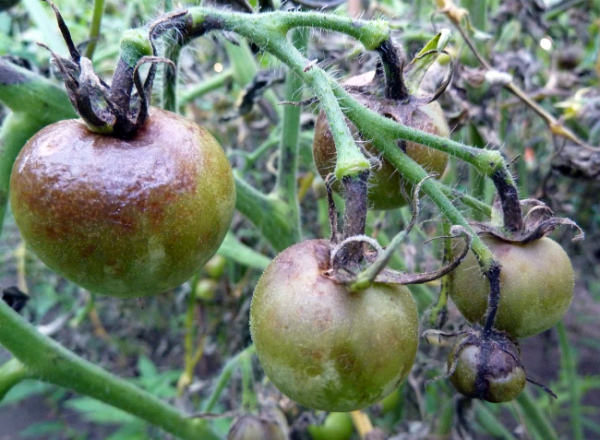
The active infestation period begins in August, but that doesn't mean tomatoes are safe before then. Dense plantings are particularly vulnerable, as the spreading tomato leaves create dense shade, which encourages fungal growth.
The first soil treatment should be carried out before planting tomatoes to allow the young seedlings to take root and grow. Subsequent treatments should be carried out every two to three weeks as a preventative measure until harvest.
A week after planting outdoors, begin treating the beds with ash or iodine. At the very beginning of July, treat the tomatoes with whey, repeating the process for a week. The frequency of treatments depends on the weather: the rainier the summer, the more frequently the tomatoes need to be treated.
Preventive treatment
Prevention is much better than treatment once the disease has manifested. This is especially true for tomatoes and late blight. Preventative treatment should be carried out in dry weather, in the first half of the day, when sunlight is just beginning to gain strength.

First of all, pay attention to substances that strengthen the tomato's immune system, as late blight attacks weak plants. A solution of wood ash or iodine, as well as yeast fertilizers, are effective in this regard. Considering that they can be alternated, you'll have a harmless remedy for the entire tomato growing season. Before fruit formation, you can use chemicals such as Trichopolum or copper sulfate.
Remember that it is necessary not only to develop immunity in plants, but also to disinfect the surrounding soil.
Thinning tomato beds also helps prevent the spread of tomato plants. In this case, pinching out the side shoots helps create more space for each plant, reducing shading and increasing ventilation.
Methods of combating late blight
How to treat tomatoes against late blight when it's too late to take preventative measures? Methods for combating late blight can be divided into two broad categories: folk remedies and chemicals.
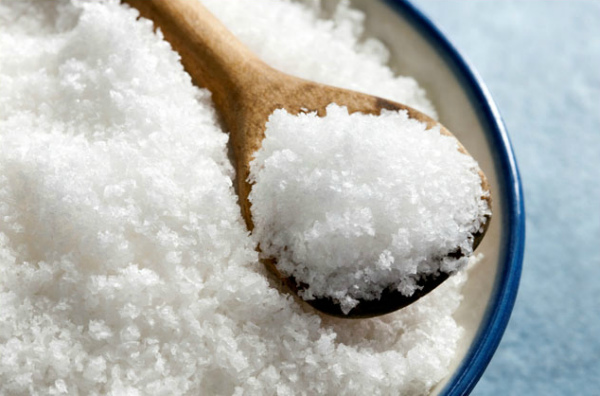
The ingredients for preparing traditional remedies are always on hand. These include garlic, table salt, kefir, whey, rotted straw, and yeast. Preparing a solution for treating tomatoes doesn't take much time, and the results are immediate.
We offer you 10 popular and proven remedies.
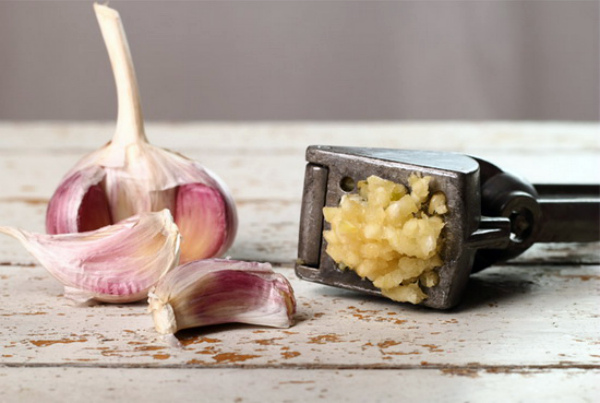
The first recipe: garlic tincture. Grind garlic shoots and heads into a paste, add 2 grams of potassium permanganate, and dissolve in 10 liters of water. Let the infusion sit for 24 hours before using. Use it at intervals of 13-15 days.
The second recipe: a salt solution. Dissolve 1 cup of coarse salt (iodized salt is fine) in 10 liters of water. Apply the resulting solution to the tomato leaves while you're waiting for the main medicinal mixtures to be applied. The salt film will prevent fungal spores from multiplying on the tomato leaves.
The third recipe: a kefir shower. Dilute 1 liter of kefir in 10 liters of water and let the mixture ferment (usually 2-3 days). Once the solution is ready, you can spray the tomatoes. Apply it weekly.
Recipe number four: iodine solution. Iodine's antiseptic properties are beneficial not only for people but also for tomato plants. Dilute 20-30 drops of iodine in 10 liters of water and spray the plants immediately. This treatment can be repeated weekly.
Recipe number five: ash infusion. Mix half a bucket of wood ash and 10 liters of water in a large container. Let the mixture steep for 3-4 days, stirring regularly. Once the ash has completely infused the water with beneficial microelements, dilute the mixture to 30 liters, add 40-50 grams of laundry soap, dissolve it, and begin saving your garden beds.
Recipe 6: Rotten Straw. You'll need 1 kilogram of rotten straw and 10 liters of water. Pour the mixture over the straw, squeeze it well, add 10-15 grams of urea, and then leave it in a warm place for 4 days. You can treat tomato plants with this infusion every 2 weeks.
Recipe 7: Yeast. For 10 liters of warm water, add 100 grams of fresh yeast or 20 grams of dry yeast, stir thoroughly, and let ferment for 24-30 hours. When you notice symptoms of late blight, immediately spray the bushes with the yeast solution.
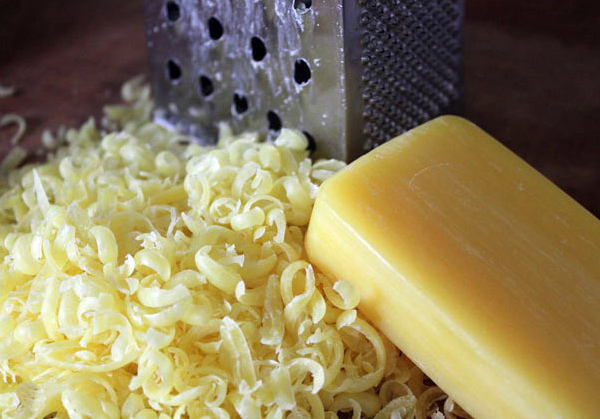
Recipe number eight: soap. Dissolve 1 cup of grated or liquid soap in 10 liters of warm water, add half a cup of lime and 1 tablespoon of Bordeaux mixture. Stir the mixture and apply to the affected bushes in the evening.
Recipe #9: Copper sulfate. A copper sulfate solution is typically applied before planting to disinfect the soil. However, it can also be used in cases of late blight. Dissolve 2 tablespoons of copper sulfate in 10 liters of water and then apply it to the infected tomatoes, removing any infected leaves first.
Recipe #10: Fitosporin. Dilute the powder 2 hours before treatment. To prepare the solution, dissolve 5 grams of powder in 10 liters of water and then spray the affected plants. Repeat every 2 weeks. If you purchased the paste, dilute 100 grams of the paste in 200 milliliters of water. Before use, dilute 3 teaspoons of the mixture per 10 liters of water. A ready-made solution, also known as liquid Fitosporin, is also available. Take 10 drops of the liquid solution per 200 milliliters of water and then spray the affected tomatoes.
Remember that chemicals should be used with caution and discretion. If a tomato has entered the fruiting stage, do not treat it with chemicals to avoid damaging the fruit.
Video: Protecting Tomatoes from Late Blight with Fitosporin
Watch this master class on using the biopreparation Fitosporin to protect your tomatoes from late blight.