
How to treat tomatoes against late blight in a greenhouse: tips
Content
Prevention
Phytophthora spores are found almost everywhere – on greenhouse walls or roofs, in soil, on plant debris or weeds, garden tools, and seeds. The main goal is to reduce spore numbers and prevent favorable conditions for fungal growth.
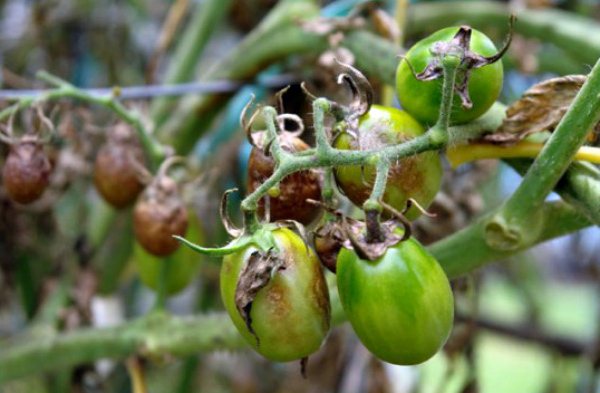
Preventive measures against late blight include the following:
- restoring the natural balance of the soil by adding peat and coarse sand;
- compliance with crop rotation rules, when tomatoes are not planted after cabbage, potatoes, eggplants and peppers;
- careful selection and disinfection of seeds using two-hour heating at a temperature of up to 50⁰ C;
- planting seedlings in compliance with the recommended planting dates;
- soil mulching;
- organizing watering in the morning hours and constant ventilation in the greenhouse so that the soil is not too wet or waterlogged;
- organizing, if possible, drip irrigation using special hoses, when the soil is gradually moistened throughout the day;
- conducting daily ventilation;
- avoid watering in cloudy weather or during rain, but only lightly loosen the soil;
- airing tomato bushes with the removal of lower leaves and shoots;
- timely application of potassium and phosphorus fertilizers, solutions of microelements - iodine, manganese and copper;
- spraying with biological preparations against late blight or infusions from folk recipes;
- a selection of tomato varieties and hybrids that are resistant to fungus and easy to care for.
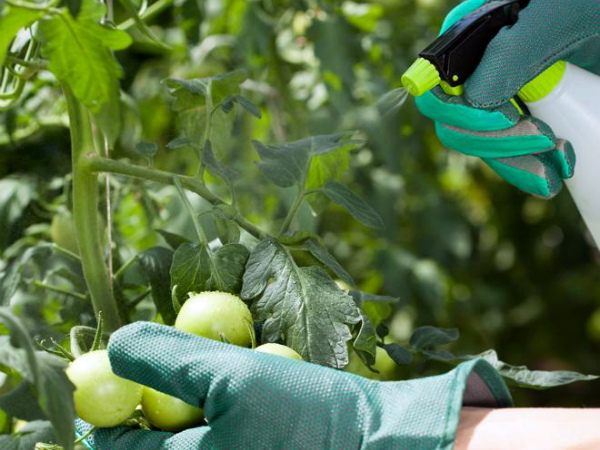
How to fight in a greenhouse
As for the greenhouse itself, it's recommended to carry out sanitary disinfection before planting tomato seedlings. First, wash all the walls and roof to remove dirt and cobwebs, and remove plant debris from the previous season. Washing the greenhouse with a 1% solution of potassium permanganate and a small amount of bleach is effective.
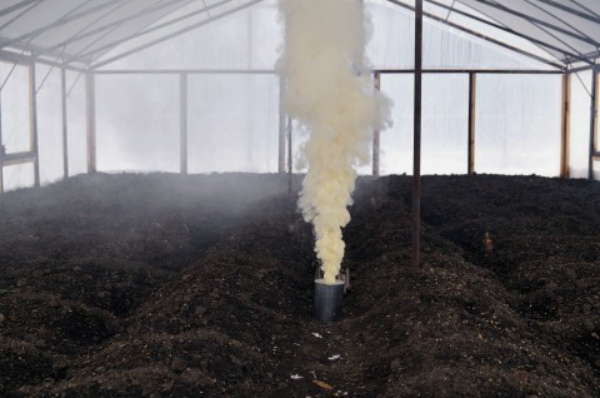
Some gardeners practice fumigation as an effective method of combating not only late blight but also other harmful bacteria and pests. To do this, they place a bucket of burning coals and a piece of pure wool cloth in a closed greenhouse for 24 hours.
A more radical method is to dust the room with a mixture of ash and tobacco dust, mixing 2 cups of dust in 1 bucket of ash.
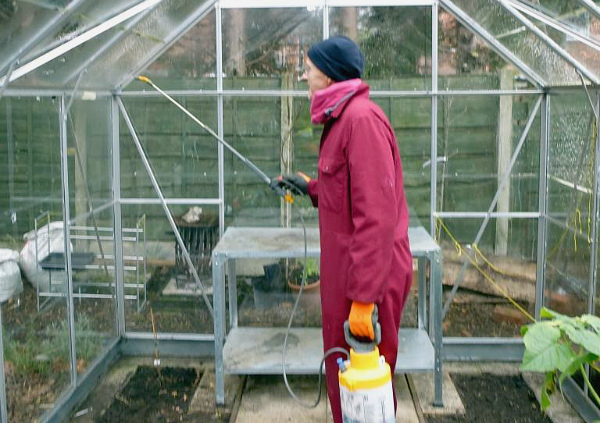
Among over-the-counter medications, rinsing with Fitosporin, Baikal EM, or Siyanie (Radiance) produces good results. However, keep in mind that the infection easily adapts to various treatments.
The first preventative protection is carried out immediately after planting tomato seedlings.
All activities are carried out only in dry and sunny weather.
Remember, before getting rid of late blight on plants, you should find and eliminate the causes of the fungus.
The fight against fungal infection on tomatoes begins with treatment with fungicides:
- Fitosporin is diluted according to the instructions. The procedure is performed when the first ovary appears and is repeated every ten days of the month. This solution will help protect seedlings from infection if you add it directly to the holes during planting or to the water for irrigation.
- Trichopolum is sprayed on tomato bushes at a rate of 1 tablet per 1 liter of water.
- Bordeaux mixture, known as copper sulfate, is diluted in 10 liters of water and applied to tomatoes when they begin to bloom.
Folk remedies can also help protect tomatoes from fungus, and they can sometimes be very effective:
- Garlic infusion with potassium permanganate. Take 100–200 g of garlic bulbs, scapes, or leaves, crush them, add a glass of water, and let steep for about 24 hours. Dilute the resulting solution in 10 liters of water and add 1 g of potassium permanganate. Protective treatment of tomatoes is performed every two weeks.
- Milk whey with iodine. Sour milk is diluted with water in a 1:1 ratio, a few drops of iodine are added, and the tomatoes are sprayed. Fungus is afraid of lactic acid bacteria, and iodine promotes growth. This procedure is repeated every two weeks throughout the summer.
- Salt is also effective against pests and fungi. Mix a cup of table salt in a bucket of water and apply it to large, unripe tomatoes.
- Hay infusion. Soak rotted straw in a bucket of water for 4 days, add a handful of urea, and spray the tomatoes every 10-14 days.
As soon as the first spots appear on tomatoes, you can combat the disease by watering the bushes with a mixture of 100 g of yeast and 10 liters of water.
It is not always possible to completely get rid of the fungus, but it is quite possible to get a decent harvest by following all the measures.
As for the fruits affected by the disease, it is unlikely that they will be edible, but they can be used for winter salads and preserves.
Video: "The Best Way to Treat a Greenhouse for Late Blight"
Find out how to clear a greenhouse of late blight in the fall after harvesting tomatoes.