
What diseases are there for tomatoes in a greenhouse?
Content
Late blight
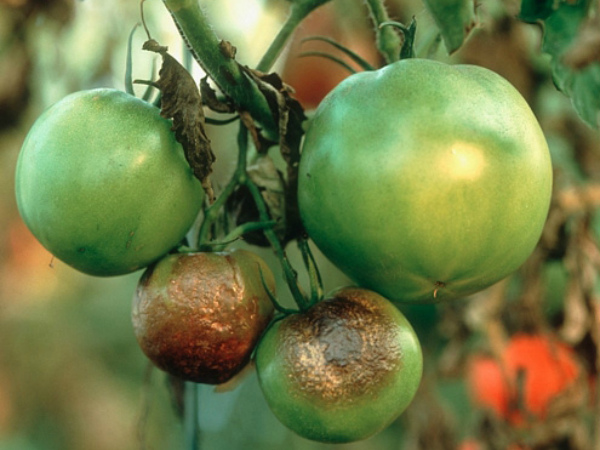
If a white coating appears on the underside of leaves, or stems, leaves, or fruits become covered with brown spots, late blight has appeared in your polycarbonate greenhouse. This fungal disease often affects plants in the nightshade family. Spores can remain in the soil for a long time, but are activated by excess moisture and temperature fluctuations. The disease spreads rapidly. Sometimes it is only noticed when a large number of plants are affected.
First, the leaves begin to turn yellow and dry out, then brownish spots appear on the stems, and on tomatoes, browning develops under the thin skin, which inevitably leads to fruit rot and the death of the plant. The culprit is a fungus invisible to the naked eye. The sooner action is taken, the better the chance of saving the harvest. But late blight is easier to prevent than to defeat. Therefore, disease prevention should be a top priority, especially in polycarbonate greenhouses and hotbeds, where improper care can lead to excess moisture.
In the fall, remove all plant debris from the greenhouse, thoroughly till the soil, and treat with copper sulfate. It's a good idea to alternate growing cucumbers and tomatoes in the same greenhouse to prevent harmful spores from lingering from the previous season. Freezing the soil in winter can help eliminate them.
Plant care should include the mandatory removal of lower leaves and flowers without ovaries, timely pinching of side shoots, and avoiding excessive thickening of the bushes.
Chemicals containing copper oxychloride are used for treatment. Two or three applications of Profit are performed, diluting 20 g of the solution in 10 liters of water. Treating foliage and fruit with calcium chloride, diluting a 10% solution with three parts water, has shown good results. Fungicides—specialized products designed to combat fungal diseases—are often used, such as Fitosporin, Ecosil, Bordeaux mixture, Ridomil Gold MC, Tatu, and Quadris. However, it's important to remember that tomatoes can only be eaten after at least three weeks have passed following treatment.
You can try harmless treatments. These include spraying the tops and fruit with a nettle decoction or iodine (10 ml per 10 liters of water). This treatment is carried out after removing the affected areas. Using whey (fatty whey should be diluted with water) has shown excellent results. Sometimes a few drops of iodine are added. Treatment should be repeated after two weeks. Lactic acid inhibits the development of fungi, which can be a lifesaver for tomatoes.
Some vegetable growers claim that periodic treatment with whey throughout the growing season can protect plants from fungal diseases. However, it's important to use low-fat whey, otherwise the milk fat will coat the leaves, making it difficult for them to breathe.
Leaf mold
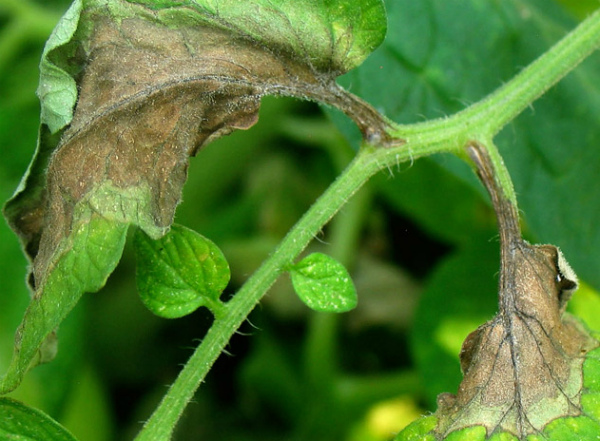
Leaf mold is a disease, also caused by fungi, that often affects tomatoes in polycarbonate greenhouses. Initially, individual brownish-brown spots covered with a gray coating appear on the undersides of the leaves, then the affected leaves curl up and dry out. This not only kills the leaves but also the entire plant. Why does this happen? The spores spread easily during watering or are simply carried on people's clothing. They persist in the soil and become active in excess moisture and cold temperatures.
For treatment, you should reduce watering, increase the temperature, spray the tomatoes with a solution of "Oxyhom" (2 tablets per 10 liters of water is enough) or special preparations "Zaslon", "Barrier".
Preventing disease in a polycarbonate greenhouse is crucial. To do this, disinfect with copper sulfate before starting cultivation, treat seedlings with copper oxychloride, and select specially bred hybrids that are resistant to fungal infections.
Rot
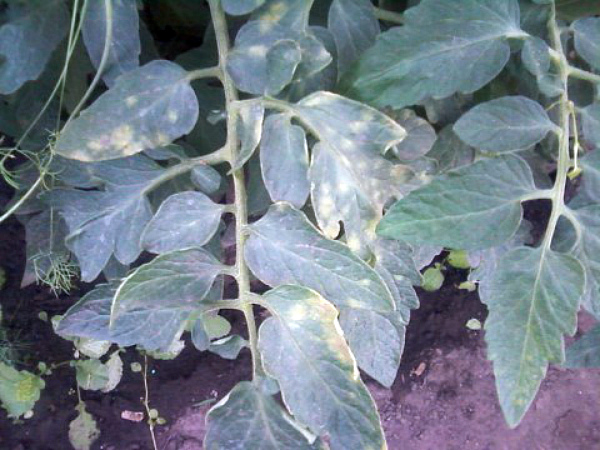
Many greenhouse tomato diseases are caused by fungi. Rot affects various parts of the plant, but the result is the same: yield loss. Why does this happen, and how can it be prevented? Most often, the disease is triggered by a drop in temperature and excess humidity. Plants require more careful care.
Gray mold
Small spots appear on tomatoes, then enlarge, turn brown, and ooze liquid. Gray mold appears on leaves, stems, and flowers. Once these signs appear, remove and destroy the affected plant parts, increase the temperature in the polycarbonate greenhouse, and treat the plants with Fundazol, Zaslon, or Barrier.
Blossom end rot
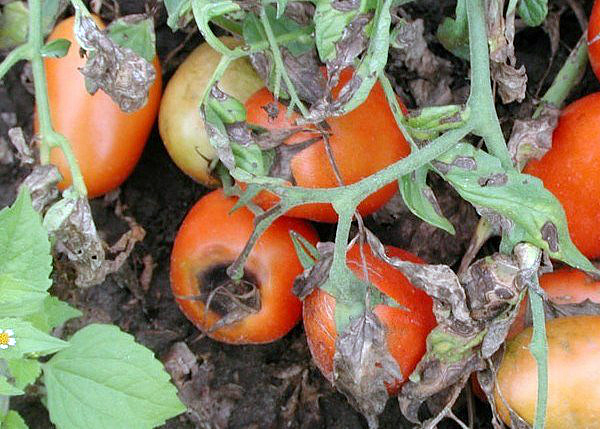
Excessive nitrogen and insufficient moisture often cause spots to appear on green fruit. These spots can be water-soaked, rotten, or dry and black, but the crop will still die. This indicates improper care; regular watering and calcium supplementation by spraying tomatoes with calcium nitrate are needed.
Brown rot
Phoma (brown rot) affects only the fruit; other parts of the plant are unaffected. The disease begins with brown spots at the base of the fruit. These spots must be destroyed, followed by reducing humidity and disinfecting the soil. To avoid this problem, avoid feeding tomatoes with fresh manure and avoid over-fertilizing with nitrogen.
Root rot
The disease causes leaves and stems to curl and wilt because the rot affects the root collar. The same "Zaslon" and "Barrier" can help. Additionally, it's necessary to replace the topsoil and disinfect the soil with copper sulfate. Root rot affects tomatoes and cucumbers, so rotating their cultivation won't prevent it.
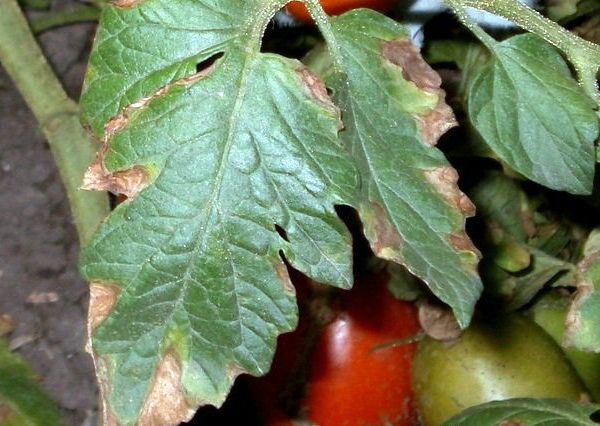
Dry spot
Dry spot, or macrosporiosis, is also a fungal disease. It is characterized by the appearance of large brown spots on leaves, which gradually die back, followed by dark spots at the base of the fruit and a black, velvety coating. Why does this happen? There's only one answer: inadequate disinfection of the polycarbonate greenhouse. With careful care, the onset of the disease can be detected early and treatment can be initiated. Dry spot and late blight are treated using virtually the same methods.
It is very important to destroy affected plant fragments and not leave them lying around, as they become carriers of spores.
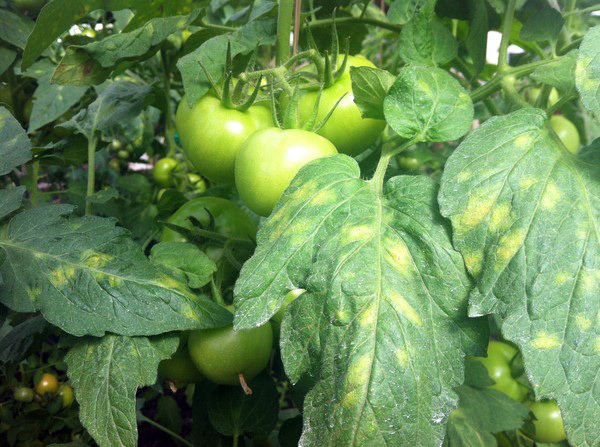
Mosaic
When growing tomatoes, viruses can infect them, often resulting in their death. Mosaic is a very common viral disease. It is indicated by changes in leaf color or shape, and the appearance of yellowish spots. Leaves curl and wrinkle, yield declines, and the entire plant turns yellow and dries out.
Affected plants should be destroyed. A solution of potassium permanganate and milk can help combat this virus. It is recommended to water seedlings with these solutions.
As a preventative measure, tomato seeds should be treated with a one percent potassium permanganate solution before planting. Furthermore, it's important to select varieties resistant to this disease. Seeds should be no older than two or three years.
Since viruses live in plant sap, precautions should be taken when caring for them. For example, it's best to wear gloves when removing side shoots and avoid getting the sap on your clothing to avoid infecting other plants.
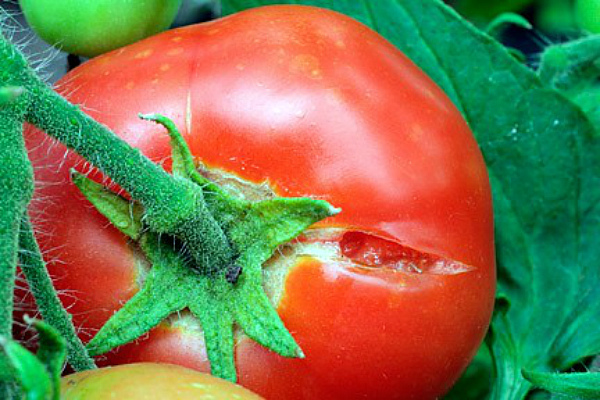
Fruit cracking
It's not uncommon for healthy, beautiful tomatoes to suddenly crack—disgusting, blackened cracks radiating from the base of the fruit. This isn't a disease, but rather a consequence of improper care. It's the fruit's reaction to uneven watering. Why does this happen? Simply, after a period of underwatering, the plant receives too much moisture. The fruit absorbs the necessary fluid, but the tissues can't absorb it quickly enough and burst.
To ensure beautiful, even ripening of tomatoes, water them evenly, avoiding periods of drought and overwatering. This is the key to proper care.
Video: "How to Grow Healthy Tomatoes in a Greenhouse"
Watch the video to learn how to prevent the most common greenhouse infections and treat plants if damage has already occurred.