
Whitefly on tomato seedlings: how to combat it?
Content
Signs of defeat
An adult whitefly can lay up to 300 eggs on tomato plants. The leaves become white and sticky. Black spots from sooty mold appear in places. The larvae attach themselves to the back of the leaf and suck out the sap. This causes the leaves to dry out and fall off. Greenhouse whiteflies can be found in the south of the country or in greenhouses. They "love" tomatoes, cucumbers, and small flowers. If you see one, begin combating it immediately, otherwise it can easily spread to other plants.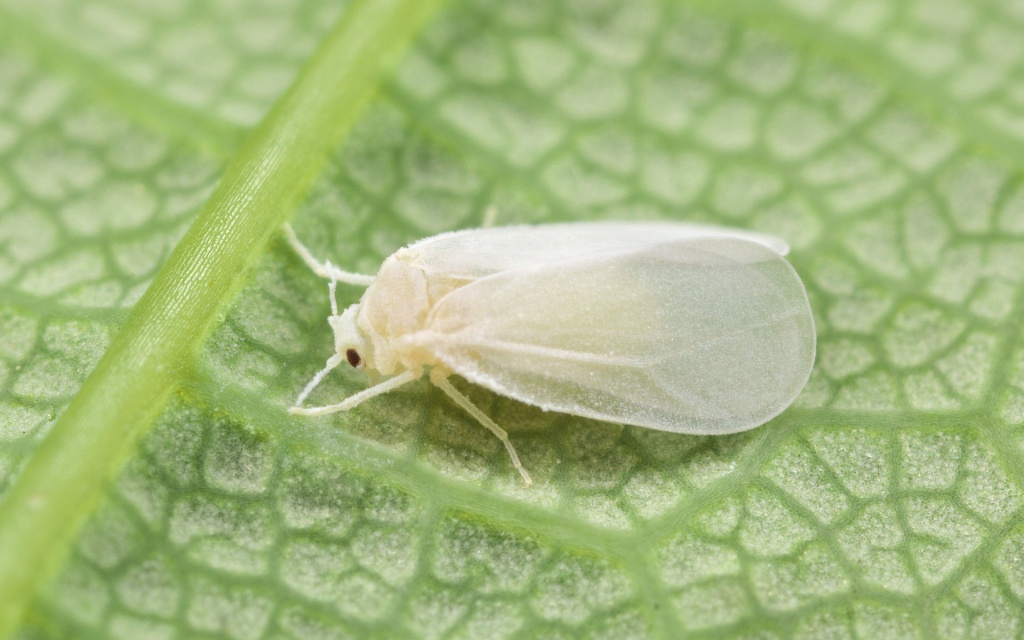
It's easy to find:
- The presence of translucent scales at the bottom of the leaf are larvae.
- The appearance of honeydew, a sticky, shiny coating. Like aphids, whiteflies leave honeydew as their waste.
- Black heel, which occurs when sooty mold develops.
- Also, the tomato may grow slowly, and the leaves will be swollen and curled.
Video "Whitefly"
This video shows methods for controlling whiteflies in a greenhouse.
Methods of struggle
You can start fighting them right in the greenhouse. There are a variety of methods. One method is a special trap coated with glue. These days, you can find them in specialty stores or make your own. Take a yellow piece of cardboard and coat it with Vaseline. The whiteflies will be attracted to this color and then stick. This way, they'll cover the entire cardboard—then simply wipe it off and reapply Vaseline. You can also kill the insects with an anti-scabies emulsion. Dilute 100 g in 1.5 liters of water and spray everything.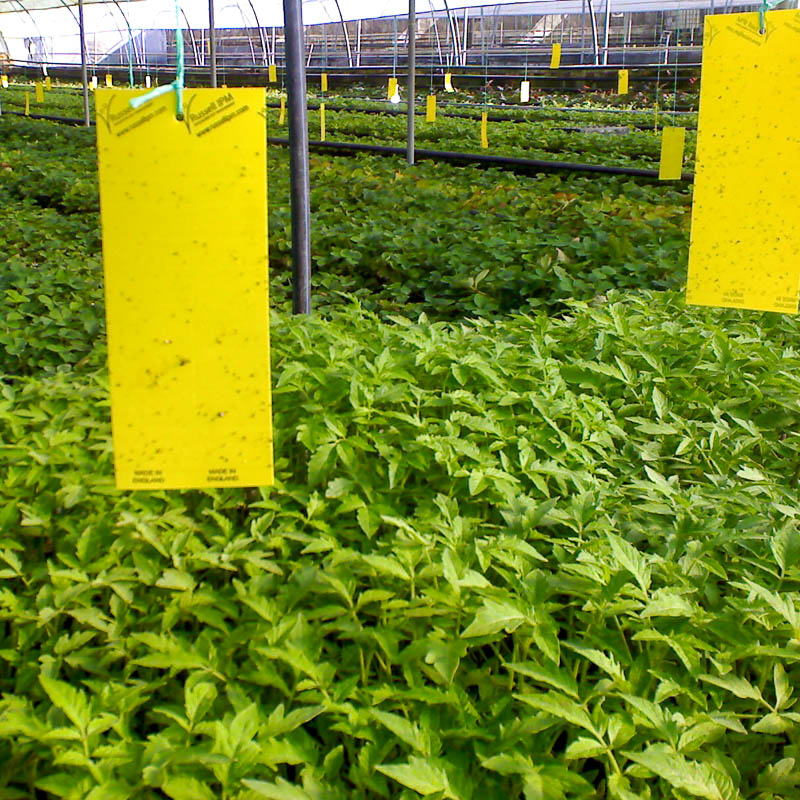
Another folk remedy that will help get rid of the pest is a yarrow solution. Chop 90 grams of yarrow in 1 liter of water and leave in the shade for 24 hours. Then strain the mixture and apply it to the tomatoes.
Concentrated laundry soap also works well. Grate the soap and dilute it with warm water in a 1:6 ratio.
An excellent remedy for whiteflies is garlic infusion. Chop 20 g of garlic and add 4 liters of water. Let it steep for 24 hours, then strain. Spray tomatoes with this infusion in the evening.
You can also try to save the tomatoes with a jet of water. You can try washing away the young moths with a hose. Afterward, loosen the soil under the bushes.
However, before spraying, you need to clean the plant of any plaque and adult insects. Spray the tomato no more than twice a week.
If you detect the pest too late, you'll need to resort to more drastic control methods. You'll need to use chemicals. Furthermore, you'll need to treat not only the tomato plants but also the surrounding plants, otherwise they could become infected.
There are now many different chemicals available for whitefly control, including Actellik, Confior, Pegasus, and others. The instructions will tell you exactly how to use them and in what proportions.
Aktara is a very popular whitefly repellent. It has a long-lasting effect (about one to two months of protection). To kill whiteflies, water the tomato plant with an Aktara solution at the roots. Nothing else is required. They feed on the plant's sap. The reagent, in turn, is added to the sap, killing all the pests. To kill whiteflies immediately, make the Aktara solution 4-5 times more concentrated than usual. To make a "killer" mixture, dissolve the contents of the packet in 2-2.5 liters of water and water the tomatoes!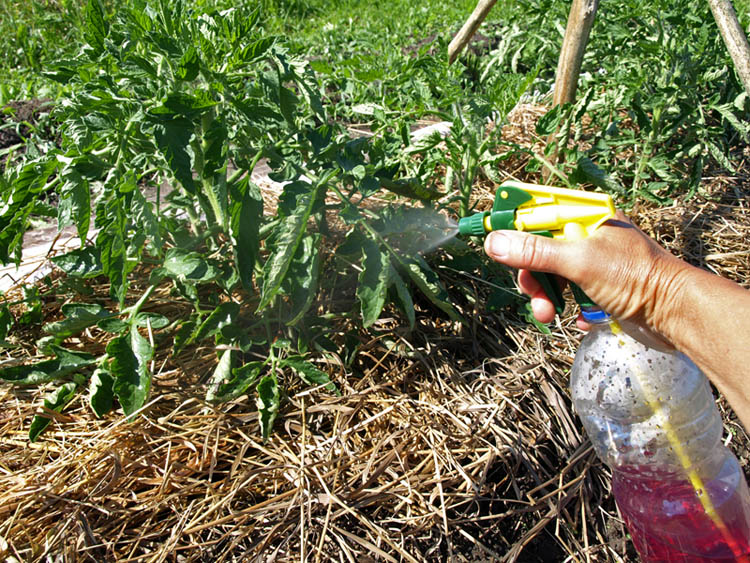
Confidor is a very powerful insecticide. Pests will begin to die within two hours of watering. Two treatments are enough to "kill" whiteflies.
Akarin kills whiteflies, spider mites, and even some subspecies of root-knot nematodes. This insecticide is used as a spray. Wet the leaves and spray onto the pest.
Spark. Produced in a wide variety of varieties, it instantly penetrates plant tissue and remains there for a month.
Fitoverm kills almost all pests. Just a few sprays will be enough to kill whiteflies.
Akkelik is another "killer mixture." However, it's worth remembering that it has a Class 2 toxicity rating and a very unpleasant odor.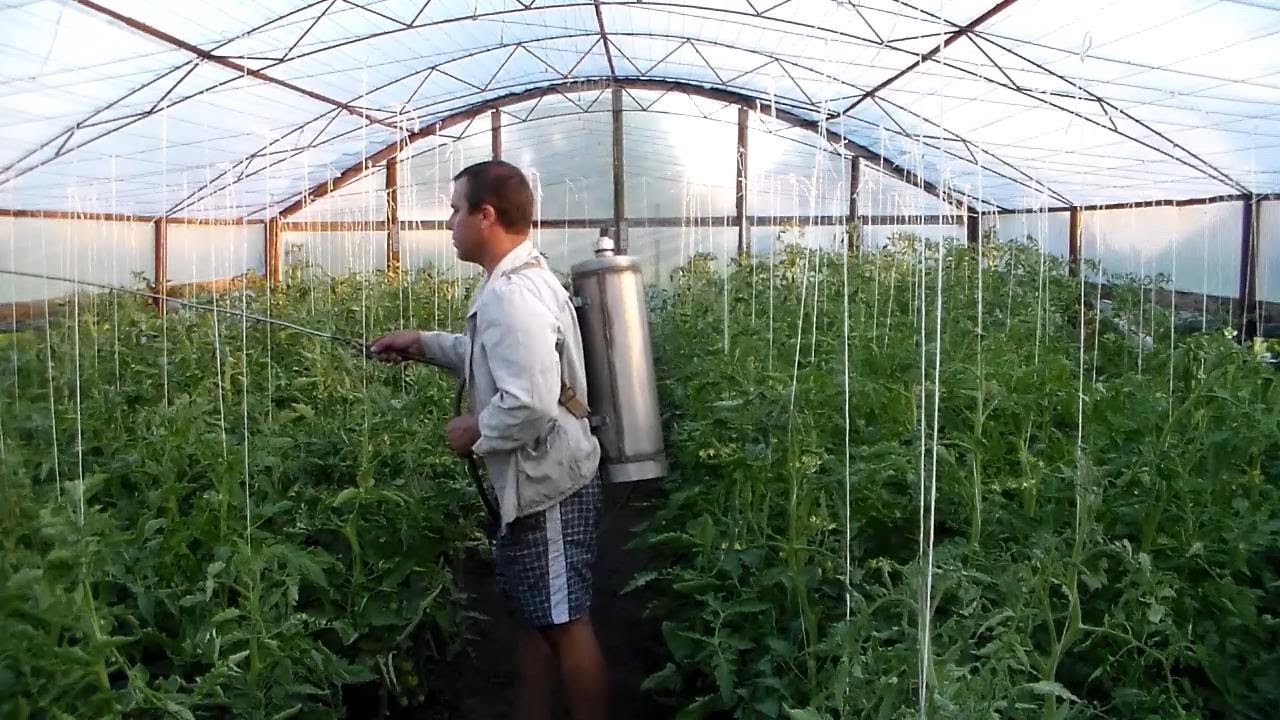
Whiteflies also hate the cold, so to get rid of them, you can move them to a cooler room. They can even be caught with sticky flypaper!
Prevention
First, avoid dense planting, as this will impede air circulation, causing the infestation to spread rapidly, making pest control futile. Ensure adequate ventilation and avoid spraying during humid weather. If possible, lower the temperature to 10 degrees Celsius for a few days, as this will kill all adult insects and almost all larvae.
Whitefly control can be a season-long process. Chemicals are extremely harmful to plants, people, and even pets. Therefore, prevention is better than cure.
Immediately after planting, you should use proven folk remedies to prevent damage. If you decide to plant tomatoes in a greenhouse, ensure good ventilation and keep the air temperature below 15 degrees Celsius.
Secondly, it's best to paint the greenhouse before planting. Remove last year's grass from the soil, then dig everything over. Don't leave compost out over the winter, as it provides a perfect wintering ground for whiteflies! In cold weather, open the greenhouse to allow the pests to freeze! If you're purchasing seedlings, inspect the plants carefully!
You can still carry out autumn prevention, as folk experts advise us!
The first spraying is done immediately after harvesting, and the next after removing diseased plants. Treat tomatoes with a 0.5% malathion emulsion. If you have a well-sealed greenhouse, try fumigating with sulfur instead of the second spraying. Ignite the sulfur and keep the greenhouse closed for a couple of days. Disinfection with sulfur gas is also necessary. Ignite 110 grams of sulfur per square meter of greenhouse. Weeds should also be removed. Also, maintain a distance between vegetables. Avoid planting them near the greenhouse. Vegetable greenhouses should be located at least 10 meters away from flower greenhouses.
Video: "Fighting Whiteflies in a Greenhouse"
In this video, an experienced gardener reveals the intricacies of pest control in a greenhouse.