
What to do if beet leaves turn yellow: causes and control measures
Content
Main reasons
It's a known fact that any deviations from proper care and agricultural practices when growing garden crops first show up in their leaves and greens. Beets are further proof of this. If their tops turn yellow, the cause must be investigated. Otherwise, the yield will be below the parameters specified for a particular variety.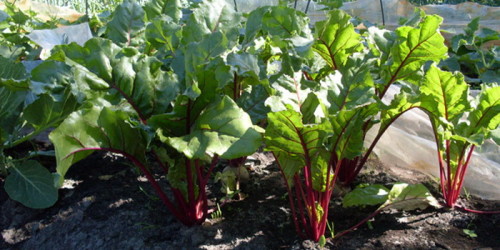
The appearance of yellowed tops may be due to the following reasons:
- Insufficiently moist soil. Beets are a very moisture-loving crop. Full and regular watering is especially important during root formation. Up to 15-20 liters of water are needed per square meter of planting;
- Incorrect fertilization. Plants often react to nitrogen deficiency. The first signs of nitrogen deficiency are smaller and longer leaves, which later begin to turn yellow;
- damage to crops by pests or pathogenic microorganisms.
Of the above-mentioned causes, disease is the most dangerous. After harvesting, it's impossible to visually determine whether each root crop is healthy. Storing infected beets for the winter can quickly result in the loss of virtually all the root crops. Even one infected root crop can spread the infection to all the other fruits and vegetables stored in the cellar.
The following factors can trigger the development of diseases:
- prolonged rainy weather;
- Heavy dew that often falls early in the morning in the second half of summer. This is due to the drop in air temperature at night.
Such weather conditions provide an ideal environment for the development and spread of pathogens of many diseases, especially fungal ones. And the tops of the plants are always the first to react to the presence of pathogenic microflora.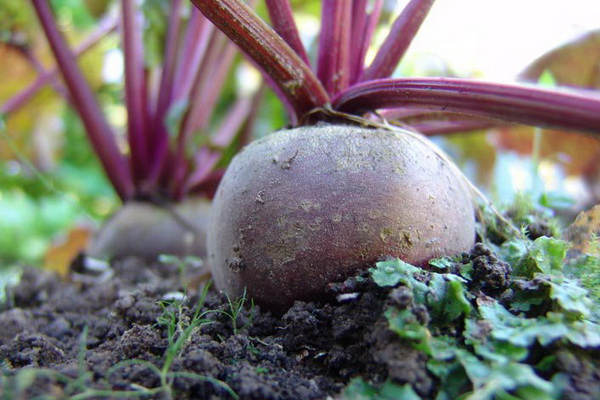
Additionally, boron deficiency in the soil can trigger disease in beet crops. Many gardeners consider adding this mineral to the soil an effective preventative measure against many diseases of this crop.
It's worth noting that yellowing tops can occur as a result of natural aging. This typically occurs at the end of the growing season, when harvesting time approaches.
The tops may also simply be sunburned. This situation occurs when the plants were not watered properly.
Video "The Subtleties of Growing"
From the video you will learn how to properly grow beets.
Lack of moisture
The most common cause of yellowing beet leaves is improper watering. More specifically, insufficient soil moisture.
Maximum watering of this crop is required during the period when plants begin to form root crops.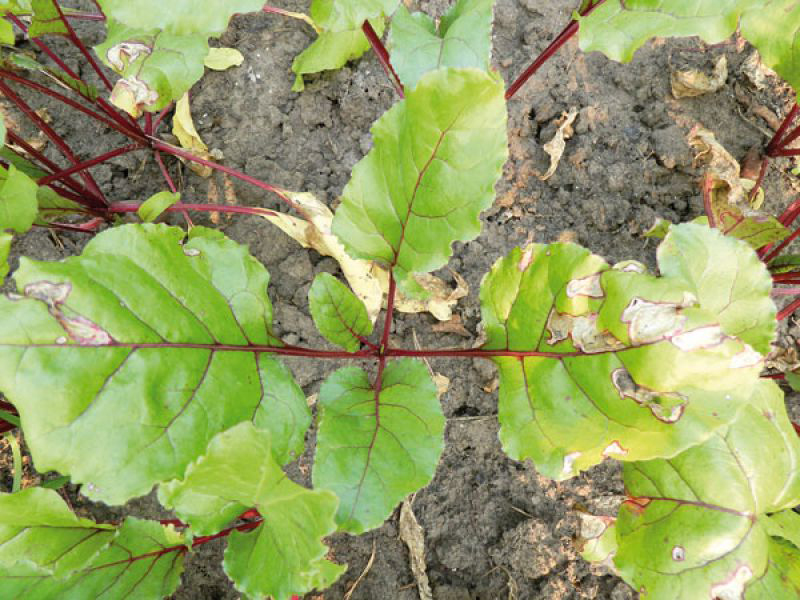
Symptoms of insufficient moisture in the soil:
- the leaves become smaller in size;
- their color gradually acquires a yellow tint;
- after a while they fall off.
Nitrogen deficiency produces similar symptoms. However, the leaves become longer and turn a yellowish-pale color. The yellowing begins to spread from the veins to the edges of the leaf blade.
Lack of moisture occurs in the following situations;
- Infrequent and inadequate watering. This situation is especially common when gardeners only visit their plot on weekends. In this case, mulching the soil is essential to ensure moisture retention. Frequent watering is also essential during weekends;
- scanty rainfall;
- hot and dry weather.
-
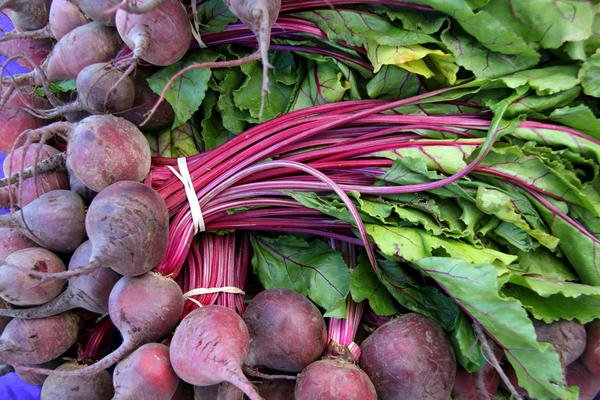
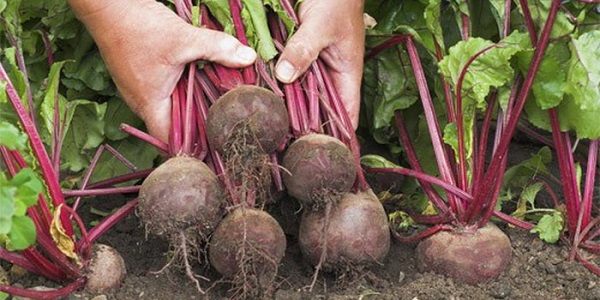
In such situations, there is a high risk of yellow foliage. Therefore, if such weather conditions occur, it is necessary to reconsider the watering regime of the plantings.
Diseases
Poor care often triggers the development of diseases in garden and vegetable crops. Therefore, if beetroot is not properly cared for, the risk of pathogenic microflora infecting the crops is very high.
Beets most often suffer from the following diseases:
- rust;
- jaundice.
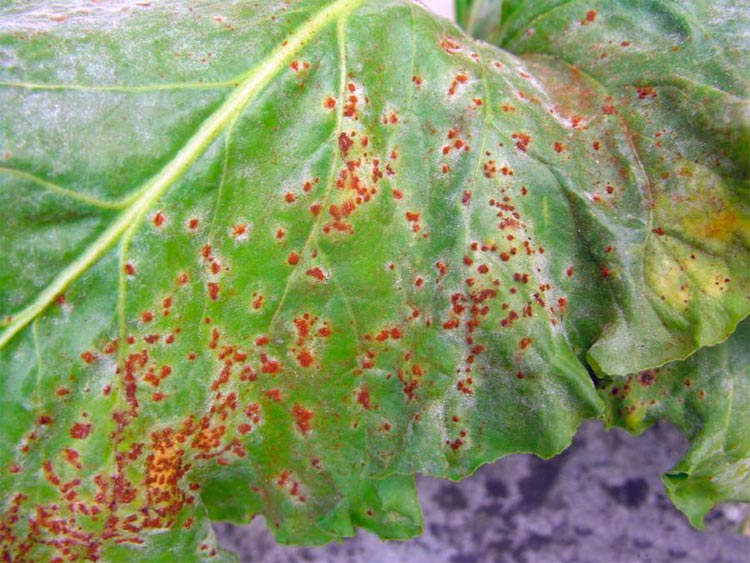
Rust is accompanied by the appearance of orange, round spots 2-6 mm in diameter on the leaves. After some time, small light-brown dots form on the upper surface of the leaf blade. Meanwhile, cup-shaped spore receptacles develop on the underside. After approximately 10-12 days, uredinia—yellowish-brown pustules—form. They are arranged in concentric circles. After some time, the disease spreads to the stems and petioles.
This disease typically develops in early summer or late spring. It initially attacks young leaves, disrupting their photosynthesis process. As a result, the root vegetables become less sugary.
When harvesting from plants affected by rust, the following steps should be taken:
- The shoots are cut off. They are removed to the base;
- all rotten shoots are cut off down to healthy tissue;
- all cuts must be disinfected with a 1% solution of ferrous sulfate and clay;
- cut plant remains must be buried in the ground to a depth of at least 0.5 m;
- The harvested crop should be sprayed with suspensions of preparations: 90% copper oxychloride (3.2-4), 80% cuprosan (2.4-3.2 kg/ha), etc. These preparations are also suitable for controlling cercospora and downy mildew. Repeat spraying is carried out after 15-20 days if the weather is damp. The cracking radius should be at least 5 m.
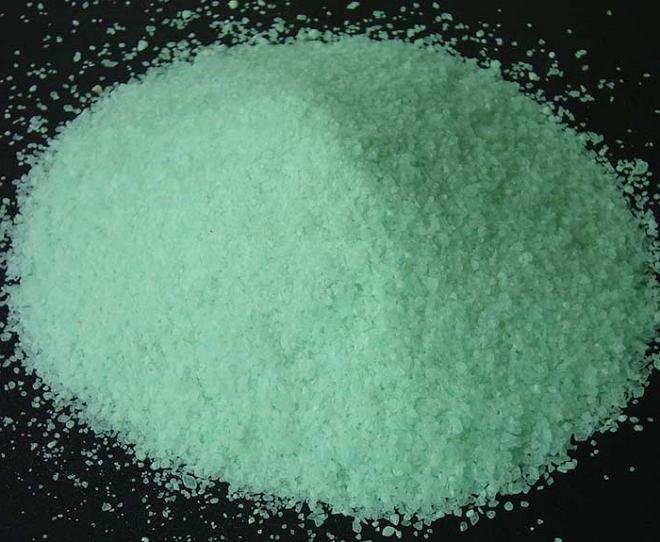
For spraying crops you can use:
- 3% suspension of 90% copper oxychloride;
- 1% Bordeaux mixture;
- 0.4% suspension of 80% zineb.
It is worth noting that you cannot spray the seed plants during flowering.
The second disease that frequently affects beets is yellows. It is caused by a virus transmitted by aphids. Weeds are the source of infection.
The disease manifests itself as yellowing of the lower and middle leaves. The yellowing begins at the tip, and then spreads along the edges and main veins. The green color persists for a long time at the base of the leaf blade. Infected leaves become more brittle and dense, but their width also increases. A slimy yellow mass accumulates in the sieve tubes. If no control measures are taken, the slime reaches the plant roots. This can result in yield losses of up to 3%.
The only thing that will help protect beets from yellows is regular weeding, as well as control of the main carriers of the pathogen - insects.
Pests
Insect pests are often responsible for yellowing beet leaves. They carry pathogenic microflora that promote disease development.
Sugar beet aphids frequently attack this crop. Emerging in May, they can produce 10 generations during the summer. Larvae and adults destroy plants by sucking their sap. As a result, the lower leaves become deformed and curl. This leads to yellowing of the leaf blades and curling of the foliage. The leaves lose their elasticity and begin to wilt. In dry weather, they dry out. This situation slows plant growth and reduces the likelihood of a large harvest. Therefore, as soon as these pests are detected, it is necessary to take countermeasures. Insecticides and folk remedies (an infusion made from onion skins, green potato tops, or dandelion leaves) can be used to control aphids.
Aphids' natural enemies are ladybug larvae and beetles. Therefore, they should not be driven away from the garden beds.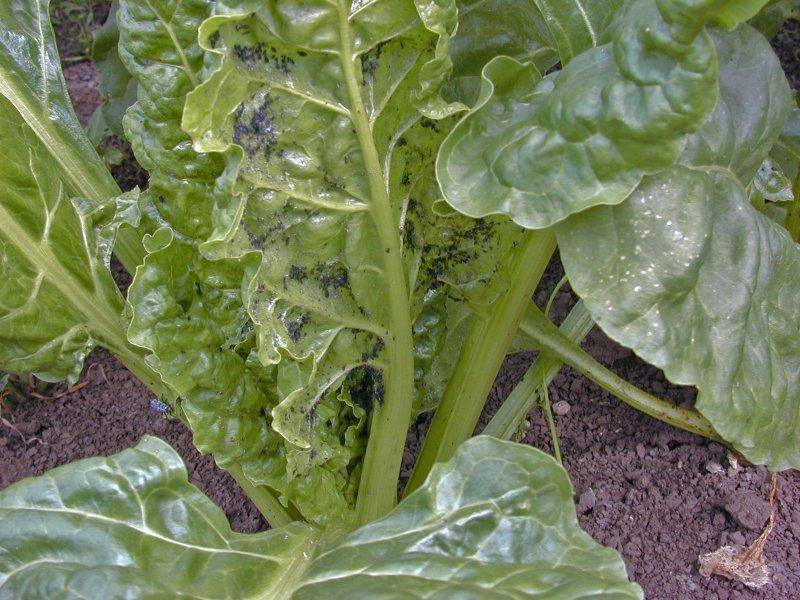
Besides aphids, beets are attacked by the following pests:
- beet flea beetle;
- beet fly;
- beet tortoiseshell;
- beetroot crumble.
To prevent diseases and pests from affecting beet crops, it is necessary to carry out preventive treatment of the plants.
Prevention
Prevention of beets from insects and diseases involves:
- compliance with crop rotation rules;
- regular weeding;
- proper care;
- removal of plant debris from the beds;
- Treatment of plants with folk remedies and systemic fungicides.
Now you know why beet leaves turn yellow and what to do about it. Remember that proper and timely preventative measures will allow you to harvest a large, healthy, and sugary beet crop.
Video "Diseases"
From the video you will learn about beet diseases.