
Growing Beets: Secrets to a Good Harvest
Content
What time to plant?
For the sown seeds to begin developing, the air temperature must be above 5 degrees Celsius – then the first shoots will appear within 20 days. If the temperature rises above 10 degrees Celsius, the beets will not be left behind and will sprout within ten days. 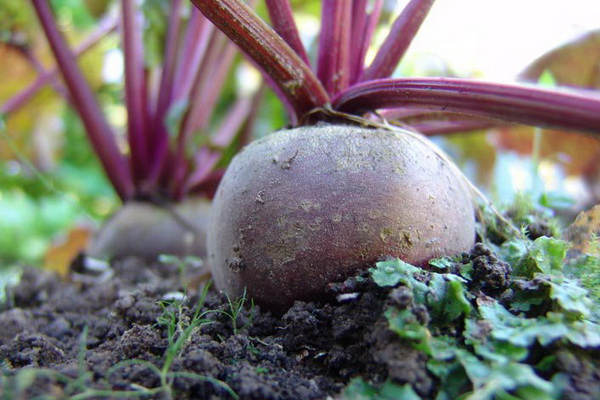 Therefore, the higher the air temperature, the faster the seedlings will emerge. Be sure to take this seed quality into account when planning beet sowing and growing. Gardeners typically try to plant beets by mid-May, but if warm weather hasn't yet arrived, they can be planted later. Planting time doesn't affect beet yield: if you follow basic care guidelines and remove weeds promptly, and if the weather is warm, late-planted plants can produce a bountiful harvest, in no way inferior to early-planted ones.
Video "The Subtleties of Growing"
From the video you will learn about the intricacies of growing this root vegetable.
What kind of soil is suitable?
To ensure a bountiful harvest, be sure to water your beet beds during the germination period. Adequate moisture also promotes leaf formation. Once the rootstock is well established, watering can be reduced: well-developed beets can easily withstand short dry periods, but excess moisture during this period is not their preferred method. 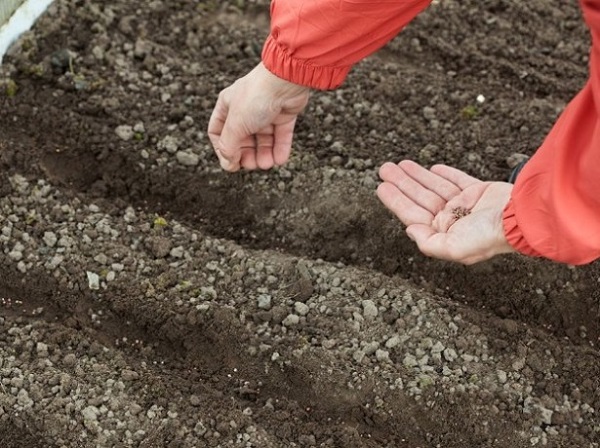 Excessive soil moisture can negatively affect the rate of vegetable growth and also slightly reduce the crop yield.
Growing beets requires particularly careful selection of soil – the crop is demanding of the fertility of the site.
Loose, humus-rich soil mixtures are best. It's important to fertilize the area under the crop in the fall, adding well-rotted manure at a rate of 25 tons per hectare.
Preparing seeds for sowing
To facilitate subsequent beet care and speed up germination, the seeds need to be germinated. This is done as follows:
- Place moistened cotton wool or cotton cloth in a shallow bowl, and place several dozen seeds on it;
- the seed material must be covered with another layer of damp cloth on top;
- keep the structure moist.
The number of germinated seeds will help you determine the overall germination rate. Typically, for first-grade seeds, the germination rate is around 80%.
There are ways to speed up germination, such as vernalization. This method involves soaking the seeds for 36 hours in plain, clean water. The swollen seeds are then placed in a container in a refrigerated container in an even layer 3 cm thick for at least 8 days. All procedures must be completed no later than 12 days before the intended sowing date.
The normal seeding rate is 19 grams of seeds per 100 square meters—by maintaining this density, you won't complicate your future beet care. Don't plant the seeds deeper than 3 cm—they may not get enough oxygen, but don't sow too shallowly, or the wind will blow away your entire crop.
How to grow seedlings?
If you're wondering how to grow your first root vegetables by the end of spring, consider building a greenhouse or insulated beds. The latter option doesn't require much effort; simply dig a small, shallow pit (no deeper than 40 cm and no wider than 1.5 m), place a layer of manure at the bottom (the pile should be 20 cm above the ground), and then add another 20 cm of soil. 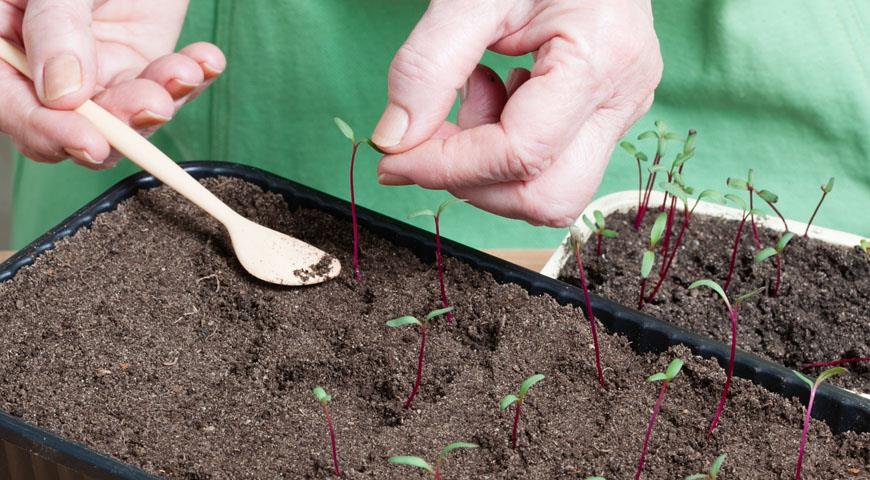 Thanks to a thick layer of manure, the bed will constantly emit natural heat, which can protect the young plants, and a layer of covering material stretched over the bed will provide additional protection. Seeds are sown in the area prepared in this way at the end of April, or around the 20th of May if using seedlings. This method allows for much earlier harvesting of root vegetables.
How to care for root vegetables?
When answering the question of how to care for beets, the first thing to note is preventing the formation of a hard crust on the soil surface. Another danger for young plants is weeds: they can easily choke young shoots, as parasitic plants grow much faster than vegetable crops. To ensure a successful harvest, try to regularly loosen the soil, water the beds thoroughly, and remove weeds. Spraying the beds with a sodium nitrate solution has proven to be quite effective at controlling weeds (beets are particularly fond of it). 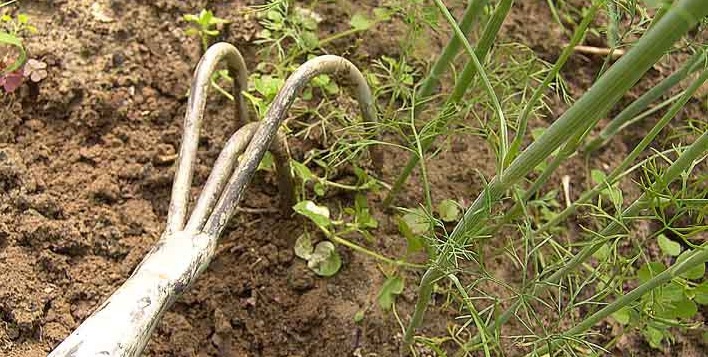 If dry weather sets in without precipitation, remember to water regularly, and loosen the soil as soon as moisture is applied. This is essential to ensure water reaches the plant's roots, which are located quite deep—up to 15 cm.
As soon as the plants develop their second pair of leaves, they need to be given their first feeding. A mixture of ammonium nitrate and potassium salt is suitable for this: 8 grams per square meter of soil is sufficient.
The second feeding should be carried out when the beet rows are almost closed, although you will need a little more fertilizer.
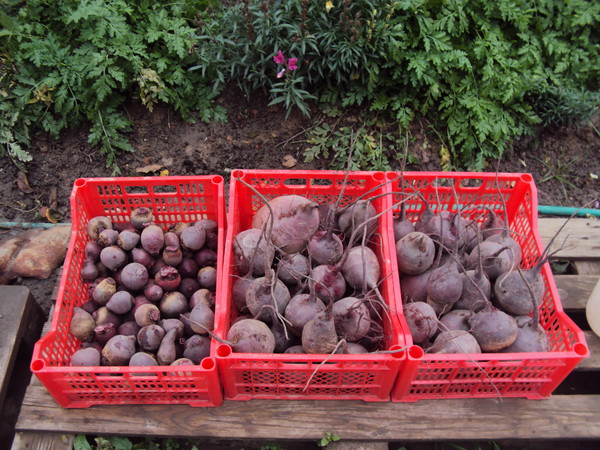
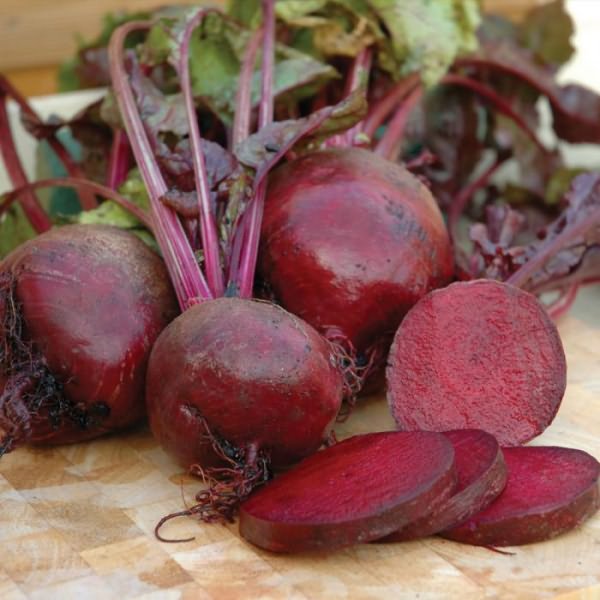
Many people wonder why beets sometimes lose their flavor and produce poor fruit. To ensure sweet beets and a good harvest, the plants need to be carefully thinned. The rapidly growing roots compete for nutrients with each other, resulting in densely planted beets that grow weak, small, and tasteless.
The beds are thinned several times, depending on how many seeds were sown initially:
- the first time - after the first pair of leaves appears, leaving a distance of at least 2 cm between the sprouts;
- the second time - after the appearance of the fifth true leaf, leaving a distance of about 5 cm;
- The third time the beets are thinned out in August, leaving a distance of at least 7 cm.
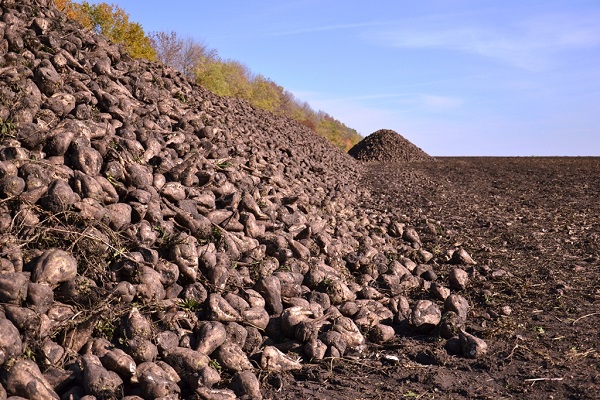
Root crops are typically harvested 75 days after sowing, but it's important to prevent damage from the first frost. With proper care, approximately 40 tons of root crops (table beets) can be harvested per hectare, while fodder beets yield approximately 30 tons per hectare.
Video: Seed Preparation
This video will show you how to prepare seeds for planting.