
Popular beet varieties in the Moscow region: growing and care
Content
Varieties
Before choosing a specific variety of beetroot, it is worth studying the main groups of beet varieties.
Sugar. The distinctive features of this vegetable are its white color and elongated, conical shape. These fruits are typically used for sugar production. This is because the sweet portion accounts for at least a quarter of the root.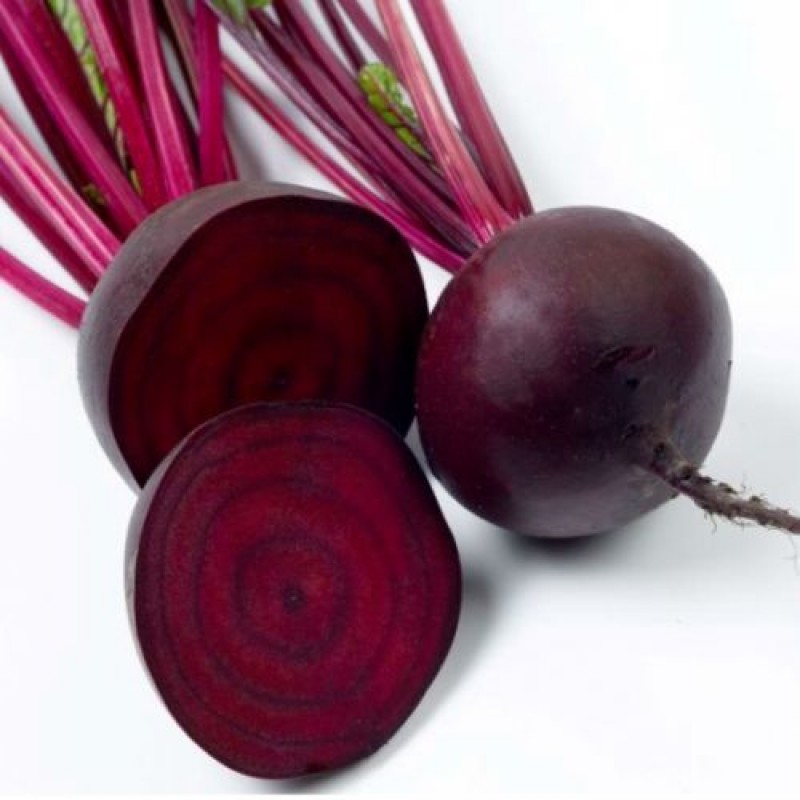
Fodder beet. Its large vegetables are most often used as feed for cattle. This type of beet has no flavor, but it does contain a large amount of fiber.
A leafy variety characterized by vigorous growth of lush foliage. The green part of the plant tastes like spinach and is rich in nutrients. This variety is not very common in the country, so gardeners rarely grow it.
Beetroot is the most popular vegetable. It is grown throughout almost the entire country. Its shape can vary, and its color ranges from pink to deep dark red.
Gardeners primarily grow beetroot, so it's worth carefully considering the specifics of this particular root vegetable.
Video "Varieties"
From the video you will learn the characteristics of many varieties of beets.
Varieties for Moscow region plots
Like any vegetable, beets are divided into groups:
- Early varieties (the vegetation period of such plants lasts about 3 months, and they are used immediately after harvesting, as they cannot be stored for a long time).
- Mid-season crops with a growing season of up to 4 months. These vegetables can be stored without damage or harm. Furthermore, they are drought-resistant.
- Late varieties. These plants grow and ripen over a period of five months. Late fruits can be stored for long periods without losing their beneficial properties.
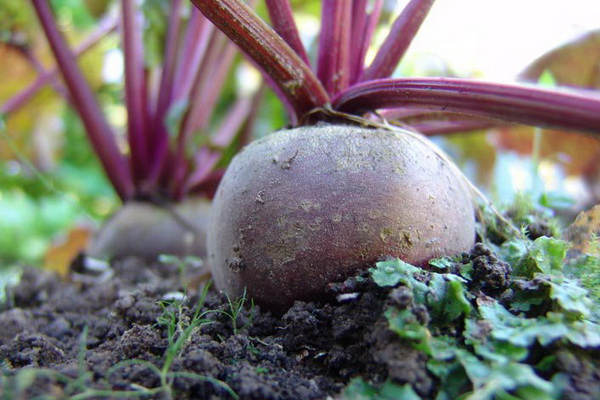
Taking into account the climatic conditions typical for the Moscow region, the following varieties are most suitable for cultivation in the region:
- early: Russian single-seeded, Bolivar, Red Ball, Regala, Modana, Detroit, Libero and others;
- mid-season: Egyptian flat, Borshchevaya, Cornel, Delikatesnaya, Crimson ball and others;
- late: Tsilindra, Renova, Komandor, etc.
Early varieties
Bikores. This variety of beetroot has a very pleasant taste, making it widely used in cooking. The flesh of these beets is deep red. Each beet weighs, on average, 200–300 grams. Up to 9 kilograms can be harvested per unit of area.
Red Ball. After the first shoots appear, after three months, the vegetable can be harvested. These fruits are round, with dark scarlet flesh and a piquant flavor. Each vegetable can weigh up to 500 grams. The yield of this variety is up to 12 kilograms per unit area.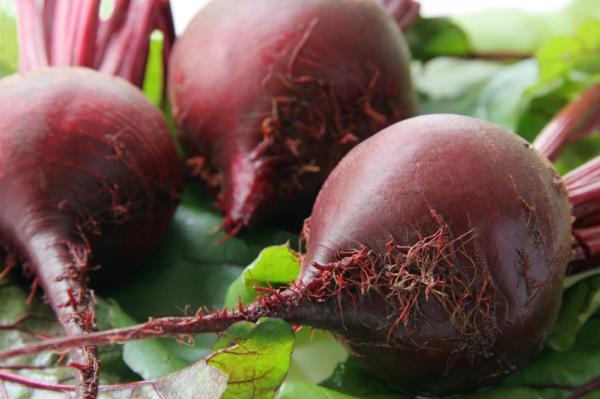
Modana. This beet tolerates transplanting well, so when thinning, you don't have to destroy the excess plants; you can simply move them to a new location. Modana's flesh is burgundy. Each beet weighs 350 grams. The plant's growing season is approximately 80 days.
Mid-season varieties
The Detroit apple is considered a high-yielding variety. It is characterized by a round shape and burgundy flesh. Its maximum weight reaches 250 grams. Its key features include resistance to low temperatures, good storage properties, and its wide use in canning.
Bordeaux 237. The most popular variety with excellent flavor. The fruits are round and dark scarlet. Each beet weighs between 250 and 500 grams. The variety's advantages include good cold tolerance, excellent shelf life, and disease resistance. The yield is 8 kilograms per unit area. These vegetables are widely used in preserves and in various dishes.
Borschevaya. The fruit ripens three months after the first shoots appear. The flesh is red. The root vegetable can be stored all winter without losing its flavor.
Bull's Blood is a variety that boasts consistent yields, cold resistance, and excellent winter shelf life. The fruits are round and deep red. Each fruit can weigh up to 200 grams. Bull's Blood is most often canned.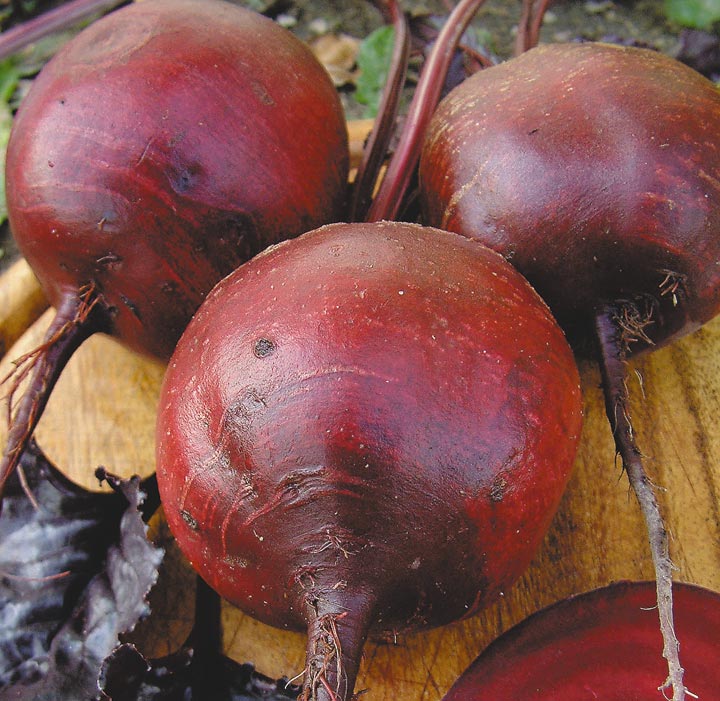
Crimson Ball. This variety ripens in four months. The fruits are spherical in shape, weighing up to 250 grams each. While not particularly shelf-stable, it is widely used in cooking.
Rules for selecting seeds
Once the beet variety has been selected for planting, gardeners face a new challenge: choosing high-quality seed. To select seeds more quickly and accurately, follow a few simple guidelines:
- zoned seeds may have different growing seasons;
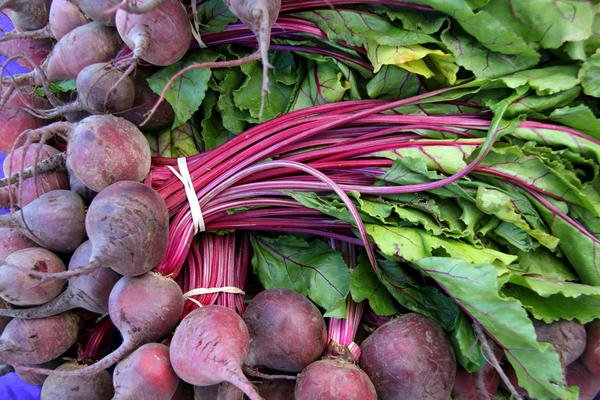
- the tops should form a regular rosette, located near the roots;
- the root of the tops should not be thickened at its base;
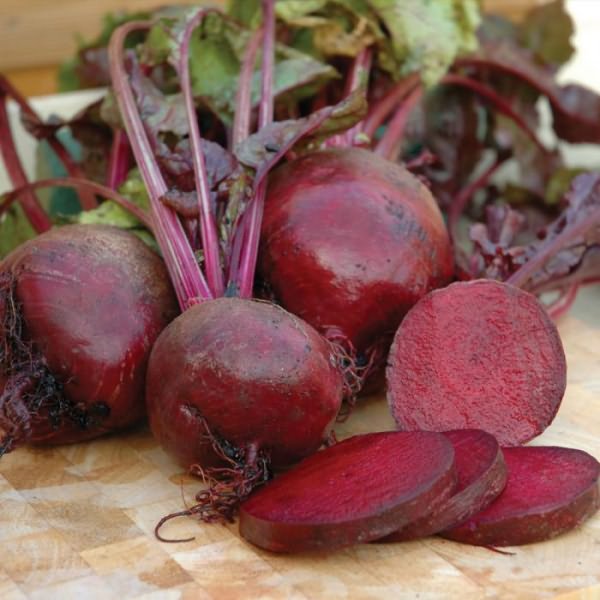
- the pulp of the vegetable, which has a uniform, homogeneous color without veins, is another sign indicating the quality of the variety;
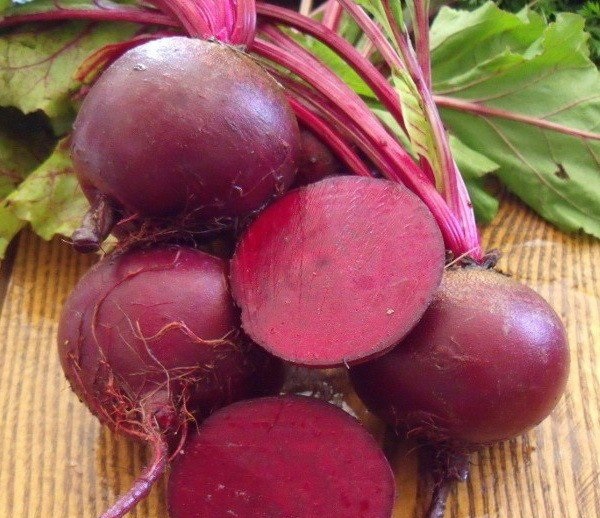
- small vegetables with low sugar and other beneficial substances;
- Beets that are spindle- or cylinder-shaped are more likely to wilt or spoil during storage than other shaped beets;
- For culinary use, the most suitable beetroot fruits are medium-sized, round, slightly flattened.
How to grow
To reap a bountiful harvest, beets need to be grown and cared for properly. To do this, consider the following factors:
- Every year, beets should be planted in a new location on the plot.
- Soil for planting vegetables should be prepared starting in the fall: during this period, the soil is dug to a depth of half a meter.
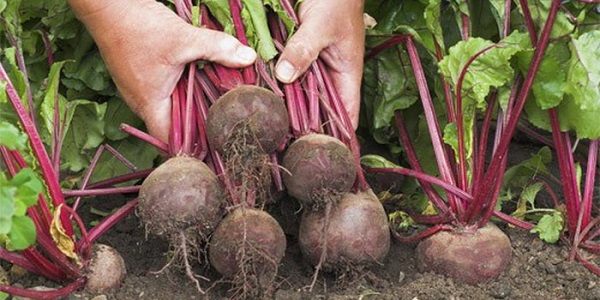
- After the first shoots emerge, the space between the rows should be loosened, and all seedlings must be thinned. This procedure is performed for the first time after a pair of leaves have formed on young plants. The procedure is repeated after 4-5 leaves have formed, maintaining a minimum distance of 0.06-0.1 meters between plantings.
- The vegetable requires several fertilizations: nitrogen supplements during the initial stages of plant development, and potassium supplements during the ripening phase. To improve yields, a solution of water and table salt can be used. It's important to remember that excess nitrogen causes veins and voids to form inside the root vegetable.
-
So, growing beets in the Moscow region has its own specifics. To ensure a bountiful harvest, everything needs to be considered—from the variety to the fertilizer. Therefore, those who decide to grow beets in the Moscow region should carefully study the key specific aspects of the process.
Video "The Subtleties of Growing"
The video will cover all the intricacies of growing beets.