
All about growing sugar beets
Content
Description and characteristics of the plant
Sugar beet is a biennial beet plant that contains a large amount of sucrose. It is grown for industrial sugar production and also for animal feed, as its yield is quite high.
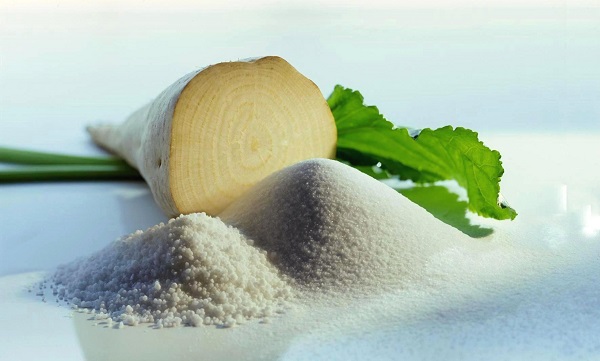
The beneficial properties of the plant were discovered by Andreas Marggraf back in the 18th century. After studying the vegetable, the scientist concluded that it was similar to cane sugar. In the early 19th century, his student opened a factory specializing in extracting sugar from beets. Since then, agronomists around the world have been developing new varieties of the plant. Today, there are a number of hybrids of the crop whose yields are beyond praise.
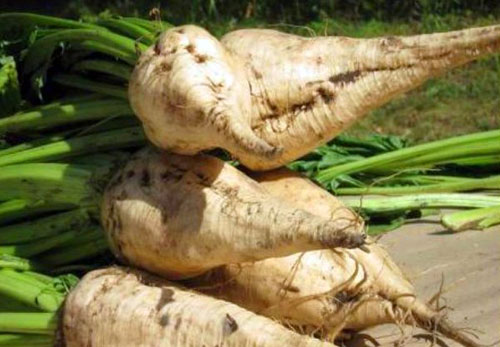
As for the fruit itself, its upper part consists of green leaves and buds located in the axils. The vegetable grows above the soil surface. The neck of the fruit is located between the root and the head. The beet has a conical white root.
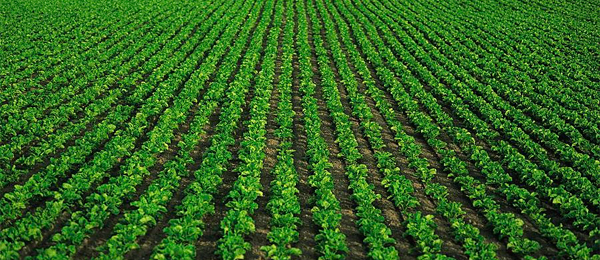
Beets require plenty of sun, water, and warmth. They can be successfully grown in black soils with consistent, abundant watering. Beets are grown primarily in Georgia, Ukraine, Russia, and the Middle East.
Video: Beet Growing
The video shows how beets are grown in fields.
Beneficial properties
In addition to sugar, the plant produces molasses, which serves as a base for citric acid, glycerin, alcohol, and yeast. The pulp obtained from the root is used as animal feed, and the feces are used as fertilizer. Beets are also the basis for the production of ethyl alcohol for fuel.
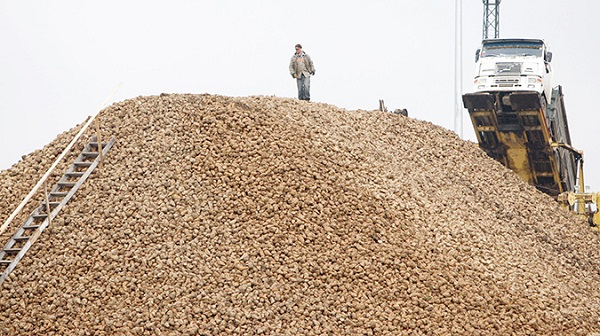
Sugar beet is an excellent assistant for making homemade jam, preserves and cookies.
Beets contain a large number of vitamins, in particular B, C, PP, as well as elements such as magnesium, calcium, copper, iodine, and potassium. Regular consumption of this vegetable has a positive effect on immunity and metabolism, promotes rejuvenation, and helps remove toxins from the body. Consuming beets for gastritis, high stomach acidity, and gallstones will be detrimental, but for anemia, leukemia, and hypertension, beets are just what the doctor ordered.
Main varieties
It's virtually impossible to distinguish between sugar beet varieties by appearance. They all have a white interior and exterior and a similar appearance. As for classification, they are divided into three groups based on the sugar content of the roots:
- High-yielding, the sugar content of which is characterized as average and low.
- High yielding, sugary, with high sugar content and fertility.
- Sugary vegetables, which are characterized by a high sugar content in root crops, but their yield is inferior to high-yielding sugary vegetables.
Landing
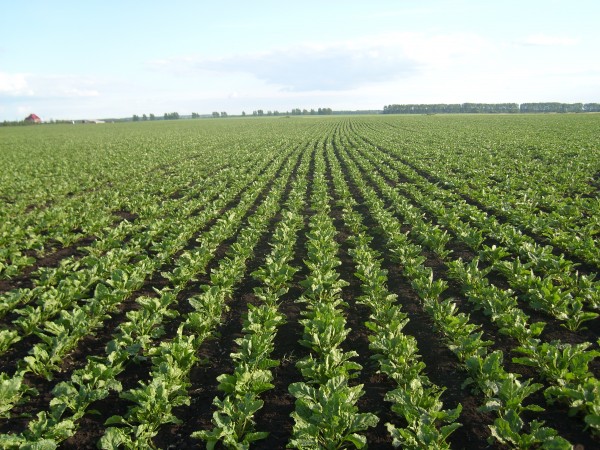
Sugar beet planting has its own specific characteristics, depending on the crop type. Since the plant's primary purpose is for production and forage, cultivation technology is developed with these characteristics in mind.
Preparing seeds and soil for sowing
Growing sugar beets requires preparing the soil and seeds for the process. The soil is usually intensively fertilized with nitrogen, potassium, and phosphorus in the fall, followed by loosening to a depth of 30 cm. In the spring, harrowing and cultivation are carried out, and then the soil is leveled. Fresh manure should never be added at this time! Fine straw is used as fertilizer instead. All these steps are the foundation for the gradual, even emergence of the first shoots.
Sugar beet seeds are also prepared properly. First, they are cleaned of dust and impurities, ensuring the seeds have a long shelf life without losing their properties. Next, the seeds are thoroughly cleaned of stems and debris, and then polished. They are then sorted according to diameter according to the following diagram: 3.5-4.5 mm and 4.5-5.5 mm.
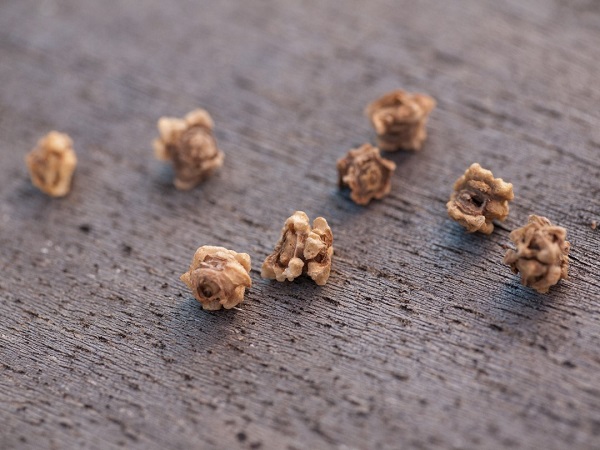
Immediately before sowing, the seeds are pelleted with nutrients such as molasses and humus. The final step is soaking them in warm water for 24 hours.
It's worth noting that such preparation can only be carried out in a commercial setting. Therefore, for home cultivation, it's best to purchase pre-prepared seeds from a specialist store.
Sowing technology
Sugar beet cultivation in Russia is characterized by its specificity. This process involves a number of steps:
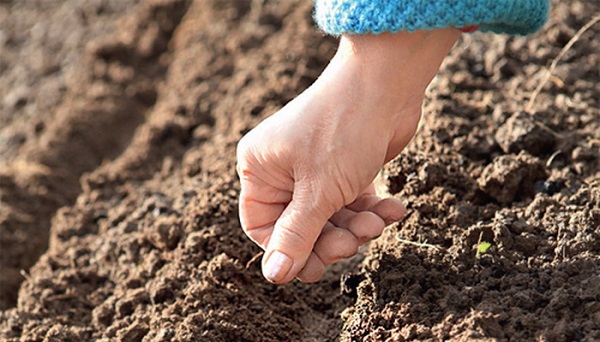
- Sow seeds only in soil that's warmed to at least 6°C (41°F) and at a depth of at least 5 cm (2 inches). The air temperature should not drop below 8°C (46°F). There should be little time between soil preparation and sowing itself. It's best to sow on a sunny day.
- To make caring for the plant convenient and practical, rows are placed at a distance of 45, 60 and 70 cm from each other.
- After a couple of days, the soil needs to be harrowed.
- When the first shoots appear, it's worth carrying out preventative and pest control, particularly against the beet flea beetle. Metaphos can be sprayed for this purpose.
- If the weather is favorable, the first shoots can be expected within 10 days.
- After the leaves have formed, harrowing should be carried out. Avoid harrowing immediately after emergence, as this can damage the seedlings.
Care
After the young shoots emerge, careful special care should be provided, that is, cultivation of sugar beets:
- Carefully carry out a balling (deep loosening of the soil between the rows) to a depth of 6-7 cm.
- To ensure bunching, thin the rows to leave 3-4 strong plants. The first time, this is done mechanically, using specialized equipment; all subsequent operations can be done manually.
- Longitudinal and transverse cultivation between rows.
- Loosening to a depth of 12 cm.
- Sugar beets require regular watering, especially when the tops are forming. In July, watering should be weekly, and in September, it should be stopped completely.
- Beets require fertilization, as this is an essential part of plant care. Phosphorus-potassium and nitrogen fertilizers are primarily used; excessive amounts of these will cause the root crop to become saturated with nitrates.
- Sugar beet requires prevention of diseases and pests.
Pest and disease control
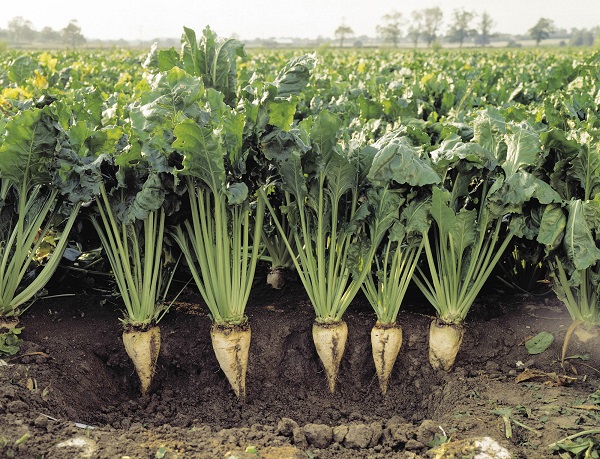
During its growing season in Russia, sugar beets can be susceptible to various diseases and pest attacks, which significantly reduce yields. To preserve the harvest, it is necessary to combat the pathogens and vectors of each sugar beet disease.
Beets are susceptible to weed infestation, which can be easily controlled with glyphosate herbicides. However, they should not be used during dry summers.
Fruit rot and soil pests are terrified of proper soil treatment. Rot can be controlled with various biological products, such as Betaprotectin.
Flea beetles, matted carrion beetles, and aphids have a negative impact on beetroot and its yield, so they must be controlled through preventative soil treatment.
Sugar beets, also known as beets, can be grown in Russia for domestic purposes. To ensure a high yield, it's important to prepare the soil and seeds, ensure proper and adequate watering and fertilizing, and prevent pest attacks. If you follow proper agricultural practices, sugar beets will reward you with sweet and delicious fruits. After all, the yield of this crop in Russia depends on the quality of its care.
Video: Planting Beets
This video shows how to plant beets in the garden.