
Why do beet leaves turn red and what to do about it?
Content
About growing beets
Growing beets is quite easy. Regardless of the variety, you can harvest the root crop within two months of sowing.
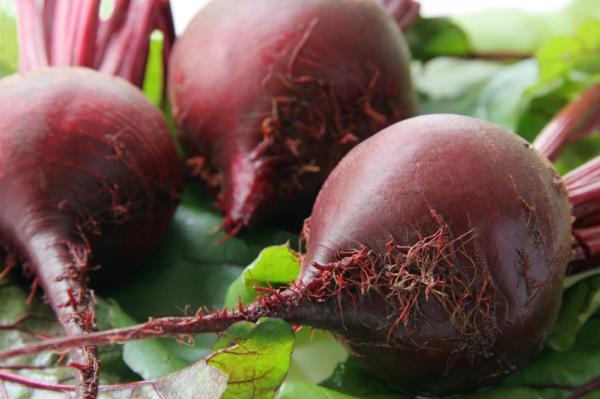
The vegetable grows best in loamy soil. This type of soil will produce a harvest in the shortest possible time with minimal composting.
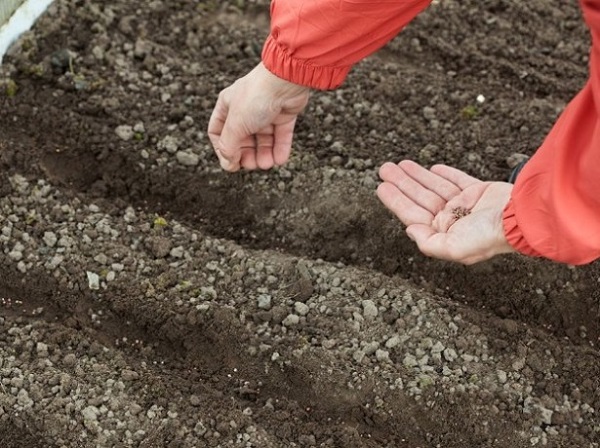
Many gardeners plant seeds directly into the soil, albeit in well-warmed and dry soil. The first beet sprouts appear at temperatures of 5°C, making this growing method quite promising. However, timely thinning is crucial, as many seeds contain up to four embryos. These can produce several plants at once, which interfere with each other's growth. Furthermore, temperature fluctuations significantly affect the growth and development of young seedlings. Stunted growth due to this will prevent a bountiful harvest.
Beets typically don't suffer from transplantation, but the soil around them should be thoroughly watered beforehand. It's worth noting that growing beets from seedlings allows for earlier harvesting. Furthermore, seedlings are less susceptible to various diseases and pests. They're also weed-resistant.
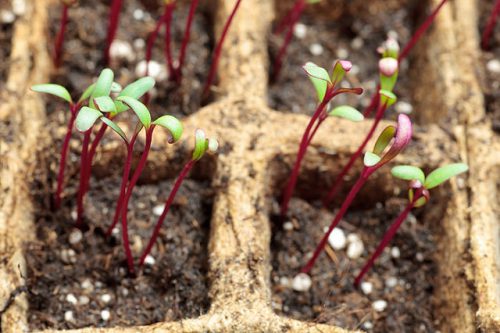
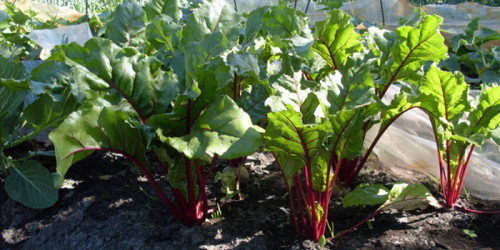
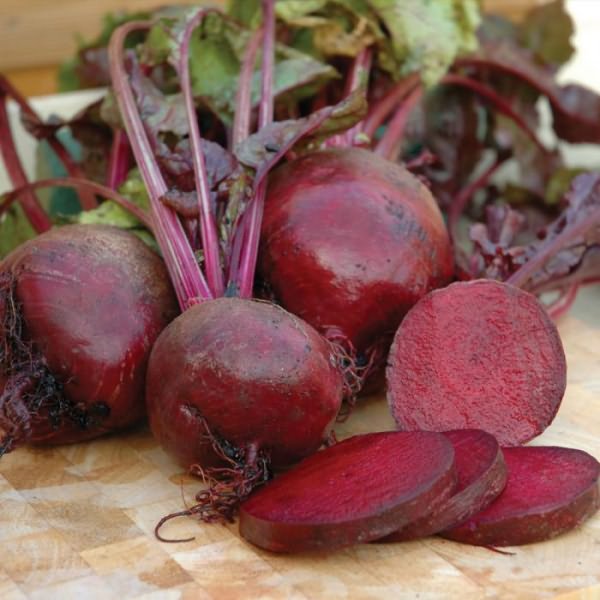
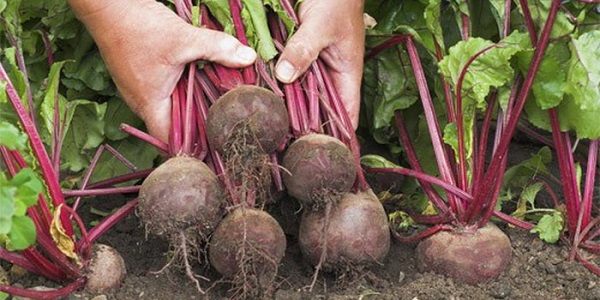
It's best to space the beets apart to match the diameter of the desired root. Once the beets are fully formed and reach your desired size, their skin will become tougher and the leaves will become coarser. Once this happens, the beets are ready to harvest. Otherwise, they won't store well and will lose flavor and juiciness. Beet leaves are also edible and provide health benefits.
So, beets don't require much care and present no difficulties for gardeners growing them. Occasionally, certain problems arise, such as the leaves turning red. There are several reasons for this.
Video: "How to Grow Beautiful Beets"
The video provides detailed information about the beet growing process.
Sodium deficiency
Why have beet leaves turned red? This often occurs when the plant lacks sodium. What should be done to correct the situation? You can replenish this micronutrient by watering it with a saline solution. Its main ingredient is table salt (250 g) dissolved in a bucket of water. A couple of liters of the liquid mixture is sufficient per unit area. When fertilizing, water the vegetable foliage.
However, all these manipulations should be carried out only after confirming that the reddening of the crop's tops is caused by a lack of this mineral. After all, excess sodium can significantly reduce the plant's yield.
Phosphorus and potassium
The leaves of the vegetable also turn red due to a lack of other elements, in particular potassium and phosphorus.
Signs of phosphorus deficiency include a series of sequential phenomena: dullness, darkening, and only then reddening. Increasing the root vegetable's phosphorus levels is easy by fertilizing it. Superphosphate is the best option.
If beet leaves not only turn red but also curl, this is a sure sign of potassium deficiency. The tops first lose their green color, and then turn dark red and change shape (curl). Adding potassium-rich fertilizer can help improve the situation. You can also fertilize the bed with wood ash at a ratio of 1 cup per unit area.
Soil acidity
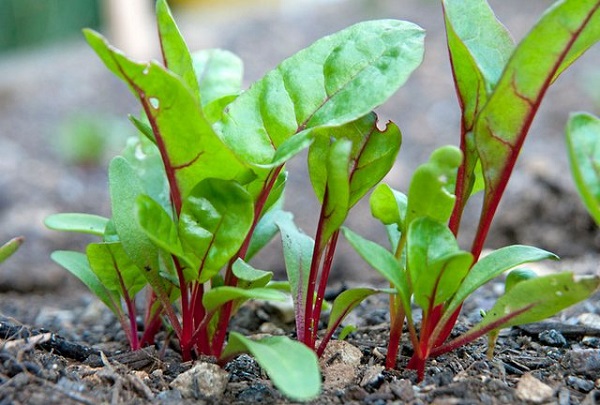
Not every soil pH level meets the requirements of beets. This soil characteristic also causes discoloration of the crop. This problem is not as easy to solve as the previous ones. Why?
First, you need to determine the soil's acidity using litmus paper. The plant prefers neutral soil and will not grow in an acidic environment. You can also determine the acidity using concentrated vinegar and baking soda. This method is a bit more complicated than litmus paper, but it can be used if you don't have litmus paper. Simply take a lump of soil, moisten it, and form it into a patty by hand. Then, drop vinegar essence onto it. An effervescence indicates that the soil is alkaline; the absence of a visible reaction indicates that the soil is neutral or acidic. In this case, form another patty and sprinkle baking soda on it. If the reaction is present, the soil is acidic. After all these steps, you can clearly determine whether the soil is the cause of the beet tops turning red.
It is worth neutralizing soil acidity with wood ash. Dolomite flour or lime can be used, but they have a harsh effect on the soil. Ash, on the other hand, is completely harmless. The required amount of ash should be calculated based on the soil's acidity. On average, 100 grams per square meter should be used.
Causes of yellowing leaves
Sometimes beet tops turn yellow. Why? Most often, this is due to a lack of moisture. Sometimes, yellowing is caused by a nitrogen deficiency in the soil. In this case, the yellowing spreads from the veins to the edges and is accompanied by a slowdown in plant growth. In this case, fertilize the beets with cow manure or bird droppings diluted in water. On average, one liter of solution should be used per unit area.
So, there are several reasons why beet leaves turn yellow. It's important to identify them and act accordingly.
Video "Beets in the Garden"
In this video, gardeners share their experiences growing large beets.