
Growing Beets in the Urals: A Description of the Best Varieties
Content
How to prepare the soil
Before choosing a beet variety, you need to ensure proper pre-planting preparation of the beds. There are several key aspects to this process:
- Preparation of the land where beets will be grown should begin in the autumn - all remaining plant debris must be completely removed from the beds, and they must be freed from weeds;
- try to sow the crop where cucumbers, potatoes or tomatoes were previously grown;
- the soil must be thoroughly dug up, and the depth of such processing cannot be less than 50 cm;
- add organic fertilizer, you will need about 7 kg of rotted manure for each square meter of beds;
- with the arrival of spring, the soil in the future beet beds is once again carefully loosened and cultivated with a rake;
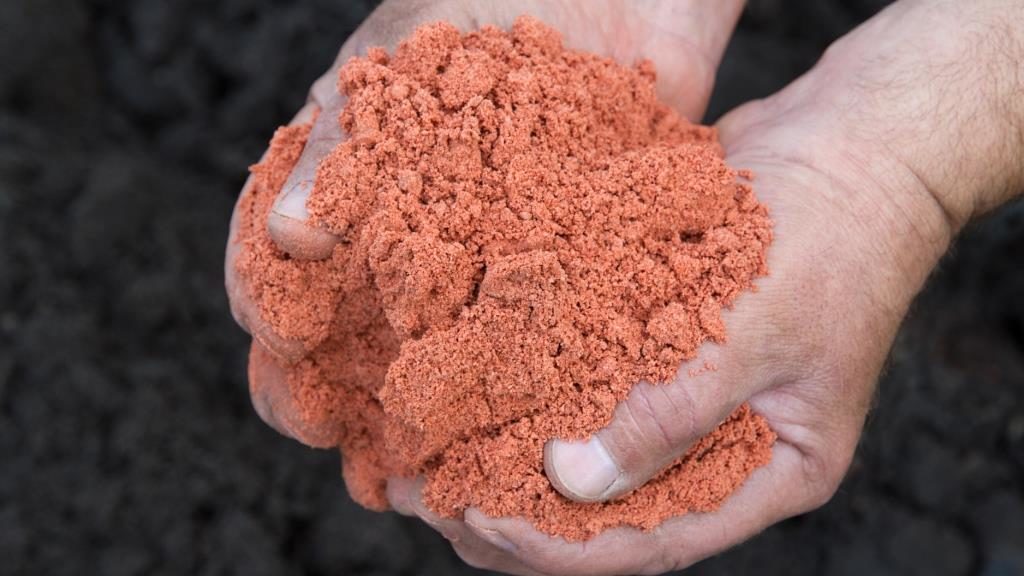
- At the same time, it is necessary to add mineral fertilizers, the basis of which should be fertilizers based on potassium and sodium.
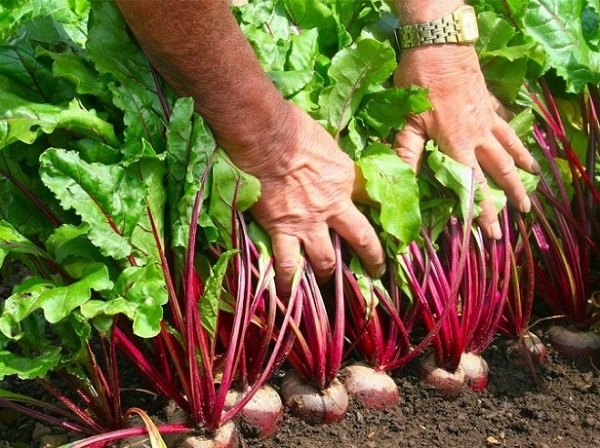
All varieties of table beet don't thrive in acidic soil, which is often the case in the Urals. Therefore, to balance the soil's composition, a small amount of lime should be added.
Video "Description of Beet Varieties"
This video describes the most common varieties of beets.
Features of cultivation
To ensure that beets grow large and tasty in the harsh Urals, try to follow the basic rules for growing the root vegetable:
- do not try to plant the crop in the garden bed until the soil temperature reaches a reliable 5-8 degrees Celsius;
- To speed up germination, the seeds should be pre-soaked in a special stimulating solution. Then, rinse thoroughly with water and wrap them in a clean cloth.
- Given the challenging climate, beets can be grown from seedlings to speed up harvesting. It's important to remember that beet seedlings do not tolerate transplanting.
- Each seed can give birth to several plants, so beet crops require mandatory thinning. This should be done so that approximately 7-10 cm are left between plants;
- try to keep the distance between rows at about 25 cm;
- Don't forget about the need for regular watering. Beetroot beds need to be moistened at least once a month, with about 20 liters of water needed for each square meter of soil;
- And, of course, high-quality regular fertilizing—in the initial stages of growing, beets require sodium (watering the beds with a weak solution of regular table salt is acceptable), but once the root crop begins to form, you can begin fertilizing with potassium fertilizers.
Gardening enthusiasts living in the Urals are well aware of the region's climatic challenges, so they are particularly careful not only when choosing crop varieties but also when selecting the quality of their seeds: seeds must be healthy, free of visible signs of disease or pests, and free of the characteristic odor of decay.
When choosing a variety, preference should be given to those varieties best adapted to the Ural weather conditions. Beets should be highly cold-resistant and ripen quickly.Late-ripening varieties simply won't have time to fully develop here. Of the wide variety of existing varieties, I'd like to focus on those most commonly found in Ural gardens.
Mid-season varieties
These beets successfully ripen on their own, even in the open ground conditions of the Urals; you only need to provide them with the minimum suitable conditions and follow the rules of agricultural technology.
Rocket
A mid-season variety with high yields that has proven itself in the challenging Ural conditions. This variety boasts excellent shelf life—the roots can be easily stored until spring.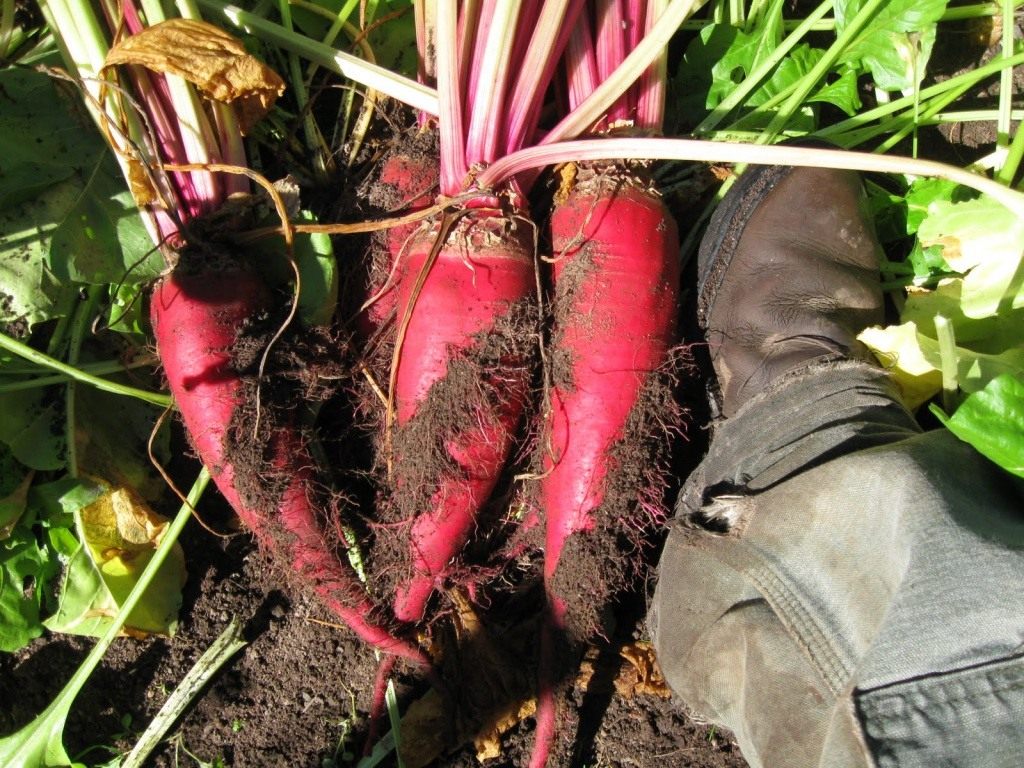
The crop produces smooth, dark-red roots, each weighing up to 400 g. Remarkably, there are no rings when cut. Beets are sweet, juicy, and delicious.
Mashenka
A mid-season cultivar characterized by high yields and excellent transportability. The crop produces fairly large roots, each weighing up to 600 g. The flesh is dark red, very tasty, and ringless. Mashenka is especially beloved by gardeners for its high resistance to wilt and good commercial qualities. This vegetable contains a large amount of vitamins, nutrients, and beneficial microelements, having a beneficial effect on the digestive system when consumed regularly.
Pablo F1
This variety is very popular among residents of northern regions for its resistance to low temperatures. It produces full-sized fruits even during the short Ural summer. It produces round, regular-shaped fruits of approximately uniform size, with juicy and tender flesh, no rings, and a vibrant ruby color.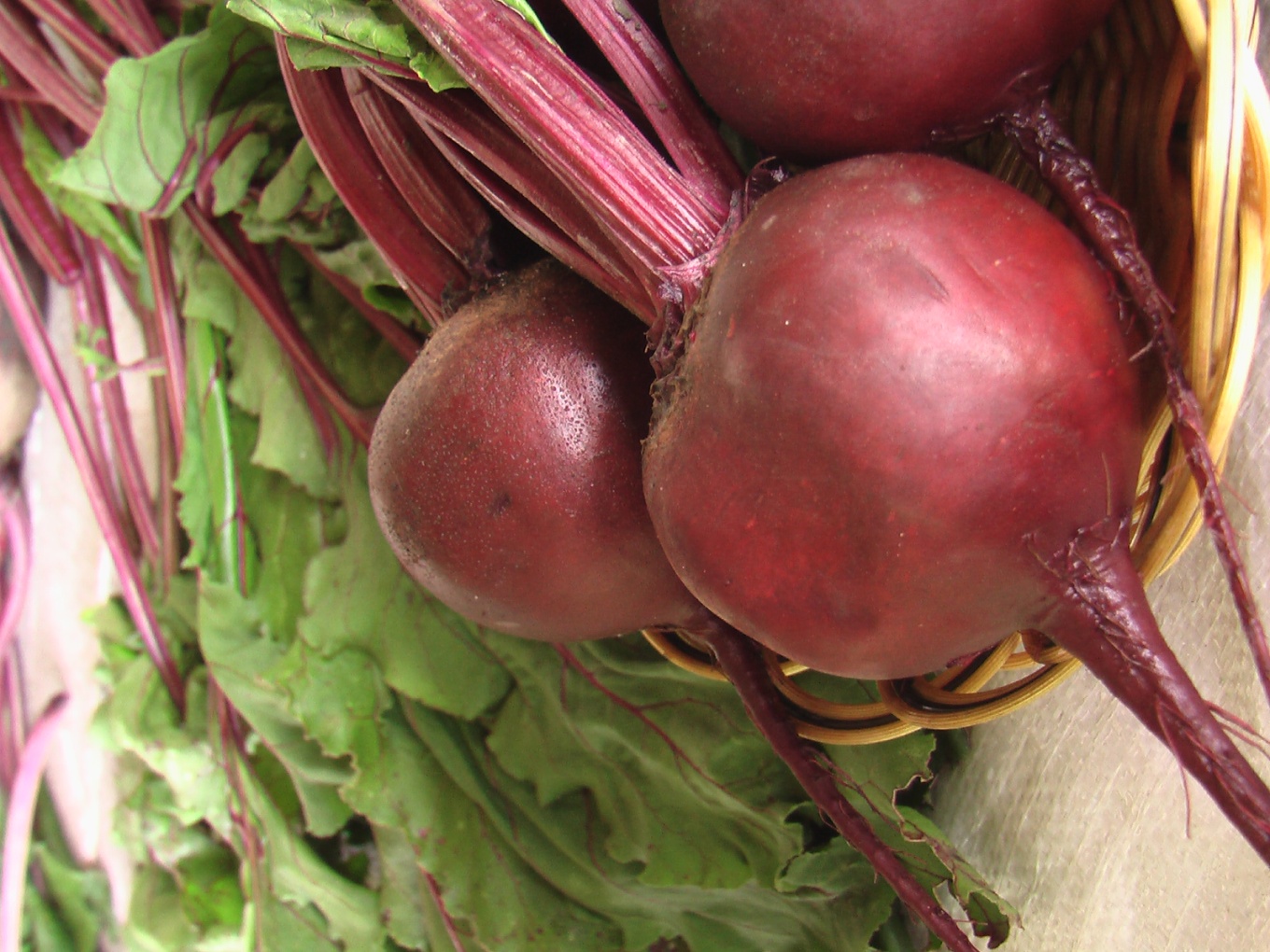
This variety is easy to store, keeps well throughout the winter, and has excellent taste and nutritional qualities, which it does not lose even after prolonged storage.
Mondoro F1
The fruit ripening period for this variety is approximately 110 days. This high-yielding, versatile hybrid produces a neat plant with a compact rosette of leaves and is resistant to bolting. The fruits are round, smooth-surfaced, and lack ring divisions, offering excellent flavor.
Cold-resistant-19
Vegetables of this variety will fully ripen after 75-80 days from the moment of emergence.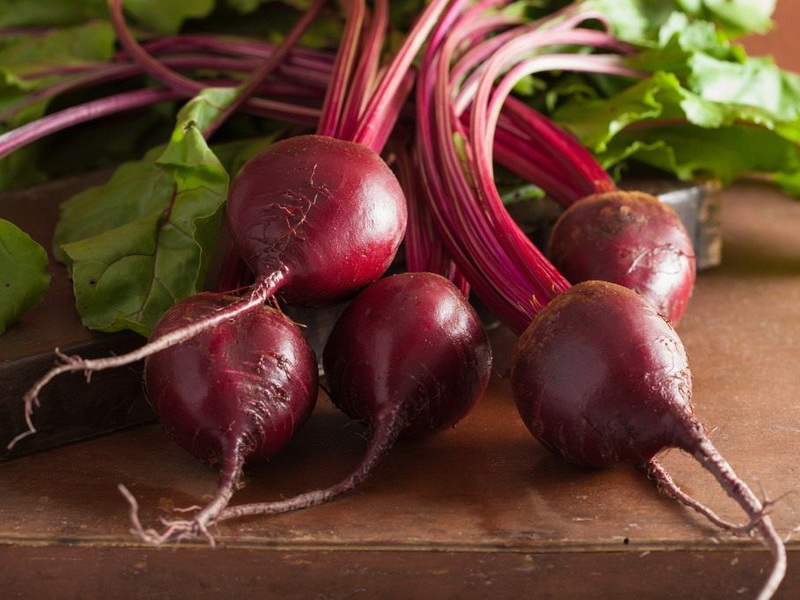
The crop produces dark red, flat-round roots weighing approximately 200 g. Beets have excellent commercial qualities: they are easily transported over long distances, have a long shelf life, and retain their marketable appearance.
It's worth noting that this variety can be sown relatively early, as it's resistant to cold and leaf-sprouting. The fruits are eaten fresh or canned at home.
Milady F1
A mid-season hybrid, the harvest can begin approximately 110 days after germination. It produces elongated, cylindrical roots, each weighing up to 500g. The flesh is tasty and sweet, with an unusual purple color.
Late-ripening varieties
The varieties in this group offer a number of advantages, but growing them in the Urals may require additional efforts, such as constructing greenhouses or temporary hotbeds, etc.
Cylinder
The root vegetable will fully mature in approximately four calendar months from the time the first shoots emerge. The vegetable is large, weighing comfortably up to 600 g each. The flesh is dark burgundy, juicy, and sweet, with excellent storage properties.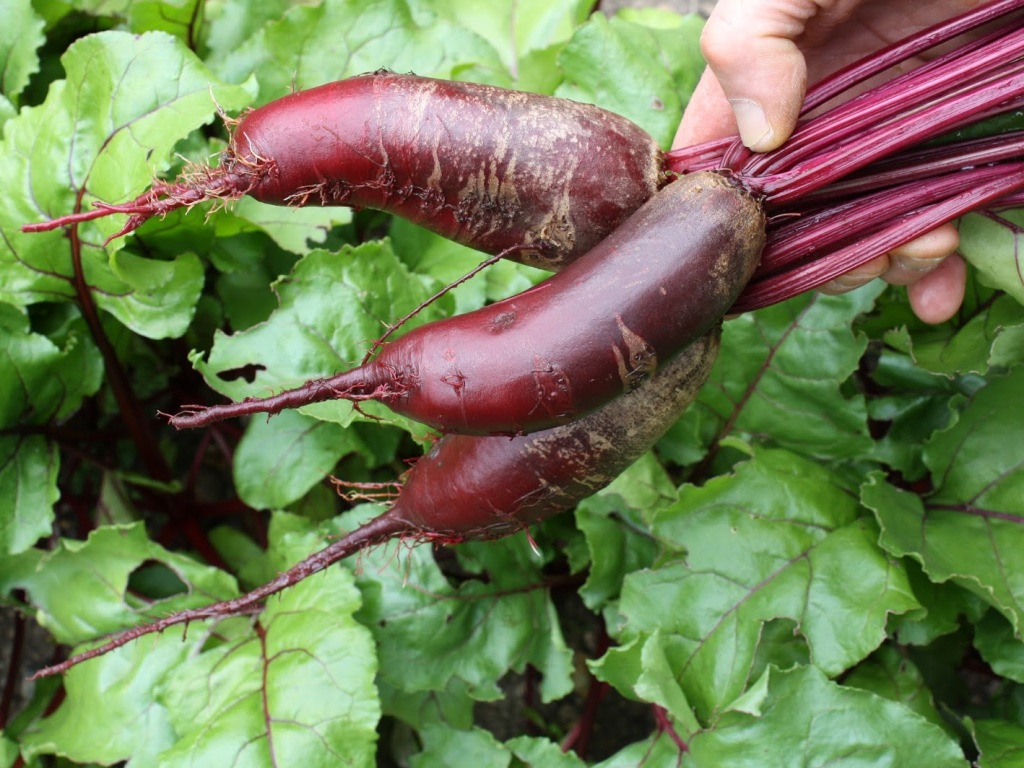
The variety is considered high-yielding, primarily due to its resistance to adverse conditions, including infections, parasites, and low temperatures. It also boasts excellent shelf life.
Slav
A late-ripening variety that takes approximately 130 days to reach technical maturity. It produces large, cylindrical roots with an intense dark burgundy color. The flesh is tasty, slightly sweet, juicy, and free of ring divisions. These vegetables have excellent marketability, a long shelf life, and are considered resilient to adverse growing conditions.
Larka
One of the varieties designed for long-term storage. It produces a medium-sized, round, dark-burgundy root with subtle ring divisions. This variety is characterized by high yields, excellent shelf life, cold tolerance, and excellent flavor.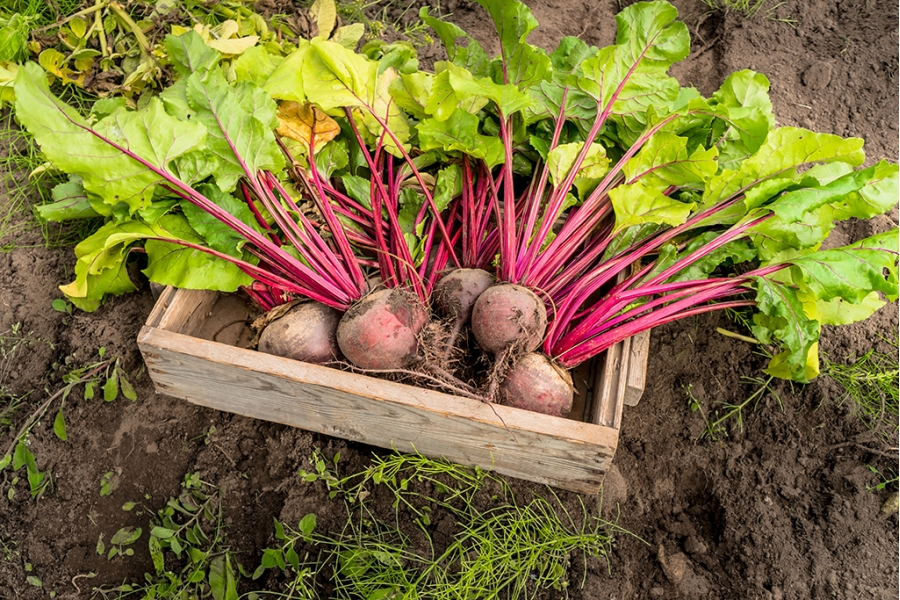
It is noteworthy that such root vegetables, when consumed regularly, have a positive effect on the general condition of the body, actively removing harmful radionuclides from it.
Red Bogatyr
This variety is characterized by large fruits, up to 500g each, high yields, and excellent flavor. This beetroot is excellent in any form—both fresh and home-canned.
From the list above, you're sure to find a variety that will thrive in your garden and will surely become your favorite beet crop. All of the varieties listed have proven themselves to be successful in the climate typical of the Urals, so your choice is largely unlimited. May your harvest be bountiful!
Video "The Subtleties of Growing"
This video will show you how to properly grow beets.