
How to plant and grow a great crop of fodder beets
Content
Features of culture
Fodder beet was bred from a wild variety in Germany in the 16th century. From there, the crop began to spread worldwide. The intensive work of breeders has resulted in a wide variety of fodder beet cultivars. Some varieties can produce roots weighing up to 10–15 kg.
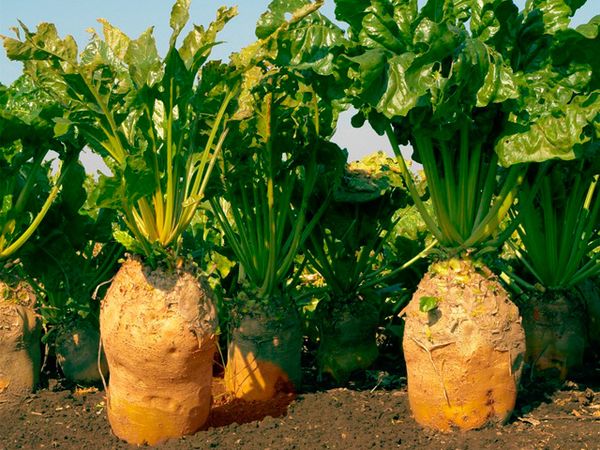
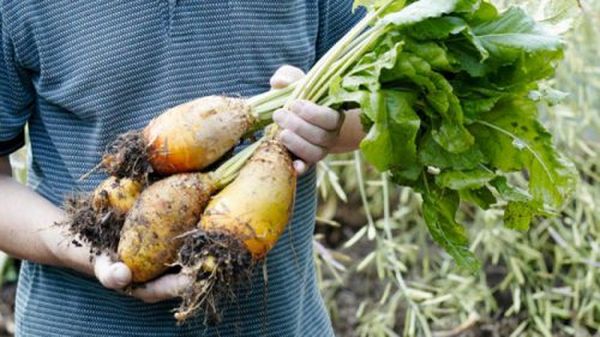
Depending on the variety, the plant can form an underground part of different flowers:
- white;
- red;
- orange;
- yellow.
Root vegetables have varying flesh density. The plant is characterized by white flesh interspersed with pink or yellow rings. The most consistent characteristics of this crop are its shape, depth of planting, and fruit color.
This is a biennial plant that, in its first year, forms a lush rosette of green leaves and a thickened root. It can be conical-oval, cylindrical, spherical, or saccular (depending on the variety). In terms of yield, the best varieties are considered to be those that have conical, bag-shaped or cylindrical root crops. The most productive varieties are those with a conical underground part, as well as yellow, white and pink flowers.
During the second season, the plant produces sparsely leafy stems that act as flower stalks. These stems develop paniculate inflorescences, which later produce seeds. These seeds are used for propagation in the following season.
Unlike semi-sugar beet varieties and other root crops, fodder beets have no restrictions on their use as a lactation aid for cattle. This is because the vegetable is harmless to cows. However, fodder beets can significantly increase milk yield.
Due to its high content of various microelements and fiber, this vegetable is the most popular product on farms and farms.
Soil requirements
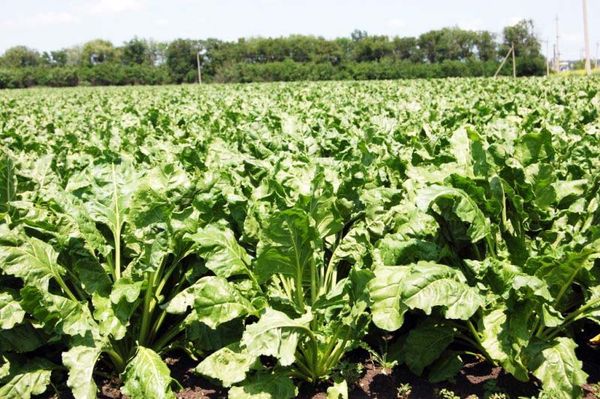
Fodder beets are grown in open ground. To obtain a good harvest, the soil must be selected correctly. This plant prefers sandy and loamy soils, which are rich in nutrients. This crop is often grown in floodplains, where abundant black soil promotes a bountiful harvest.
It's worth noting that this beet variety can be planted in poor soils. However, in this case, additional fertilizer is necessary. This requirement is critical for marshy, sandy, and clayey soils.
Avoid acidic and saline soils for growing fodder beets. The optimal pH level for fodder beets ranges from 6.2 to 7.5. Waterlogged areas are not suitable for growing fodder beets.
The second important factor when choosing a planting site for this plant is following crop rotation requirements. Grains, green manure, and beans are excellent predecessors for any variety of this beet.
When to sow seeds
To achieve an excellent harvest, fodder beets must be grown within a specific timeframe. It's worth noting that fodder beets have a long growing season. Therefore, they need to be planted early. The timing of planting is determined by the following parameters:
- climate conditions. In the southern regions of the country, planting takes place earlier than in the northern regions;
- varietal characteristics.
Typically, this variety's seeds are planted from mid-March until the end of the month. However, if weather conditions are unfavorable, sowing is postponed until early April.
How to sow seeds
Growing fodder beets begins with sowing the seeds. Sowing is permitted only after the soil has warmed to 7°C (44°F). This is usually achieved by mid-April.
Fodder beet has the following rules for sowing seeds:
- the field is plowed before planting;
- Mineral fertilizers, compost, and wood ash are added to the soil. The amount of fertilizer applied is determined depending on the structure and type of soil;
- The planting material undergoes selection and treatment. Seeds can be planted without any prior preparation. However, growth stimulants can also be used;
- The seeds are planted in pre-prepared furrows at a depth of 3 cm. A distance of 20–25 cm should be maintained between them. The distance between rows can reach 50–60 cm. This is due to the fact that the root crops of this variety are formed quite large;
- After this, the seeds are covered with soil.
Before planting, you need to calculate the seeding rate. When calculating, you should expect to need approximately 12–15 grams of seed per linear meter. This seeding rate will yield approximately 150 grams of seed per 100 square meters of land.
Correct planting and further cultivation of the crop will allow you to harvest a large crop (with root crops weighing around 12 kg).
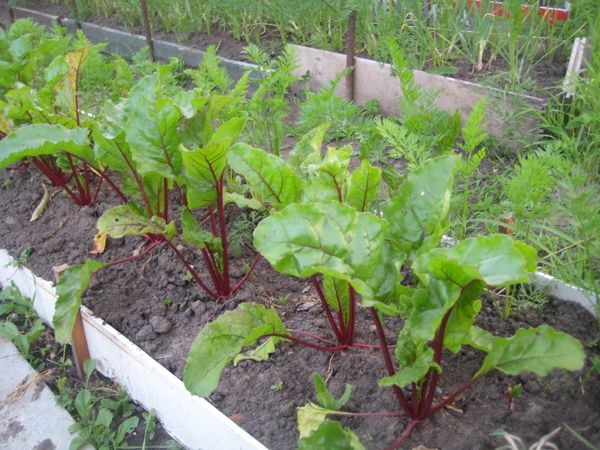
Fodder beets are considered a moisture-loving crop. Watering is especially important during the initial stages of growth. Therefore, after the seeds have been planted, it's important to water the beds regularly and thoroughly. This way, the first tender green shoots will appear as soon as the air temperature rises slightly.
Technology of growing fodder beets
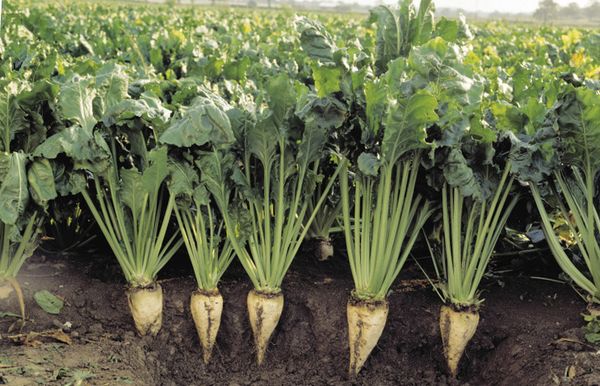
After planting the seeds, cultivation follows the same principles as for sugar and table varieties. During the growing season, fodder beets require the following procedures:
- Regular weeding. Large amounts of weeds will cause small root crops;
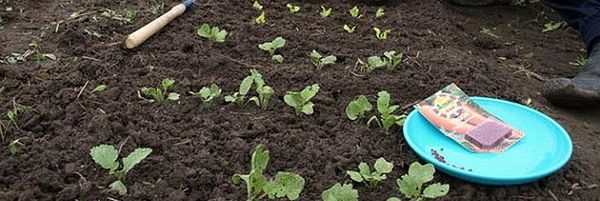
- When the first two leaves appear in the beds, weed out any overly dense plantings. Leave the strongest and largest seedlings. It's important to maintain a reasonable distance between adjacent seedlings.
- Periodically loosen the soil between rows. This will improve oxygen access to the underground parts of the plant. It is recommended to loosen the soil after rain and watering;
- Watering is adjusted depending on weather conditions. Frequent watering is essential during the period of active root growth.
- Watering is stopped approximately one month before harvest. This will allow the root vegetables to better prepare for long-term storage. Stopping watering will prevent them from rotting;
- At least two applications of mineral fertilizer are required. These applications are typically made after thinning and one month after thinning.
As we can see, growing a fodder variety of beet in your garden is not that difficult.
Video: "Fod Beet Planting Details"
This video will teach you how to properly grow and plant fodder beets.