
When and how to harvest beets from the garden?
Content
Why is it important to harvest beets on time?
Determining when to dig up beets is very easy if you know the vegetable variety. After all, each seed package lists the ripening time and ripe fruit size. Furthermore, every gardener should follow this criterion: harvest beets before the fruit hardens.
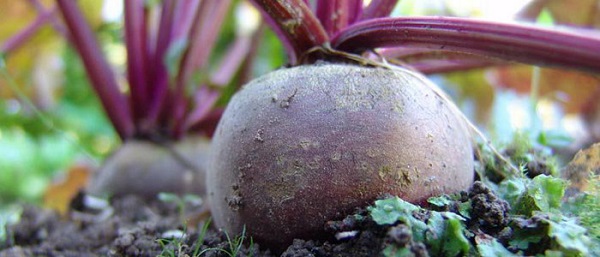
Otherwise, the vegetable begins to grow a second time. Light stripes appear on the root, where young white roots emerge. After this, the crop can be expected to bloom again. The appearance of such signs is a signal to harvest the beets immediately. Often, these light stripes form not near the tops, but much lower down. Therefore, they can only be seen after removing the vegetable from the ground.
Experienced gardeners have their own signs of ripening. For example, they believe it's time to harvest beets when their leaves have dried out and turned yellow. Agronomists tend to consider this an indirect sign, as there are many other causes of yellowing leaves, including a dry and hot climate.
Therefore, it's crucial to carefully inspect the garden, noting whether the tops of the fruit are sticking out of the soil. It's also important to pay attention to whether the vegetables are still growing. If so, it's too early to harvest. In this case, thoroughly loosen the soil, fertilize it with urea, potassium salt, and superphosphate, and continue watering the plants regularly.
Video "Beet Harvest"
The video discusses beet harvesting times and winter storage methods.
Harvest benchmarks
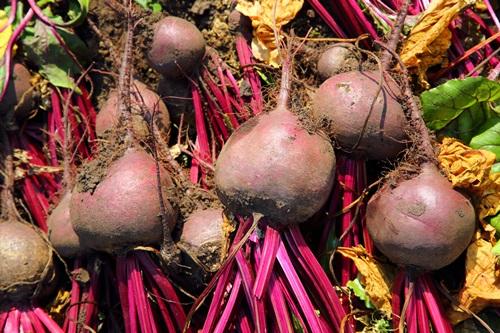
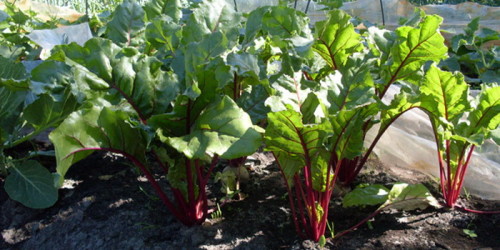
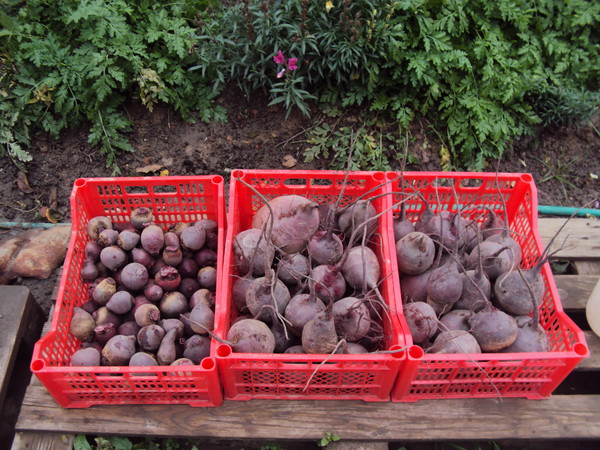
To determine the beet harvest time, you need to focus on a number of factors. First, consider the planting time and the variety. Each crop has its own ripening period. However, this process can be affected by weather, which, as we know, changes every year. Therefore, it's best to determine beet harvest time not based on specific dates, but by inspecting the vegetable. You can harvest beets from the garden if:
- Growths appear on the fruit;
- The lower leaves of the crop have withered and dried out;
- The parameters of the fruit are close to those indicated on the seed packaging of the variety;
However, if frost is forecast, sugar beet harvesting is done early to prevent the tops of the beets from freezing. This type of harvest does not store well and does not last long.
Secondly, carrots can serve as a benchmark for crop ripening. Agronomists recommend harvesting beets before carrots. The beets are larger than carrots and protrude further above the soil. This makes frosts more dangerous for the crop. Early-ripening varieties of the vegetable ripen as early as July. Mature beets have a diameter of 5 to 10 cm. Second-grade beets are 14 cm.
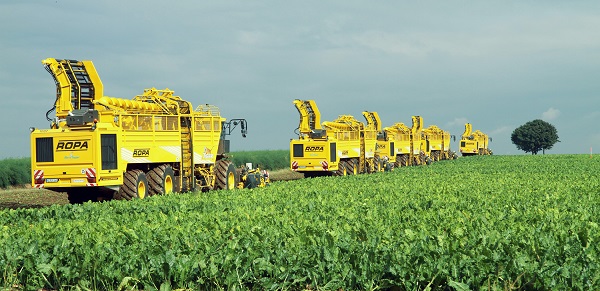
Sugar beet harvesting usually takes place in late summer or early fall. By this time the leaves lose their color and appearance.
The fruits are dug up with a knife, taking care not to damage them. They are then pulled out by hand and carefully knocked off the soil. Next, the green parts of the plant are removed with a knife, leaving a 2-centimeter top. Once these cuts become hard, the entire harvest should be moved to a designated storage area.
Cleaning times
The harvesting time for all root crops depends significantly on the weather and climate conditions of the growing region. Furthermore, harvesting during rainfall is strongly discouraged. After ripening and harvesting, all root crops must be dried. Harvesting in the rain will significantly prolong and complicate the process.
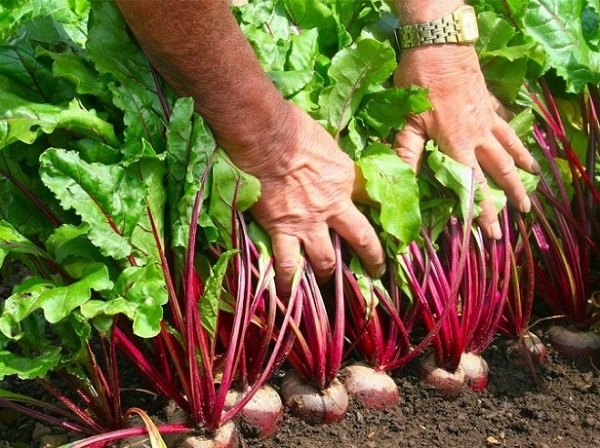
The fruits are also harvested after growths appear on them. This phenomenon is one of the essential signs of crop ripeness. If in doubt, you can simply dig up a single vegetable to check whether it is ripe or not. Beets tolerate cold well. Even temperatures of 2°-3°C (36°F-36°F) do not affect their growth and development. Therefore, some varieties of the vegetable, such as table beets, are harvested later: after carrots, in mid-autumn. It's worth noting that late varieties are tastier than early ones.
Fruit harvesting can vary depending on their size. Smaller fruits should be left in the ground to grow, while larger ones should be picked immediately.
You can harvest according to the lunar calendar. It's best to select fruits during the waning moon. Specific dates for each year can be found in the lunar calendar. For example, in 2025, the root crop was recommended for harvesting in October.
The beet harvest period also depends on where it's grown. In temperate climates, beets ripen faster than in cold or dry climates.
How to properly harvest beets
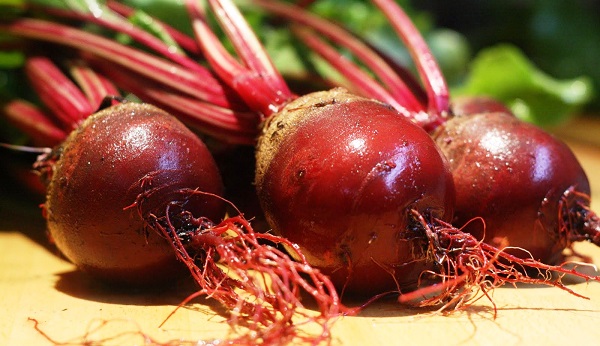
The technique for harvesting the vegetable is simple: use a shovel or beetroot digger to dig under the fruit, then pull it out by hand. Dig deeply, but be careful not to damage the fruit.
Afterwards, remove any remaining soil from the root vegetable, and set it aside for a few hours to dry. Next, remove the tops. It's recommended to shape the vegetable heads into a cone shape, focusing on the dormant buds. This procedure is performed at a depth of 0.2-0.3 cm.
After removing the leaves, the fruits are given a few days to harden from the cut surfaces. This procedure ensures the vegetables dry quickly and have a long shelf life, so it's essential. Any cool, dark place is suitable for storing the root vegetables. A basement or attic is, of course, ideal.
So, beets are a vegetable no home cook can live without. It's best to grow them yourself to be sure they're organic. Experience shows that these root vegetables make the best borscht and other dishes. So, don't be lazy; try growing them yourself. Moreover, following all the rules and recommendations makes it very easy. Give it a try—you definitely won't regret it.
Video: "Harvesting Beets from the Garden"
This video talks about the timing of beet harvesting.