
How and when to plant beets in open ground
Content
What kind of beetroot should I plant?
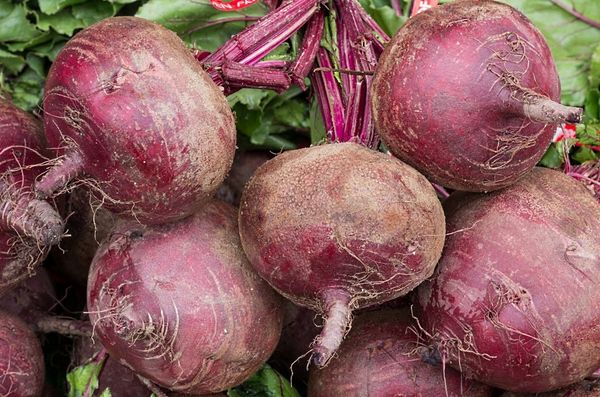
There are three varieties of beets: sugar beet, table beet, and fodder beet. Only table beet is suitable for human consumption, so it is most often grown in gardens and vegetable patches. Table beet is available in a variety of species and cultivars, the choice of which depends on the intended use of the root vegetables:
- To get a quick harvest of young beets, you should choose early and fast-ripening varieties: First Harvest, Red Ball, Libero;
- mid-season varieties are suitable for summer consumption: Mulatka, Larka, Pablo, Smuglyanka, Bohemia, Matrona;
- For storage and consumption during the winter season, it is recommended to grow late varieties that can be stored for a long time: Borshchevaya, Detroit, Rocket;
- If you prefer beets with flat roots, you can choose the following varieties: Bordeaux, Bettina, Egyptian flat;
- The most saturated burgundy color is found in cylindrical root vegetables: Opole, Cylindra, Mona.
Selecting a location and preparing seeds
In our climate, beets are typically planted directly in open ground, so first, you need to select a suitable site. It should be well-drained and sufficiently fertile. Loamy, sandy loam soil or loose black soil with neutral (pH up to 7) acidity is best. As for predecessors, beets grow well after potatoes, cucumbers, pumpkins, and onions. It's best to avoid planting them after garlic and all types of cabbage, and it's especially not recommended to plant beets after crops that share common diseases, such as carrots, celery, parsnips, and spinach.
It's important to know that soil quality is important for all vegetable crops. To ensure a bountiful beet harvest, the soil must contain a fertile organic layer, which requires fertilizing with humus. In very poor soil, complex mineral fertilizers can be added. It's also important to remember that bright, sweet root vegetables develop exclusively in full sun, so avoid planting table beets in a shaded area.
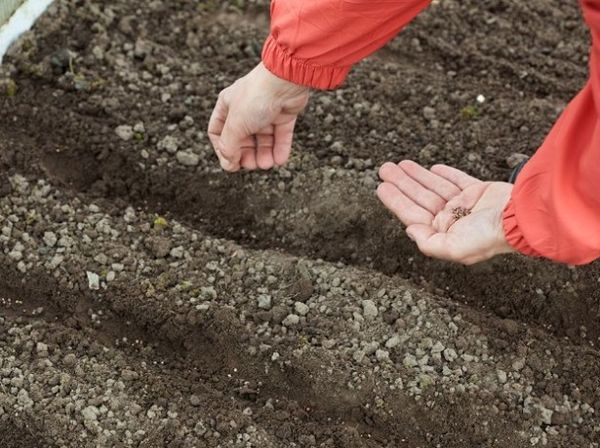
Before planting beets in the garden, you need to prepare the seeds. First, soak them in a stimulating solution for 24 hours. This can be a ready-made solution or a tried-and-true folk remedy: a solution of baking soda or ash (1 teaspoon per 1 liter of water). Next, rinse the seeds, wrap them in a damp cloth, and keep them in a warm place (at least 25°C) for another 2 days. Seeds prepared in this way will germinate in about a week.
When to plant
Beetroot can be sown twice a year: in spring and late autumn (winter planting).
Since beets are quite heat-loving, there's no need to rush spring planting. It's best to wait until the soil warms to a depth of 10 cm—usually early to mid-May. If beet seeds are planted in still-cold soil, the roots will grow rock-hard and bolt early. However, even with May planting, night frosts or cold snaps can sometimes occur. In these cases, covering the bed with a thick covering can help save the harvest.
Winter beet planting is done in early November, shortly before the first frost, but in northern regions this time may shift to mid- or late October. The advantage of winter sowing is that it yields a higher-quality and earlier harvest—usually, winter beets are ready for consumption by the end of June. However, it also has a disadvantage: the seeds often freeze over the winter, and the harvest is then considered lost.
How to plant
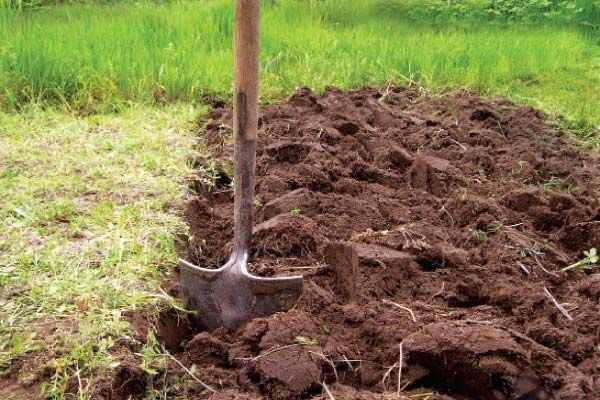
Before sowing beets, you need to prepare the bed: if it was dug up in the fall, then simply loosen it a little, break up all the lumps and level it. Organic matter (rotted manure, stove ash) can be added to the soil immediately before planting. Nitrogen fertilizers are not necessary, as they negatively impact the quality of root vegetables and, in large quantities, contribute to the accumulation of nitrates.
Once the bed is ready, you can begin marking out the plot to ensure the rows are even and attractive. Beetroot planting typically follows one of these patterns:
- single-row, when the distance between rows is 30–40 cm;
- double-row – rows are arranged in pairs at a distance of 15–20 cm from each other and 40 cm between pairs.
Once you've decided on the layout, use a stick to draw lines along which to make the furrows. Each furrow should be 4-5 cm deep. Water the bottom of the furrow thoroughly, and once the moisture is completely absorbed, you can plant the seeds. Since they are quite large, it's best to place them individually, 8-10 cm apart, into the furrow. Then cover the furrows with soil and stop watering.
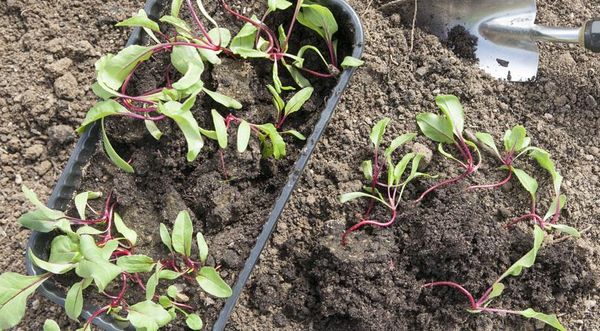
Beets transplant well and root easily, so they are sometimes grown from seedlings. This method eliminates the need for thinning and allows for a much earlier harvest. Seeds for seedlings should be sown approximately a month before the expected transplanting date. The planting principle is the same, except the distance between furrows is reduced to 5–6 cm, and the seeds are sown 3–4 cm apart. Once the seedlings have four leaves, they can be transplanted into the garden bed.
Caring for the crop
Beet care consists of the following: weeding, loosening the soil, thinning the seedlings, watering, and fertilizing. If the soil was fertilized with humus and ash before planting, the last step (fertilizing) can be omitted, as the seedlings will not experience a deficiency of potassium and nitrogen.
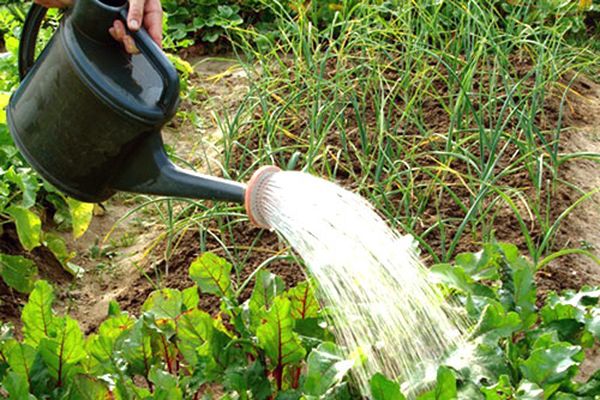
As soon as the seedlings begin to emerge, it's important to monitor the soil and water as the top layer dries. Once the plants have established themselves and begin to develop roots, water only as needed. The last watering should be done no later than three weeks before harvest. Loosen the row spacing and weed after each watering.
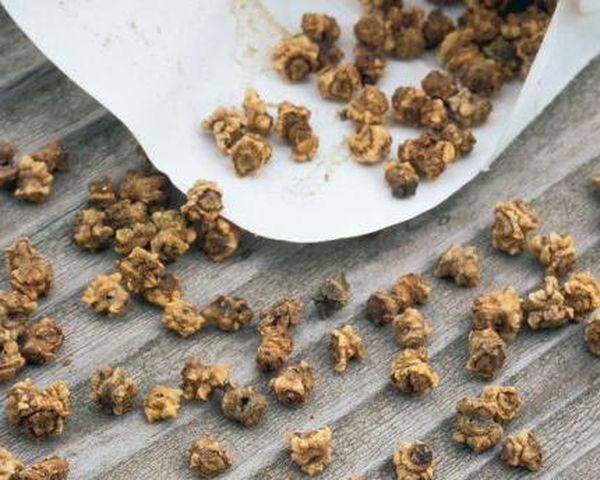
Since beet seeds are multi-fruited, the seedlings must be thinned at least twice as the seedlings grow. This is done once at the two-true-leaf stage, and again when the seedlings have four to five leaves. The distance between plants should be 7–10 cm. The timing of beet harvesting depends on the variety, but in any case, the roots should not be kept in the ground longer than mid-October.
Video: Planting Beets in Open Ground
This video will show you how to properly plant beets in open ground.