
How to properly water beets in open ground
Content
Frequency and intensity of watering
It's impossible to give a straightforward answer to the question, "How often should I water beets in open ground?" – everything depends on weather conditions and the plant's growing season. Beets are able to store water and use it sparingly, so overwatering is more damaging than drought. Mature plants can tolerate a lack of water for 2-3 weeks, but stagnant water can lead to negative consequences, such as root rot or cracking.
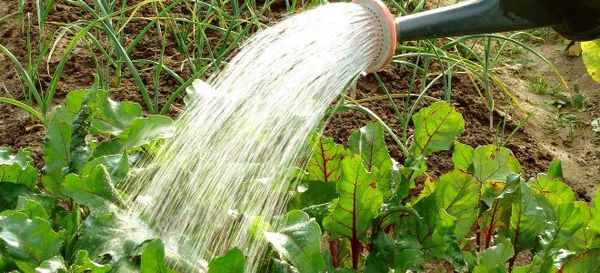
The main factor determining the frequency of watering beets in open ground is soil condition. For normal root development, the soil must be moistened to the root depth. You can check this by inserting a wooden stick in several places in the bed. If only the top two or three centimeters of soil are dry, and the deeper soil is moist, no watering is required.
The frequency of watering and the rate of water consumption also depend on the stage of beet vegetation:
- Even before sowing the seeds, the soil must be well moistened to the point that it is wet;
- During the entire period before the emergence of seedlings, and then until the seedlings get stronger, it is necessary to ensure that the soil does not dry out, since deep moistening is not yet required, the bed is watered as the top layer dries out at the rate of 10 liters of water/m²;
- during the period of root crop filling, the number of waterings is reduced to 1 time in 7-10 days (depending on the weather), but the water consumption rates increase to 15 l/m² of the garden bed, on hot days - up to 20 l/m²;
- 3-4 weeks before harvesting, watering should be stopped completely - stopping watering will stop the vegetation process and allow the root crops to dry out before storing.
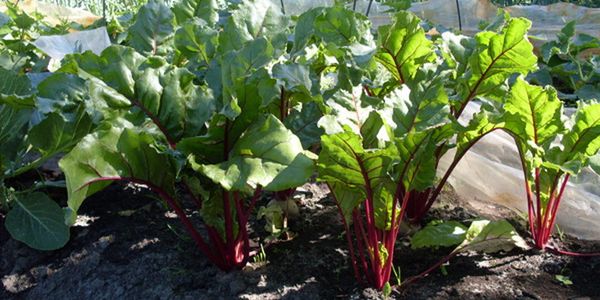
If it is not possible to maintain this watering regime, you can mulch the bed with straw, peat or sawdust.
Irrigation methods
All methods that mimic sprinkler irrigation are acceptable for watering beets. Sprinkling water over the leaves is completely safe and even beneficial, as the beet tops are not susceptible to diseases caused by drips. The choice of how to water beets—with a watering can, a hose, or a special sprinkler system—is up to the gardener. Each method has its own characteristics, advantages, and disadvantages.
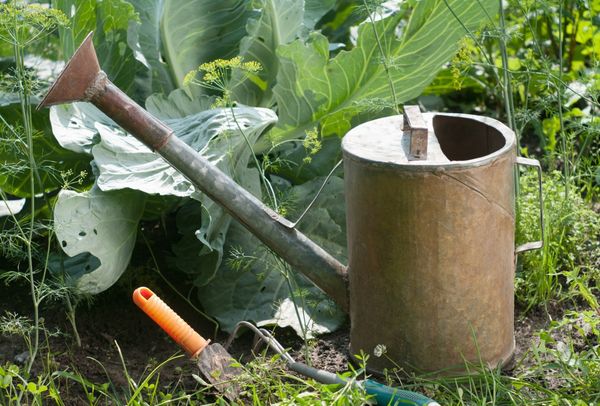
Using a watering can is the simplest and most affordable method, requiring little investment. A watering can delivers moisture to a specific area or beet row, but is not suitable for treating large areas. For watering larger areas, a flexible hose is more convenient; it can be extended across the entire bed and also positioned for spraying. To prevent the water jet from damaging the plants, ensure good spray nozzles and a low spray height.
Sprinkler irrigation systems are the most convenient method, requiring little or no ongoing involvement from the vegetable grower. However, they are quite expensive and require high water pressure. Drip irrigation should also be considered. This is a very effective initial irrigation method, as it maintains optimal soil moisture at all times. However, it is not advisable to use it during the second half of the beet growing season.
Water requirements
Many gardeners believe there's nothing better for watering their crops than rainwater. They're right, as rainwater is quite soft, but collecting it isn't always possible, so in most cases we use tap water or water from a well. Don't use this water directly on beets. It needs to sit for at least 24 hours to allow the liquid to warm up and precipitate any harmful impurities. If your water is very hard, you can soften it by adding wood ash (50–60 g per 20 liters of water).
Good results in growing root crops can also be achieved using special water solutions, for example, watering beets with salt or boric acid.
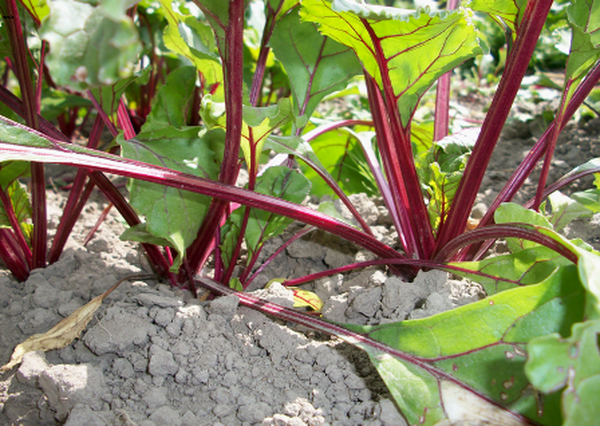
Both solutions improve the beetroot's flavor, making it more sweet and juicy. A salt water solution (1 tablespoon per 10-12 liters of water) is used to water the beetroot bed while the roots are ripening. However, overdoing this type of watering is not recommended, as it can lead to soil salinization.
Basic rules
To get a good harvest, you need to not only know how often to water beets, but also follow these recommendations:
- the bed should be formed so that when watering, the water moistens the roots of the plants, and does not spread between the rows;
- beets can only be watered with warm water that has reached the temperature of the air or soil;
- in hot weather, it is better to water in the evening, in cloudy weather - in the morning, otherwise the roots may suffer from the cold at night;
- Always use spray nozzles for watering, which will prevent the water stream from washing away the soil and damaging the plants.
These simple yet highly effective techniques will allow you to grow an excellent harvest of delicious and healthy beets that will keep perfectly until spring.
Video: "Beetroot Care"
This video will show you how to properly care for beets.