
How to properly trim beets for storage
Content
Growing
Beetroot is a herbaceous annual, biennial, and perennial plant that belongs to the Amaranthaceae family. The most well-known and recognizable members of this family are fodder beet, sugar beet, and common beet.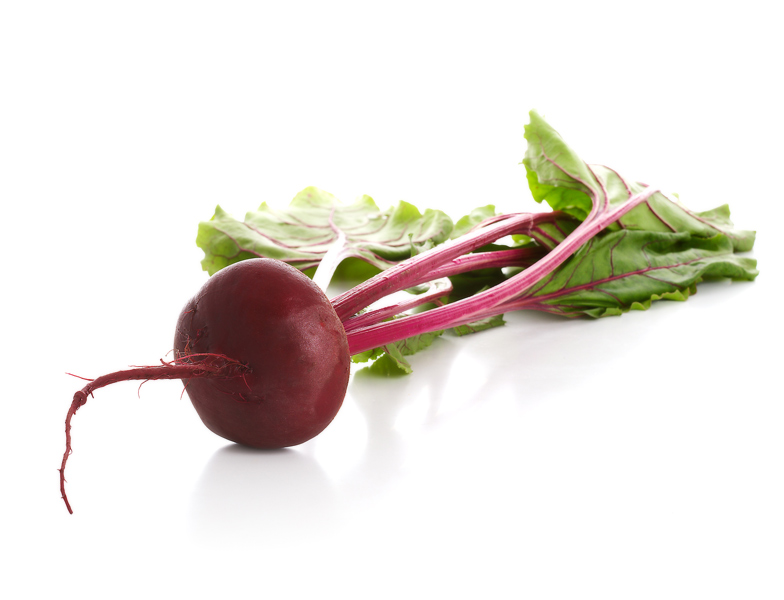
Before you begin growing this vegetable crop, you need to choose a variety. Breeders have developed a fairly large number of beet varieties. Each variety has its own growing characteristics and flavor profile.
It's worth noting that if vegetables are grown for long-term storage, it's important to choose varieties with excellent shelf life. After all, even if you've grown beautiful, healthy root vegetables, there's no guarantee they'll last until spring. Instead, if the wrong variety was chosen or mistakes were made when trimming the tops, you could end up with rotten fruit.
The following varieties have the best shelf life:
- Mulatto;
- Egyptian flat;
- Single-sprout;
- Renova;
- Boltardi.
Besides these, good keeping quality can be expected from Libero, Pozdnezimnaya A-474, Salatnaya, Pablo F1, Bordeaux-237, Detroit, Nesravnennaya A463, Gribovskaya flat A473 and Kholodostoikaya 19.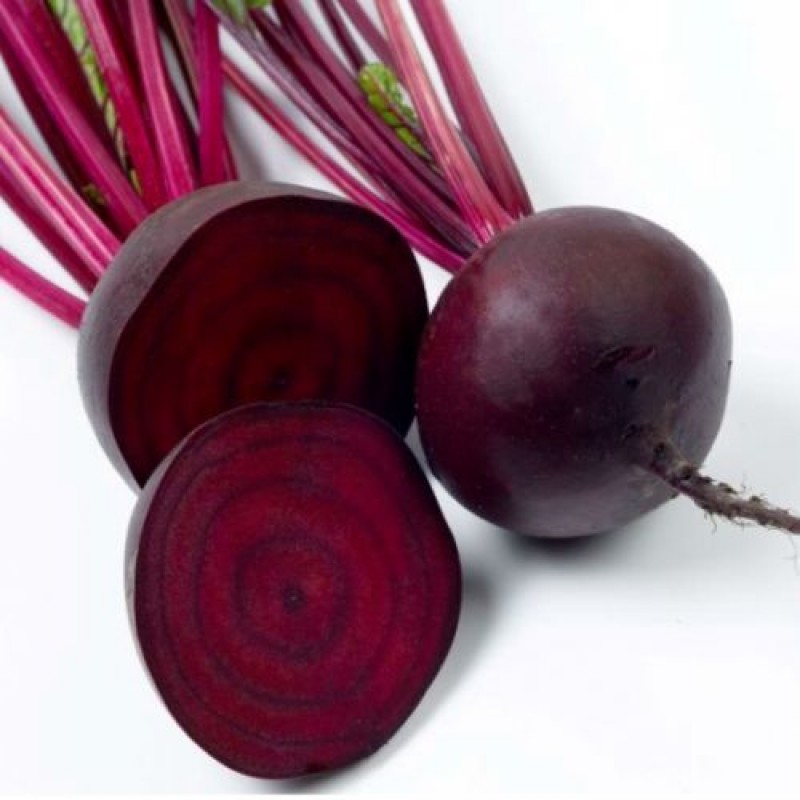
It's worth noting that the most popular beet variety in our country is Cylindra. However, this indicator isn't very high. Therefore, storing the fruit may be challenging.
Seeds must be of high quality. This is the only way to ensure good seedling germination. Experts recommend purchasing seeds from stores that specialize in gardening supplies.
Seeds are sown in open ground when the soil warms to 6 degrees Celsius. Even short-term temperature drops can cause plants to become overcooled, which will naturally reduce the quantity and quality of the harvest.
Seeds are usually sown in mid-May (between the 10th and 15th). Before planting, form a bed 1 m wide. Furrows should be made across it. The distance between adjacent furrows should be approximately 25 cm. The seeds are planted 3-4 cm into the soil. Afterward, mulch with peat.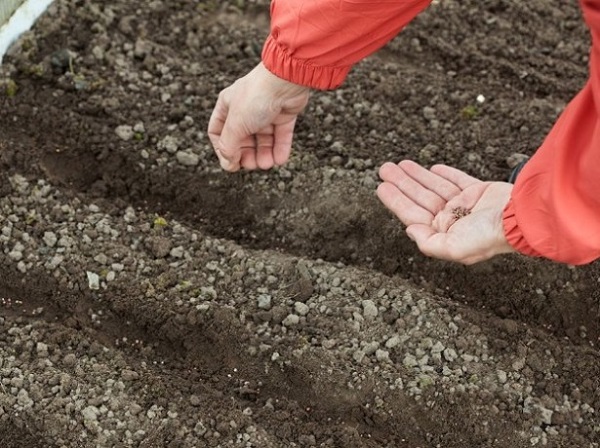
After selecting a variety and planting the seeds in open ground or as seedlings, it's important to ensure optimal growing conditions for the growing plants. To ensure successful growth, beets are very demanding of two key parameters:
- temperature;
- Lighting. The area where beets are grown should be well-lit throughout the day. Remember that the more light, the more intense the color of the tubers will be;
- Water regime. The soil should be moistened in the first days after planting. It's important to note that watering is only possible at the beginning of the growing season. After that, the plants grow without watering.
- Predecessors. Good predecessors for this vegetable crop include carrots, cucumbers, cabbage, and onions.
Other growing conditions (such as soil) should be fine in any region of our country. As the vegetable grows, it's important to periodically thin the beds to avoid the formation of very small root vegetables. However, they also shouldn't grow too large, as this will make cooking more difficult.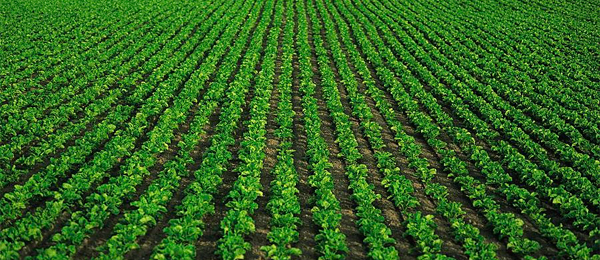
To obtain medium-sized fruits, thinning is carried out according to the following scheme:
- when the seedlings have become a little stronger, the distance between them should be 2-3 cm;
- After the appearance of true leaves (2-3 pieces), the distance increases to 10-12 cm.
This method ensures that the root vegetables will not be very large and will weigh around 3 kg.
The key feature of growing beets is that they require no fertilizer throughout the growing season. Considering they don't require watering, they're a very profitable vegetable and very easy to care for. The only maintenance required in the summer is weeding and loosening the soil.
By following a few basic rules and recommendations, any vegetable grower can easily reap an excellent beet harvest from their garden. The fruits will be deep burgundy in color and have excellent flavor.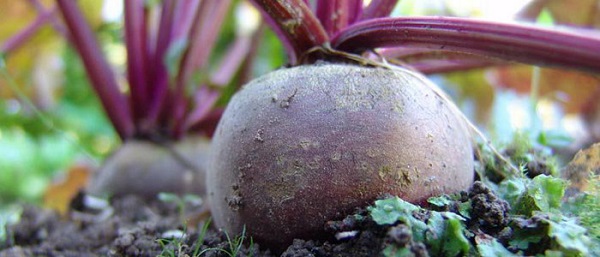
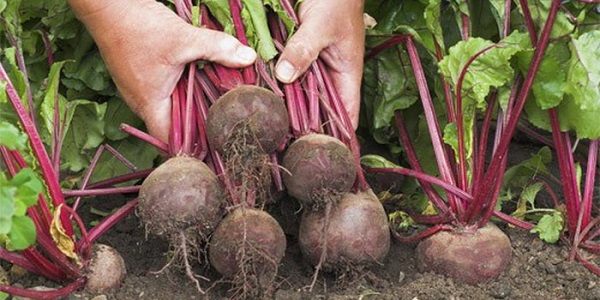
Harvesting of ripened fruits begins in early September. This is the most crucial moment, as the shelf life of the root vegetables directly depends on its proper preparation. Simply digging up the vegetables is not enough. The tops also need to be trimmed properly.
Video "The Subtleties of Growing"
This video will show you how to grow beets correctly and effectively.
How to trim
The most important step in growing beets in the garden is harvesting them. When digging the tubers out of the ground, be careful not to damage the vegetable. Inexperienced gardeners often split the tuber in half with a shovel. Naturally, such a tuber is only suitable for immediate consumption and is not suitable for storing a winter harvest.
Irreparable damage to the crop can be caused by improperly trimming the greens. Beet tops can be either vigorous and bushy or sparse. However, they still need to be trimmed properly. Otherwise, there's a high risk of spoilage due to infection. Diseases can penetrate the root crop through damage to the surface, whether during removal from the ground or when cutting the greens or peeling.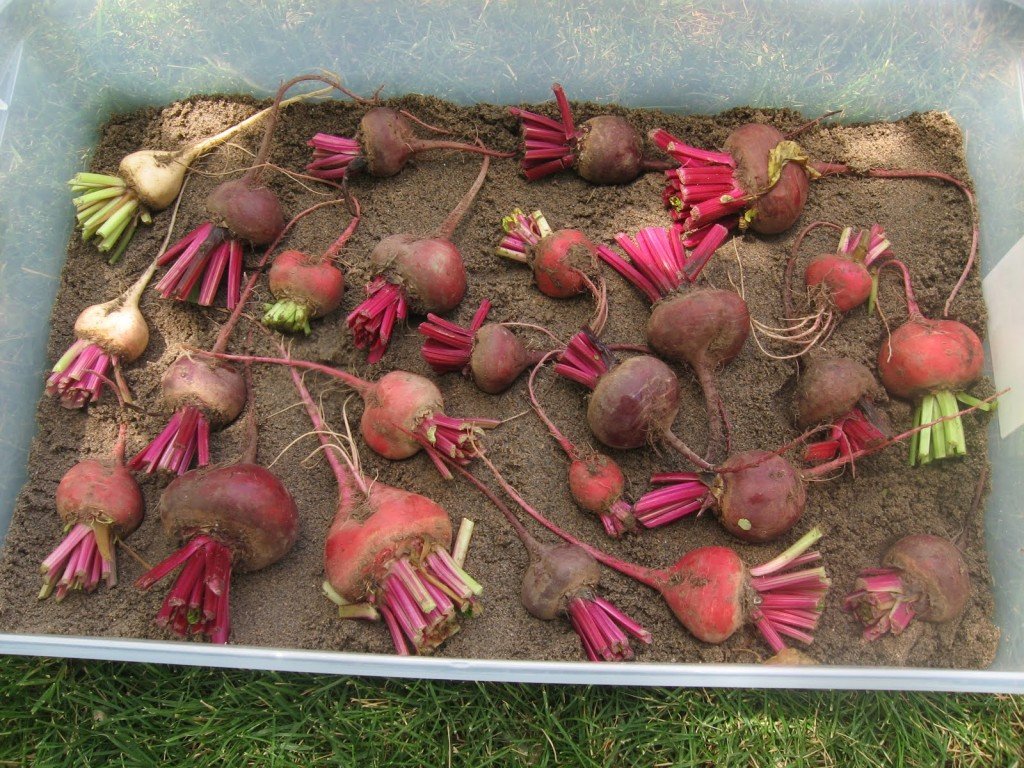
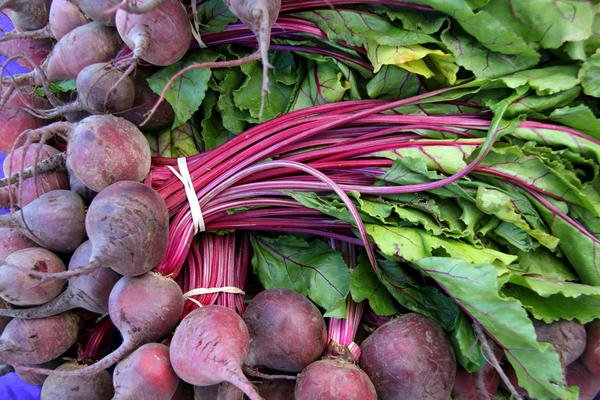
To store the vegetable, the tops should be removed. However, don't cut them off completely. A small "tail" should be left on the beetroot. The ideal length is 1 cm.
Don't pull out the tops yourself. This can lead to the root being crushed in certain areas, which can lead to rot. Removing the tops should only be done with garden tools (knife, pruning shears). These tools must meet the following requirements:
- Cleanliness. Before starting work, the tool blade should be thoroughly cleaned of dust and dirt;
- Sharpness. To avoid leaving jagged ends, the tool must be well sharpened;
- Disinfection. To prevent contamination of the harvested crop with viruses or fungi, the blade of the tool should be treated with alcohol or a weak solution of potassium permanganate.
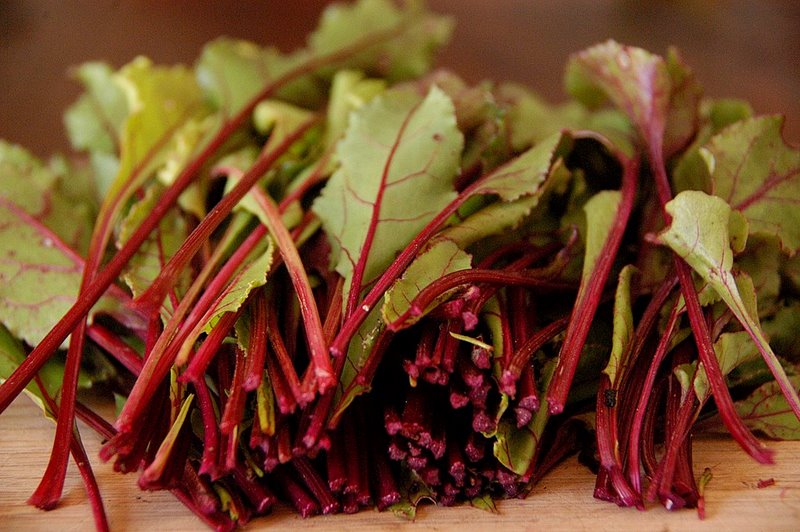
Trim the tops and side roots very carefully. If there's a small main root, it's also recommended to trim it. A few centimeters is acceptable. The resulting "tail" should be approximately 5-7 cm long. Care must be taken to avoid damaging the vegetable itself. Therefore, many experts recommend leaving the roots alone. This will reduce the chance of infection.
Pre-storage treatment
Before storing beets, they must be properly processed. First, the harvested crop must be sorted. 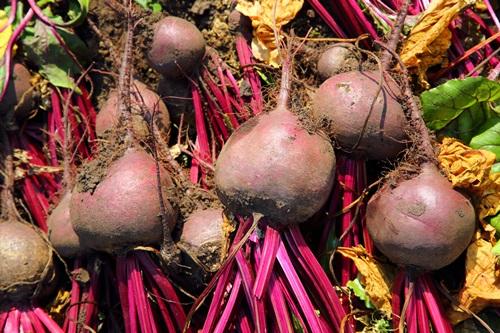 To do this, a preventative inspection of the tubers is performed. Samples that meet the following parameters are selected:
- medium size. Optimal diameter is 10-12 cm;
- healthy and strong;
- with intact skin;
- without signs of decay or disease.
You should not store too small or too large specimens, as they do not keep well.
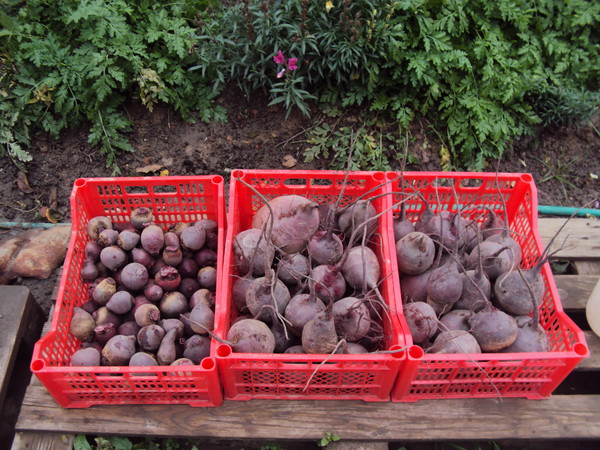
Once good fruits have been selected, the following manipulations are carried out with them:
- We air-dry the harvested crop. Therefore, the weather on the day of harvesting beets for winter should be fine, not rainy;
- drying time is 2-4 hours;
- Clean off any remaining dirt. It's best to wear fabric gloves when performing this procedure. However, don't over-clean the vegetables. Remember, a thin layer of soil promotes longer and better storage.
Now the vegetables are ready to be sent to the cellar or another room with optimal storage conditions.
Considering the fact that growing this crop is very simple, the correct preparation of root crops for storage can be considered the only problem area.
If all the above-described manipulations (especially trimming the tops) were carried out correctly, then the beet harvest will be stored for a long time and you will never find a rotten or spoiled specimen among it.
Video "Cleaning and Storage"
This video will teach you how to properly harvest and store beets.