
How and what to feed beets with
Content
Preparing the beds
Beets are grown in many garden plots and open-air vegetable gardens today. While they're relatively easy to care for, there are some specific guidelines to follow if you want a high-quality, large harvest. Fertilizing is essential for growing beets. This requires choosing the right site and preparing the beds. Only then will fertilizing ensure the desired results.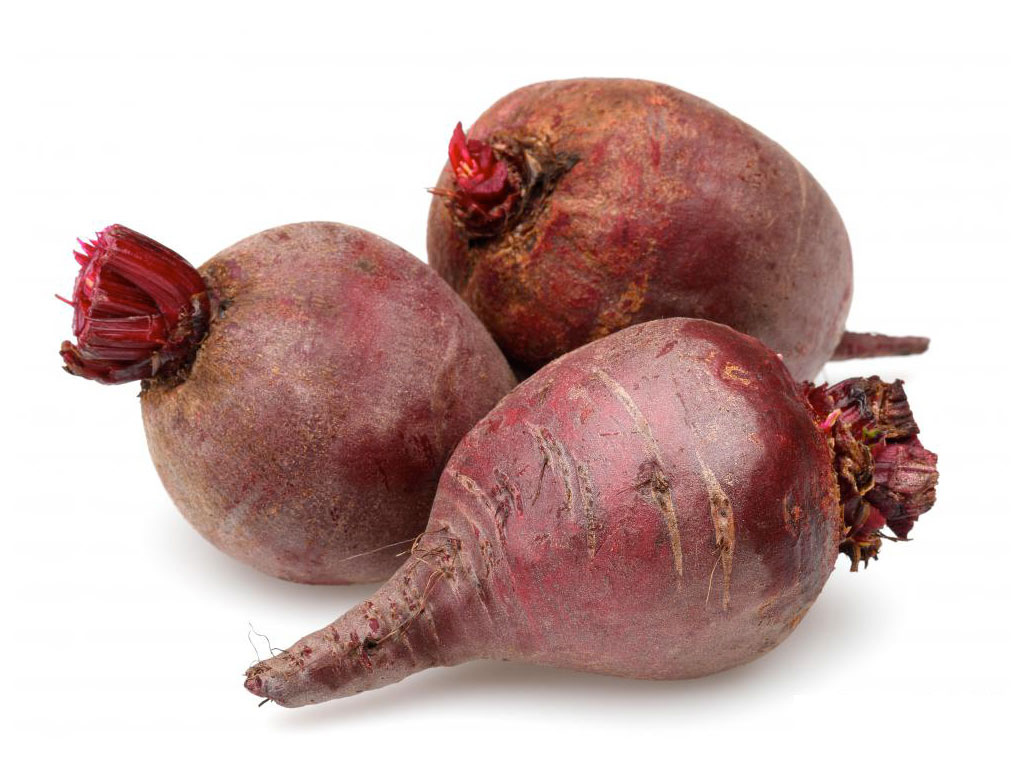
Beets should be grown in well-drained areas with light, well-drained soil. In such areas, with timely fertilization, sweet tubers can be achieved.
Beets grow best in sandy and loamy soils with neutral pH. However, heavy and clayey soils are unlikely to produce sweet tubers, even with fertilizer. Also, avoid areas with stagnant water and highly acidic soils.
Potatoes, cucumbers, and onions are excellent predecessors for beets. Returning to the same location should be done only after three years.
It's worth noting that this crop grows well in open ground, when grown along the edges of garden beds. This placement will save significant space and make planting much easier, as the beets will receive all their water and nutritional needs from their neighbors.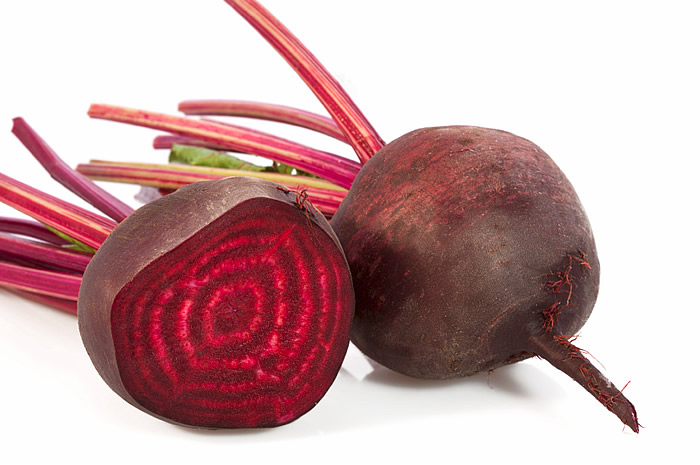
Once you've chosen the right location for planting this crop, you need to properly form the beds. This begins in the fall, after the entire harvest has been gathered and the plant material has been cleared from the ground.
Preparing beds in the fall for spring planting of beets is done as follows:
- the area of land needs to be dug up thoroughly;
- digging is carried out to the depth of one shovel blade;
- After this, fertilizers should be added to the soil.
Some gardeners recommend scattering fertilizer over the plot first and then digging the soil. During digging, break up any larger clods of soil.
In the fall, organic fertilizers are added to the beds. This can be either compost or humus. The fertilizer is prepared at a rate of half a bucket of fertilizer per square meter. In addition to organic fertilizers, mineral fertilizers can also be added in the fall, such as ammonium nitrate or superphosphate (at a rate of 20-30 g/m²), as well as potassium chloride (10-15 g/m²).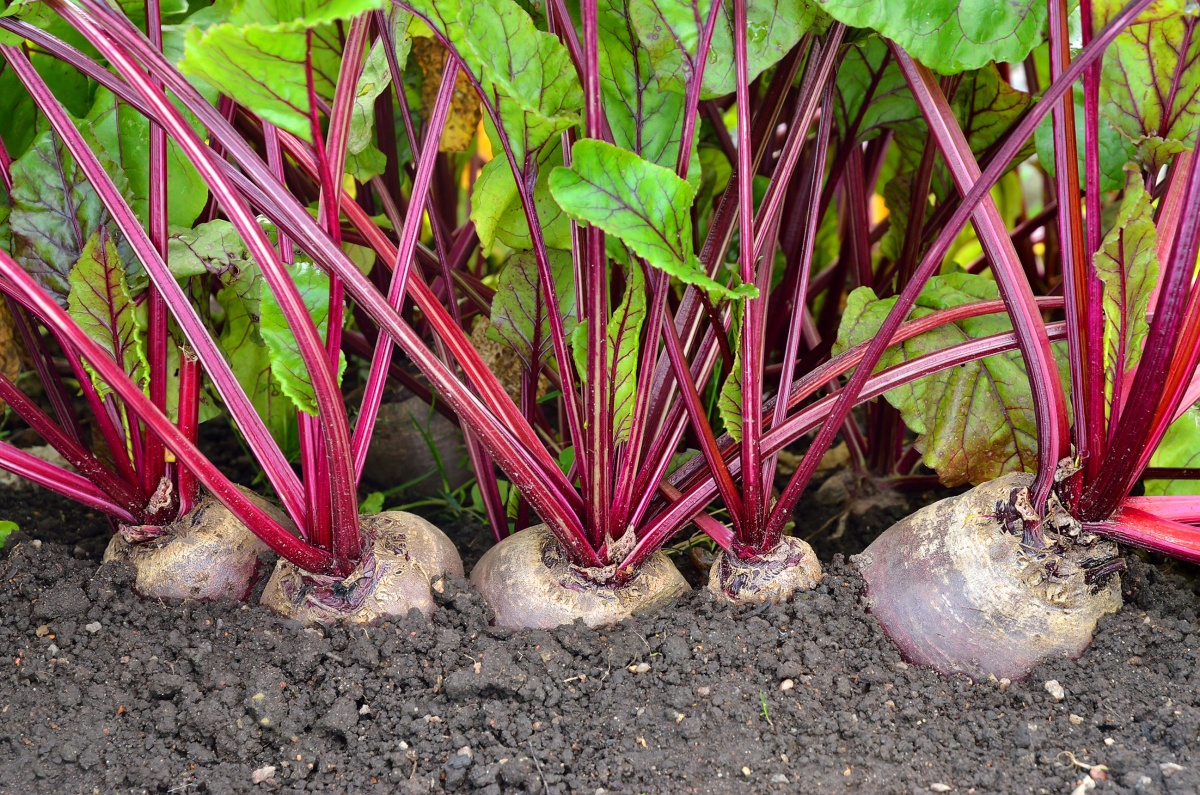
If the soil has increased acidity, then it is necessary to add ash, lime or dolomite flour to the soil during this period of time.
Please note that when preparing beet beds, do not add fresh manure to the soil. This will adversely affect the quality of the harvest. When fresh manure is added to the soil, the tubers will have an unsightly shape and will also accumulate a lot of nitrates.
In addition to preparing the beds and fertilizing the soil in the fall, fertilizing should be done before planting in the spring. During this period, the soil should be fertilized with wood ash. This popular fertilizer is believed to enrich the soil with micronutrients, essential for active plant growth and development. This is very beneficial for both open-field and greenhouse cultivation.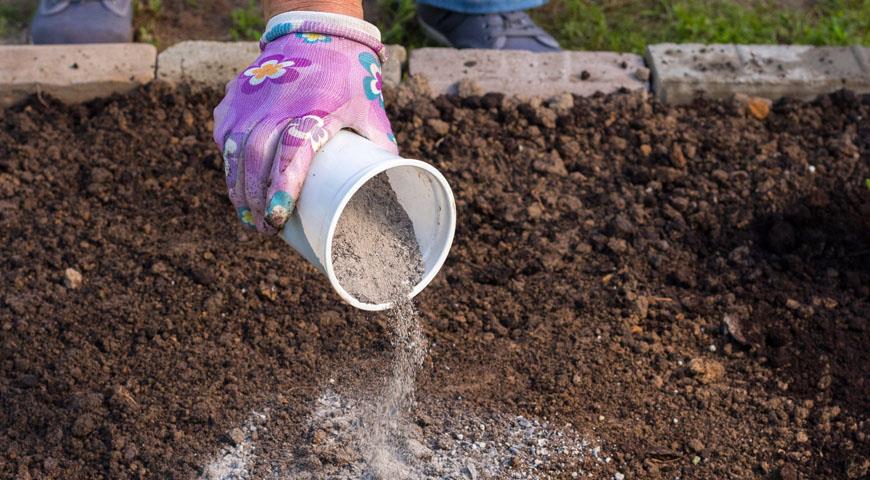
Ash added to the soil will help neutralize its acidity. Therefore, after applying this fertilizer, the prepared garden plot will become more suitable for growing this root vegetable. This will naturally lead to an increase in beet yield.
Video: How to Grow Beets
In this video, experienced farmers share the secrets of growing beets.
Fertilizer after germination
Fertilizers for beets vary. The first application is done after the first shoots appear. When fertilizing this crop outdoors, it's important to remember that this plant has the ability to accumulate significant amounts of nitrates in its tubers. Therefore, it's important to be very careful when applying mineral fertilizers. It's also important to remember that using potassium-based fertilizers, as well as those containing chlorine, will reduce nitrate levels in the tubers.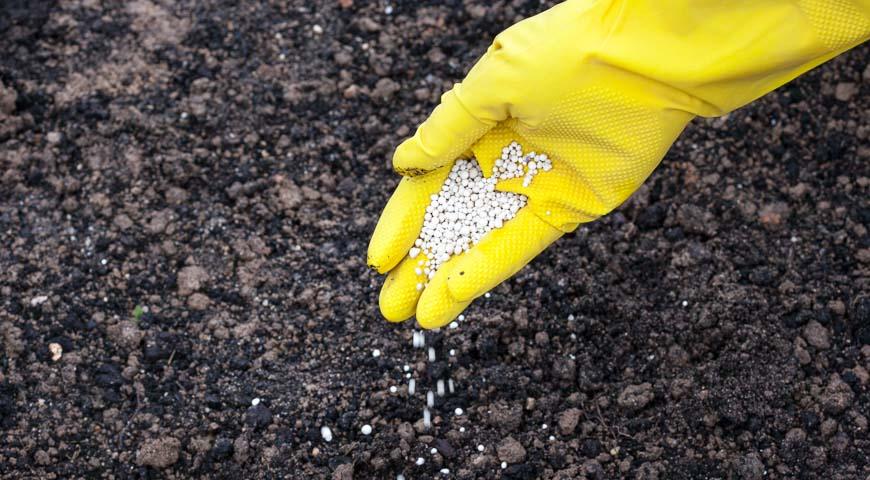
Phosphorus fertilizers are considered very beneficial for young beets. They accelerate the growth and development of plants in open ground. This activation of growth processes is observed not only in the roots but also in the above-ground green parts of the plants. Therefore, when the first shoots appear (3-4 true leaves should have formed), it is recommended to add superphosphate and potassium chloride to the soil to stimulate their growth.
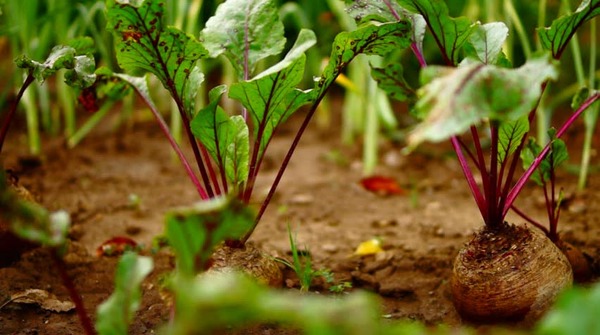
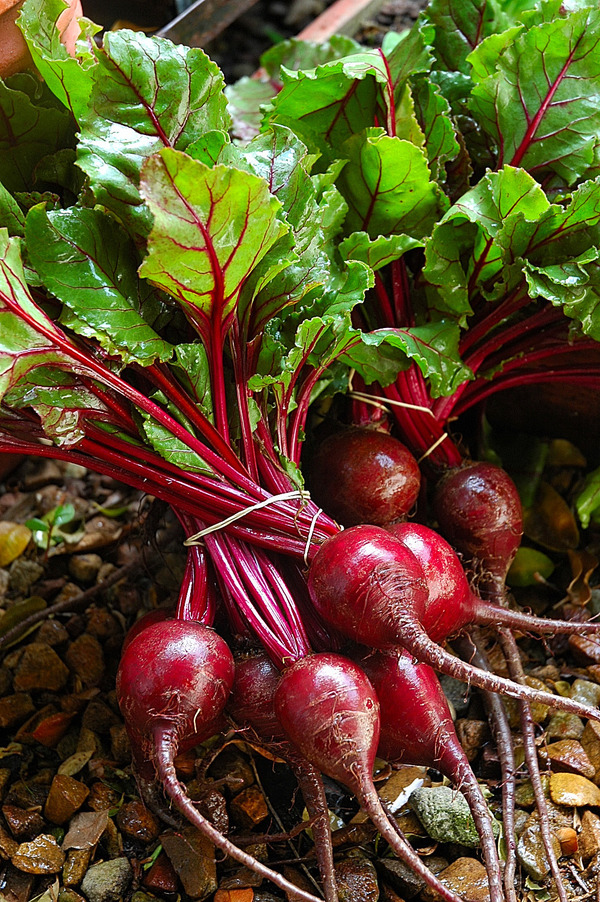
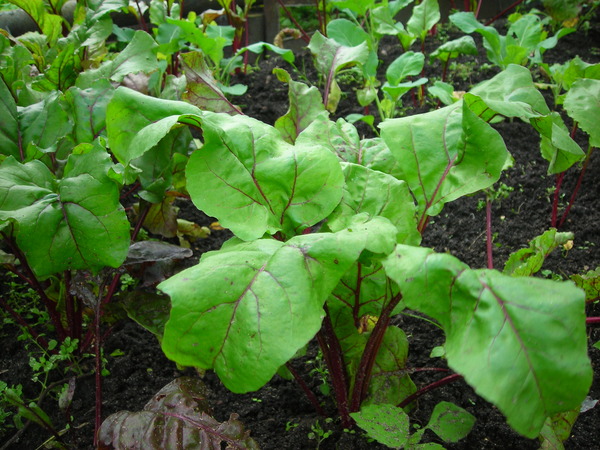
The first feeding after germination is carried out as follows:
- between the rows, at a distance of approximately 5-8 cm from the stems, you need to form shallow furrows;
- Fertilizers should be applied in alternating patterns. This means adding potassium to the first furrow, and superphosphate to the second. This is how the alternation will occur;
- After applying the fertilizer, the furrows are covered with soil;
- then they need to be watered.
It's important to strictly adhere to the concentration. 5-10 grams of potassium chloride should be applied per meter of planting. However, only 5 grams of superphosphate should be applied per meter of bed.
In the spring, you can also use the Kemira complex fertilizer. Additionally, add potassium salt (8 g per square meter) and ammonium nitrate (7-9 g per square meter). This completes the spring fertilizing.
Fertilizing beets in summer
To ensure a tasty and large beet harvest, gardeners fertilize their beets in the summer. Both mineral and organic fertilizers can be used for this purpose.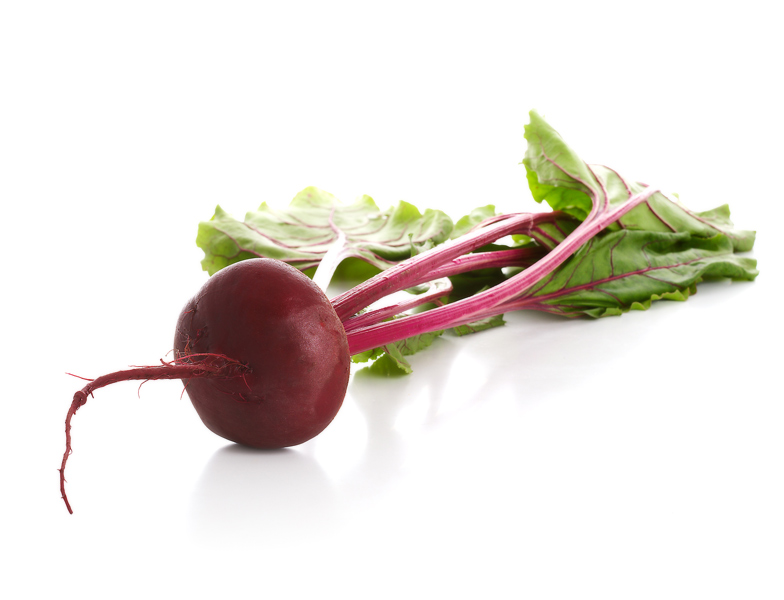
This procedure can be divided into three periods, which fall during the summer months:
- In June. During this month, experts recommend using simple mullein. It is diluted in a ratio of 1:10. Adding potassium chloride to the mullein is also an excellent option. To do this, dilute 20 g of the substance in 10 liters of water.
- In July (at the end of the month). During this period, the root crop is actively growing. Therefore, superphosphate should be applied at this time. Use 5 g of the substance per square meter;
- In August (at the end of the month). This month, the final top dressing is applied. It is done 20 days before harvest. It is also applied with superphosphate. The solution is prepared using the same principle as in July.
The absence of even one summer fertilization can negatively affect the volume and quality of the harvest.
If the summer has been rainy, it's important to replenish the soil's nitrogen reserves, as nitrogen will be actively leached. Otherwise, the beets will begin to wither. Regular urea should be used. To prepare the solution, dissolve one teaspoon of the substance in five liters of water. Use the resulting solution for foliar feeding, but only at the first signs of nitrogen deficiency.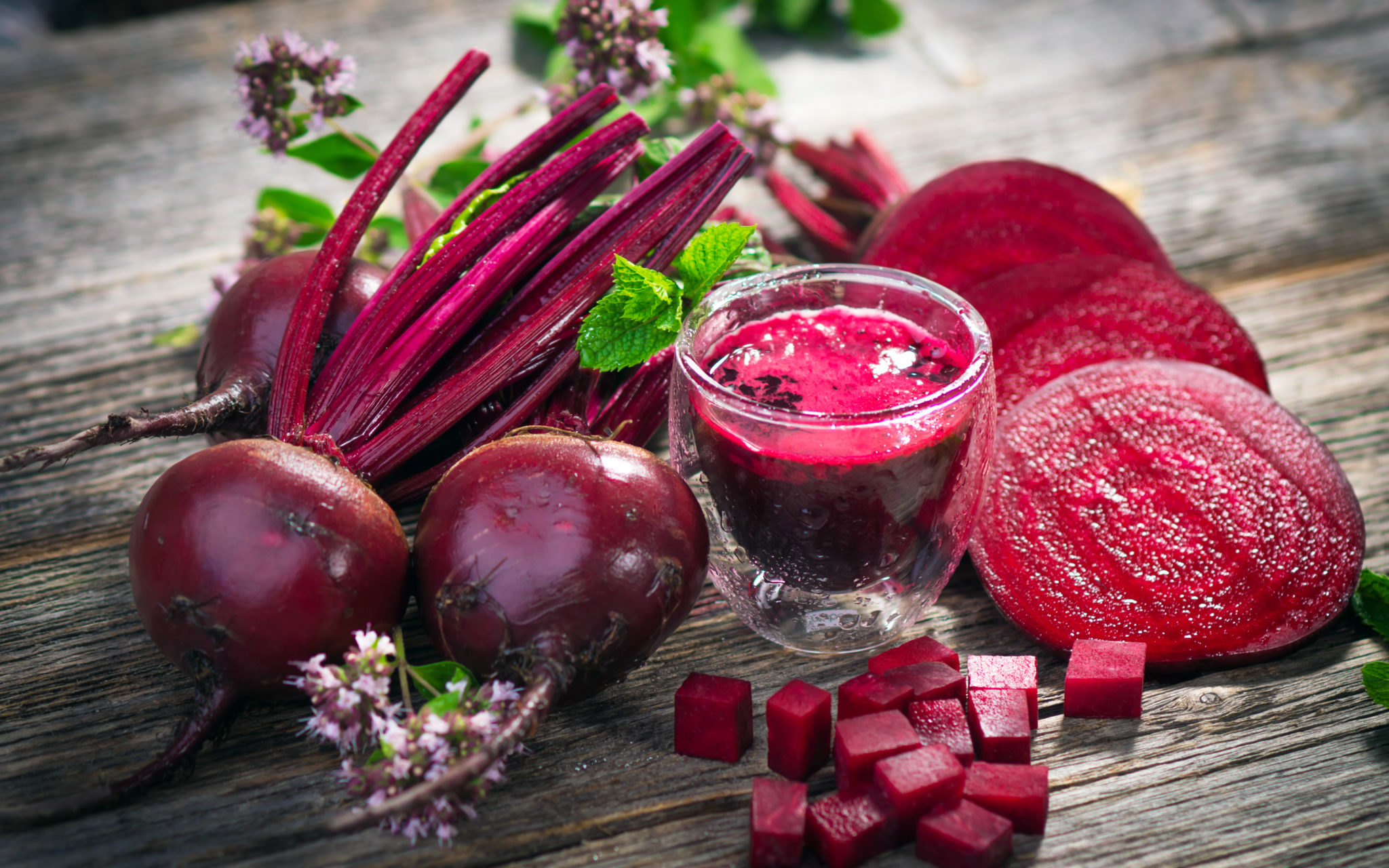
To ensure the tubers are sweet, fertilize the plants with salt. Regular table salt is used as fertilizer. To prepare a solution, dissolve 250 grams of salt in 10 liters of water. Water the plants with the resulting salt-infused solution 2-3 times during the summer.
- the first time - after the formation of the 6th leaf;
- the second time - when root crops appear (they should rise above the ground);
- the third time - 14 days later, after the 2nd feeding.
Salt solution is applied to the roots. Foliar application is also possible. Its purpose is to repel pests. Therefore, the entire green part of the plant should be treated with the salt solution. It is important to maintain the correct concentration, as too much salt will negatively impact plant growth and development.
When growing beets, following a simple fertilization schedule in the fall, spring, and summer can yield an excellent and delicious harvest at the end of the growing season. Remember, the key to success is timing and application of fertilizers at the correct concentration.
Video: "Secrets of Beet Growing"
The video shows all the intricacies of planting and fertilizing beets.