
What is the difference between sugar beet and fodder beet?
Content
Types of beets
Today, it's common to distinguish several types of beets that gardeners use for planting. These include leaf beets (chard), table beets, semi-sweet beets, sugar beets, and fodder beets.
Despite their common origins in the wild variety, all these beet varieties differ in their morphological structure and chemical composition. They also grow better in different conditions and are used for different purposes.
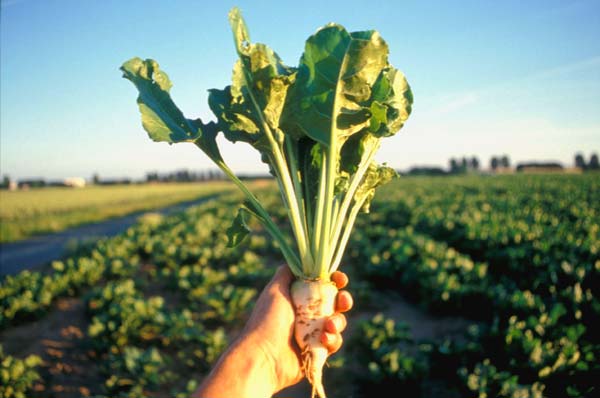
Leafy beet is a biennial plant. The root is typically not eaten because it is very tough and contains few nutrients. The leaves are used for food. They form a fairly large rosette containing a high protein content. Leafy varieties grow well in the summer, are resistant to high temperatures, and are undemanding of growing conditions. Once ripe, they contain a high percentage of vitamins and other beneficial substances.
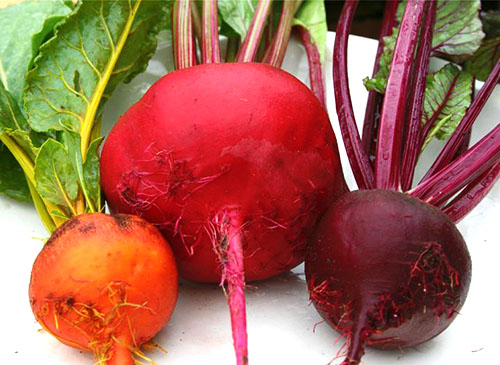
Beetroot. This vegetable is a biennial plant. It is currently grown almost worldwide. Depending on the variety, the root shape varies (oval, spherical, elongated, and flattened). Beetroot contains betaine, a special substance that affects the root's color. The more betaine it contains, the richer the color will be—from bright red to dark cherry.
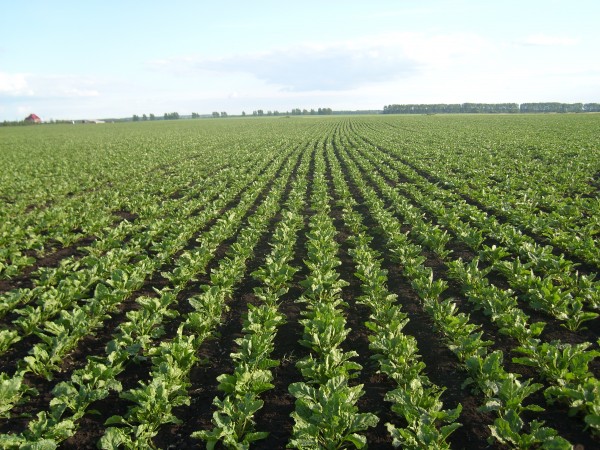
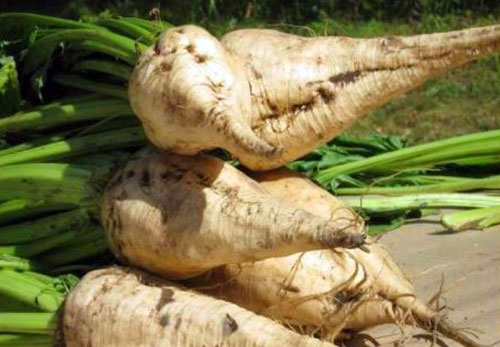
The semi-sugar variety of this vegetable crop can be considered a forage variety. These varieties occupy an intermediate position between sugar and forage varieties. Semi-sugar beets contain a lot of sugar, grow quickly, and are undemanding of soil conditions.
Gardeners classify sugar beet varieties as industrial crops. Their roots can accumulate around 20% sucrose. The harvested crop is primarily used for sugar production, with the vegetables processed in factories. After harvesting, the leftovers are used as animal feed.
Fodder beet is mainly used for feeding livestock. These varieties are rich in nutrients, which help animals gain weight faster. Because the roots are very juicy, animals can eat them in large quantities. Fodder beets are especially valuable for dairy cattle. This significantly increases milk yield in goats and cows and improves the taste of dairy products.
Video: Growing Beets in a Garden Bed
The video explains how to properly grow vegetables at home:
Main differences
Gardeners highlight a fairly extensive list of distinctive features between sugar beets and fodder beets.
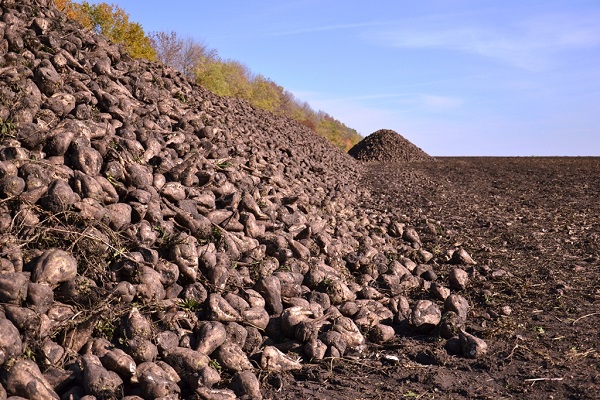
Sweet varieties typically have leaves that grow on long petioles. They become smooth and light green. The leaves are arranged in a rosette at the top of the root. A single plant can bear over 50 large leaves. The leaves that grow in June or July bear the brunt of the harvest. Forage varieties typically have heart-shaped foliage, which is often glossy and smooth.
After a year, beetroot plants begin to flower. Both types of vegetable crops have very similar fruit and flower head structures. They are usually inconspicuous, with greenish and yellowish hues. The flowers appear on shoots called whorls. These whorls produce a lot of pollen, a characteristic that attracts more insects.
These whorls typically contain 2 to 7 florets, spaced closely together. The fruits can often fuse with the perianths, forming a ball-like structure. In fodder and sugar beets, several plants can emerge from a single ball. This avoids the need to thin out seedling varieties, saving time. The seeds are usually tightly attached to the flowers. Fodder root crop varieties are distinguished by their smaller fruits and lower shedding rates.
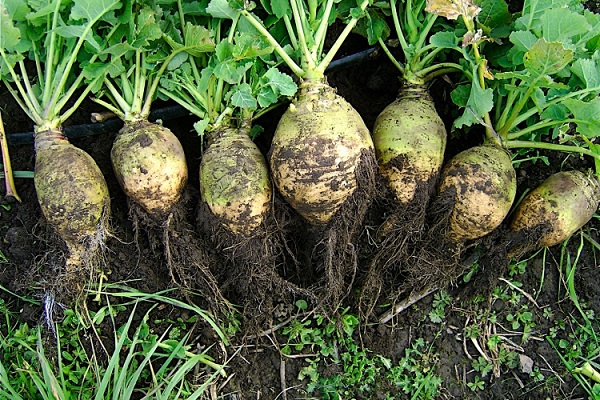
Gardeners also note some differences related to the root vegetable itself. The beet root system is divided into three parts: the head, the neck, and the root. Buds and foliage develop on the head. After a year, inflorescence shoots may emerge from the buds. The neck is an intermediate section.
Root crops can have a variety of colors. Forage varieties of this vegetable crop often have a wider range of colors than sugar beets. They typically range in color from pink, gray, bright yellow, and cream. Orange and lilac root crops are also common.
Forage beets are not buried very deeply in the soil. This characteristic reduces the costs of hand harvesting, while mechanical harvesting becomes less efficient. Forage beets are more diverse in shape and size. Some have conical roots that protrude from the soil when ripe. Cylindrical beets protrude more than halfway above the soil.
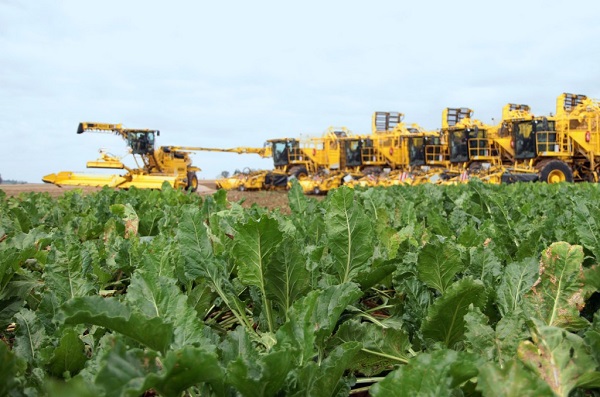
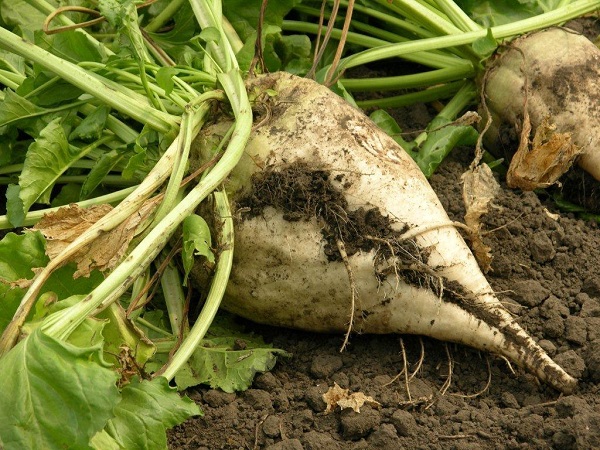
The color of sugar varieties is predominantly light shades, as well as gray and yellow colors.
Sugar beet varieties are almost always completely submerged in the soil. Therefore, agricultural practices are better suited for harvesting at the end of the season. Combine harvesters are typically used for harvesting.
The root system of sugar beet varieties can reach up to three meters in length. This is significantly longer than the rhizomes of forage vegetables. This feature is necessary for absorbing water from the lower soil layers. For this reason, the plants tolerate drought well.
The chemical composition differs primarily in dry matter content. Forage varieties have significantly less sucrose. This is due to the characteristic structure of the root vegetable—they have 5-7 times fewer vascular fibers, which form rings. Sugar, glucose, and other elements typically accumulate between these rings. Varieties will also differ in the amounts of galactose, arabinose, fructose, proteins, and carbohydrates.
On average, one kilogram of fodder beet contains approximately 0.13 feed units and 9 grams of protein. It also contains special lactogenic components that help increase milk yield in dairy cattle. This feed also improves milk yield in winter.
Forage vegetable crops are more demanding when it comes to soil conditions. It must be fertile and well-fertilized. Acidic soil should be avoided, as this can affect plant growth. To maximize yield, plant the crop in fertile soil. Regular irrigation is also essential.
Sugar varieties are less demanding regarding growing conditions. More attention will be needed to fertilize the soil. Otherwise, these root vegetables are undemanding.
Popular varieties of beets
The most common beet varieties are considered to be Detroit, Red Ball, Bordeaux, Barguzin, and Podzimnyaya Beet. These are early-ripening varieties that mature significantly earlier.
Mid-season varieties include Nesravnennaya, Mulatka, Bogema, and the hybrid Bon-Bon. Late-season varieties include Torpedo, Ataman, and Tsilindra.
Video "Interesting Facts About Beets"
Experienced gardeners share their secrets for growing beets.