
Diseases and pests of beets and methods of control
Diseases
Although beets are considered an easy-to-grow root vegetable, they sometimes experience significant problems: the tops become covered in strange brown spots, the leaves gradually begin to dry out and curl, and the roots themselves stop growing. In this case, you're clearly dealing with a serious disease or dangerous pests.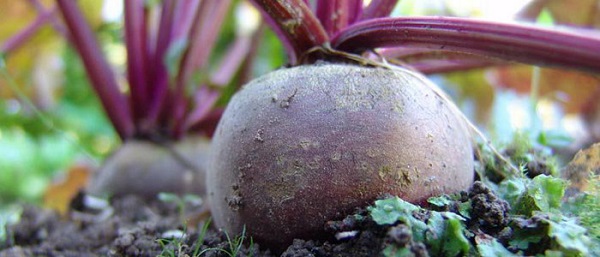
Sometimes these kinds of problems arise due to an unfavorable microclimate in your garden. For example, the tops of beetroots may turn yellow due to insufficient mineral fertilizers in the soil. This situation is easy to correct. The main thing is to prevent similar problems in the future. But what if the problem is actually much more serious? In any case, it's important to understand what to expect on the way to harvesting a bountiful harvest of homegrown beets and how to prevent potential threats.
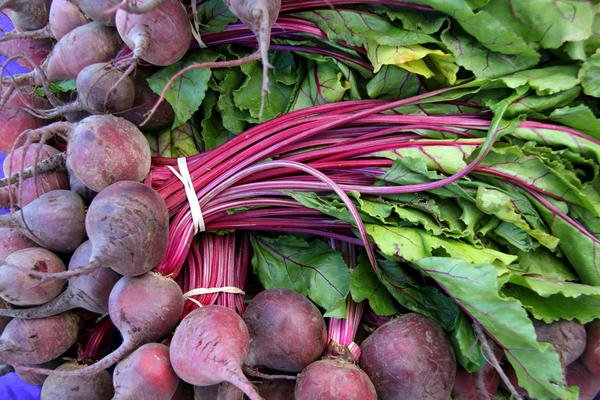

Cercospora leaf spot
Beet leaves, and indeed the entire plant, can be affected by this disease. Incidentally, it doesn't matter what region you grow this root vegetable in: beet leaf spot is common in virtually every growing zone.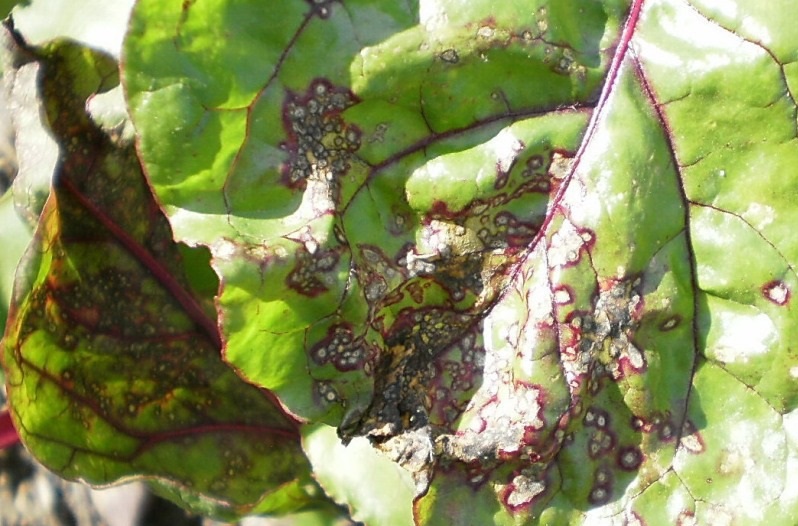
How does the disease manifest itself? Brown spots appear on the leaves, which eventually develop into holes. The plant gradually dies. How can this threat be prevented? Treating beets with special preparations is recommended. Preventative measures to protect the root crop include removing weeds near the plant's growing area.
Fomoz
Beet diseases, which are quite dangerous and rapidly developing, pose a real challenge for any farmer. Among the many diseases, heart rot, or phomosis, stands out.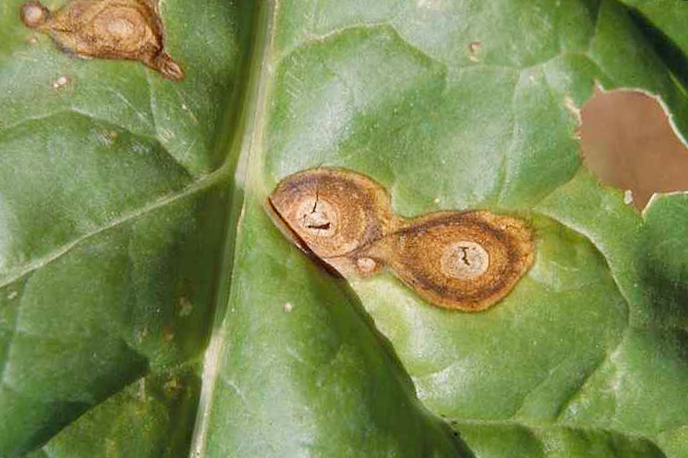
How can you tell if your plant is suffering from this disease? Observe the beet tops: round brown spots may have appeared on the leaves. These darkened areas often form concentric circles, making this disease easy to recognize. How can you combat it? As a preventative measure, you can treat the seeds with a special medicinal solution before planting. Experienced farmers often prefer to regularly apply potassium fertilizer to the soil – this is better than trying to rid the beet tops of this disease later. Remember, if you've already encountered this problem, it's recommended to regularly collect and burn fallen leaves.
Powdery mildew
What other beet diseases can catch you off guard? Powdery mildew is considered quite dangerous. It follows a pattern: the disease initially attacks the middle-aged leaves of the plant, then the oldest, and only finally the youngest. The symptoms of this type of infection are unmistakable. A thin white web appears on the leaves, which over time covers them like a carpet. Later, microscopic fungi begin to infest the beet tops, and these fungi persist even into winter.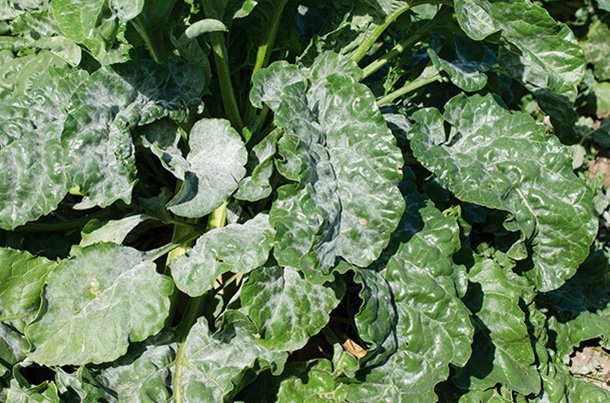
You can get rid of this disease by removing post-harvest greenery residues.
Rhizomania, or beardiness
The danger of this beet disease is that it sometimes manifests as no symptoms at all, at least initially. Initially, farmers may not even notice the problem; only a reduction in crop quality is evident, but no visible damage. The most noticeable symptoms include curly tops and vascular necrosis, which can be seen on the root cut. To prevent the disease from progressing, it's recommended to apply complex mineral fertilizers to beet beds, with particular attention to boron.
Downy mildew, or false powdery mildew
What is this disease? As soon as spores reach the plant, rot sets in. Farmers often encounter this threat in early summer.
The optimal microclimate for downy mildew spores is a humid garden. If you notice several beetroots affected by the disease, they should be removed immediately. This will reduce the likelihood of further spread of downy mildew.
To enhance the effect, it is advisable to spray the beets with Bordeaux mixture, and it is advisable to do this in two stages: after you notice the symptoms and after three weeks.
Cage rot
In this situation, it's not the beet leaves that are initially infected, but the beetroot fruit. These are essentially fungal growths of various types and shades that grow on the root vegetables during the winter during long-term storage in a damp cellar or other storage area.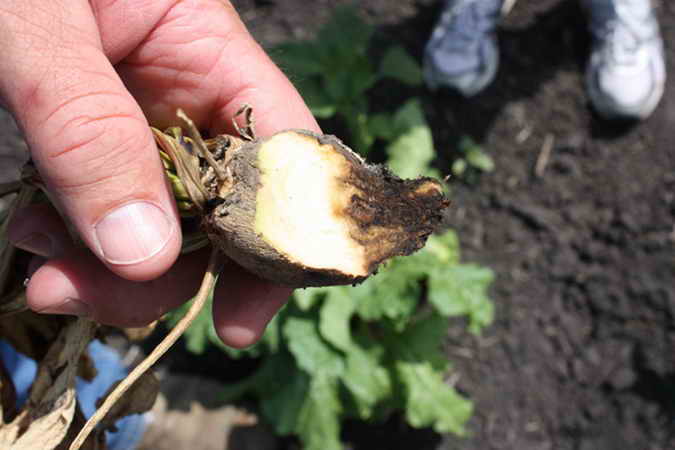
The development of such a disease can be prevented by saturating root crops with the necessary mineral components during their growth in the beds.
Blackleg
Such diseases can affect the plant in the early stages of its development, sometimes before the root crop even has time to emerge from the soil. This disease primarily threatens the beet root system, hence the name. It is crucial to act quickly in this situation. It is recommended, first of all, to saturate the soil with a boric acid solution. Weed control in the garden is also crucial. Another important point: experts believe that regular loosening of the soil significantly reduces the risk of developing this disease.
Common scab
Beet scab is also considered a disease. In the early stages, it's virtually impossible to detect any symptoms, as the disease affects the root rather than the leafy part. When a farmer harvests beets, they may notice cracks or scabs on the fruit. The main problem is that such a product doesn't look very appetizing, so you're unlikely to be able to sell it. Moreover, damaged root vegetables don't have a long shelf life. How can the disease be prevented? By spraying, but only during the beet growing stage in the garden.
Rot and its types
Dangerous diseases can manifest as various types of rot, and they must be controlled. What types of rot are currently being considered by experts?
- gray;
- white;
- red;
- Fusarium;
- tail.
The development of such diseases can be prevented by proper application of fertilizers and elimination of weeds.
Rust
It all starts with yellowish pads that can form on beet leaves as early as spring. Over time, they develop a deep brown hue, which can lead to premature leaf drying and death. How can you prevent this problem from developing?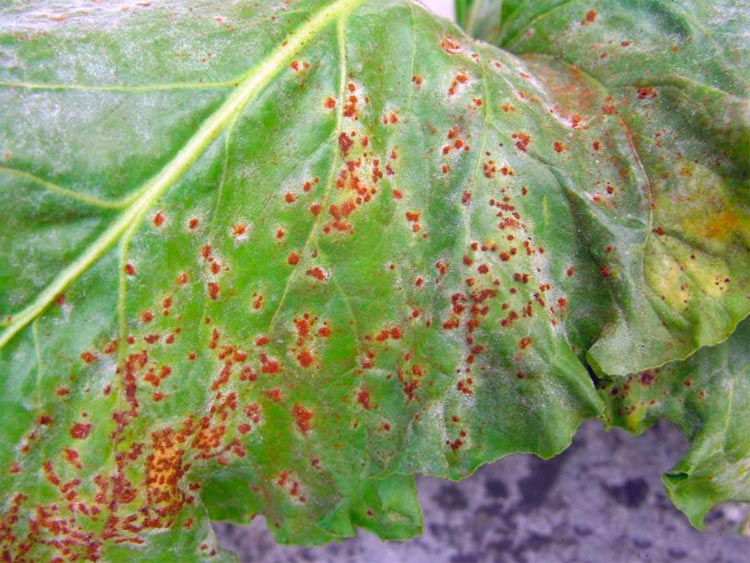
It's crucial to plant young and mature root crops at a reasonable distance from each other. This isolation can save your beet crop.
Video "Rhizomania Disease"
This video will tell you about the beetroot disease rhizomania.
Pests
It's one thing when beets in the garden are attacked by a disease that can be remedied by applying high-quality fertilizer to the soil and eliminating weeds, but quite another when the roots are beset by beet pests. In this situation, immediate action is necessary, as the full development of this crop depends on it. So what should a farmer do? First, it's important to determine which pests can destroy your beet crop.
Beetles
You may encounter these pests even during the initial stages of beet cultivation. These small, dark green beetles will simply eat away the leaves and growing points of your beetroot. Special golden powders will help get rid of them.
Mole cricket
This beetle is quite dangerous to beets, hiding from the cold in the upper layers of the soil during the winter. It's worth noting that your beetroots can be damaged not only by the beetles themselves, but also by the larvae they lay.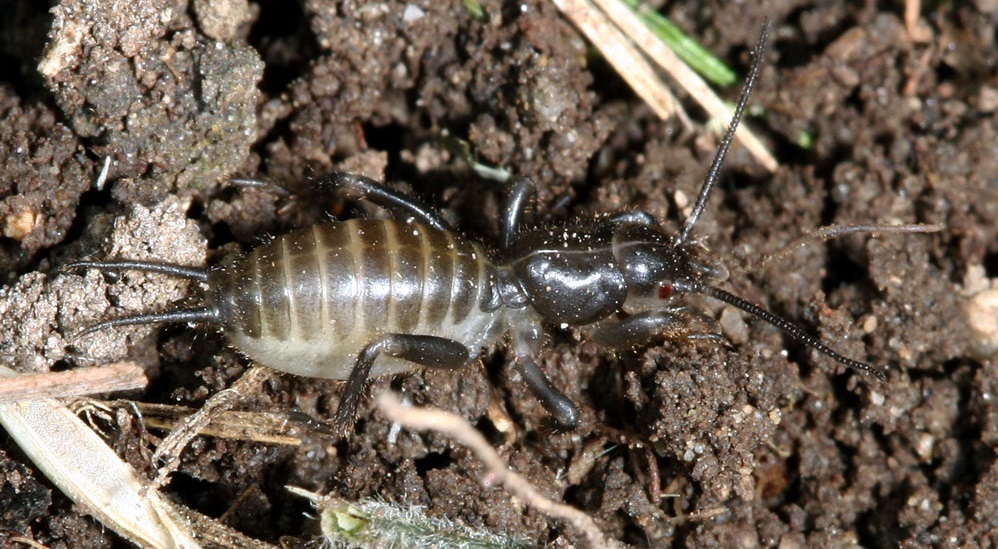
It is worth exterminating such parasites as soon as possible, before they completely destroy the beet crop in their desire to feast.
Nematode
The beet root system is often attacked by nematode worms. These pests also lay cysts there. How can this pest be eliminated? It's recommended to sow mustard or rapeseed in the garden in the fall. The nematode worms will inevitably move closer to their food, which you will then mow down. After plowing the soil, you can eliminate most of the worms.
Beetroot fly
If you've noticed that your beet leaves have simply started to dry out, carefully inspect the inside of the leaves for greenish beet fly larvae.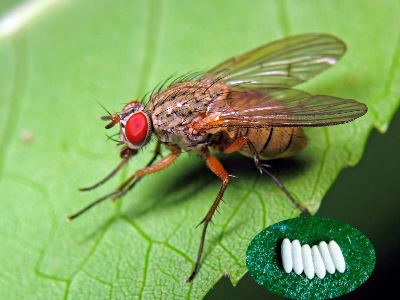
First, remove any fly-infested leaves from the plant. Then treat it with a specialized insecticide.
Beetroot bug
Sometimes, it's the beet stink bug that's eating your beets. This infestation can cause significant damage to the root crops, as this insect can consume five times its own weight in food per day. It can be controlled with insecticides, but the main cause of its appearance on the plant is dense weed growth.
Video "Nematode Pest"
From this video you will learn about the beet pest – the nematode.