
Growing the best varieties of aromatic yellow currants
Content
The best varieties
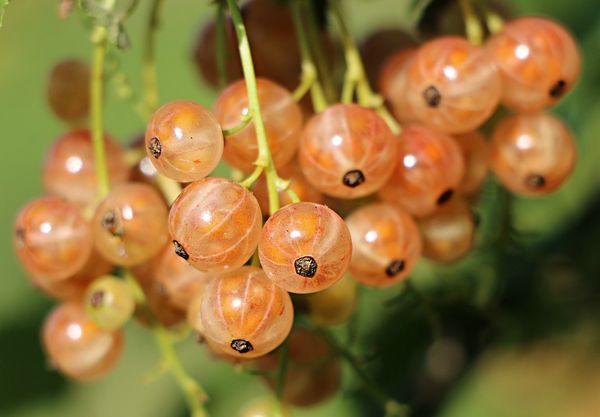
Golden or yellow currants were imported from North America. The shrub has thrived in the CIS, not only due to its excellent taste and rich content of vitamin C, carotene, tannins, pectin, and acids, but also due to the superb ornamental appearance of the bushes.
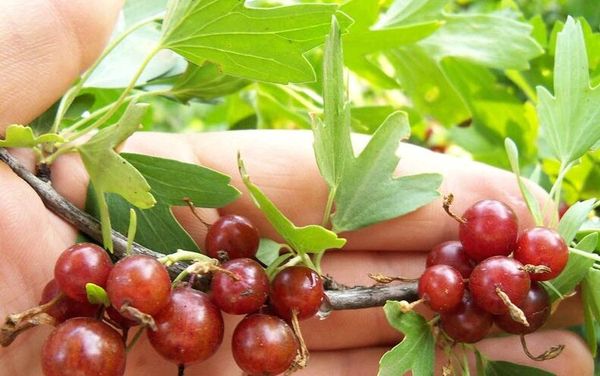
It's fair to say that yellow currants are a separate, distinct class. They're most similar to gooseberries.These beautiful deciduous shrubs are much taller than the ones we are used to, reaching a height of 3 m, with a rounded crown and fast-growing shoots.The color of the inflorescences and berries depends on the variety.
If we talk about popular varieties of yellow currants presented in our country, we can highlight the following:
- Shafak. This mid-season variety is frost- and drought-resistant, tolerates heat well, and can produce without additional soil moisture. It produces high yields—up to 10 kg per bush. The berries are deep red, sweet and tart, weighing from 1.5 to 3.5 g. It is resistant to diseases and pests.
- Venus. An early variety, winter-hardy, but requires shelter at temperatures above 35°C. It produces abundant fruit. The berries are black, oblong, and dessert-like with a tart flavor. It tolerates high temperatures well. It is resistant to various diseases and pests.
- Laysan. The oriental name is not in vain – the variety tolerates drought and high temperatures well. The harvest ripens by mid-July, producing a high yield. The berries are quite large, a golden amber color, and have a sweet and sour taste. The shrub's appearance makes it ideal for a variety of ornamental purposes.
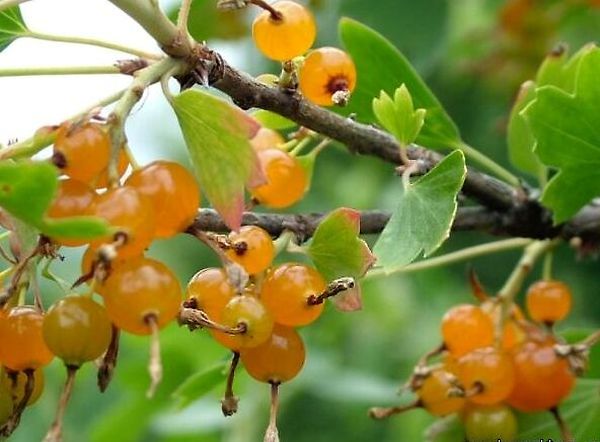
- Ermak. It is characterized by its dense, spreading habit, full-bodied, and tall. It is mid-season, frost-resistant, and resistant to diseases and pests. The berries are large, dark, with a sweet-tart hue and a rich aroma.
- Muscat. A tall yet compact bush. The berries have a distinctive aroma and flavor: sweet, with a honeyed aftertaste and a muscat aroma. Productive, resistant to adverse weather conditions and pests. Not prone to diseases;
- Isabella. An excellent choice for temperate climates. It has a mid-season ripening period. It tolerates low temperatures well and is resistant to diseases and pests. The berries are round, slightly flattened, and have a sweet and sour taste.
Selecting a variety and planting
The choice of currant variety is yours, but you should consider not only your region's climate and soil characteristics, but also the compatibility of the varieties. Yellow currants are extremely easy to grow: they are very compatible with other currants, as long as you plant several different varieties for future pollination. Planting and caring for this golden berry is virtually the same as for other currant varieties.
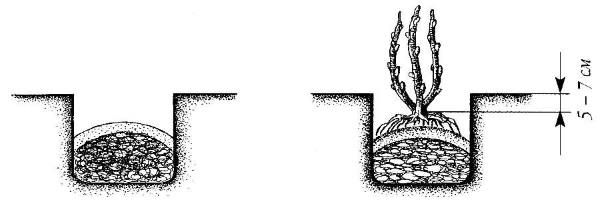
Currants are planted in the fall, but some gardeners prefer spring rather than fall. This is a perfectly acceptable option if your region doesn't threaten the bush with frost. It's also important to remember that the plant should be planted either before the sap begins to flow or after it has finished. Currants are not picky about soil, but heavy clay soils are best avoided. A well-lit or partially shaded area with fertile soil is ideal.
In a sunny spot, berries ripen faster, and the harvest is more abundant. Fertilizer can be added to the hole; manure, compost, wood ash, and superphosphate are all excellent. You can also mulch the area around the bush's trunk with peat and fertilizer. The root collar of the seedling should be buried several centimeters into the soil to stimulate the development of additional roots. After this process, water the bush thoroughly again and mulch the soil.
Care and propagation
Yellow currants don't require as much care as other varieties. They only need regular pruning, fertilizing, and an optimal watering schedule. Improper watering can negatively impact the harvest. Golden currants don't require frequent watering, but they do require thorough moistening during the fruiting period and after harvest.
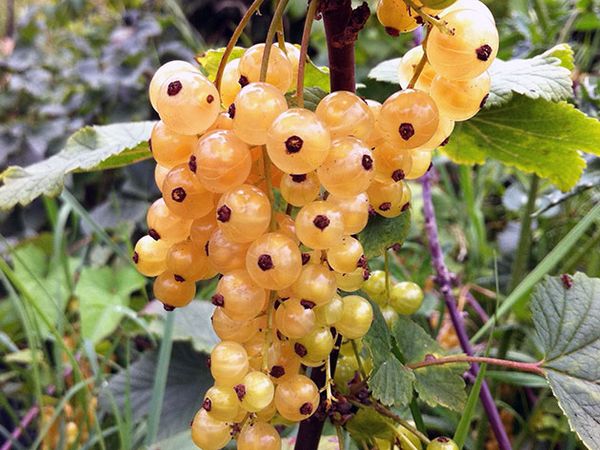
Neglecting watering can impair the absorption of nutrients, which will impact shoot growth and fruit set. If autumn rainfall is low, the shrub should be generously watered before winter to prevent shoot frostbite.
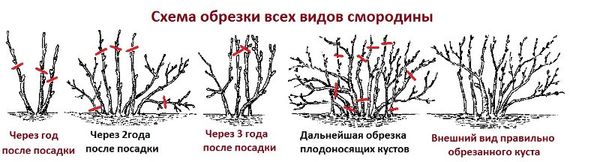
The soil around the currant bush should be periodically weeded and loosened. Golden currants also require timely pruning to remove dry, damaged, and abnormally growing branches. Pruning also helps rejuvenate the bush. Experienced gardeners note that shoots older than five years stop producing a bountiful harvest and lose their attractive appearance.
Young shoots growing inward should also be removed. It's recommended to prune healthy, strong main shoots to encourage the emergence and development of strong lateral branches. However, it's best to remove year-old growth, otherwise it will rob the main shoots of nutrients.
Currants should be pruned only during the dormant period, before or after the sap begins to flow. When new growth stops appearing in the root zone, the bush should be replaced. Fertilize currants twice a year with complex mineral and organic fertilizers. For the winter, cover the bush with a thick layer of peat or cow dung mulch.
Currant propagation is most often done by seeds or cuttings; grafting is less common. This doesn't mean grafting is impossible, but this method can lead to varietal changes and affect the yield and flavor of the berries.
Growing currants from seeds takes quite a long time: the seeds need to be stratified, then sown in specially prepared holes, and then the sprouted seedlings can be transplanted to a permanent location. Propagating by cuttings also has its drawbacks: you need to prune the branch correctly, select the right cutting, and wait for rooting. Seedlings are the best option for propagation. Just be sure to choose plants with healthy, undamaged roots.
Resistance to diseases and pests
Care must include disease and pest prevention. Almost all currant varieties are resistant to diseases and pests. But prevention is better than cure. To achieve this, bushes are treated with copper-containing preparations before the growing season. Later, biochemical treatments that pose no health risk can be used.
Follow our tips, and the beauty of golden currants will delight you for a long time.
Video "Golden Currant"
This video will tell you about the interesting features of this unconventional variety of currant.