
Growing black currants from seeds
Content
Selection of seed material
If a hobby gardener has acquired blackcurrants of an unknown variety, delighted by their size, flavor, and aroma, they might want to grow similar ones from seed in their own garden. Or perhaps they'd like to conduct some selective breeding with this very interesting variety. If they have the patience, blackcurrants will respond well to their efforts. They germinate easily; if a ripe berry falls to the ground in summer, the following spring, they'll discover small, cheerful sprouts under the bush, which people would typically ruthlessly weed out.
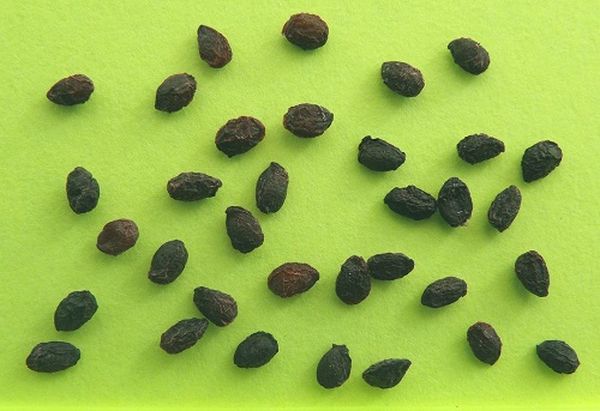
But you need to be prepared for the fact that the new plants will have characteristics completely different from the original berry—they may differ in ripening speed, disease resistance or susceptibility, their berries may be larger or smaller, sweeter or more sour. Essentially, the resulting breeding material will have its own new potential.
Ripe berries should be cut, crushed, and carefully rinsed to prevent the small seeds from escaping with the water. Then, they should be dried for easier handling. You can dry the berries in a berry drying device, then cut them and remove the seeds. When the berries fall from the bush, the seeds undergo natural stratification, having spent the winter in the ground (or on its surface) under snow. It's advisable to do the same with our harvested seeds; this will be their only, but very thorough, preparation for sowing.
Soil requirements
The soil will need to be nutritious, light, and finely grained to facilitate the seedling's growth. You can buy seedling soil or create your own mixture using garden soil, humus or compost, and sand if the soil is clayey. Adding charcoal to the soil is a good idea. After collecting all the ingredients, mixing them, and perhaps lightly kneading the soil with your hands (or sifting it through a sieve), the gardener should disinfect it.
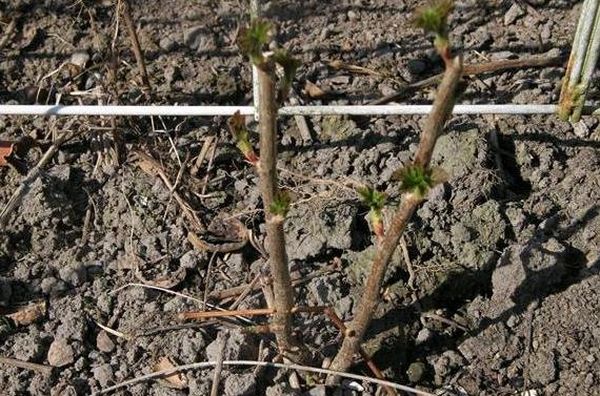
Some gardeners limit themselves to watering the soil with a hot solution of potassium permanganate, while others advise first warming the soil in the oven.
All methods are good, everyone chooses at their own discretion, but it is absolutely necessary to kill pathogenic microbes and the offspring of pests that have inevitably settled in the soil.
If you've prepared the soil and plan to sow the seeds as you would for regular seedlings, you'll need a container—a wooden or plastic box, perhaps even a flower pot. Ideally, the container should have holes to allow for easy drainage of excess water. A drainage layer of small pebbles or coarse sand should be placed at the bottom.
Landing rules
There are three ways to plant seeds: sow in the spring like vegetable seedlings, sow in the fall, leave in a cool cellar, or sow directly outdoors in a prepared garden bed before winter. Blackcurrants grown from seed grow well, whether in a pot in a warm apartment or in a garden after spring arrives, but the difference may become apparent later.
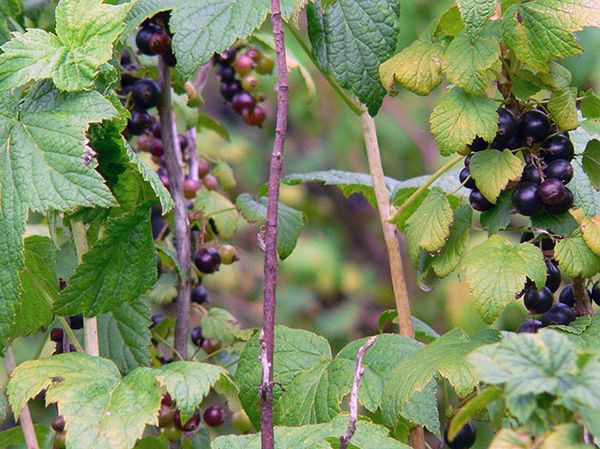
If the seedlings weren't stratified, or if they grew in a warm apartment, the currant bushes may be weak, susceptible to all sorts of diseases, attracting pests, and having a harder time adapting to outdoor weather conditions, especially alternating hot and cold temperatures. However, after surviving the first few years, which are the most difficult for a young plant, the currant bush will be able to gain strength.
If you're growing plants this way, the dried seeds should be placed in a paper bag in the summer and stored, preferably at a temperature of 2 to 5 degrees Celsius (33 to 41 degrees Fahrenheit). In early spring, bring the seeds indoors, keep them near a radiator for a couple of days, and then sow them in pots or boxes. Water the prepared soil generously, place the seeds in holes or furrows no more than 1 cm deep, and cover them with dry, fine soil or sand.
You can cover them with glass or plastic wrap and keep them in a warm place until sprouts appear. Basically, it's the same as with vegetable seedlings. It's best to water them through a diffuser to prevent the water from washing away the soil and the seeds. Once sprouts appear, move the container closer to the window, water it, rotate it, and keep it warm.
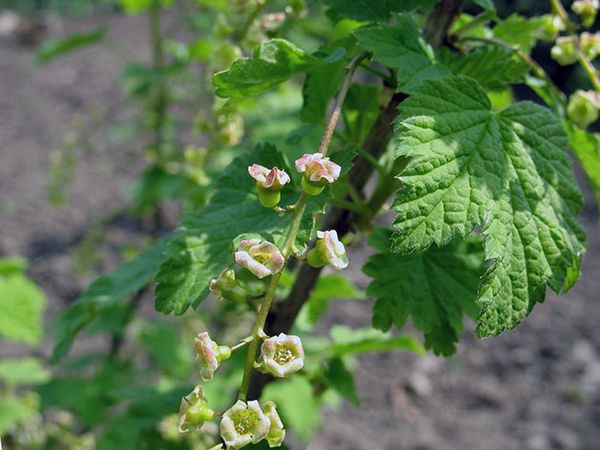
In September, you can sow the seeds in prepared containers, just as you would in the spring. Instead of keeping the pots (or boxes) warm, they're placed in a cellar where the temperature stays below freezing. Check the soil periodically to prevent it from drying out. In the spring, when the April sun awakens all the growing plants, the pots are brought out into the garden and can be buried in a sunny spot. Afterward, they'll need watering and protection from pets.
Those who decide to sow seeds directly into the garden should do so two to three weeks before the cold weather sets in; avoid doing this any earlier, so that the currants don't decide to sprout before winter. The seeds are planted shallowly in the soil in a sunny spot, and a marker should be placed nearby. This marker will survive the winter and will show us where we planted the seeds in the spring. Once the ground thaws, the seeds will revive and begin to germinate.
Post-planting care
Currants are transplanted from indoor pots into the garden when the plants have reached at least 15 cm in height. They need to be monitored closely – initially, shade them from the sun during the day, and perhaps cover them from the cool at night.
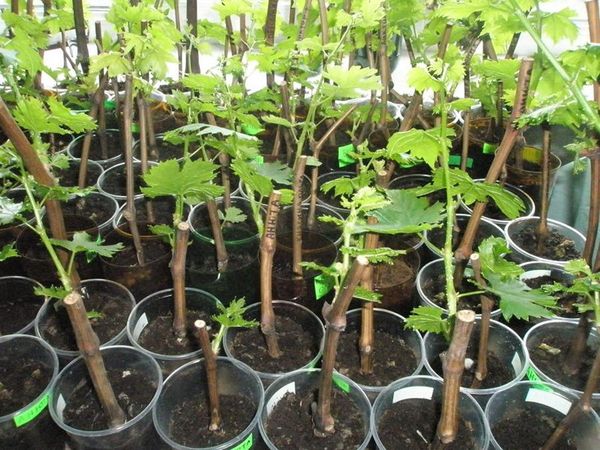
Plants should be transplanted from containers that have been outside since early spring to their permanent growing location as soon as the first true leaves appear.
Young plants require watering, weeding, loosening the soil around them, and fertilizing. If the soil has been prepared for planting in advance, it should already contain fertilizer for the first year of growth. After watering, you can mulch the soil around the young plants with compost or humus. This will protect them from weeds, retain moisture longer, and provide the plants with an additional dose of nutrients after each watering.
Throughout the first year, carefully inspect the plants to detect any potential fungal infections. As a preventative measure, you can sprinkle the soil (including the plants themselves) with wood ash and water the area around them with a copper sulfate solution. They won't grow much in the first year, but much more growth will occur in the second year. By the third year, young bushes will appear in the area, and in the fourth or fifth year, you can enjoy the first harvest of berries.
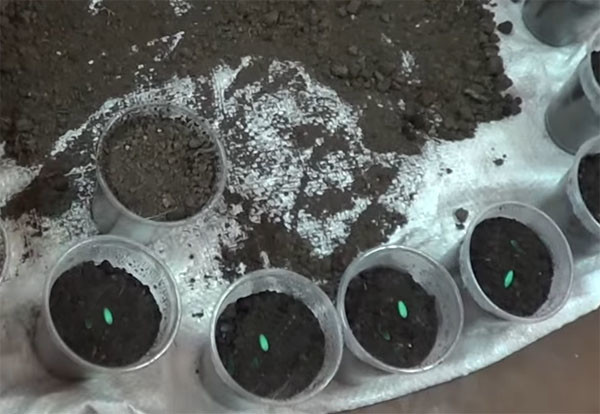
This method of growing currants doesn't promise a quick harvest, or even berries of the same quality as those from which the seeds were taken. But it will certainly provide the gardener with a lot of pleasant work and yield wonderful results, although perhaps not quite what was expected when sowing the seeds.
Video: Cuttings or Sowing Seeds
This video will tell you which is better: cuttings or sowing seeds.