
Currant pests and basic methods of control
Content
Major pests
Caring for currant bushes might seem like a relatively simple process. However, various pests will certainly add to your worries, taking advantage of, for example, dense bushes to settle and cause significant damage to the berries. Protecting currant bushes from pests is essential.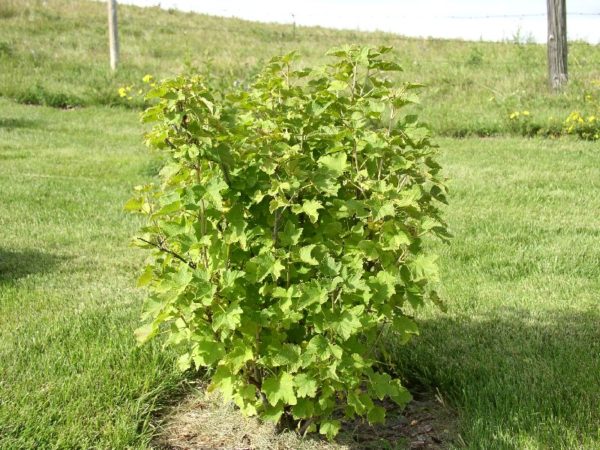
According to statistics, approximately 70 species of insects threaten the integrity of your blackcurrant bushes. There are plenty of ways to combat them. In modern gardening, we distinguish between those types of pests that frequently destroy crops and those that are extremely rare. First, it's important to study the most dangerous pests.
Currant bud mite
Blackcurrants are particularly susceptible to this scourge. How can such a parasite establish itself on their bushes? It's quite simple. If this problem arose soon after you purchased young seedlings, it's likely that this pest was already living inside the buds. These are small spiders that can carry various diseases (mycoplasma, terry leaf spot). 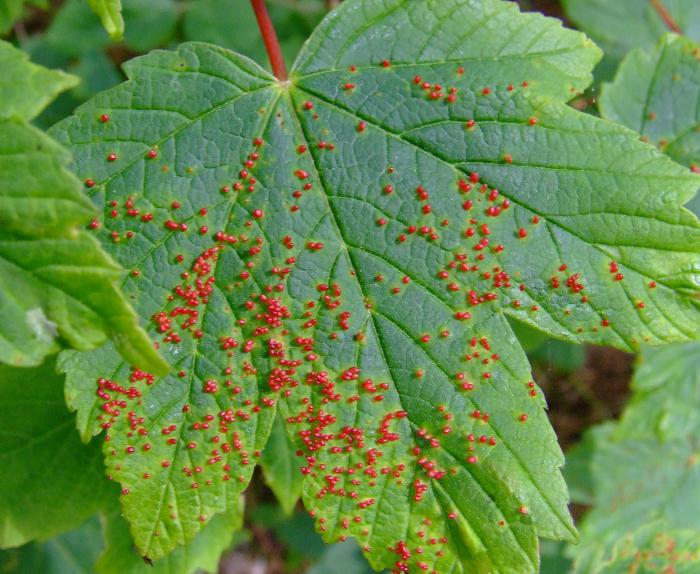 Carefully examine the dormant buds of the seedlings; if they appear swollen, this could indicate a hiding place for bud mites. Once the plant blooms and the buds fall, these pests will be defenseless for a while. But soon they will find new homes in the young, sap-filled branches. Blackcurrants infested with bud mites look unsightly, and the bushes will practically bear no berries.
Kidney moth
The butterfly has yellowish-brown fringed wings, making it easy to spot on currant bushes. The caterpillar, on the other hand, has a warty appearance and a light-colored fringe. These pests primarily favor white and red currant bushes. 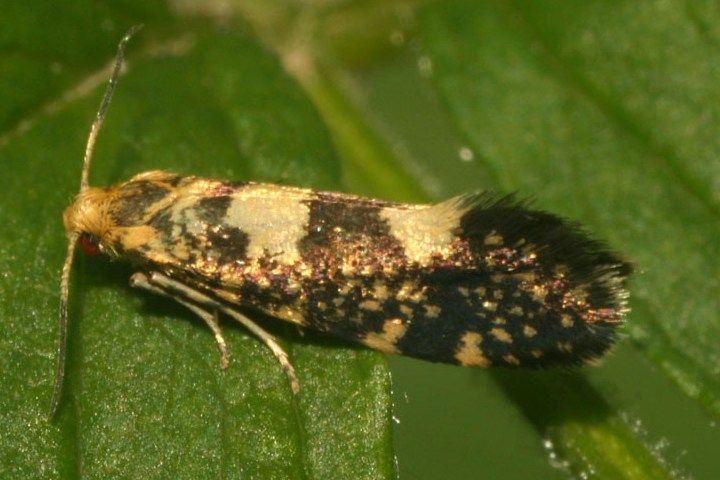 What's so dangerous about them? These parasites destroy plant buds. They also reproduce very rapidly: a female can lay up to 60 eggs.
Redcurrant aphid
Pest control of red currants is another important step in gardening. Among the most common pests found on bushes is the red currant aphid. It feeds on plant sap and primarily attacks currant shoots. 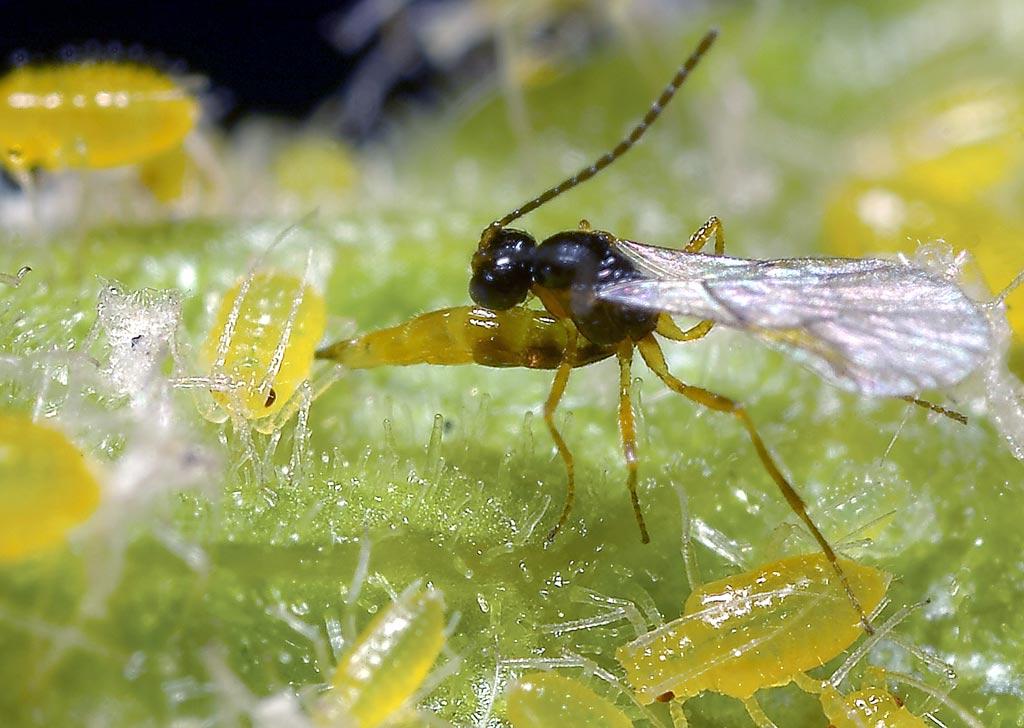 At the same time, the insect actively lays eggs. Remarkably, even severe frosts don't faze them, as the future larvae survive the winter well on the plant's branches. How can you spot this pest on your currant bushes? Inspect them carefully for ants. Their abundance indicates that your currant plantation has already been damaged by aphid larvae.
Spider mite
What other currant pests can significantly reduce the yield of currant bushes and even destroy them? Gooseberries, raspberries, strawberries, and cucumbers are all susceptible to spider mite infestations.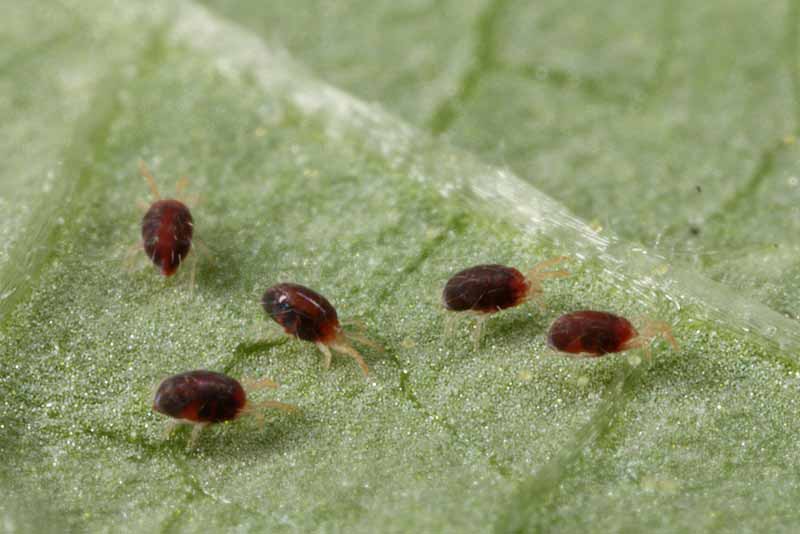 This pest becomes especially active during summer droughts. To prevent this insect from appearing, it's necessary to periodically loosen the soil around the bushes and promptly remove weeds. Planting onions or garlic near the bushes can be quite effective.
Currant gall midges
Pest and disease control can be a grueling task for a farmer. But if you want to save your currant crop, you'll have to work hard. 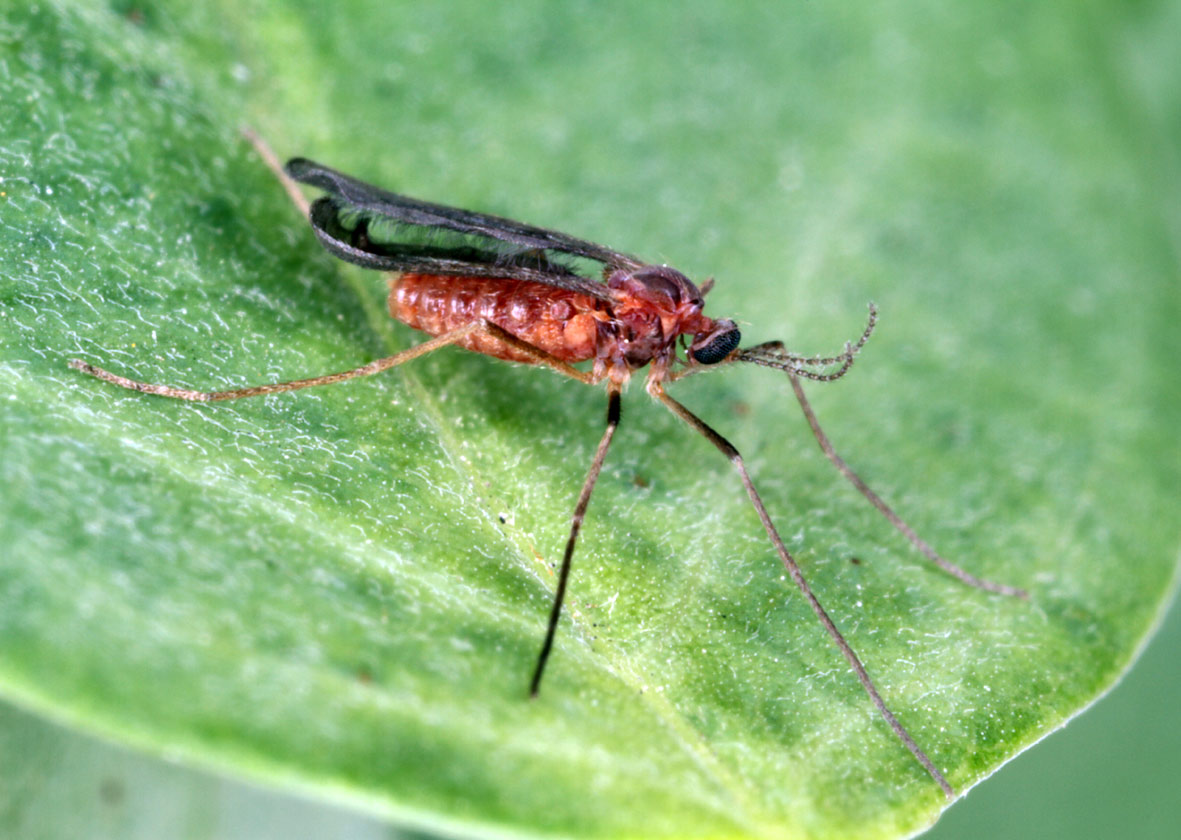 Gall midges are quite dangerous pests of currants. They include three varieties, depending on where they infect the bushes: leaf midges, flower midges, and stem midges. Most of these pests prefer blackcurrant bushes.
Currant beetle
This parasite primarily damages currant shoots. Shortly after the pest appears on the bushes, the shoots begin to dry out. 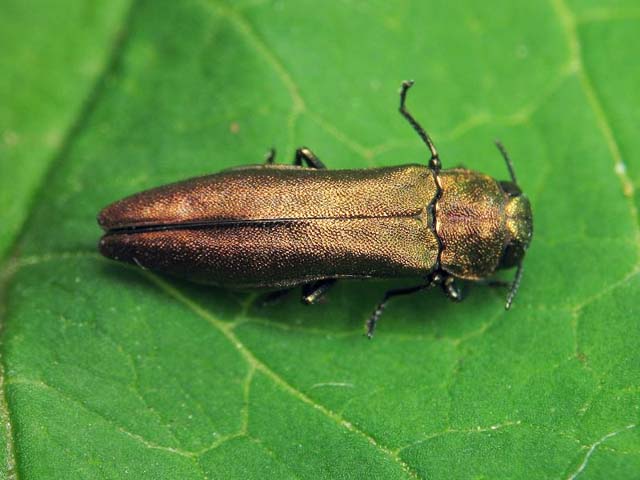 You'll notice that the yield is declining, and the berries are becoming quite small. How can you eliminate these pests? You need to cut out the damaged branches and shoots and then burn them.
Currant glass jar
Blackcurrant pests can cause significant damage to your plantations if action isn't taken in time. Take the blackcurrant glassworm, for example. It primarily damages the branches of the bush. But the most dangerous thing is that this threat is only detected in the second year of the caterpillar's life. By this time, currant bushes can suffer significant damage. You can get rid of a glassworm infestation with timely pruning.
Gooseberry moth
Currants often suffer from diseases and pests if not properly cared for. Currant moths are quite dangerous to the integrity of currant bushes. Interestingly, they lay their eggs directly in the flowers, and the newborn larvae primarily feed on the berries and ovaries.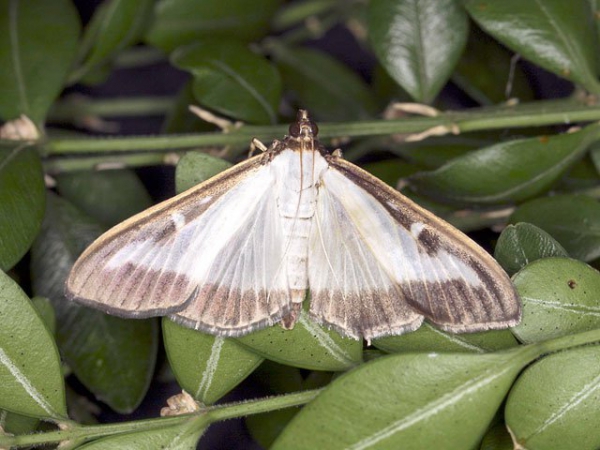 These pests are easy to spot on currant bushes, as the berries are simply covered in webbing. In the fall, farmers are advised to dig and mulch the soil around the bushes. Special pesticides can also help control the pests.
Gooseberry shoot aphid
How to combat currant diseases? The key is to first determine what specifically has affected your berries. For example, shoot-sucking aphids are a fairly common problem for Russian gardeners. 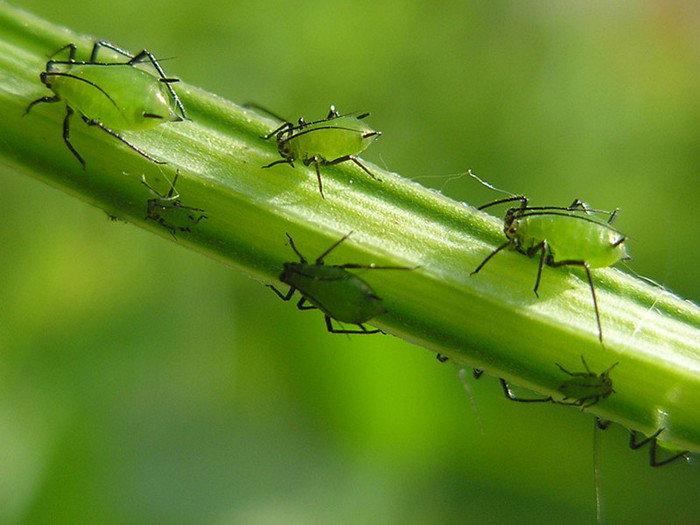 These insects can damage the plant's leaves, causing them to become distorted and soon become malformed. Regularly inspect your currant bushes, and if you notice any such problems, be sure to begin treatment.
Gooseberry moth
Currant pests and their control – this aspect of plant care often becomes a real challenge for farmers, especially when it comes to the gooseberry moth. What is it? It's a voracious caterpillar that actively destroys currant leaves, mostly affecting bushes bearing red berries, and sometimes white ones as well. The gray caterpillars with yellow and black spots on their sides are easy to spot, and this infestation must be stopped immediately.
Video "Currant Pests"
From this video you will learn about the main pests and how to control them.
Preventive measures
Currant bushes require careful care; only then can you be sure of the integrity of the berries and plants. However, among the many preventative methods, there are truly effective treatments, such as pouring boiling water over the bushes. No, this won't harm the bushes themselves; in fact, they'll grow significantly stronger after this treatment. However, it's important to follow a few basic recommendations to avoid the opposite effect:
- the water should be boiled, but slightly cooled;
- It is recommended to tie up the branches on the bushes;
- This procedure must be carried out during the period when the currants are dormant.
-
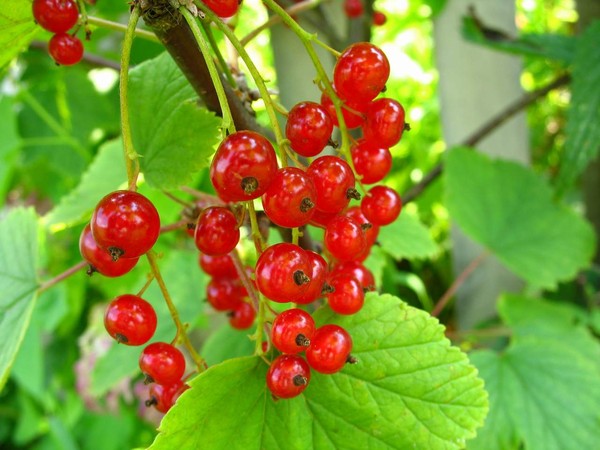
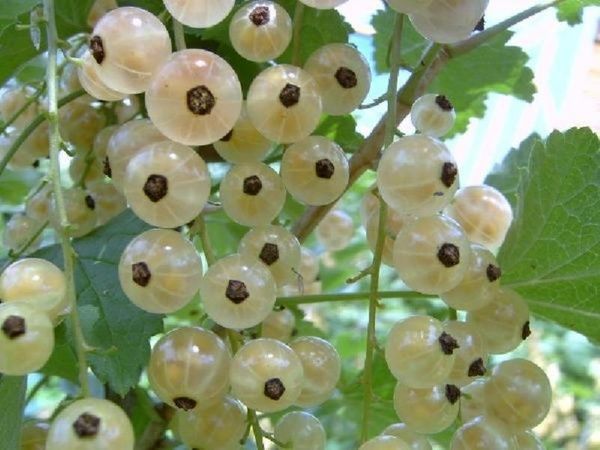
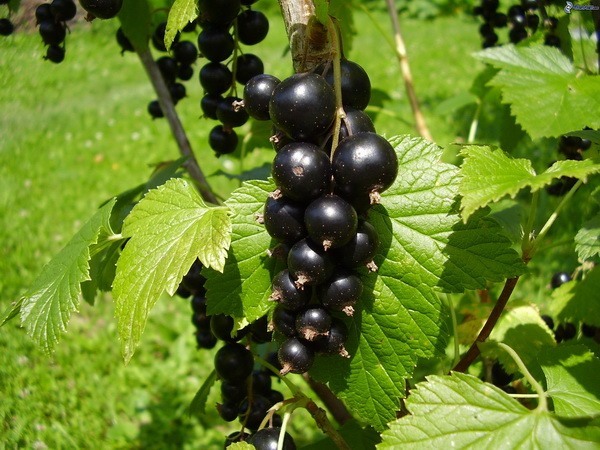
Of course, proper shrub care is essential. Trim branches and remove ant colonies, as they often serve as breeding grounds for other pests.
In the fall, when the harvest is complete and it's time to prepare the currant bushes for winter, it's time to do a sort of spring cleaning of your garden. Remove weeds and be sure to till the soil.
In the spring, it's also recommended to remove all plant debris. This will prevent pests from invading your garden, and will ensure your currants grow to their full potential.
Folk methods
If currant care hasn't been effective and insects are actively infesting your garden, it's time to try some folk remedies. Most farmers prefer to replace professional treatments with homemade alternatives. Key ingredients include onions, garlic, dandelion, wood ash, mustard, tobacco, burdock, and more. Using these remedies will help you solve the currant insect problem once and for all.
Video: Protecting Currants from Pests
From the video you will learn how to protect the bush from pests.