
The best currant variety of domestic selection Vologda
Content
Distinctive features of the variety
The "Vologda" variety was developed by domestic breeders in 1995. According to the state registry, it is recommended for cultivation in the Northwest, Far East, central Russia, and the middle Volga region. This winter-hardy, mid-late-ripening variety easily adapts to environmental conditions, making it suitable for cultivation in all regions of the country. It overwinters well in low temperatures, but fluctuations in temperature can trigger the plant's awakening, so sudden temperature changes can result in frostbitten tips of young shoots or buds.
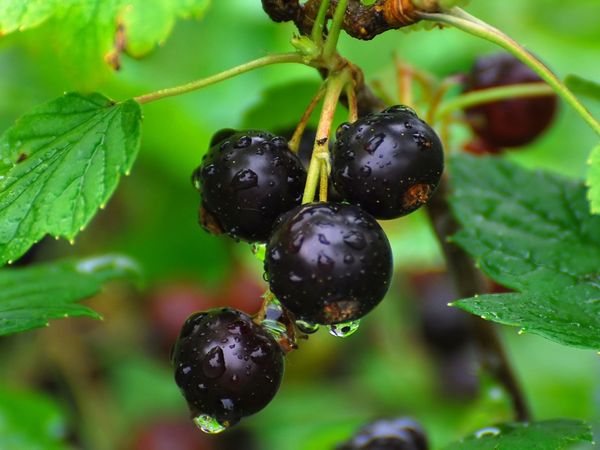
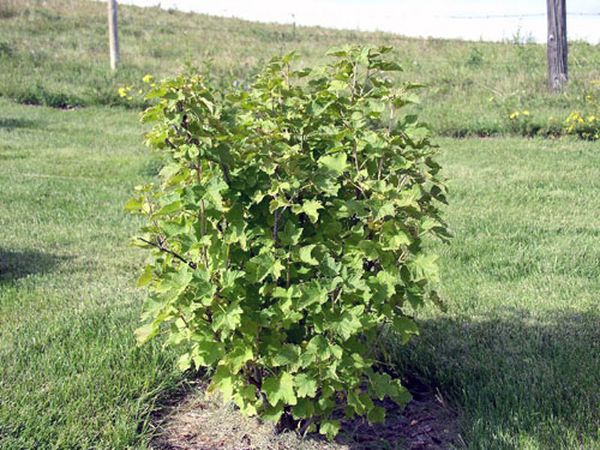
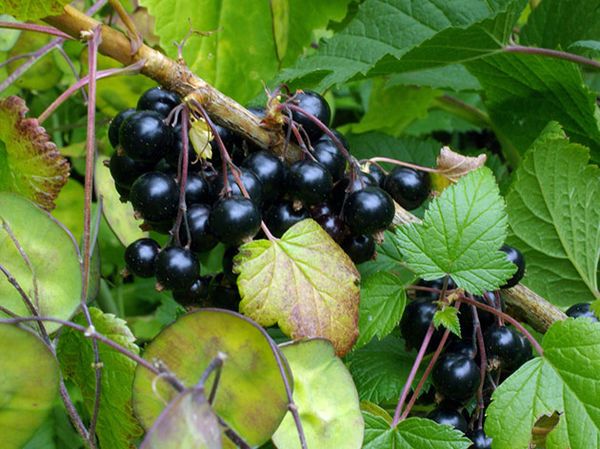
The bush does not grow very tall (1.3 – 1.5 m), but is dense and spreading, so it takes up a lot of space on the site. Young shoots are thick and light green, their tips may turn red and curve, while woody shoots take on a gray-brown color and arch. The leaves are usually large, five-lobed, dark green, sometimes with a bluish tint, leathery, and matte. The buds are large, pink, pubescent, and spindle-shaped.
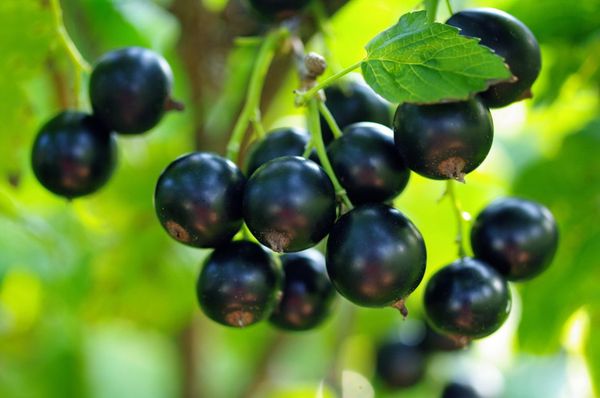
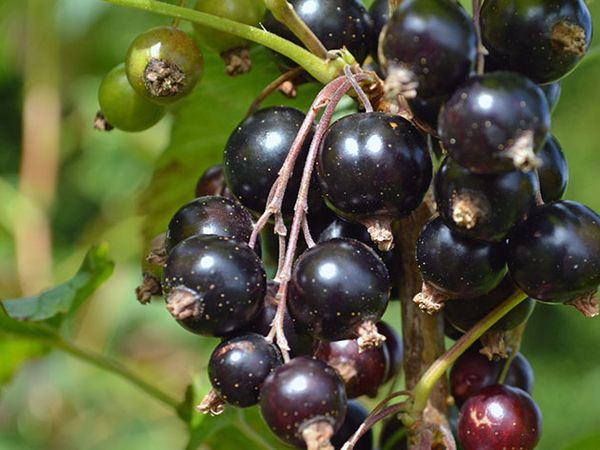
The currant cultivar "Vologda" blooms in May with medium-sized, cup-shaped, yellow-green flowers. By the end of July, large, round berries begin to ripen, detaching from the cluster with a dry tear. A long (8-10 cm), slightly curved cluster can contain 8 to 14 berries. The berries are black with a dense skin, averaging 1.7 g in weight, but fruits at the base of the cluster can weigh up to 3 g.
The rich sweet and sour flavor is due to the high sugar content—8.1%, with 137.8 mg of ascorbic acid per 100 grams. The fruit ripens unevenly, spreading throughout August; ripe fruits do not fall off, but may crack.
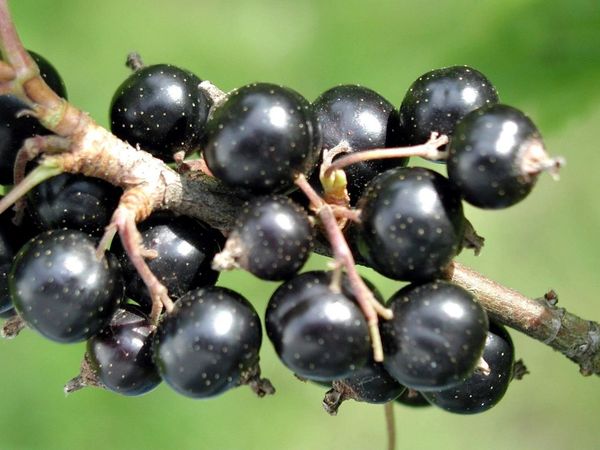
This self-fertile variety yields 3-4 kg of berries per bush annually without the need to plant other pollinators. Its early fruiting is evidenced by the harvest already in the second year after planting. 'Vologda' is resistant to powdery mildew and bud mites, has excellent immunity, and is rarely affected by other diseases and pests.
Planting and care features
'Vologda' prefers moist soil and grows well in wind-protected lowlands, as long as there's no waterlogging. When the groundwater level is close to the surface, it's best to raise the bed by 20-25 cm.
Of course, currants prefer fertile soil and a sunny location, but they will even tolerate partial shade and poor soils; however, they should not be planted in rocky or acidic soil.
Leave at least 1.5 meters between bushes, and 2–2.5 meters between rows (or between currant bushes and trees). Planting can be done in the fall at least a month before frost, or in the spring, when the soil has warmed. Dig a hole 40 cm deep and 60 cm wide. Place the seedling at an angle to the ground surface, spread the roots, and cover with soil mixed with fertilizer. After planting, water generously—40 liters per bush.
It's best to buy two-year-old seedlings, choosing those with two to three woody, yellow-brown roots at least 15 cm long and numerous small rootlets. Roots that are too dark indicate frost or dryness. The aboveground portion should consist of one or two well-developed shoots with healthy leaves.
When planted at an angle, the plant's lateral roots develop more quickly. After planting, watering, and mulching, the shoots are pruned back to 4-5 healthy buds to reduce stress on the roots and allow them to establish, which will then prompt new shoots to emerge.
Before planting, fertilize the soil with half a bucket of compost and humus per bush, 130 g of superphosphate, and 30 g of potassium sulfate. This nutrient supply will last the plant for a couple of years, and then organic and mineral fertilizers should be applied regularly in the spring and fall.
In the spring, organic matter, urea, and superphosphate are typically applied immediately after the soil thaws. In the fall, after harvest, nitrogen, potassium, and phosphorus are added again, which will help the plant set buds for the next harvest. Nitrogen can also be applied to the bushes at the beginning of flowering, and during fruit set, potassium and phosphorus are added along with watering.
'Vologda' is not watered often, but should be given a generous amount at a time—at least 40 liters. It's essential to water during flowering and again after leaf fall. If the soil is low on moisture, water in early spring when growth begins. If the summer is dry, water a few more times, but make sure the water penetrates to a depth of at least 40 cm. To ensure proper drainage, it's common to make furrows about 10 cm deep and pour water into them rather than directly onto the soil.
A ridge is built around the bush to prevent water from spreading too far. Another interesting watering method involves digging a hole 45 cm deep and 20 cm wide near the roots, filling it with stones, and pouring water onto the stones during watering. This ensures that the water penetrates the desired soil horizon, and the roots absorb it as needed.
The soil around the bushes needs to be weeded and loosened. Then it's sprinkled with wood ash or dry fertilizer and mulched with compost. Every rain brings nutrients to the roots, preventing the soil from compacting, preventing moisture from evaporating, and preventing weeds from growing.
To ensure a good harvest, the bushes need to be pruned properly every year. After planting, existing shoots are shortened, and the following year, new shoots emerge, and fruiting begins on the previous year's branches. Each year, shoots are shortened by approximately a third of their length, and starting in the third or fourth year, old branches with diminishing fruit production are pruned.
Furthermore, sanitary pruning involves the timely removal of branches and parts affected by frost, damage, pests, or diseases. A mature bush should have approximately 15 young shoots of varying ages. When choosing between an older shoot with numerous well-developed buds and a young but weak shoot, it's best to choose the older one, as it will still produce a decent number of berries, and remove the younger one as unpromising.
The Vologda variety is resistant to powdery mildew, but the bushes can become infected with anthracnose, terry leaf mold, rust, and can be attacked by fireworms, glassworms, aphids, and spider mites. If any of these problems occur, then in extreme cases you can resort to the help of special preparations, but it is important to remember that the bush can be treated with chemicals no later than a month before the fruits ripen.
'Vologda' has excellent immunity. If you remember to fertilize and follow basic agricultural practices, diseases and pests won't bother the currants, they'll grow for a long time, and delight owners with bountiful harvests.
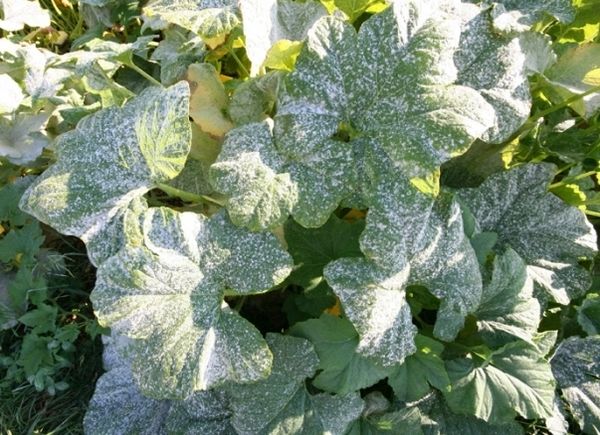
An excellent preventative measure is to wash the bushes with hot water in early spring. This is done very early, before the buds open, to kill pathogens and pests that may have settled unnoticed on or near the bush for the winter. Very hot water (at least 50 degrees Celsius) is generously poured onto each branch and the soil beneath and around the bush.
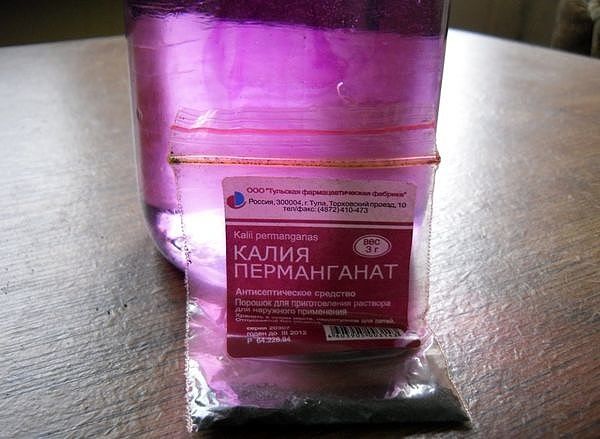
Some gardeners water the soil around the bush in the spring with a solution of potassium permanganate or copper sulfate (it's excellent for preventing anthracnose). Sprinkling wood ash around the bushes can help prevent diseases and repel pests. It's ground into a powder and sprinkled on the bushes after rain or after spraying if aphids are present.
To avoid problems later, it's best to remember to loosen and weed the soil between the bushes, prune them thoroughly in the fall, and check them in the spring; you may need to continue pruning after the frost has passed. Overall, this variety is relatively trouble-free.
Harvesting and storage
Some consider the extended ripening period of the fruit a drawback of this variety. This can be very convenient for those who spend the entire month of August at their dacha and have the opportunity to pick ripe berries every day for eating; they are most beneficial when eaten fresh. The berries are distinguished by their sweetness, rich flavor, and pleasant aroma. They do not fall off after ripening, but a careless homeowner will end up with cracked fruits if they are not picked in time.
Each year, each bush delights its owner with 3 or 4 kg of black, sweet-and-sour berries of varying sizes. The berries set at the base of the cluster are larger than those at the edge, and on last year's branches, they usually grow larger than on older ones.
Their thick skin and dry peeling help them store well and be transported over long distances. However, at room temperature, dry, undamaged berries can last no more than three days. To preserve them for a week or more, select dry, whole berries and refrigerate them.
Berries can be dried, frozen (they'll keep for several months), mashed with sugar, or boiled—they're truly versatile, and even after heat treatment, they retain many beneficial nutrients. Berries are usually dried in the oven, adjusting the temperature and keeping the door open. They can also be dried at room temperature, but this requires a shaded, well-ventilated area free of flies, and plenty of patience.
The branches sometimes bend heavily under the weight of the fruit, which can be supported by supports, but usually the sturdy, plump shoots don't lie flat on the ground, simply arching upward. A dense, spreading bush with dark green foliage, even slightly bluish, looks very impressive, laden with a profusion of berries, whose color ranges from light green to black.
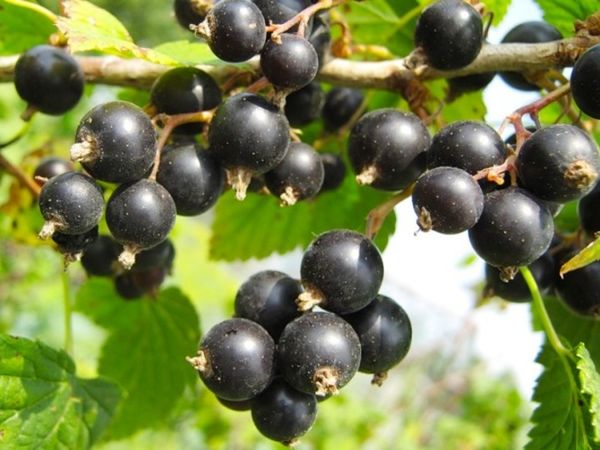
Many gardeners say that if the berries weren't so tasty, 'Vologda' would be worth growing for its ornamental value. But there's no accounting for taste—others cite the bush's sprawling habit and the berries' slow ripening as significant drawbacks.
Video: Planting and Growing Currants
This video will teach you how to properly plant and grow currants.