
Spring treatment of currant and gooseberry bushes from diseases and pests
Content
Processing times
Treating gooseberries and currants in spring is an important step in caring for these berry crops. For effective and successful care, the work must be carried out within a specific timeframe. Failure to spray the plants at the right time can be ineffective in controlling pests and various diseases.
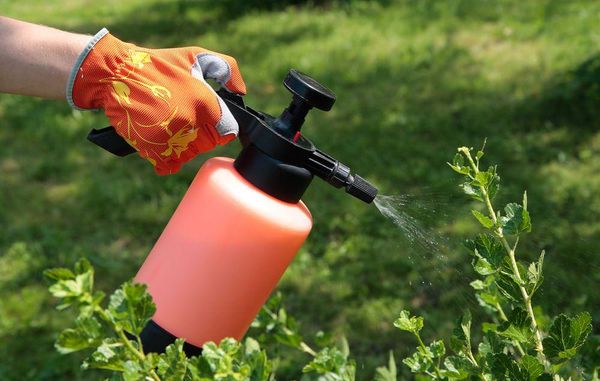
Harvest control should begin in early spring. Gardeners typically begin spraying bushes before bud break. However, these treatments can also be performed at the bud break stage. There's only one requirement: treatments must be completed before the buds fully open. This should be done in good weather.
The optimal time to carry out these actions is considered to be the period when the temperature reaches +15…+18 °C. If the weather is unsuitable (for example, the winter period has dragged on), then spraying is postponed.It is also worth noting that in the fall, berry crops must be sprayed to destroy pests and pathogens that affect the plants at the end of the season.
Treatment for diseases
In spring, when the snow begins to melt and the air temperature rises, favorable conditions are created for the infection of bushes by pathogenic microflora. The disease can originate from the soil or develop from a damaged area of the branch. Fungal, viral, or bacterial diseases can be prevented by timely plant care and spraying them with special products in the spring.
Gooseberry
When spring arrives, it's time to treat your gooseberries for diseases. Spraying will both kill pathogenic microflora and prevent their recurrence during the spring months. Spring treatments are carried out before the buds swell and the first leaves appear. It's worth noting that there are now special mild agrochemicals that can be applied even when the bush is flowering or setting fruit.
Plants should be watered after pruning. Remove dried, frozen, or broken shoots, as they may harbor pathogens. It's worth noting that many bacteria, fungi, and viruses can overwinter in the soil. Therefore, to ensure a complete watering, water the soil around the gooseberries.
Various products are used to protect garden plants from diseases. The key is to use the right solution at the right concentration. This is especially true for chemicals. In this case, an incorrect concentration can cause chemical burns.
Currant
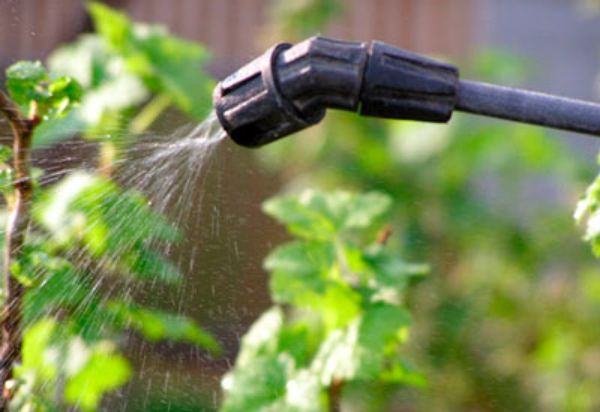
Currants, like gooseberries, require spring spraying. The procedure and requirements are the same as for gooseberries. Both berry crops should be treated with products considered universal and capable of resisting the most dangerous diseases. Common diseases for currants, as well as for gooseberries (to varying degrees), include:
- powdery mildew;
- anthracnose;
- terry.
Spraying currants is typically done in several stages. A certain amount of time, often 1–2 weeks, must pass between treatments. The length of time the plants need to rest between sprays depends on the product the gardener chooses to use. The more aggressive the product used, the longer the plant will need to rest afterward.
Pest control
In addition to harmful microflora, berry crops in the garden often suffer from pest infestations. The treatment for currants and gooseberries in this case depends on the insects common to the particular growing region. However, almost any pest can be controlled with a universal remedy. For example, boiling water has proven effective in this regard.
Gooseberry
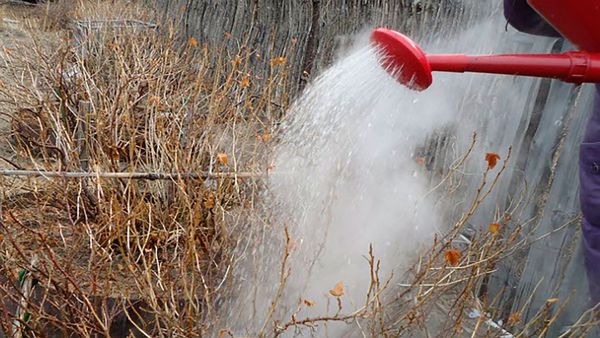
In early spring, in addition to preventative treatments for diseases, plants are also protected from pests. Hot water is the most effective way to control insect pests. To ensure maximum effectiveness, the plant shoots should be tied into a bundle before dousing.
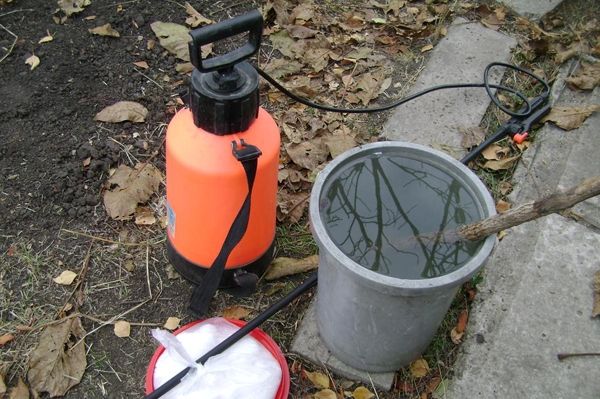
Boiling water is poured into a regular bucket or watering can (preferred). As with spraying crops against diseases, it's important to pour boiling water not only on the bush itself, but also on the soil around it. Treating the soil with hot water is essential because the life cycle of many pests involves overwintering in the soil. Boiling water poured onto the soil destroys the insect eggs hidden there, as well as the dormant pests themselves.
Currant
Currants, like gooseberries, can be doused with boiling water. The water temperature should be between 80 and 90°C. To enhance the effect, potassium permanganate and salt can be added to the water. Pour 3–4 liters of this solution onto each bush.
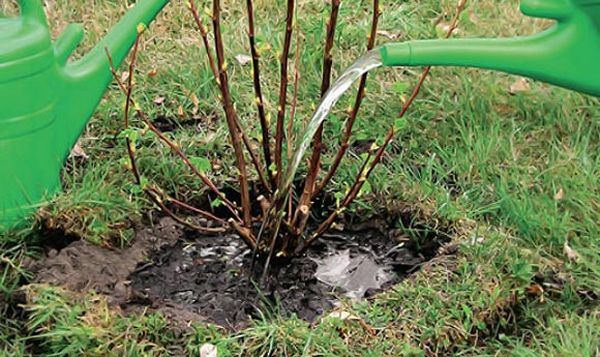
Plants must be watered thoroughly, not missing a single shoot. Properly treating with boiling water can avoid the need for harsh chemicals later on, which can reduce both the yield and the quality of the berries themselves. Some insects overwinter under the bark and in the buds. Therefore, in the spring, carefully inspect currants and gooseberries for bulges and deformed buds. If any are found, remove the affected areas, as there is a high risk of parasites harbouring them.
How to process
It's important to know how to treat currants and gooseberries against pests and pathogens. Today, garden crops are protected using chemicals and folk remedies.
Chemicals
Chemical treatments (fungicides, insecticides) are the most effective. Their range is expanded annually with new products. However, they have a significant drawback: when these substances accumulate in the fruit, the berries become harmful. Moreover, poisoning from these pesticides can occur during spraying if protective measures are not taken.
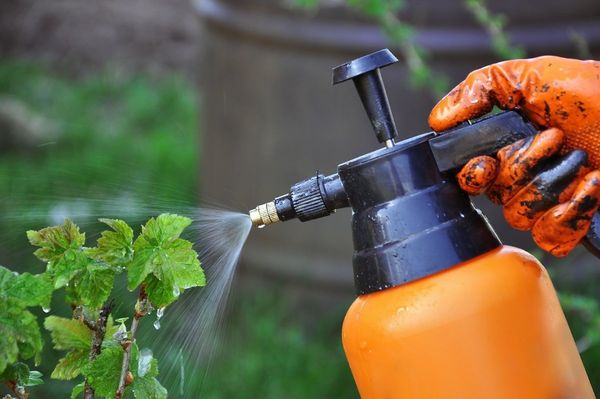
Copper sulfate is a universal chemical pest and disease control agent. Dissolve 50–100 g of this blue powder in 10 liters of water. You can also spray the bushes with Bordeaux mixture, nitrofen, and stronger insecticides.
Traditional methods
Folk remedies for protecting berry crops are less effective than chemical preparations.
However, they are safer and make an excellent preventative measure. A soap solution is often used to protect plants. Regular laundry soap is suitable for making it. You can also spray the bush with a solution of washing soda. Various infusions made from various plants (tomato tops, tobacco, garlic, marigolds) can also be used. An infusion made from onion peels has proven to be effective.
In addition to the treatments described above, various biological products can be used (for example, Bitoxibacillin, Fitosporin, etc.). As we can see, treating currant and gooseberry bushes has its own nuances. It's important to understand these to ensure the procedure is successful and as effective as possible.
Video: "Spring Processing of Currants and Gooseberries"
This video will teach you how to properly treat currants and gooseberries in the spring.