
Features of the large currant variety Versailles white
Content
Description
White currants have numerous benefits. The berries are extremely beneficial for the human body. They can remove toxins and waste, help with gastrointestinal issues, effectively prevent inflammation, and inhibit the development of tumors. They contain vitamins A, C, and P, pectin and tannins, iron, coumarins, and furocoumarins. White currants, or more precisely, their fruits, are believed to have anti-inflammatory, choleretic, hemostatic, laxative, and antipyretic properties.
In 1959, this variety was included in the State Register of Breeding Achievements. It is recommended for cultivation in the following regions of the country: the Central, Northwestern, Volga-Vyatka, Middle Volga, Central Black Earth, and Ural regions.
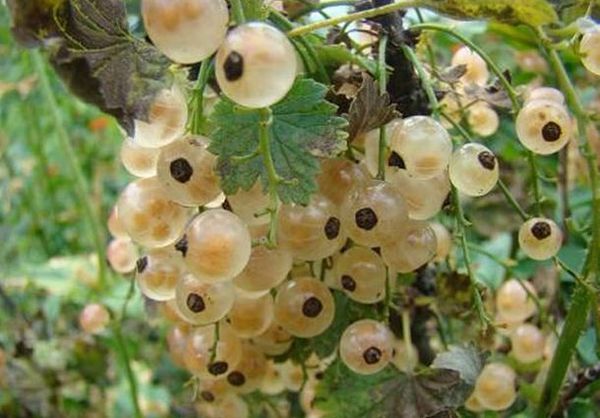
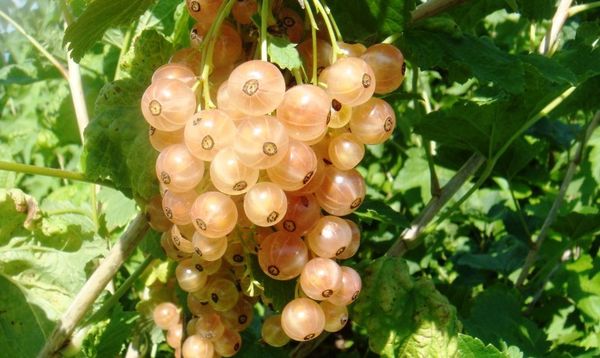
This shrub has very strong, easily bendable stems. It can reach a height of up to 1.5 meters. The leaves are a standard green. Upon closer inspection, a slight blue tint can be seen. The foliage has characteristic short, blunt teeth along the edges. The flowers are saucer-shaped. The clusters are borne on a long petiole. The bushes produce berries that are approximately 10 mm in size, each weighing up to 1.3 grams. They are covered in a cream-colored skin and have a rounded shape.
Inside, you'll find a very juicy and pleasantly sweet pulp with a piquant tartness. The chemical composition of the berries, which interests many gardeners, reveals 18% dry matter and about 7.5% sugars. Titratable acidity is approximately 2.3%. The fruit contains approximately 38 grams of ascorbic acid per 100 grams.
The obvious advantages of this variety include high yields, self-fertility, frost resistance, resistance to berry drop, and good immunity to powdery mildew. Disadvantages include susceptibility to anthracnose and the bushy habit.
Growing
Regarding cultivation of this crop, in the Leningrad Region, for example, it enters the growing season early. Buds and clusters can be seen on the plant in early May, with leaves appearing a little later. Flowering lasts on average 15 to 17 days. If frost occurs, few fruits may set on the clusters. To increase yield, experts recommend growing two or three varieties. This is necessary for cross-pollination. Versailles white has a well-developed root system. This is essential when loosening the soil, as its horizontal roots are typically located 30 to 40 cm deep. Its vertical roots can extend as deep as one meter.
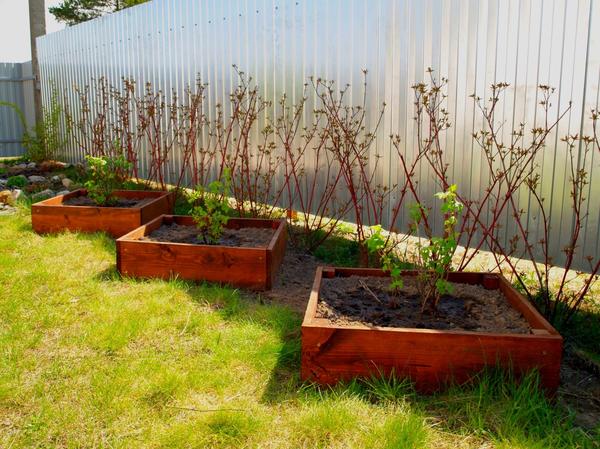
Fertile soil with a pH of approximately 5.5 is ideal for growing white currant bushes. Clay and loamy soils are preferable for white currant bushes. They can also be planted in lighter soil, but in this case, humus should be added. These bushes require ample sunlight. Planting them in elevated locations is not recommended, as this can result in poor growth, reduced fruiting, and reduced winter hardiness.
Landing
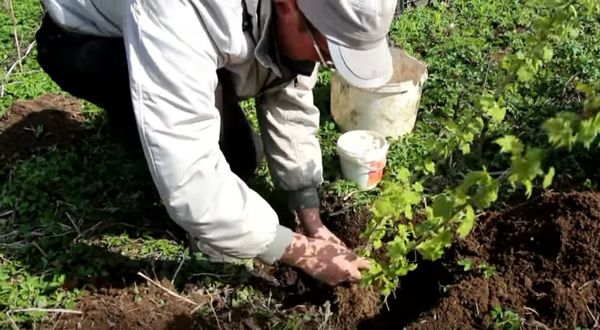
It's common to plan planting seedlings for early September. This will allow them to properly establish roots and adapt to their new location before the cold weather sets in. Some gardeners prefer to plant the bushes in the spring, before the first buds open. Choose a sunny, wind-protected site with groundwater at least 1.5 meters below the soil surface. The planting hole should be prepared several weeks in advance. Its dimensions are typically 30-40 cm deep and up to 50 cm in diameter. The soil should be amended with up to 10 kg of manure, up to 200 grams of superphosphate, about 40 grams of potassium sulfate, or a half-liter jar of ash.
Before planting, damaged parts of the seedling's root system must be removed. After pruning, leave about 15 cm of shoots. This is approximately 5-6 buds. When planting, be sure to spread the roots of the seedling. Plant it 5-6 cm deeper in the soil than in the original location. Adequate watering and high-quality mulch are required.
Care
Proper care for this shrub requires applying specific fertilizers in the right amounts. In early spring, apply up to 100 grams of ammonium nitrate, approximately 100-150 grams of superphosphate, and no more than 50 grams of potassium sulfate. Every three years, the plants require fertilizing with organic fertilizer. Manure serves this purpose perfectly. The typical application rate is one bucket per bush. The amount of fertilizer applied depends on the age of the bush—the older it is, the more it requires.
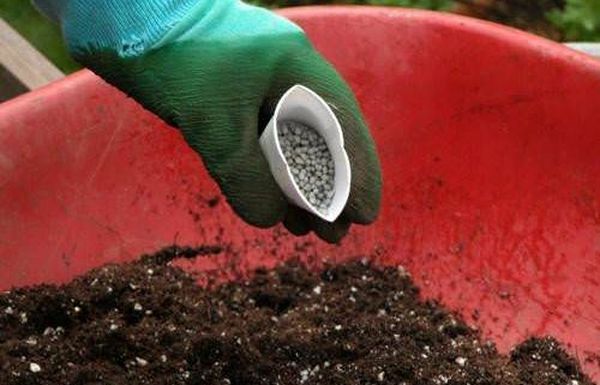
If plants are showing poor growth, you can feed them with liquid mineral or organic fertilizer. Apply up to 40 grams per bucket of water per plant. This first application is recommended after flowering has finished. Fertilizer should be applied again after harvest. This will ensure a healthy start to next year's harvest. Weeding and loosening the soil around the plants is essential. Loosening should be done to a depth of no more than 10 cm.
Trimming
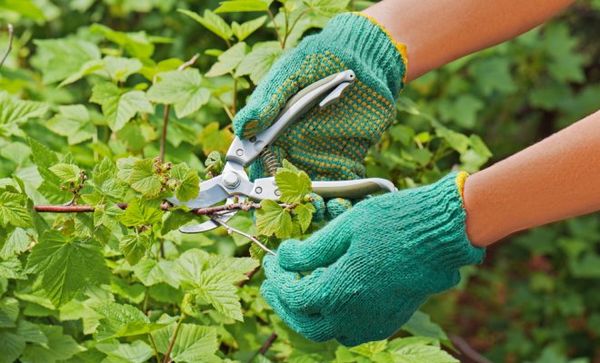
Proper and timely pruning promotes consistent fruiting. It not only improves the bush's light exposure but also contributes to a high yield. Pruning should only begin after 5-6 years, as the first 4 years are marked by intensive growth of green mass. Low-yielding branches older than 8 years should be pruned annually. All lateral shoots with weak growth should also be removed. Young shoots are also pruned, leaving only 2-3 of the most viable ones. A bush should normally consist of branches of varying ages. It will have 2-3 branches of each age, ranging from 1 to 6-7 years old.
Pruning is usually scheduled for the fall, after the berry harvest. However, it's also acceptable to shape the shrubs in the spring.
If branches are found damaged by a pest such as the currant glassworm, they should also be removed. Maintenance includes controlling this pest and gall aphids.
Secrets of good fruiting
To increase yield and harvest plenty of large, healthy, and delicious berries, experts and experienced gardeners recommend cross-pollinating this variety. This means planting a couple of other currant varieties in the same plot. White currants also require a lot of nutrients to produce a good harvest. Therefore, it's important to apply the recommended fertilizers in the right amounts.
It's best to avoid using fertilizers containing chlorine. As a last resort, they can be applied before winter. Remember that yields are greatly affected by any weeds, especially perennial ones. Therefore, they should be mercilessly removed. Proper pruning allows you to control the yield. To avoid reducing yield, it's also important to promptly eliminate crop pests.
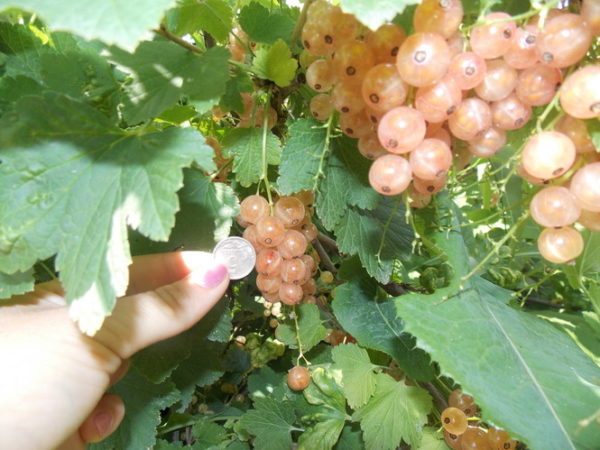
The berries ripen in late July to early August. Currants begin their active fruiting period four years after planting. Berries should be picked as they ripen. Each bush yields approximately 4-5 kg of select berries. It is recommended to harvest in 2-3 stages. Store the harvest in cellophane or a sealed container. For long-term storage, berries should be frozen. The berries make delicious compotes, jellies, preserves, and jams. They are also beneficial eaten fresh. Keep in mind that these currants have fairly large seeds.
Video: "White Currant Pruning Guidelines"
This video will show you how to properly prune white currants.