
Secrets to Successful Growing and Caring for Currant Bushes
Content
Conditions for successful cultivation
How to properly care for currants? This berry bush thrives in any climate (both north and south), and with proper care, it can even withstand temperatures as low as -25°C. This would be fine, but not all gardeners reap a truly bountiful harvest each year. There may be several reasons for this, but the most significant factor is the farmer's failure to follow certain important recommendations.
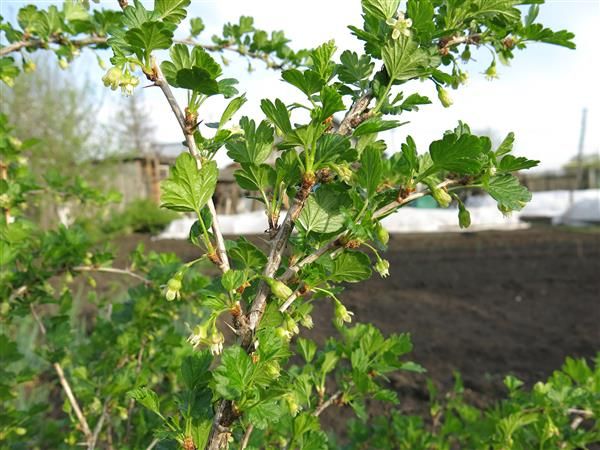
Although currants are considered easy-to-grow, you can't simply forget about them once you've planted the seedlings in their permanent location. Care is essential, even if it involves agricultural techniques familiar even to novice gardeners. Disease and pest control are a separate issue. Even a well-fertilized currant bush isn't immune to these problems, but by being aware of a few things, you can significantly reduce the risk of certain diseases.
If we were to highlight several basic points that are essential for the successful cultivation of currant bushes, they include the following:
- First of all, you need to choose varieties that include resistance to pests and diseases. Growing currants in this case will be much more effective;
- Site selection and soil preparation are also very important. Growing blackcurrants requires good lighting. Avoid planting bushes in partial shade, as they produce a significantly poorer harvest without sunlight. Fertilizing the soil should also be done promptly.
- After planting garden blackcurrants, all that remains is to ensure proper care for the plants. This includes regular watering, inspecting the bushes for pests or diseases, loosening the soil, and promptly removing weeds that promote the spread of insects.
Care
Experienced gardeners aren't the only ones who know how to care for currant bushes. This process isn't scary, but it does involve some necessary steps. First and foremost, don't forget to weed from time to time. This doesn't have to be done frequently, but it's important not to let things get too bad. Cut weeds can be left on the soil surface around the bushes for a while, making a good source of compost for the fall.
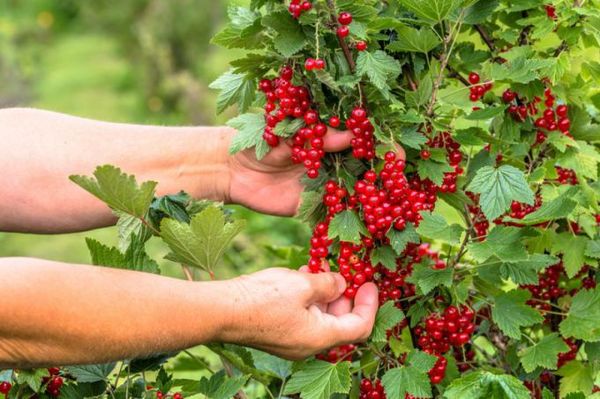
Caring for indoor currant bushes also involves loosening the soil. This should be done approximately twice a year: in the spring, when the snow melts and the ground compacts after a long period of icy conditions. Loosening the soil is essential to ensure the bush has constant access to air; otherwise, the root system may not recover from winter. In the fall, when your entire harvest has been gathered and you've begun preparing the currants for the onset of cold weather, loosening the soil is also necessary.
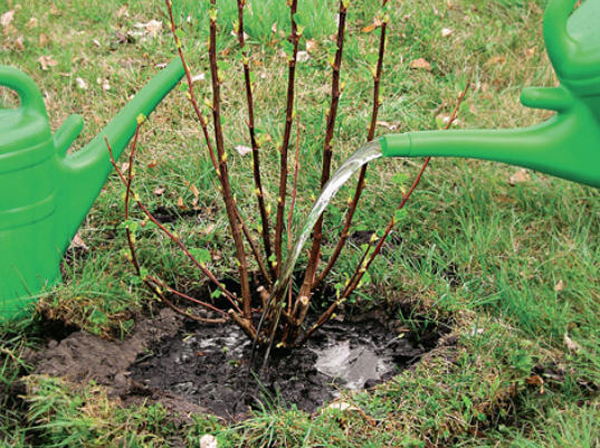
Another important step in currant cultivation is mulching. What are the benefits? Firstly, it helps retain moisture in the soil around the bushes for longer. Secondly, mulching the top layer of soil prevents weeds from developing (they simply have no room to grow). Straw is a suitable base material, which can be used to fill the space under the plants. Given all the benefits of this process, it's worth paying attention to, but it's not a mandatory procedure.
Growing currants well isn't just about growing and caring for them. This process is crucial for farmers who want to achieve the full results from growing currant bushes. Particular attention should be paid to watering the plants. For example, black currant (ribes nigrum) requires regular soil moisture. Don't wait until the top layer of soil is noticeably dry. It's advisable to increase the intensity of watering during the development of shoots and berries, as well as after harvest.
Remember: without sufficient soil moisture, your harvest won't be as good as you'd hoped. Berries will fall off before they're fully ripe, and those that remain on the vines will be small and less juicy. If you want your currant care to be effective, don't underestimate the importance of watering.
Growing black currants indoors is impossible without fertilizing. If you applied sufficient fertilizer to the soil when planting the plants in their permanent location, you may not need to fertilize them again for the first two years. Starting from the third year of cultivation, it is recommended to fertilize the currant bushes at least once or twice a season. The best time to fertilize is in the spring, when the buds open, and in the fall, to prepare the plants for the onset of cold weather. Properly caring for currants is not difficult if you know and understand the basic principles.
In the spring
How to properly care for blackcurrants in the spring? Proper care should definitely include pruning the bushes. If you didn't do this in the fall, be sure to correct the situation in the spring. It is recommended to prune before bud break.
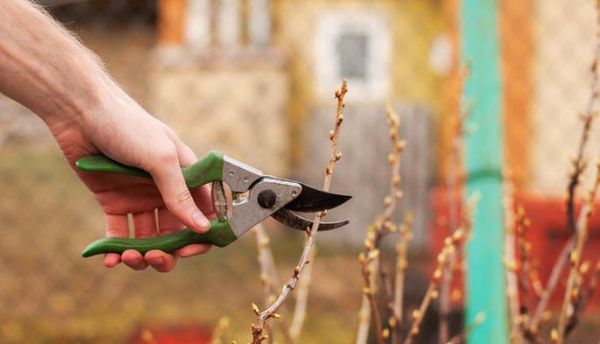
Another important step is pouring boiling water over the currant bushes. This age-old method is still valued by Russian gardeners, making it a good solution for you. In early spring, tie up the branches of your shrubs (this will make your task easier) and pour boiling water over them. This procedure will eliminate any pests that may already be present on your plants. Furthermore, pouring hot water over the shrubs is a good preventative measure against powdery mildew.
Knowing how to grow currants and how to properly care for them will help you appreciate the results in the midst of the summer season. In the spring, however, it's worth focusing on more than just pruning and watering the plants. Treating the area around the trunk is another important task. The soil needs to be loosened. Treating the bushes for pests is also a good idea. Professional products aren't necessary; homemade herbal infusions can suffice. Don't forget to fertilize the plants. Generally, spring currant care is considered the most labor-intensive. In the summer, you'll need much less effort.
In summer
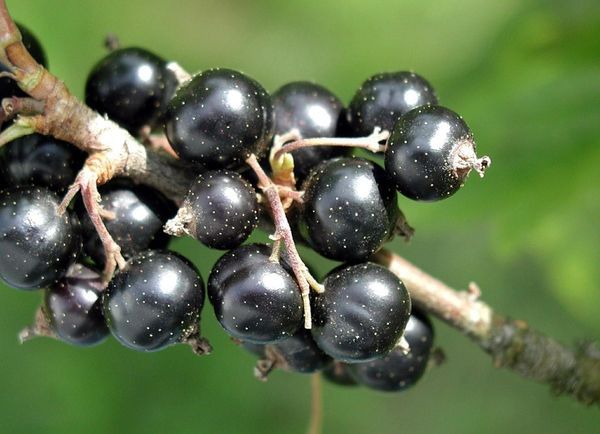
Caring for blackcurrants in summer involves several basic steps. First and foremost, it's important to water the bushes regularly. Be sure to monitor the soil around the plants, loosen it, and promptly remove weeds. Pay special attention to mulching, fertilizing, and pinching shoots. This final stage of care is only necessary if your bushes weren't overly dense during the summer. Ensuring the growth and proper care of currants during the summer is not very difficult. The main thing is to remember these basic recommendations.
In the fall
First of all, water the shrubs regularly. They won't require as much moisture, but the soil shouldn't dry out. Growing them also requires fertilizing to prepare them for winter.
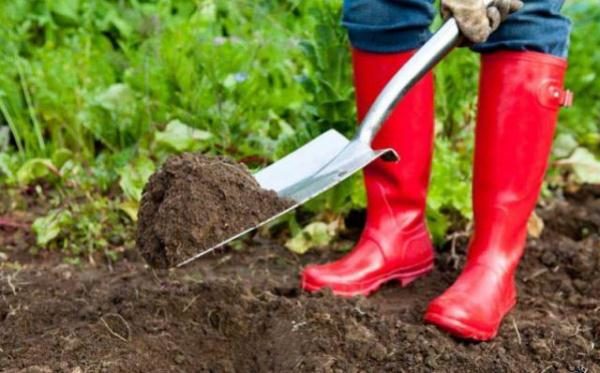
Add superphosphate fertilizer and potassium chloride to the top layer of soil. This type of nutrition is essential for each plant. Caring for indoor black currants is not too difficult, especially in the fall, when the bush is preparing for winter.
Caring for young shrubs
How to grow currants so they begin bearing fruit quickly and develop to their full potential? Remember: you won't get a harvest during the first season after planting young seedlings in their permanent location. Furthermore, it's recommended that the grower prevent the bush from flowering. Pick off the blossoms yourself: the fruit won't ripen yet, and the plant will waste energy instead of actively rooting and growing bushy.
May your seedlings grow vigorously, and may your grown bushes soon bring you their first full harvest.
Video: "How to Properly Care for and Plant Currants"
In this video, an expert will explain the rules for planting and caring for this crop.