
Features of caring for currant bushes in spring
Content
Why is spring care necessary?
Many people believe that gardening only begins when the weather is warm and it's time to plant seeds. But this is a misconception, as there's a lot to do in the garden before the first buds open. Otherwise, problems with insect infestations, plant diseases, and, as a result, reduced yields may arise in the summer.
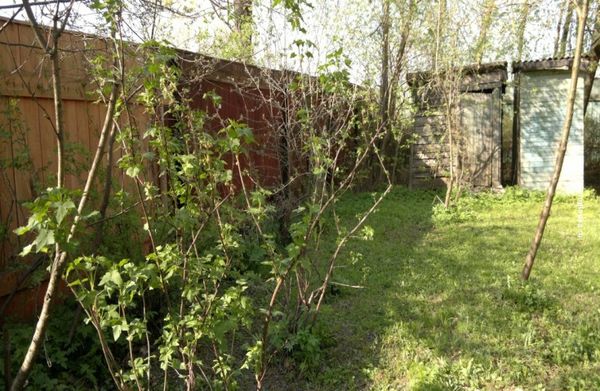
Currants of all varieties, like all garden crops, require proper and timely care. Spring care for black and red currants is carried out with the following goals:
- stimulating bushes to bear fruit abundantly;
- Removing all damaged and deformed branches from the bush. This is done to prevent them from drawing nutrients from the plant's root system. This will ensure that all nutrients are used for berry formation;
- preventing the spread of diseases and parasites throughout the garden;
- formation of the shrub crown;
- plant feeding;
- preparing bushes for the upcoming season.
To achieve the above goals, caring for currants in early spring involves the following procedures:
- pruning branches;
- application of fertilizers;
- spraying bushes.
By carrying out such manipulations, care for the bushes during the summer will be minimal, and the harvest will be abundant.
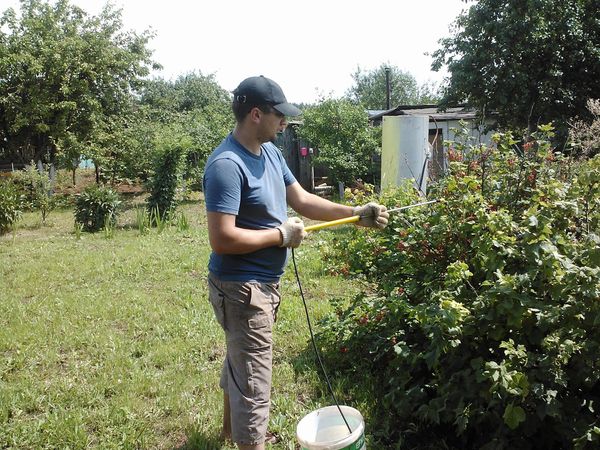
Watering and soil care
After the cold season, currant bushes need to be prepared for the upcoming season. This preparation primarily involves soil cultivation. After winter, even despite the garden cleanup carried out in the fall, various debris (rotted leaves, last year's mulch, etc.) will still be found around the currant bushes. All debris should be raked out. After cleaning, it should be burned, as last year's leaves and other debris can harbor pathogens for many diseases. They may also contain parasites that overwintered in this manner.
After removing debris, the area around the tree trunk should be loosened and any weeds that have already sprouted should be removed. This plant does not tolerate such a neighborhood.
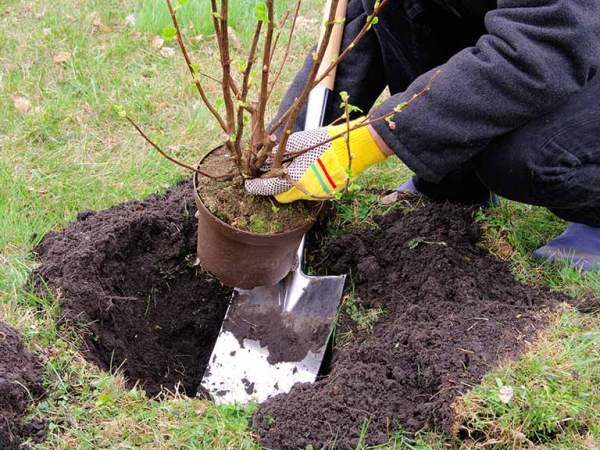
Frequent loosening ensures good soil drainage. This procedure is often accomplished by deep weeding. A shovel can be used for this. Soil digging should be done to a depth of no more than 15-20 cm. Garden tools must be used with care, as the root system of plants within the tree trunk circle can be close to the soil surface. Therefore, loosening and digging can easily damage the roots. This will lead to a reduced yield or even the death of the shrub.
Currants are moisture-loving plants. Therefore, it's important to ensure the soil around them remains moist. To achieve this, mulch the area around the trunk with mown grass, compost, rotted manure, or humus. This cultivation technique can reduce the amount of tilling, weeding, and watering required.
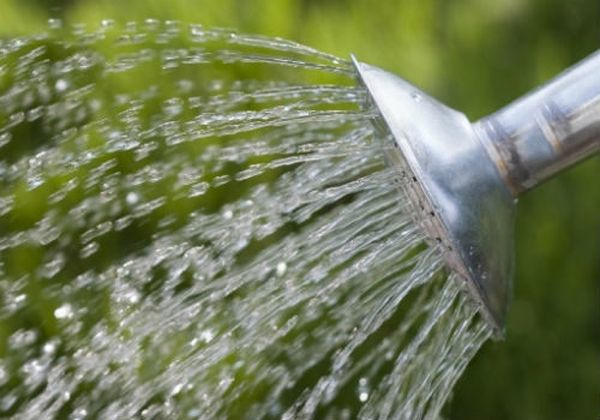
To ensure a good currant harvest in the future, the bushes should be watered regularly in the spring. In this case, follow these recommendations:
- watering currants in spring is carried out once a week;
- Approximately three liters of water should be poured under each plant at a time. It is not recommended to pour more than this, as excess moisture can cause root rot;
- For watering, you should use only settled water that is at room temperature.
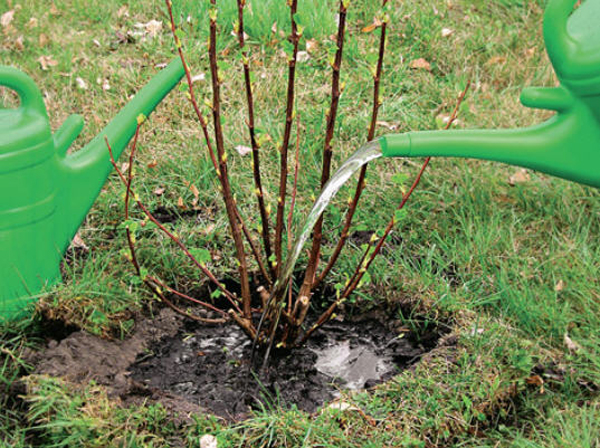
Caring for currants in spring includes not only watering and loosening the soil, but also pruning and fertilizing. This will ensure much better fruit production than bushes left unattended.
Pruning currant bushes
After the snow melts, currant bushes are pruned. This should be done before the buds open. If the winter was harsh, pruning can be done a little later.
Pruning should begin after the leaves have emerged. This way, shoots killed by severe frosts can be easily distinguished from healthy, vigorous ones.
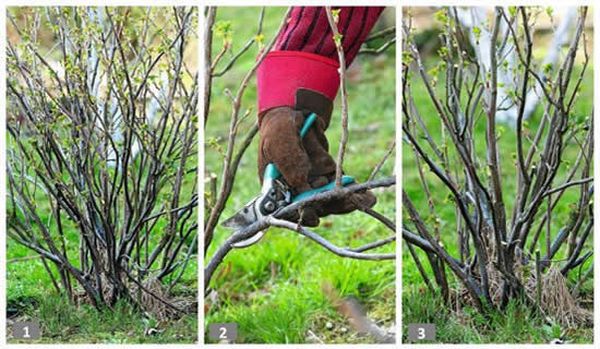
Blackcurrants are known to require more spring pruning than red varieties. This is because black varieties experience vigorous shoot growth in the spring, with basal shoots also actively growing. Therefore, blackcurrants require more careful pruning to prevent nutrients from being diverted to non-fruiting shoots.
Correctly performed pruning allows you to:
- increase branching;
- stimulate the growth of annual shoots that formed on perennial branches;
- eliminate bush density and form a correct crown.
All these factors ultimately lead to an increase in the quality and quantity of the harvest. After pruning, the berries become noticeably larger and sweeter. However, the fruit's flavor remains within the limits dictated by the variety's flavor characteristics.
When pruning currant bushes, it's important to remember that fruit clusters form on shoots that are 3-4 years old. Therefore, after this period, you may notice a noticeable decrease in the number of ripening berries. Spring pruning can rejuvenate these bushes, stimulating fruiting by removing old and spent branches. This promotes the growth of new basal shoots, which are the fruiting shoots. Therefore, after spring pruning, you can expect an increase in yield.
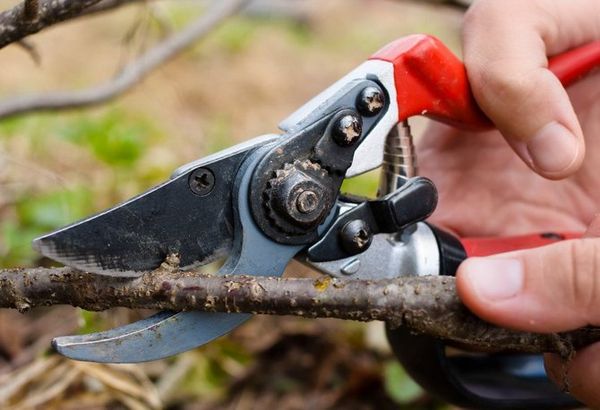
In the first year after planting, young plants are not pruned. This is because these bushes will already produce excellent fruit, and older branches have not yet formed. Active pruning should begin approximately 4-5 years after planting (for black varieties) and 6-8 years (for red varieties). By pruning unnecessary branches, this crop will continue to bear fruit (depending on the variety) for 15-25 years.
The essence of pruning is to remove unproductive and old branches and stimulate the growth of new fruit-bearing shoots. When removing shoots, only a couple of buds should be left. New branches will emerge from these buds after a while. Old branches can be distinguished from young ones by the color of their wood. Their bark is darker.
When pruning, leave a couple of strong, healthy basal shoots spaced reasonably close together. These are cut back by 1/3 from the top, and all remaining branches are removed at their base. This will help the bush form a regular crown.
Pest control
Currants (both black and red varieties) have fairly good immunity to various pathogens and parasites. Of course, this resistance will vary for each individual variety. However, high resistance to diseases and insect pests does not guarantee a 100% immunity to such problems.
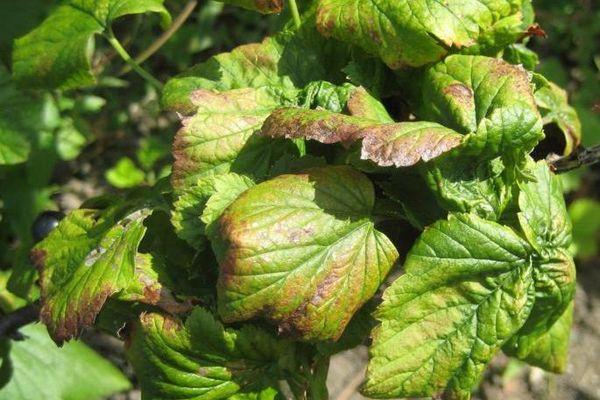
The most dangerous pest for this crop is the currant bud mite. This parasite has infested the bushes by the appearance of large sprouting buds, which closely resemble small, light-colored cabbage heads. These buds fail to open in spring and gradually die off. This leads to a decline in the bush's fruiting capacity. If left untreated, the mites will spread throughout the garden. This is because a deformed bud can harbor approximately 1,000 mites.
If the infection is severe, the plant will have to be burned. At the initial stage of infection, a folk remedy can be used: scalding the bushes with boiling water. In this case, the plant itself will not be harmed; in fact, it will even "wake up" after the winter.
By pouring boiling water over currants, you can get rid of not only mites, but also fungi, aphids, and other parasites.
Many gardeners, when caring for blackcurrant bushes in the spring, often use various chemicals (such as Chlorophos, Karbofos, and others) for preventative spraying. When using these, it's important to adhere to the correct solution concentration and application timing.
Spraying plants with chemicals should be done before the buds swell. Otherwise, the procedure will not eliminate the spider mites.
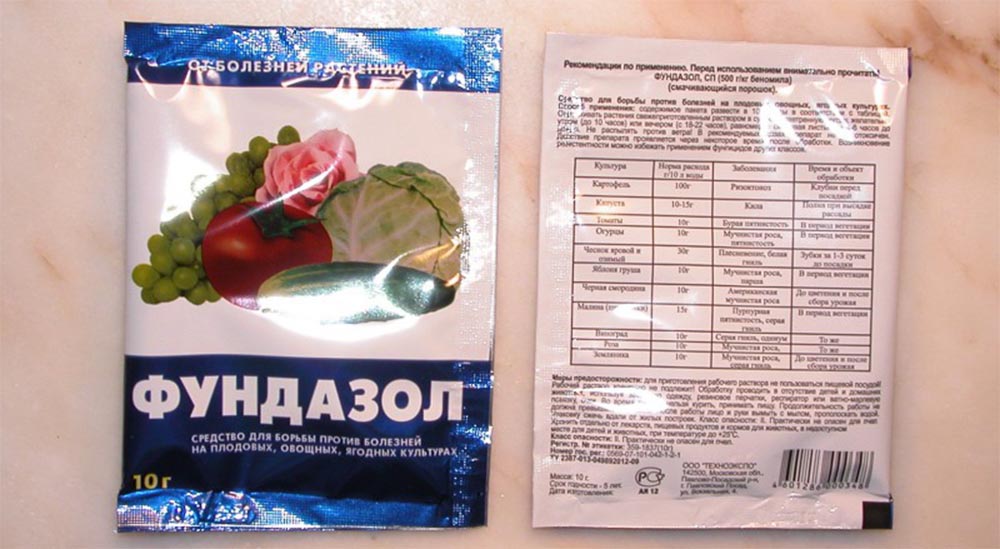
To prevent powdery mildew, currants are sprayed with Fundazol in the spring (15 ml of the product should be diluted in 10 liters of water). A copper sulfate solution is also prepared: 100 g of the powder is dissolved in 10 liters of water. It is important to spray not only the plants but also the soil around them. This is done because many insects hibernate underground.
Another pest that often plagues currant bushes is aphids. They attack the tips of the shoots. As a preventative measure, spray the plants with Furanon. You can also simply pour boiling water over the bush. If the currants have not yet entered the flowering stage, you can use products such as Tanrek, Rovi-kur, Intavir, copper sulfate, or Bordeaux mixture.
In addition to boiling water, folk remedies for preventative spraying of currant bushes can include infusions made from the following plants:
- tobacco. It is mixed with ash;
- celandine;
- onion peel;
- dandelion;
- garlic.
Disinfectant tinctures can also be prepared using mustard powder or a baking soda solution. Although these tinctures are easy to prepare, they are no less effective than chemicals. However, if their use doesn't produce the desired results, chemicals may be necessary.
Fertilizing in spring
Fertilizing red and black currants is an important part of spring care. This is typically done 2-3 years after planting the bushes in their permanent location. However, there is an exception: growing the crop in poor soil. In this case, the fertilizer placed at the bottom of the planting hole may not last for such an extended period. Black currant varieties are particularly sensitive to timely fertilization.
In the spring, nitrogen-containing fertilizers should be applied to the roots of each bush. Nitrogen is the element that stimulates plant growth and development. Therefore, after winter, it is precisely these fertilizers that should be used.
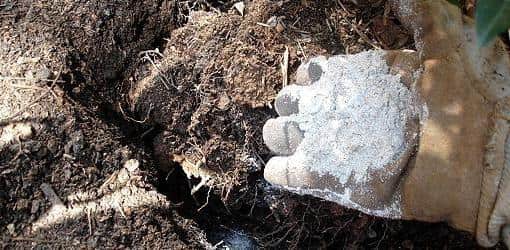
Fertilizers are applied according to the following scheme:
- The first time – when the buds open on the branches. Ammonium nitrate should be used (30 g in a ten-liter bucket of water);
- The second time is when the berries begin to set on the bushes. Here, it's necessary to use mineral fertilizers containing potassium and phosphorus. Alternatively, you can use homemade organic fertilizers (humic fertilizers or ash).
Some gardeners apply foliar feeding. However, it should be noted that only experienced gardeners should perform this type of feeding. During flowering, bushes can be sprayed with a solution made from boric acid. To prepare the required solution, dissolve 0.5 teaspoon of boric acid in 10 liters of warm water (no higher than 40 degrees Celsius). A properly prepared homemade solution can stimulate plant growth and increase yields by approximately 2-3 times.
After the first buds appear, the currants are sprayed with a mixture of superphosphate (150 g) and urea (60 g). Both components are dissolved in 10 liters of water. This spraying will ensure healthy and strong bushes and significantly improve the flavor of the fruit.
When fertilizing currants, it's important to choose the right fertilizer type and timing. Otherwise, an excess of certain substances in the soil can lead to unforeseen consequences. Feed seedlings and young plants especially carefully.
It's worth noting that experienced gardeners recommend fertilizing currants in the spring with the same fertilizer that was added to the bottom of the planting hole during planting. Additionally, the soil pH should be measured every five years. If it doesn't meet the currants' needs, ash should be added to the soil or liming should be applied.
Now you know how to care for currant bushes in spring. This care, when done correctly, won't require much effort, but it will help ensure abundant fruit production.
Video: "How to Properly Prune Berry Bushes in Spring"
In this video, an expert will explain how to properly prune berry bushes in the spring.