
Preparing for winter and caring for red and black currants in autumn
Content
Post-harvest care
Inexperienced gardeners believe that currants require no care after harvest. However, this idea is fundamentally wrong. Preparing for the cold season in the fall is the key to a successful winter and a good harvest.
For red currants
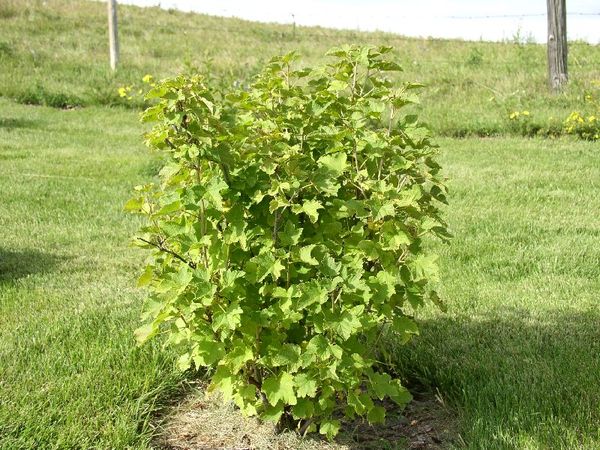
Early autumn is the time to take care of the plant's vegetative propagation. In late September or early October, the areas around the bushes are watered (if there isn't enough rainfall) and fertilized with organic and mineral fertilizers. The soil is then dug to allow the fertilizer to penetrate deeper. Each bush is fertilized with 10-12 kg of organic fertilizer (compost, rotted manure), 100 g of superphosphate, and 50 g of potassium chloride. Currants also require pruning. Rejuvenation and sanitary pruning are performed when the bush is dormant.
Red currant shoots bear fruit longer than black currant shoots.Thanks to this, the plant doesn't require frequent rejuvenating pruning. Therefore, in late fall, after the fruiting period has ended and the sap flow has stopped, breakage, diseased, dried, or deformed shoots are removed. It's also recommended to plant the currant bush in early fall to allow it to fully establish itself over the winter. To do this, prepare a hole in advance to allow the soil to settle and the fertilizer to be absorbed. After planting, compact the soil around the bush, water it, and mulch it. The seedlings are pruned, leaving a few buds on each shoot.
For black currants
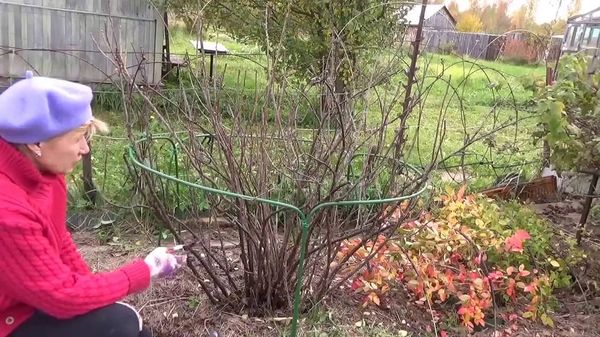
After harvesting, it's important to fertilize the bush with potassium-phosphorus fertilizer to encourage the formation of future buds. It's best to apply the fertilizer in liquid form, along with watering. Any affected shoots growing inward should be removed. At the end of summer, pinching off shoots is recommended to reduce the risk of powdery mildew. The soil around the currant bush should be weeded and watered. To help the plant survive the winter, fertilize with superphosphate and potassium chloride.
All fallen leaves should be collected, the bush should be replenished with fresh fertile soil or compost, and a light dusting of wood ash. Preparing the currant bush for winter can also be done by pruning excess shoots, which only hinder the plant's growth. At the same time, preventative treatment against pests and diseases can be carried out. For this, use malathion and Bordeaux mixture. If the amount of rainfall is insufficient to moisten the soil, the bushes should be watered generously.
It is recommended to tie spreading bushes and support them on a wooden frame, which is constructed according to the diameter of the plant.
Autumn is also the best time to root seedlings. By planting cuttings in late September, you give them time to adapt to winter and survive it well. Young plants don't need further fertilizing or pruning, as this is done during the planting process.
Harvesting and storage of crops
The beneficial properties of currants need no further mention. However, since winter currants haven't yet been bred, you should stock up on vitamins starting in the summer. The berries are quite fragile, especially the red ones. Therefore, they must be processed as they ripen. The fresher the berries, the more options for preservation. One of the best ways to preserve the maximum amount of nutrients is freezing.
The key is to find the right moment: the currants have begun to ripen and the berries have acquired sweetness, but they're not overripe. Fully ripe berries will lose their shape and turn into mush. Rinse the berries with cold water, dry them, and place them in the freezer. The optimal temperature is between 18 and 23 degrees Celsius. You can freeze not only whole berries, but also mashed berries with sugar.
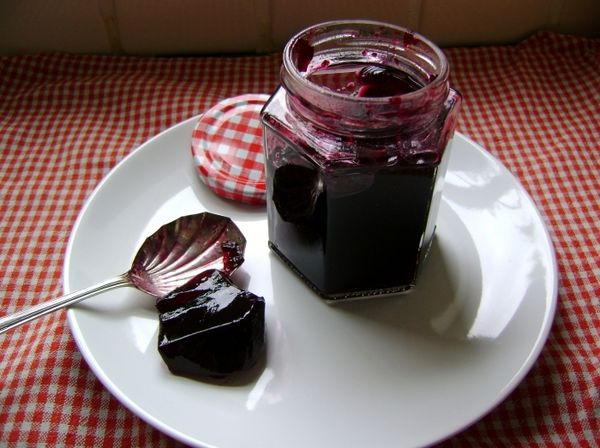
You can also preserve the pureed currants in their own juice in jars. This fresh jam will keep for about a year. If you want to preserve your harvest for longer, you can make jam or preserve it. This way, it will keep for as long as needed, even for several years. Either method will allow you to enjoy the flavor of currants even in February.
Preparing the bush for winter
Currant seedlings risk freezing in winter, being damaged by snowfalls and rodents. Therefore, many novice gardeners wonder whether they need to cover their currants for the winter and what care they need. Of course, everything depends on the harshness of the winter climate in your region. Preparations should begin as soon as the first frost sets in. Fallen leaves should be removed, the soil under the bushes should be dug up and replenished with fertile soil.
Small bushes can be covered with wooden boxes and burlap, or special covering material can be used. Currants don't require any special care in winter. Just make sure the covering doesn't blow off in the wind, and remove it completely when snow begins. There's no better shelter for a plant than snow. Therefore, in severe frosts, add more snow to ensure the bush is completely covered.
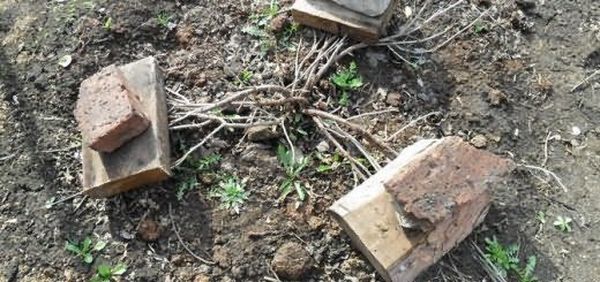
When the thaw sets in, snow must be removed. Otherwise, it will crust over and become heavy, and the shoots may break, unable to support the weight. Currants don't require any treatment in winter. It's only important to protect the plant from cold and damage. If some shoots break, it's best to remove them completely.
If the frosts have weakened and retreated, and the snow has melted, then start caring for the currants already in February.
Perform preventative pruning and lightly fertilize the bush with nitrogen-containing fertilizer. At the same time, prepare cuttings for spring planting. Also, if you notice any suspicious growths or growths, collect them and burn them. These can harbor pests or fungal spores.
Video: Caring for and Planting Currants
This video will teach you how to properly plant and care for currants.