
Protecting and preventing glassworm on currant bushes
Content
Portrait and habits of the pest
The glasswing is often called a stem mite, although the insects have nothing in common. In appearance, the pest resembles a cross between a butterfly and a wasp. The parasite's wings are narrow, with black veins and an orange border. The insect's wingspan ranges from 0.2 to 0.22 meters.
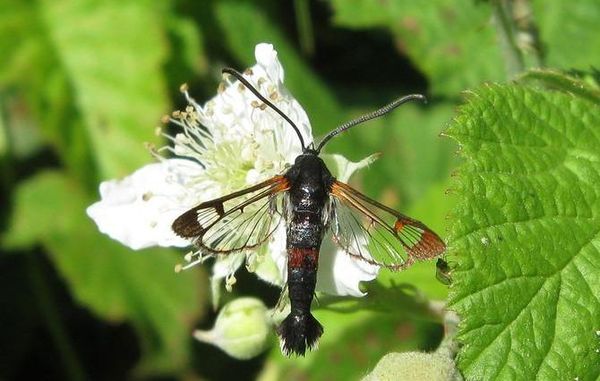
The glassworm prefers blackcurrants. However, it can also attack redcurrants and even gooseberries. Depending on weather conditions, in late spring or early summer, the parasite begins laying eggs in microcracks in the bark or near young buds. After two weeks, the parasite's offspring hatch. The young caterpillars burrow into the stem, where they live and feed, moving toward the base of the organ. This parasitic habit is accompanied by blackening of the stem core.
After the second winter has passed since the pest's offspring hatched, the young become moths and also lay eggs. The life cycle repeats.
How can you tell if currants have glassworms? The main sign of an insect attack is the withering and drying of the bush branches. Such shoots must be immediately removed almost to the root and then burned.
Struggle at all levels
Controlling this insect is quite difficult. The most vulnerable are newly hatched insects, which have not yet penetrated the stem. However, it's difficult to effectively control them, as it's very difficult to catch the "right" moment.
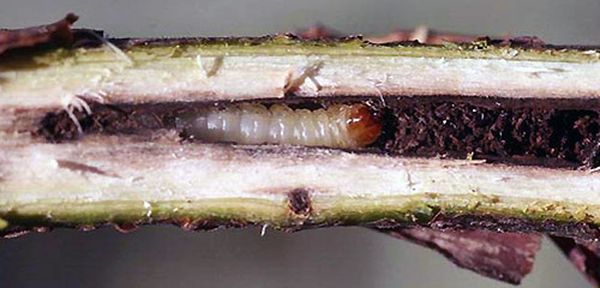
If glassworms appear on currant bushes, effective control measures must be taken immediately. In May and June, the caterpillars pupate and emerge from the stems. During this time, loosen the soil under the bushes and add ash and tobacco dust.
At the first sign of pest infestation, remove all unhealthy branches. Annual branches should be cut back to the point where the black pith is no longer visible. Older branches are removed at the root, leaving no stumps.
If the pest has attacked the entire bush, radical pruning is recommended, which involves removing all shoots. After this, new organs will begin to form from the roots, so the primary goal is preventing further attacks. Timely pruning will significantly reduce the number of insects and their larvae in the area.
However, to completely eliminate the parasite, it will be necessary to spray with specialized products. Both chemical and biological products can be used for this purpose, such as Fitoverm, Lepidocide, Akarin, and others. Approximately 1.5 liters of the prepared spray solution should be used per plant.
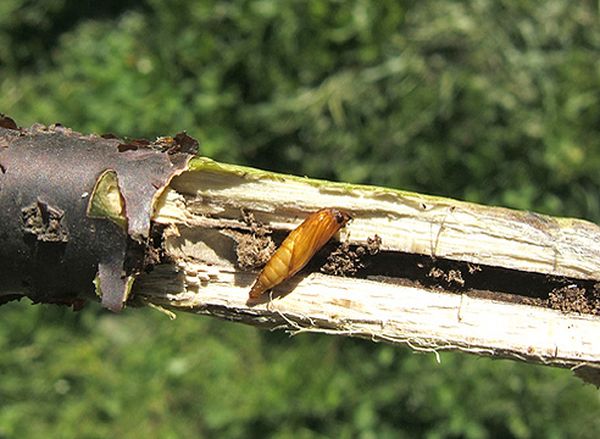
The key is to choose the right time for the procedure. You should try to "catch" the parasite after it hatches, but before it has time to hide in the stem.
Treatment should be carried out immediately after the leaves emerge. A repeat spraying should be carried out a few weeks after the first. Raspberry bushes, which are also susceptible to glassworm attacks, should be treated at the same time.
Prevention
It's better to prevent a pest than to deal with it later. Therefore, it's important to know all the measures you can take to prevent the appearance of the currant glassworm.
Before planting prepared or purchased seedlings, they should be carefully inspected. The branches should be healthy, with no hint of a black core! However, even if young plants are healthy, this doesn't mean they won't be susceptible to disease in a few years. Therefore, it's important to take other preventative measures.
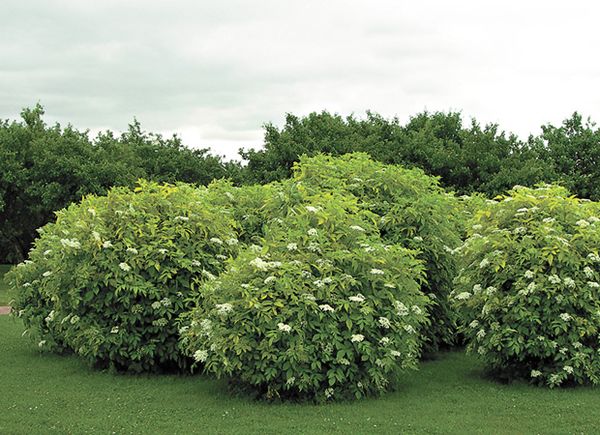
For example, you could plant elderberry bushes near the currant bushes. Elderberry is a natural repellent for glassworms and other pests. However, nearby bird cherry trees should be cut down, as their aroma attracts insects.
You can also plant strongly scented plants between the bushes, such as tomatoes, calendula, garlic, or onions. The aromas of these plants will confuse the glasswing. It won't be able to smell the currants, and therefore won't be able to lay eggs.
The glassworm is a dangerous pest for currants. However, by preventing the parasite's appearance or actively combating it, you can save your entire currant crop.
Video: "Fighting the Currant Glassworm"
In this video, a specialist will explain how to properly combat glassworm on currants.