
A review of high-yielding blackcurrant varieties with large berries
Content
For the Middle Belt
Russia's vast territory spans several distinctly different climate zones, making it impossible to select a universal currant variety suitable for growing in every region. The central part of the country has a temperate climate, and theoretically, any European variety could produce a good harvest. However, experience shows that the best results are achieved by planting regionalized varieties. For this region, the list is simply enormous, so below we present the most promising large-fruited varieties with varying ripening times.
Summer resident
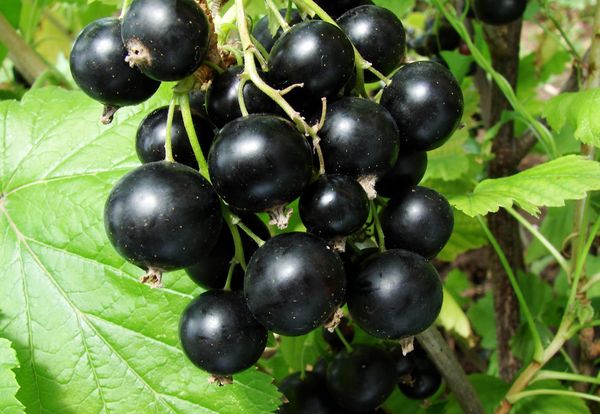
The Dachnitsa variety is the most suitable not only for the Central Belt, but also for the entire European part of Russia. Bred relatively recently, in 2004, this variety has already become a staple in gardens and summer cottages. It's a dream for any summer resident. The bushes are low-growing, compact, and beautifully rounded, with attractive, corrugated leaves. The berries are quite large (average weight 2.5 g, maximum 5 g), oval, dark blue, with thin skin and an extraordinary sweet-and-sour flavor (sugar content 9.3%).
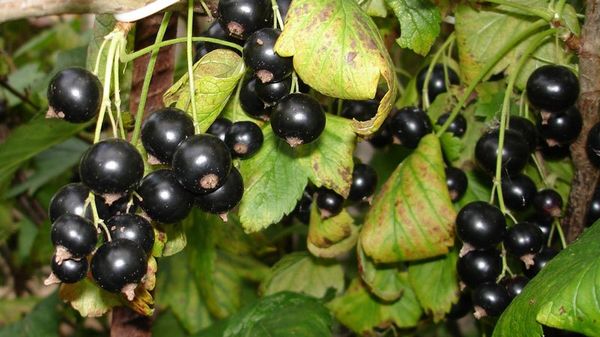
Ripening is early but uneven, allowing for a prolonged harvest in several stages. Among the currant's advantages is its excellent winter hardiness, as the variety was developed with the assistance of the Siberian Horticultural Research Institute and underwent variety testing for resistance not only to cold but also to diseases such as anthracnose, powdery mildew, rust, and the most dangerous currant pest, the bud mite.
Exotica
A very sweet blackcurrant with large berries, sometimes larger than cherries. It's an early variety (ripening in early June), self-fertile, and has excellent winter hardiness. The bush is vigorous, with straight stems and large, light-green, corrugated leaves. It has good resistance to powdery mildew, but is often affected by anthracnose.
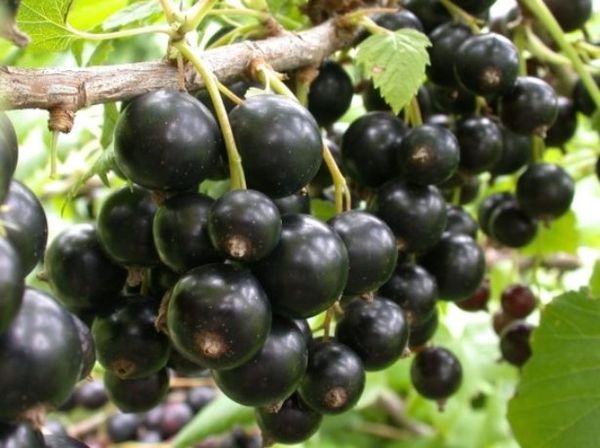
Exotica berries are round, uniform, weighing 3.5-6 g. The skin is thin, black, and shiny. The flesh is tender, with small seeds, and a pleasant, refreshing, slightly tart flavor (8.9% sugar). Dry picking ensures good storage and transportation. The variety's yield is low—about 1 kg per bush.
Selechinskaya 2
A new, improved variety based on the Selechenskaya-1 currant. It boasts early ripening, long fruiting, and excellent yields of 4-5 kg per bush. The plants are tall (up to 1.5 m), upright, and quite compact. The fruits are large (4-6 g), smoothly round, and stay on the branches for a long time without falling off. The skin is black and shiny. The pulp is aromatic, with soft seeds and an excellent dessert flavor.
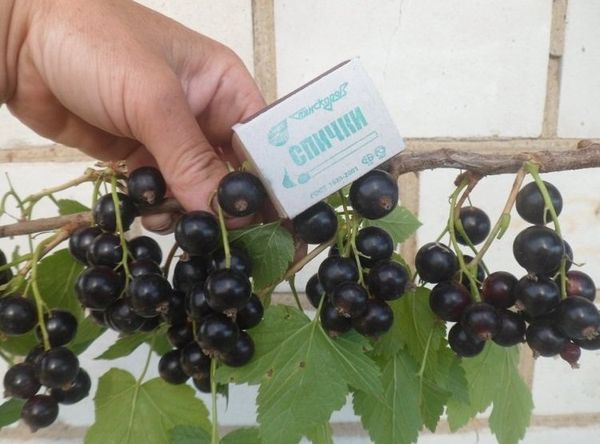
Unlike its predecessor, Selechenskaya-2 is not susceptible to fungal diseases, tolerates severe frosts and drought without problems, and is extremely rarely affected by bud mites. It is easy to care for and can grow in shade, making it suitable for any region of Russia.
Dubrovskaya
The largest and sweetest blackcurrant among the late varieties. It ripens by mid-August and holds its fruit for a long time. The bushes are low-growing and compact, with dark green leaves with a grayish tint. The berries are round, weighing up to 4 g, sweet and sour (7.2% sugar), with a small number of seeds in the pulp, making them suitable for all-purpose use.
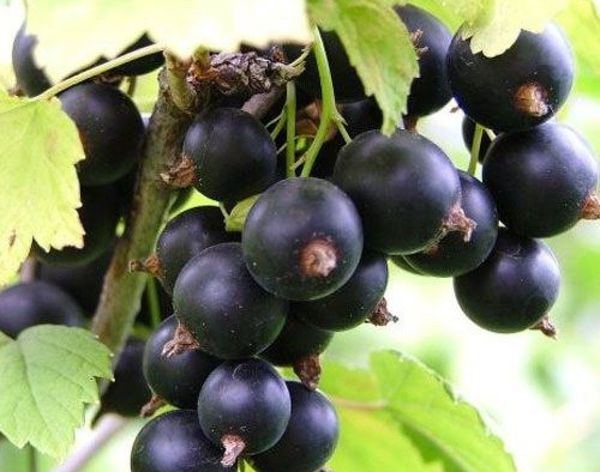
This variety is often cultivated commercially due to its good winter hardiness and resistance to anthracnose, terry, and bud mites. Its weaknesses include resistance to powdery mildew. Yields are good, reaching up to 4 kg per plant.
Dobrynya
It is considered the most successful domestic variety for cultivation in temperate climates. It has a relatively high resistance to powdery mildew and anthracnose, which is crucial for mid-season currants. The plants also tolerate drought, severe frosts, and sudden spring freezes well, while maintaining abundant fruit production.
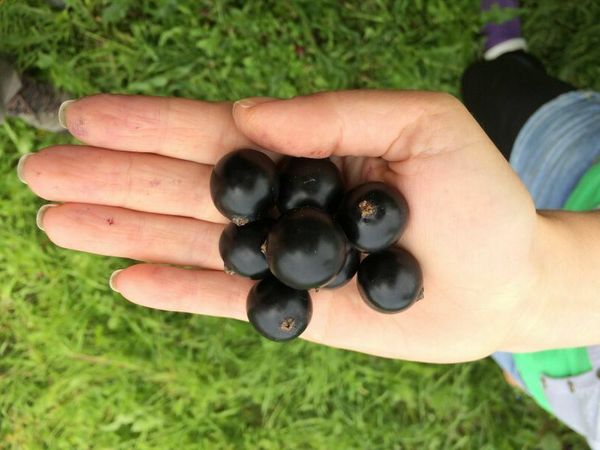
Dobrynya is a large-fruited and delicious blackcurrant. The berries are round, slightly glossy, weighing 5-7 g, and have a wonderful dessert flavor. In fertile soil and with proper cultivation practices, yields can reach 4 kg per bush.
Venus
For over a decade, the Venus currant has been a consistent leader among gardeners and farmers thanks to its ideal combination of the most important qualities for this crop in one variety:
- high yield – up to 5 kg/1 bush;
- resistance to a number of fungal diseases, including powdery mildew;
- ability to self-pollinate;
- excellent adaptive abilities - plants tolerate severe frosts and prolonged drought equally well;
- long-term (3-4 harvests) fruiting;
- Belonging to the dessert category - the taste of this berry is super-sweet, very rich, without any sourness.
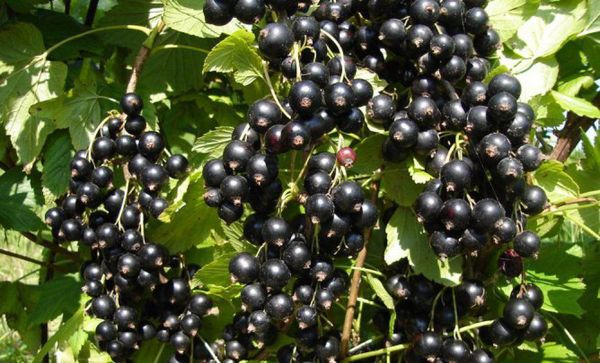
In terms of ripening time, it is considered a mid-season variety, but in southern climates it can produce early harvests. The fruit is versatile.
For Siberia
Siberia is considered the coldest region of the country. Its climate varies widely: from continental with hot summers and freezing winters (Western and Eastern Siberia) to extremely harsh with winter temperatures below -50°C. However, this vast region is renowned for its breeding achievements and is home to many promising varieties that produce not only large but also very sweet currants. Below are large-fruited and sweet blackcurrant varieties bred and developed specifically for this region.
Friendly
A mid-season variety with very high frost resistance. It performs best in Eastern and Western Siberia and is often used in breeding other winter-hardy varieties as a model for valuable varietal qualities. The bushes are very compact. The berries are round and quite large – 1.2-1.6 g. The skin is dense and intensely black. The flesh has a rich, slightly tart flavor (10.3% sugar).
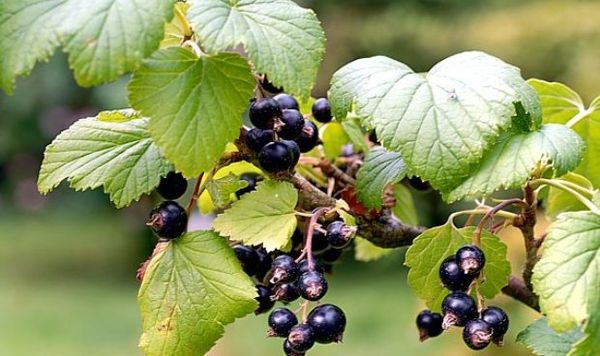
"Druzhnaya" is highly resistant to bud mites and rust, but is susceptible to powdery mildew. Among the variety's advantages are excellent transportability and shelf life of the berries, thanks to their dense skin and dry picking. The yield is average—around 2 kg per bush—but this is good for this region.
Zoya
Despite being an Altai selection, this currant's winter hardiness is average. The shoots can withstand fairly severe winter frosts, but the buds and flower buds cannot withstand even light, sudden spring frosts. Another drawback of this variety is its low resistance to bud mites and septoria leaf spot, but it does have a high immunity to rust and is self-pollinating.
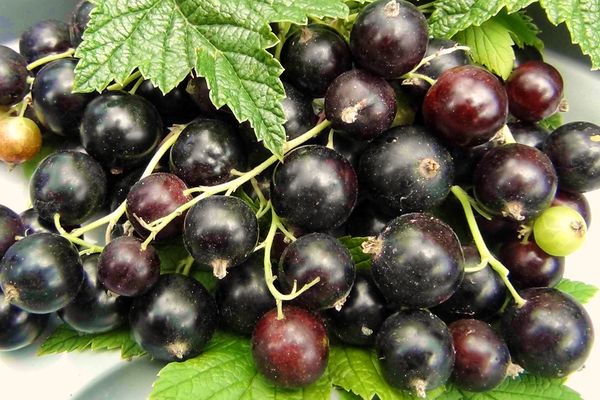
Zoya ripens earlier than the previous variety and boasts a high yield, which is highly dependent on weather conditions. On average, up to 3 kg of berries can be harvested from a single bush, with a maximum yield of 7.8 kg. Fruiting is early, and harvesting is carried out in two stages. The berries are medium-sized (1-1.2 g), black-purple in color, covered with a slight waxy coating, and have a slightly tart flavor. This variety is primarily used for industrial processing.
Biya
This variety was developed by the Altai Fruit and Berry Station. Its winter hardiness is superior to that of the previous variety – the flower buds are more resistant to cold, while the vegetative system (stems) require winter protection. Biya currants are also moderately resistant to bud mites and moderately resistant to septoria leaf spot, rust, powdery mildew, and anthracnose.
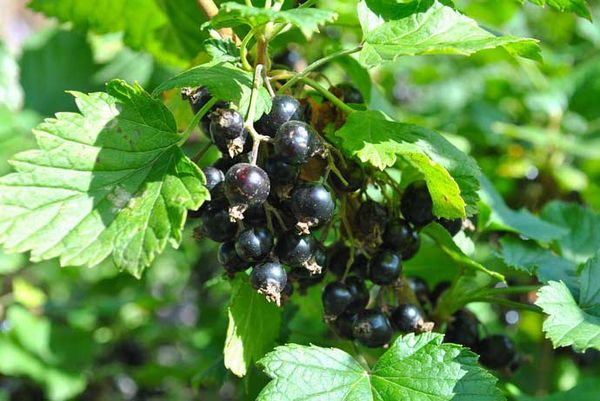
The bushes are vigorous and spreading, with strong, slightly curved shoots. The berries of this variety are not particularly large (0.7-1.2 g), but the harvest is uniform and abundant. Yields, as with the previous variety, depend on weather conditions and range from 3.5-9 kg per bush.
Caring for black currants
Blackcurrants are generally quite easy to grow. If planted according to all agricultural practices, standard care is sufficient for successful fruiting.
Whatever variety you choose, they will reward you with a wonderful harvest if the bushes are planted in a good sunny spot with moderate humidity, in loose, fertile soil with a neutral, slightly acidic, or slightly alkaline acidity, and if the bed is kept clean throughout the season.
Most varieties have good resistance to diseases, but factors such as excessive moisture, the presence of weeds, and insufficient nutrition can lead to the development of pathological processes and weaken the plant.
To prevent this from happening, the area between the bushes must be cleared of weeds in a timely manner, and the soil must be loosened.
In the spring, as a preventative measure, the bushes can be treated with copper-containing preparations (Bordeaux mixture, copper sulfate), or thoroughly doused with boiling water - this procedure not only destroys fungi and pest larvae, but also improves the adaptive properties of the currants.
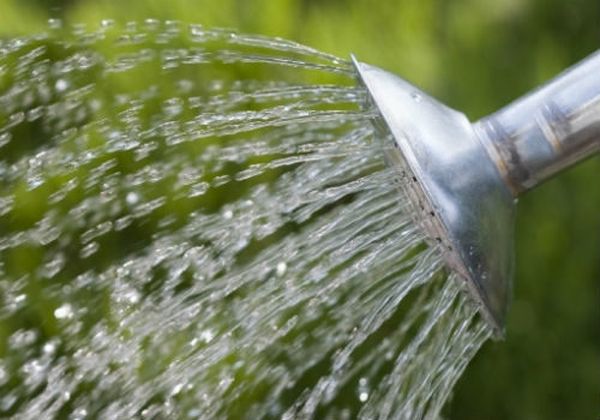
As for watering, mature bushes only need it during hot, rainless weather. Young seedlings should be watered regularly until they establish roots, but remember that currants do not tolerate excessive moisture.
Like any berry crop, currants respond well to fertilizing, particularly organic fertilizers. Compost or humus is usually added at a rate of 0.5 buckets per bush after flowering, and in late fall, before wintering, the trunk circle is covered with a layer of humus. In early spring, plants require nitrogen, which can be supplied by urea (30 g/m²) or saltpeter (80 g).
To ensure regular fruiting and maintain a healthy bush, currant bushes need to be pruned annually. A mature bush should have 15-20 strong, fruiting shoots. Pruning should be done in early spring, before bud growth begins, or in the fall, after the leaves have fallen. Old (over 5 years old) lower branches, as well as damaged or weak shoots that cause thickening, should be removed. Spring pruning involves shortening the shoot tips by approximately 2/3 of their length.
By following these simple steps, you can get a wonderful berry harvest, and choosing the largest-fruited variety will allow you to achieve record results.
Video: "Tips for Growing Blackcurrants"
In this video, an expert shares valuable tips on growing blackcurrants in your garden, caring for them, and protecting them from harmful insects.