
The best blackcurrant varieties for growing in Siberia
Content
Early ripening varieties
Blackcurrants are considered a typical Siberian crop. They tolerate winter well and produce excellent fruit even without significant snow cover.
Since the Siberian climate is variable, it's essential to carefully select varieties of this crop. The climate in this region is characterized by a sharp continental climate and harshness. However, not only blackcurrants, but also white and red currants are widely grown here.
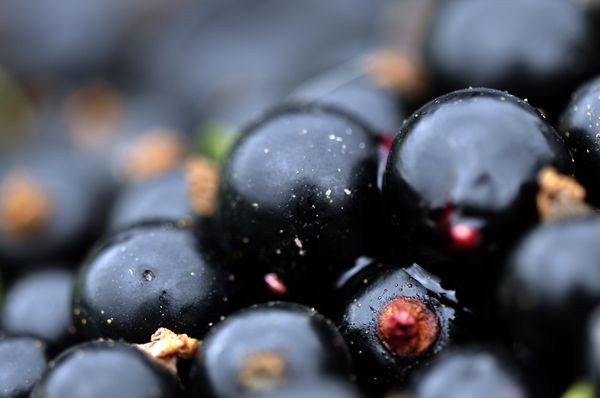
In Siberia, gardeners often plant early-ripening blackcurrant varieties, as they are resistant to May frosts and produce a harvest as early as early June. Thanks to their early development, these varieties are resistant to most pests and diseases.
Let's take a closer look at those types of black currant that are considered the best among the early varieties.
Nika
The plant grows as a medium-sized, spreading bush. Medium-sized, light pink flowers form on the branches.
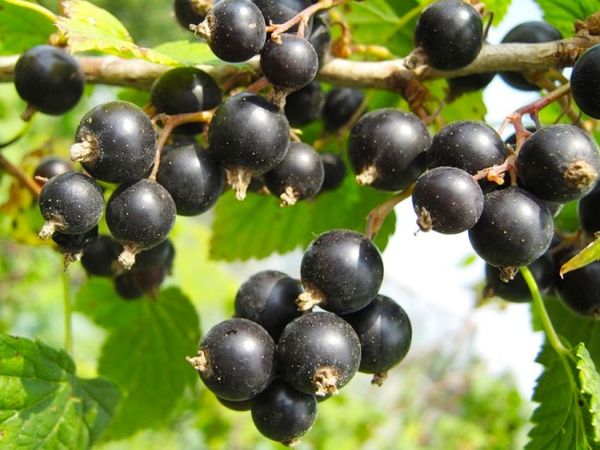
Nika produces large berries, averaging 2.1-4.2 g in size. The fruits are round and have black skin. They have a sweet and sour taste. The pulp contains many nutrients. The variety's yield is average, reaching 2.6 kg.
The advantages here include the following characteristics:
- drought and winter hardiness;
- self-fertility;
- early fruit bearing;
- large fruits;
- excellent taste of berries;
- high resistance to powdery mildew/anthracnose.
The disadvantages here include low resistance to septoria, bud mite, and gall aphid.
A Gift for Curiosity
This is a medium-spreading, sparse, and medium-sized bush. It produces medium-sized, five-lobed leaves. It bears medium-sized, light pink flowers.
The plant produces large fruits weighing approximately 1.9-3.6 g. They have a thick skin, which makes them easy to transport. The berries have a sweet and sour taste and a distinctive aroma. They are versatile. The yield is average. A single bush can yield 3.2 kg of berries.
The advantages of the variety are as follows:
- self-fertility;
- drought resistance;
- early fruit bearing;
- winter hardiness;
- Good immunity to diseases such as anthracnose and powdery mildew. The plant is weakly attacked by gall aphids and mites (bud mites);
- good taste;
- friendly ripening.
Lama
This variety is grown in the eastern and western Siberian regions. It grows as a vigorous bush with sturdy branches. The crown consists of five-lobed leaves. The plant produces large flowers, which are pink with a hint of purple.
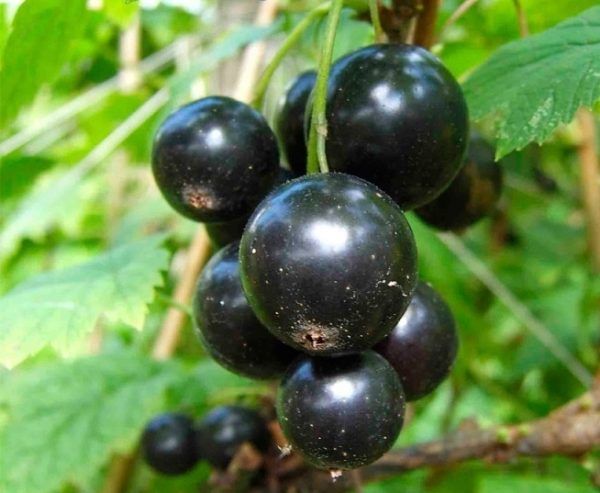
The shoots produce medium-sized berries, weighing approximately 1.1-2.4 g. The fruits are round in shape. Currants of this variety are characterized by a sweet and sour taste. The following characteristics characterize the fruits:
- versatility;
- excellent transportability;
- high content of nutrients.
The advantages of this variety include the following qualities:
- friendly ripening of fruits;
- High yield. One bush can produce approximately 2.7 kg of berries;
- drought resistance;
- winter hardiness;
- self-fertility;
- comprehensive resistance to various fungal infections;
- suitability for mechanical cleaning.
However, the main disadvantage of this variety is considered to be the average weight of the fruits.
Varieties with a medium ripening period
Mid-season varieties differ from early-season varieties not only in their fruiting period but also in their flavor. These plants most often produce a harvest of sweet berries.
The following varieties are considered the best mid-season blackcurrant varieties suitable for growing in Siberia.
Altai woman
It has a shrub-like appearance, characterized by a semi-spreading, medium-sized growth habit. It consists of straight, brown shoots. Large, trifoliate leaves form on the stems.
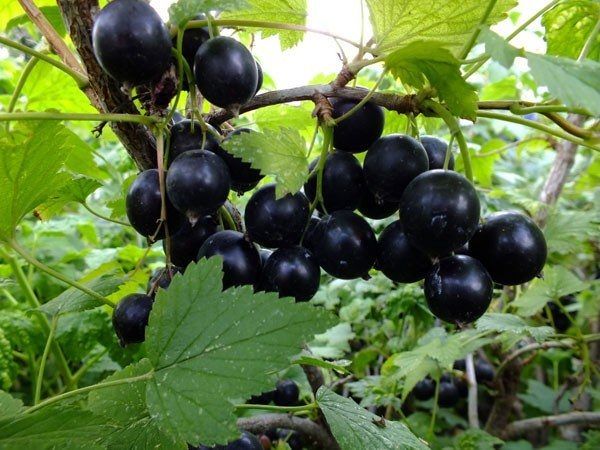
Large berries ripen on the shoots. They weigh approximately 1.1–1.6 g. The fruits have a pleasant sweet-and-sour flavor and are rich in vitamin C. A single bush yields approximately 2.4–3.8 kg. The berries are versatile.
Altaianka has the following advantages:
- resistance to spring frosts;
- heat resistance;
- drought resistance;
- plant resistance to pests (gallbug, bud mite) and many diseases (for example, septoria);
- Mechanized harvesting is possible.
Based on its description, this variety resembles the Dikovinka variety.
Rita
It forms compact, vigorous bushes with a dense crown. The crown consists of small, five-lobed leaves. The plant produces large, white or light pink, cup-shaped flowers.
Large berries, weighing approximately 4.5 g, form on the branches. The fruits have a medium-thick skin and a spherical shape. Therefore, they are characterized by excellent transportability. The berries of this variety are considered versatile. A single bush can yield up to 3.5 kg.
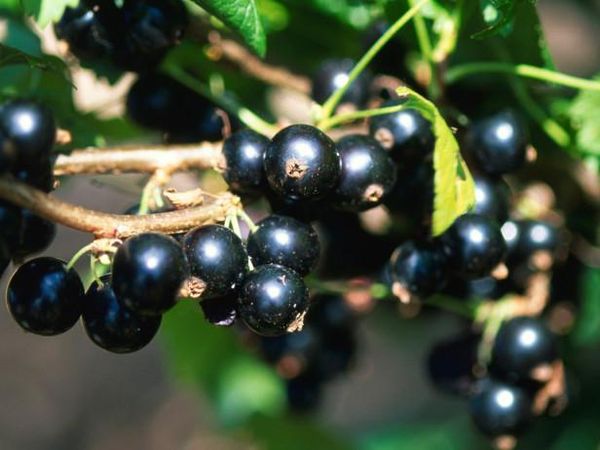
Rita's advantages include the following parameters:
- high fruiting;
- self-fertility;
- early fruit bearing;
- winter hardiness and drought resistance;
- resistance to various infections and viruses.
Among the disadvantages, experts point out insufficient resistance to mites (kidney mites).
Agatha
The plant is a compact, well-developed bush. It is formed by moderately thick shoots. The leaves are three- or five-lobed.
The plant blooms with large, light pink flowers. After flowering, large berries form. On average, they weigh between 1.7 and 3.8 g. Currants are characterized by a sweet and sour taste. Thanks to their thick skin, the fruits are easy to transport.
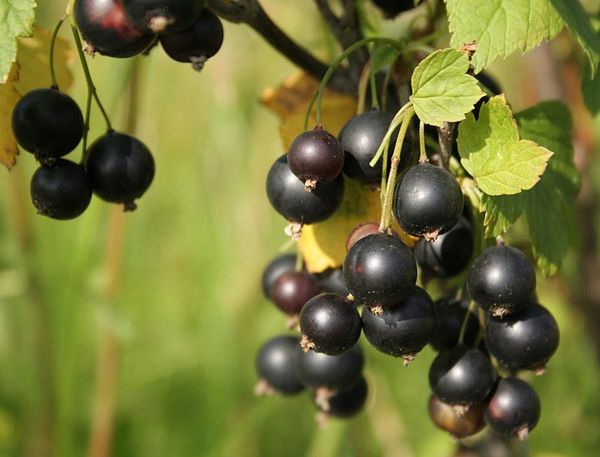
The advantages of this variety include:
- self-fertility;
- Excellent yield. With proper care, one bush can yield up to 3.2 kg of fruit;
- formation of large berries;
- excellent resistance to many common diseases.
The disadvantages in this case include the plant's weak protection against bud mites.
Galinka
Another mid-season blackcurrant variety suitable for growing in Siberia is Galinka. This medium-sized, moderately spreading bush is characterized by poor shoot regeneration.
Large, five-lobed leaves form on the stems. Galinka produces medium-sized, pale pink flowers. During the fruiting period, fairly large berries form, weighing approximately 4 g. They ripen uniformly. The fruits are easy to transport and have a characteristic sweet and sour flavor. The berries of this variety are considered versatile. The yield is average. With proper care, a single plant can yield approximately 3.2 kg of fruit.
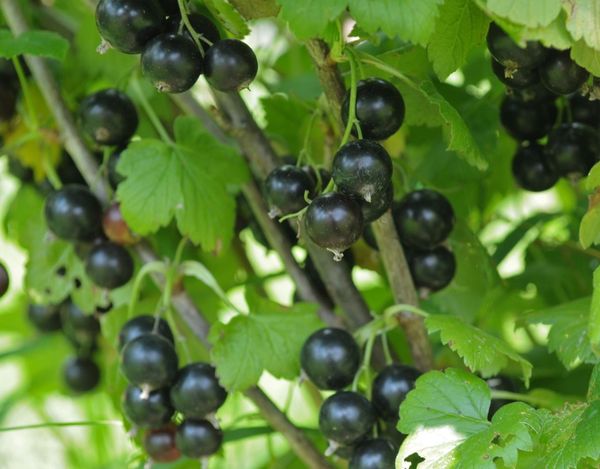
The advantages of this type include:
- large-fruited;
- drought resistance;
- winter hardiness;
- high resistance to various pathogenic microorganisms (viruses, fungi, etc.).
Among the disadvantages, it is worth noting the weak resistance to septoria.
Fun
The plant is a gently spreading, medium-sized shrub. It has little ability to produce shoots. The stems are thin and slightly curved. The crown consists of five-lobed leaves.
Zabava blooms with cup-shaped, medium-sized flowers that have light green sepals.
The Zabava variety is characterized by the formation of large berries. Their skin is thin and shiny, black in color. The fruits are considered dessert varieties. They have a characteristic sweet and sour taste. The pulp contains many beneficial substances (ascorbic acid, pectin, sugars, etc.).
Zabava ranks in the middle in terms of yield. With proper care, a single bush can yield up to 3.1 kg.
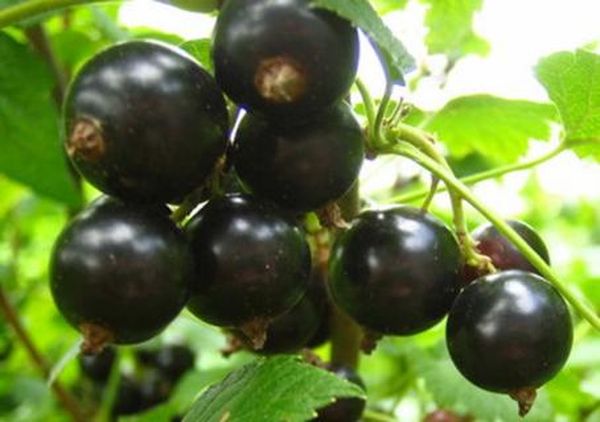
Experts attribute the following qualities to the undeniable advantages of this variety:
- drought resistance and winter hardiness;
- early fruit bearing;
- Resistance to diseases such as anthracnose and septoria leaf spot. In addition, the plants are highly resistant to the gall aphid. However, they may be slightly attacked by bud mites;
- excellent taste characteristics of the fruits.
One of the obvious disadvantages of this variety is the semi-dry separation of berries.
Ksyusha
Another blackcurrant variety with a mid-season ripening period and suitable for growing in Siberia is the Ksyusha variety. The plant is a medium-density bush. It is medium-sized and moderately spreading. It grows from straight shoots.
Large light green leaves with five or three lobes form on the branches.
The plant produces medium-sized, cup-shaped flowers with pale pink sepals. A single cluster can produce up to 11 berries. These berries are spaced moderately close together. The clusters are composed of fairly large berries with a distinctly versatile purpose. They are covered with a dense, shiny skin. The fruits have an excellent sweet-and-tart flavor. Properly cared for, a single bush can yield up to 4.6 kg of fruit.
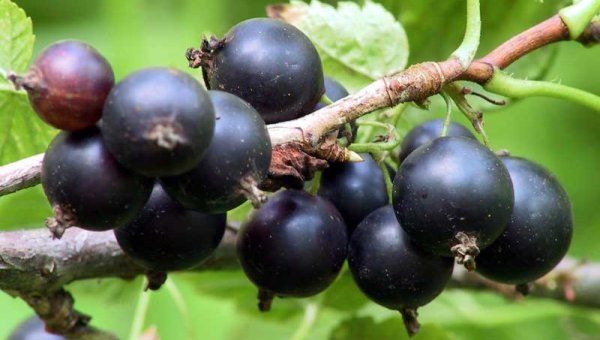
Ksyusha has the following advantages:
- early fruit bearing;
- winter hardiness;
- drought resistance;
- heat resistance;
- pronounced taste qualities;
- large fruits;
- good transportability of fruits;
- high yield;
- good plant resistance to powdery mildew and gall aphids.
Among the disadvantages, it should be noted that the bushes are prone to damage by spider mites and other types of diseases.
Late-ripening varieties
In addition to early and mid-season varieties of black currant, late-season varieties of this crop can also be grown in the Siberian regions.
Mila
This variety forms spreading, medium-sized bushes. The branches bear medium-sized, light-green leaves with five lobes. The plant produces medium-sized flowers that are light pink.
The fruit is characterized by very large fruits, averaging 4.5 g in weight. They are characterized by excellent transportability. The berries have a sweet and sour taste.
Among the advantages, experts highlight:
- High yield. Up to 3.5 kg can be harvested from one bush;
- self-fertility;
- large fruits.
The disadvantage of this variety is its low resistance to septoria and anthracnose.
Harmony
This is a medium-spreading bush with five-lobed leaves. It produces small flowers. It typically produces large berries weighing approximately 3.3 g. They have a sweet and sour taste and are highly transportable. The yield is 4.2 kg per bush.
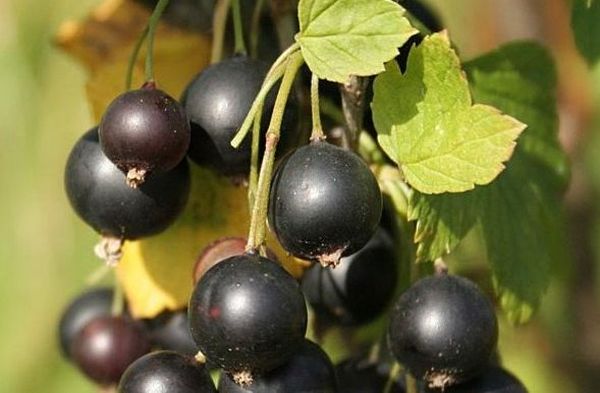
Experts attribute the following points to the advantages of the variety:
- high yield;
- large berries;
- excellent taste characteristics.
The main drawback of this variety is its moderate resistance to septoria leaf spot. However, the bush is resistant to bud mites and powdery mildew.
When choosing a blackcurrant variety for growing in Siberia, it's important to consider not only the harvest time but also the variety's strengths and weaknesses. Plants are selected based on the intended purpose (sale, canning, etc.), as well as their resistance to specific diseases and pests. Proper selection and care guarantee good fruiting, even in Siberia.
Video: "Preparing Blackcurrants for Winter"
This video will show you how to properly prepare a blackcurrant bush for winter.