
High-yielding varieties of large black currants
Content
Early varieties
Blackcurrant varieties are classified as early, mid-season, and late based on their ripening time. However, this doesn't mean that all early-ripening blackcurrant varieties will bear fruit at the same time in all regions of the country; this depends largely on weather conditions. It's simply that the time from bud break to fruit ripening is shorter for early varieties than for mid-season and late varieties.
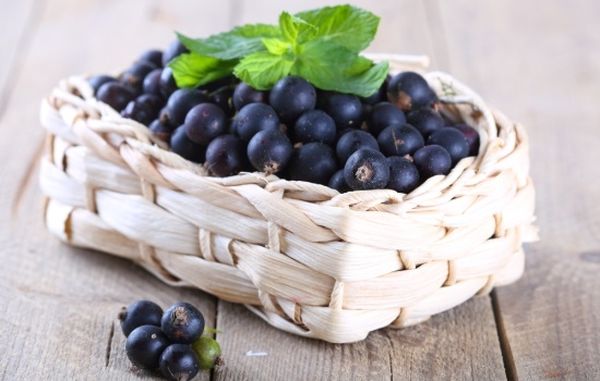
Thus, in southern regions, early varieties often yield ripe fruit in June, while in the Urals or Siberia, these same varieties will yield fruit in July (and not necessarily in the first half of the month). In regions with short summers, it's preferable to grow early or mid-early varieties so that their fruit has time to ripen before the onset of cold weather.
Not all productive blackcurrant varieties boast large berries, but almost all large-fruited ones are new varieties, which are often distinguished by a higher sugar content, resulting in a pleasant sweet-tart flavor in their aromatic berries. Among the largest and most delicious berries, new varieties have proven themselves, such as hybrids of blackcurrant and gooseberry, but today we'll focus on a few varieties of blackcurrant specifically.
Exotica
The "Exotica" variety is considered the largest-fruited of the early-ripening varieties. Its thin-skinned, dry-separated berries weigh between 2.5 and 3.5 grams each. Although the total yield per bush is quite modest, only 1.5 kg, the taste and quality of the large berries make it worth planting in your garden. They contain up to 9% sugars and almost 200 mg of ascorbic acid per 100 g of weight, which determines their rich sweet and sour flavor, breathtaking aroma (the berries and leaves contain a large amount of essential oil), and beneficial properties.
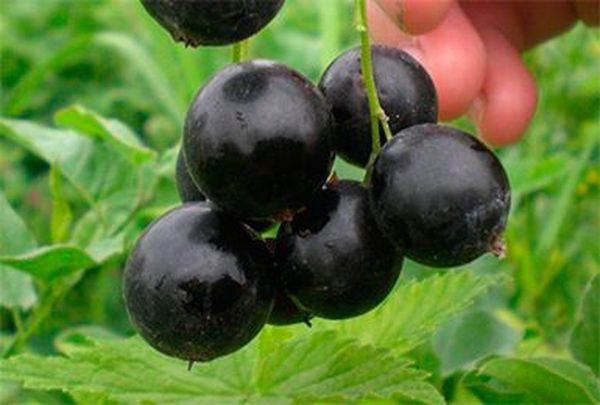
This winter-hardy, self-fertile currant grows well in the central part of the country, blooming in the first half of May and ripening from early July. It prefers fertile loam and open, sunny locations, but protection from strong winds is advisable. The upright bush grows up to one and a half meters tall and begins bearing fruit in the second or third year after planting. It has large leaves, and the fruits are formed on long, straight clusters, each with about 10.
The variety shows excellent resistance to powdery mildew, but can be affected by anthracnose, terry leaf spot and bud mite.
Large, shiny berries can be stored in the refrigerator for several days; they are eaten fresh, and many delicious desserts, wines, and winter preserves are made from them.
Raisin
This variety is called a dessert variety because its berries with a refreshing aroma contain more than 9% sugars, 192 mg of ascorbic acid per 100 g of weight, they are sweet, universally consumed, although they are best eaten fresh.
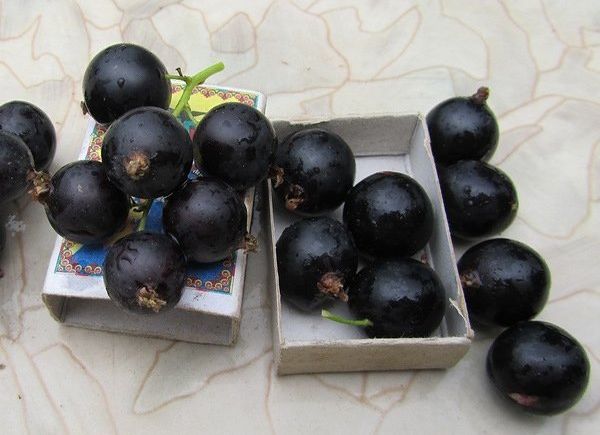
These medium-sized, low-spreading bushes can reach a height of up to one and a half meters. They are resistant to spring frosts and severe winter frosts. The variety easily tolerates periods of drought and is resistant to powdery mildew and bud mites. With proper cultivation practices and adequate fertilization, it exhibits remarkable viability, is resistant to most diseases that threaten currants, and is unaffected by pests.
A single Izumnaya bush yields up to 2 kg of berries. They vary in size; a single cluster can contain both large and small berries, with the largest weighing around 3.2 g. It's especially convenient that the ripe berries don't fall off the bush. If you don't manage to pick them in time, they'll wait a few days—they won't fall off the branch and dry out.
Currants bloom in the second half of May, and the fruits ripen two months later. The biggest drawback of this variety is that cuttings don't take root well after planting. Propagation is easier by layering or dividing the bush.
Summer resident
This variety is common in the European part of the country. Its fruits ripen as early as early July, but very unevenly. Fresh berries can be picked every day for two weeks, but overripe ones will have to be searched for under the bush. This small, spreading bush with small, green, leathery leaves doesn't grow taller than one meter. Its branches can collapse under the weight of the berries, so gardeners usually provide supports.
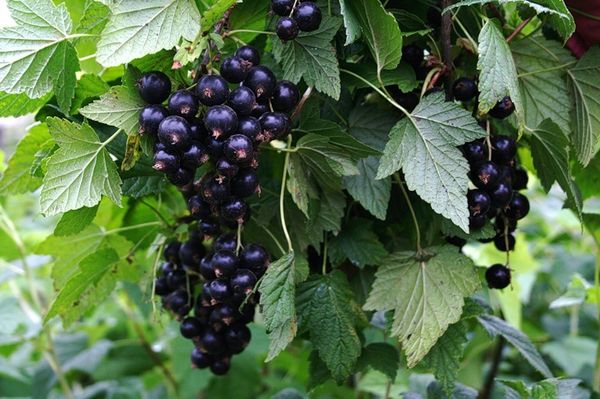
‘Dachnitsa’ tolerates winter frosts well and is indifferent to powdery mildew, anthracnose and bud mites.
This self-fertile variety doesn't require other pollinators, but like most self-fertile varieties, 'Dachnitsa' yields more when other blackcurrant varieties are present in the same garden. Under normal conditions, in fertile, well-drained soil, the yield ranges from one and a half to two kilograms.
The berries weigh from 2 to 4 grams, with 5 to 8 berries per bunch. They are distinguished by their sweetness, 9.3% sugar content, 190 mg of ascorbic acid, thin skin, and mild aroma.
Mid-early varieties
The characteristics of mid-early and mid-season varieties may differ in many respects, but they all require more than two months between flowering and full ripening of the fruit. In the central or southern regions, mid-early blackcurrants bloom in May, usually early in the month, and the berries can be picked by the end of July—in Krasnodar, this occurs around mid-July, and further north, at the end of July.
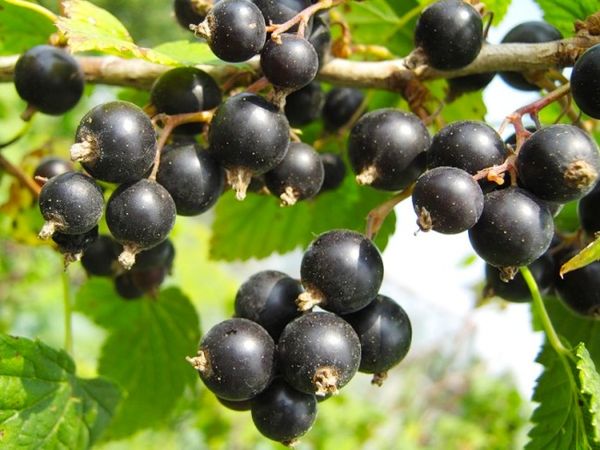
There are many excellent, productive varieties with large berries bred domestically.
Nuclear
The fruits of the Yadrenaya variety are very uneven, but the largest ones are more reminiscent of small plums, weighing from 3 to 8 grams. This compact, spherical bush can reach a height of one to one and a half meters. It is winter-hardy, self-fertile, and resistant to most diseases. It is successfully grown in Western Siberia. This variety produces fruit quickly, but the bushes also age quickly. By the fifth year, new shoot growth declines sharply. It is usually replaced after the fifth to seventh year.
A single Yadrenaya bush yields 3 to 6 kg of fleshy, juicy, sweet berries with firm skins. They are delicious fresh, make excellent jams, preserves, and other dishes, and are also frozen for winter.
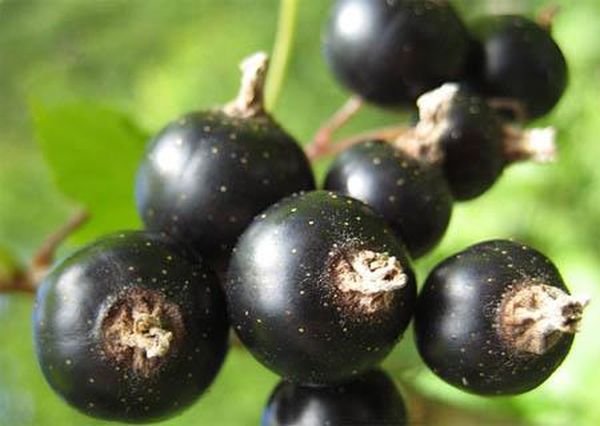
This variety is resistant to spring frosts and winter cold, blooming in early May and ripening by the end of July. It is resistant to variegation, powdery mildew, rust, and bud mites.
Dobrynya
This variety grows compactly, with upright shoots growing to 1–1.5 meters. It withstands spring cold and severe winter frosts, easily tolerates periods of drought, and is resistant to powdery mildew. A single bush can yield between 1.5 and 2.5 kilograms of fruit. The berries are not uniform in size, weighing between 3 and 7 grams. They have a sweet and sour flavor, with the sour flavor predominating—every 100 grams of berries contains 200 mg of ascorbic acid and approximately 7% sugar, making them highly beneficial for health.
'Dobrynya' is easy and low-maintenance, blooming in mid-May and ripening by the end of July. This variety has limited resistance to anthracnose and bud mites, but with proper cultivation practices, it rarely suffers from diseases. The berries, with their firm skin and dry peel, store well, are easy to transport, and are especially good for winter preserves.
Selechinskaya 2
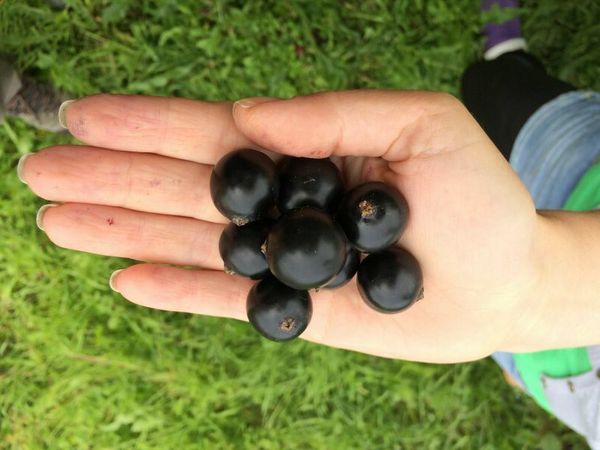
This tall, upright bush grows up to two meters and boasts a high yield, ranging from 2.5 to 5 kg per bush. This winter-hardy variety thrives in all regions of the country, easily tolerates periods of drought, and is resistant to powdery mildew.
The main advantage of the Selechinskaya 2 variety is the sweet taste of its berries. The berries contain over 7% sugar and 170 mg of ascorbic acid per 100 grams.
The black, shiny berries weigh between 3 and 6 grams and are versatile, tasty, and healthy when eaten fresh, cooked, dried, or frozen.
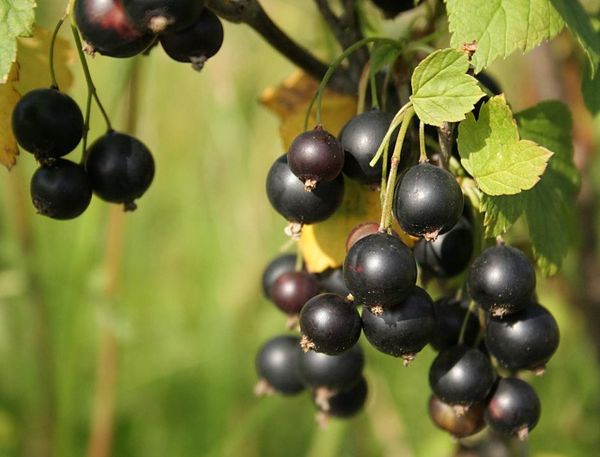
"Selechinskaya 2" exhibits moderate resistance to anthracnose and bud mite, meaning proper agricultural practices, annual sanitary pruning, and adequate fertilizing will help prevent diseases and pests. These strong, beautiful bushes are quite resilient, but they require careful care and preventative measures against overwintering pests and pathogens.
Green haze
A very productive variety with an abundance of shiny black berries among beautiful light green, trilobed leaves. The variety's name reflects its ornamental qualities, which can also be considered a virtue, along with its winter hardiness, self-fertility, and high resistance to powdery mildew.
"Green Haze" is a low, moderately spreading bush that blooms in mid-May and, two months later, produces 4-5 kilograms of black, shiny, almost uniformly sized (1.5-2.5 grams), very aromatic, sweet-tart berries. They contain over 12% sugars and 192 mg of ascorbic acid, and store and transport well. They are eaten fresh, used to make wines, desserts, and winter preserves, and are often frozen.
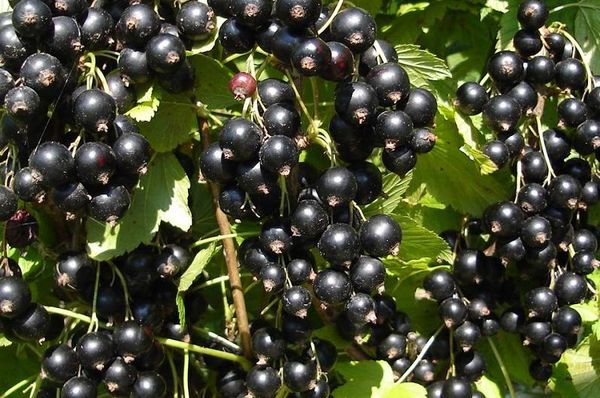
The bush bears its first fruit in the second year after planting. It can be susceptible to bud mites, but with proper cultivation practices, it causes no problems. It is easily propagated by layering and cuttings.
Bagheera
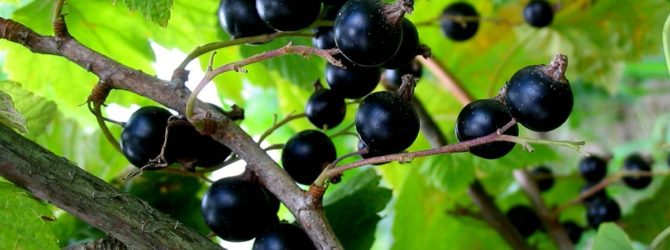
A very convenient variety for growing in the garden, this compact bush with upright shoots grows up to one and a half meters in a sunny spot with fertile soil. Its berries are not particularly large, but very tasty. They weigh from 1.1 to 2.3 grams, contain 9 to 12% sugars, and 155 to 190 mg of ascorbic acid. Sweet, thick-skinned grapes ripen almost all at once, without falling off or drying out if not picked in time. They have a rich, full flavor, store and transport well, are eaten in any form, and are always a favorite.
Bagheera begins bearing fruit in the second year after planting, yielding up to 4.5 kg of fruit at its peak. Each cluster contains an average of 10 berries, which densely cover the shoots. This variety easily tolerates cold winters, heat, and drought, although growers classify its resistance to major diseases and pests as average.
However, feedback from gardeners indicates that preventative measures, including weed control, loosening the space between rows, mulching, adding wood ash and tobacco dust to the soil around the bushes, and spring watering the soil around the bushes with solutions of potassium permanganate and copper sulfate, can effectively protect against diseases and pests.
When choosing black currants, remember that you need to base your choice on the characteristics you need, and not on the popularity of the variety.
Video: "The Best Blackcurrant Varieties"
In this video, an expert will talk about the most productive blackcurrant varieties.