
Currant Treasure – delicious berries for your garden
Content
Description
The blackcurrant variety "Sokrovishche" was developed at the very end of the last century by the M.A. Lisavenko Siberian Research Institute of Horticulture. It was created specifically for cold climates and easily survives winter frosts. This early-bearing variety blooms in May, and ripe fruits with a high ascorbic acid content can be harvested by the second half of July.
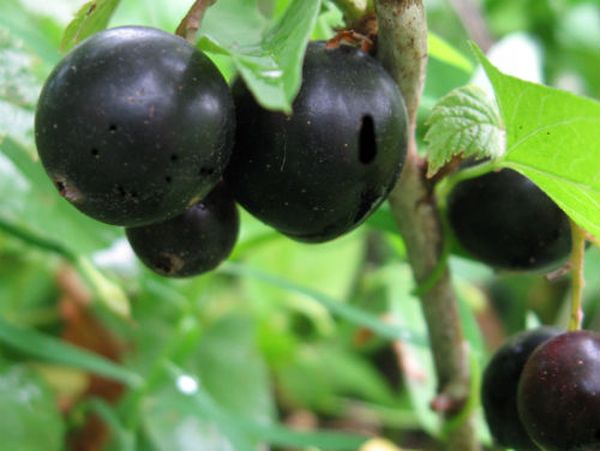
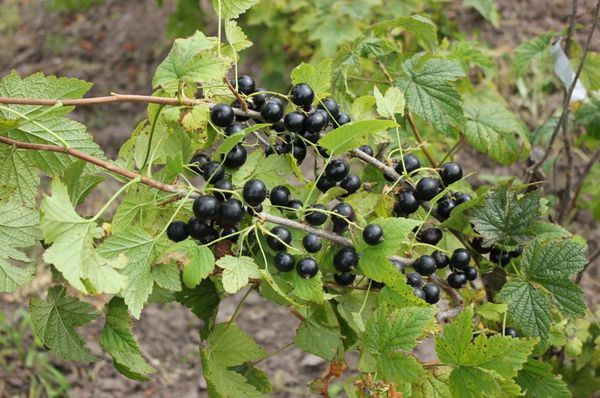
The bush grows up to one and a half meters tall, but it's not exactly spreading. The branches are straight and have medium foliage. Young shoots are sparsely pubescent, a delicate green, while older shoots take on a brownish hue. Light green, leathery, slightly wrinkled leaves are firmly attached to short, plump, slightly pubescent petioles. The leaves are trilobed and medium-sized. The buds are green, with loose scales.
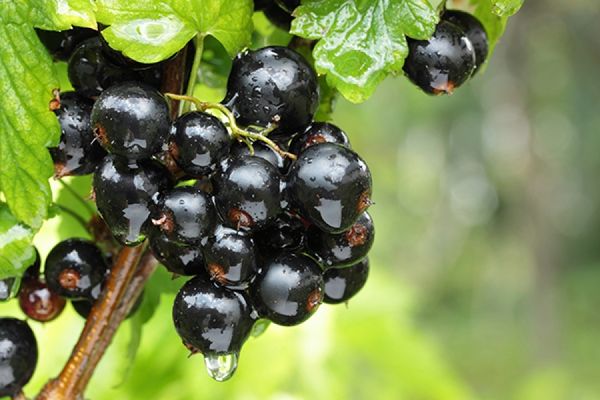
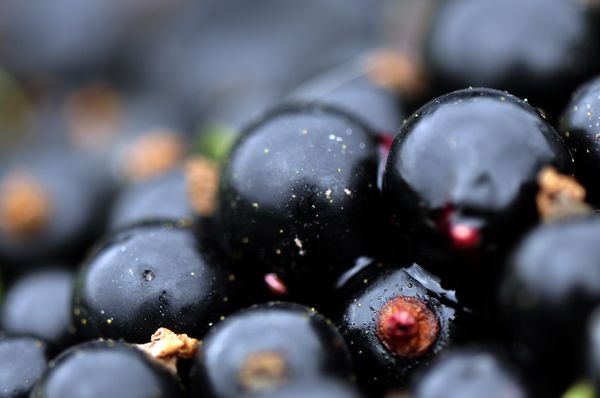
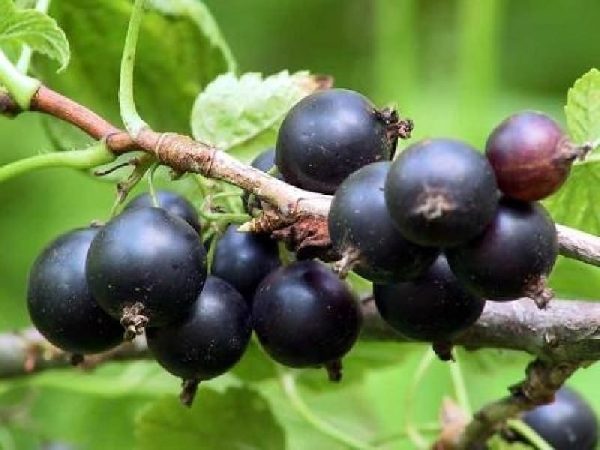
Creamy flowers, typical for currants, bloom in May. In warmer regions, this occurs early in the month, while in areas with later warmth, it occurs in the second half. The clusters are single or triple, each bearing 5 to 10 berries. The delicious, sweet and sour berries are uniform in size—black, slightly glossy, weighing 1.6 to 2.2 g. Numerous small seeds are concealed beneath the thin skin (the berries are distinguished by their dry detachment).
The berries transport well, storing for two weeks at 10°C (50°F) without loss, and at least a month at 0°C (32°F). They are delicious (and very healthy) to eat fresh, and they make excellent juices, wines, jams, preserves, marmalades, and marmalades. A single bush typically yields 4–5 kg of berries—a significant amount, requiring staking to prevent the branches from drooping under the weight of the berries.
Basic rules of planting
Like almost all currants, the 'Sokrovishche' variety, including the 'Sokrovishche' variety, prefers sunny locations protected from strong winds and drafts. It's best to avoid large plants nearby that will create shade and draw nutrients from the soil. However, 'Sokrovishche' tolerates light shade well. This blackcurrant grows best in slightly acidic, nutritious soil, which should be thoroughly fertilized before planting. If the soil is too acidic, add chalk, wood ash, or a little lime.
Currants should be planted in the fall, when temperatures are still between 15 and 10 degrees Celsius. This will give them time to establish themselves in their new location, survive the winter well, and produce new shoots the following spring. Planting in the spring will waste time, as the bush will begin growing later.
For fall planting, a site is found and prepared in the summer, about two months in advance. The area is identified, cleared of weeds, and dug to a depth of half a meter, simultaneously adding compost or humus (at least one bucket per square meter), superphosphate (100 g), and potassium salt (50 g). If the soil is very heavy, peat or sand can be added to improve its structure.
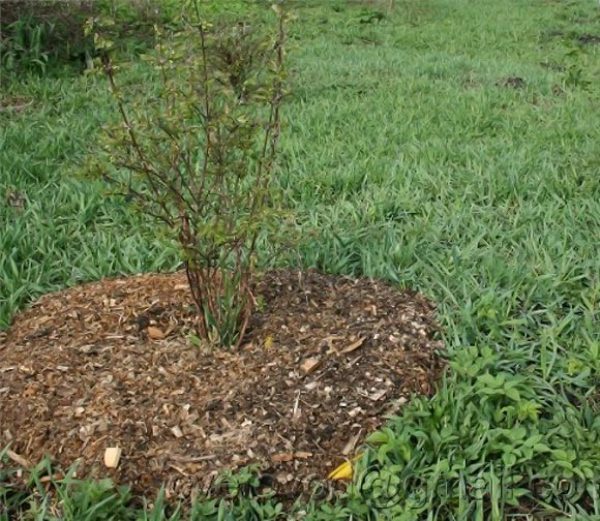
Just before planting, remove any weeds that have appeared, and dig holes about half a meter deep and in diameter. Fill a third of the hole with fertile soil, add 0.5 buckets of water, and place the seedling (after soaking its roots in water for at least three hours). Cover with soil until the root collar is 5-8 cm below the surface, and compact. Add another 1.5 buckets of water under each bush, then mulch the soil under and around the bush with peat, hay, compost, and sawdust.
The planted bush is immediately pruned, leaving 3-4 buds on the shoots. Two-year-old seedlings are easiest to plant. They must be carefully selected; the branches should have live buds, and the roots should be well-developed and at least 20 cm long. Several bushes are planted 1 meter apart, leaving 1.5-2 meters between rows.
Care and pruning
Currants generally don't require much attention; caring for them isn't a burden; you just need to be diligent and implement all gardening procedures on time. This variety doesn't tolerate drought very well, so if rainfall isn't sufficient, the bushes will need to be watered. It's especially important to ensure the currants receive adequate water during the formation of fruit, ripening, and after harvest. Before the onset of frost in the fall, pour two or more buckets of water under each bush; this will help the plant survive the cold and quickly awaken in the spring.
Throughout the season, you need to make sure that weeds don't grow around the currant bushes. They will need to be constantly weeded out. It's advisable to loosen the soil several times, but this must be done carefully so as not to damage the roots that reach the very surface.
Currants respond well to fertilizing. If the soil is well fertilized before planting, regular fertilization can be started from the third year of growth. In the fall, it is recommended to apply up to five kilograms of organic fertilizer (compost, humus, or a solution of mullein or chicken manure), 40-50 grams of superphosphate, and 20 grams of potassium salt under each bush. In the spring, 40 grams of urea can be added under each bush. Fertilizing during the growing season depends on the soil condition.
It's generally believed that it's beneficial to feed currants during the periods when buds are opening, ovaries are forming, and the fruit is ripening, as the plant prepares for the following year. Typically, liquid fertilizers are applied in the spring and summer—a solution of bird droppings or mullein infusion, superphosphate, and potassium fertilizers. Organic fertilizers high in nitrogen are applied in the spring or early summer, while phosphorus and potassium are added when the fruit is setting and ripening.
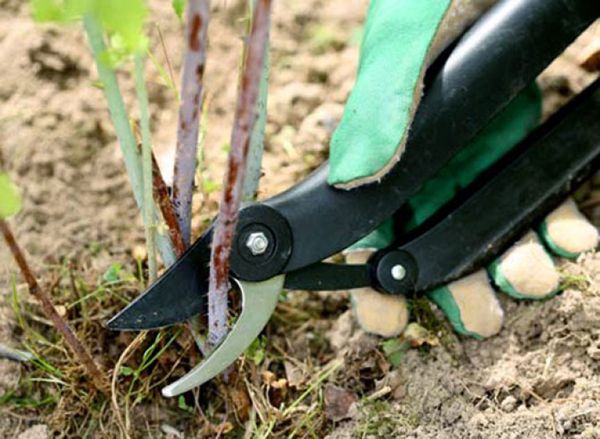
Pruning is essential when caring for currants. This variety is criticized for its rapid aging, so proper pruning promotes rejuvenation, prolonging its lifespan and fruiting. The first pruning occurs immediately after planting—all shoots are shortened to three buds. The main annual pruning occurs in the fall, when all the leaves have fallen and the plant is ready for winter. In the second autumn of the bush's growth, all young shoots are shortened to four to five buds. In the third autumn, all shoots, including one-year-olds, are shortened by a third. Subsequently, shoots older than three years that have borne fruit are annually pruned, and all young shoots, including those already bearing fruit, are shortened by a third.
Weak young shoots that show signs of damage or disease can also be pruned. An ideal, healthy bush in its fifth or sixth year should consist of 10 to 15 branches of varying ages, with four to five of these pruned annually once they have finished bearing fruit.
In the spring, before bud break, perform additional pruning if any branches have frozen or broken over the winter. During the summer, you can remove broken, dried, diseased, or pest-infested branches. Remove branches that reach the ground or grow inside the bush.
The "Sokrovishche" variety is resistant to most diseases that commonly affect currant bushes, and is resistant to bud mites, spotted spot, and most fungal diseases. Some gardeners recommend dousing the bush with hot water as a preventative measure in the spring after the ground has thawed, but before the buds open. Take 3-4 liters of hot water (50-60 degrees Celsius), "wash" each branch with it, and then inspect and prune any that have suffered winter damage. This procedure is said to quickly awaken the plant, harden it, and strengthen its immune system.
Advantages and disadvantages of the variety
"Sokrovishche" is a wonderful variety that can be successfully grown in dachas in Siberia, the Urals, and the Far East. This currant ripens by the end of July, and no other varieties need to be planted nearby to produce fruit. Self-fertility and early fruiting are undeniable advantages of this variety.
A stable harvest of at least 4 kg from a single bush will help meet a family's needs if you plant several. This delicious berry, high in sugars and vitamins, is suitable for eating straight from the bush and for making preserves for the winter.
Winter-hardy bushes with strong immunity are not affected by powdery mildew or columnar rust, are much less likely than other varieties to suffer from septoria and anthracnose, and are rarely affected by bud mites.
But the bushes age quickly and don't tolerate drought well. These problems can be solved with proper care.
Video: "The Main Rules for Planting Blackcurrant Seedlings"
In this video, a specialist will show and explain how to properly plant blackcurrant seedlings.