
Possible causes of leaf curling on currant bushes
Content
Causes of twisting
It's impossible to pinpoint the cause of currant leaf curl, as it could be a sign of a viral or fungal disease, or one of many pests. A closer inspection of the plant will reveal other, less noticeable symptoms that can help pinpoint the problem more accurately.
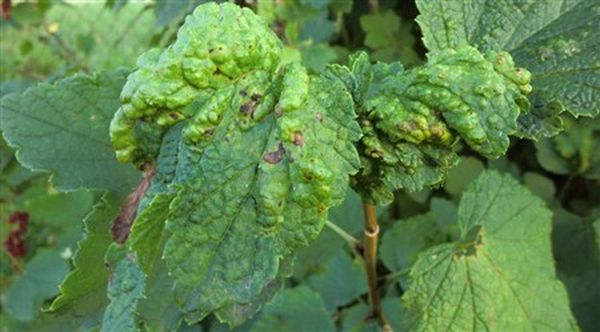
Spider mite
This mite parasitizes many cultivated and weedy plants and moves by wind. Its presence can be detected on the underside of the leaves, which it covers with a fine web. At first, it becomes covered with small, light-colored spots that gradually enlarge. After some time, the leaves darken, curl, and dry out.
Spider mite colonies grow rapidly. At temperatures of 15°C (59°F), the insects hatch from the egg stage in two weeks, while at 30°C (86°F) temperatures, they hatch in just two to three days. They overwinter in the topsoil and on fallen leaves. The pests can be seen with a magnifying glass; females are only 1 mm in size, while males are half that size. They are most often yellowish or orange in color. A plant infested with spider mites is weakened by a reduction in surface area and photosynthesis, becomes susceptible to disease, and overwinters poorly.
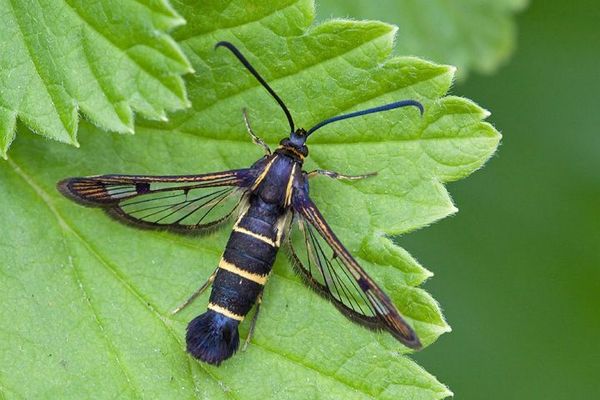
Currant glasshouse
This small butterfly, with transparent wings and alternating dark and light stripes on its body, vaguely resembles a wasp. It emerges two weeks after currant blossoms and lays 50-60 eggs in bark crevices at a height of 40-70 cm. After 10-15 days, the caterpillars emerge, burrow into the trunks, and make long tunnels, up to 50 cm long, eating the core. They also overwinter there. During its life, the caterpillar can damage several shoots, starting with young shoots and moving on to more mature ones. No gooseberry or currant varieties resistant to the glassworm have yet been bred.
In the initial stages of the parasite attack, changes to the currant bush are barely noticeable—leaves and fruit are slightly smaller. The following year, when the overwintered and mature caterpillars begin feeding intensively, the affected branches become visible against the healthy ones as the leaves unfurl. When the damaged shoots are removed, blackened holes are found in the center of the cuts.
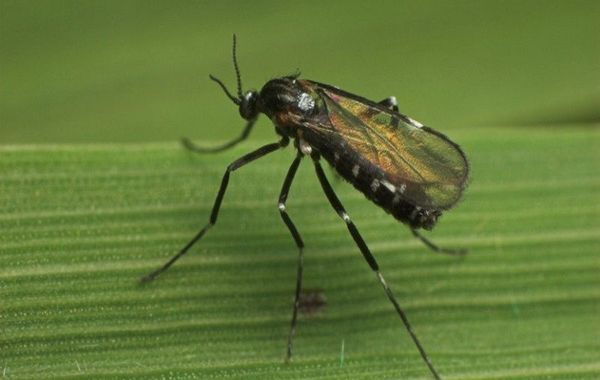
Currant leaf gall midge
This small (about 1.5 mm) fly from the gall midge family appears during the mass flowering of blackcurrants. During its two-day lifespan, it lays eggs on young leaves at the top of shoots. The hatched larvae consume the foliage, causing the tops to curl and die. This pest is especially dangerous for young currant plantings.
Currant shoot gall midge
Unlike the leaf midge, the shoot gall midge hides its eggs in bark cracks at the base of currant branches. The larvae penetrate deep into the shoots and feed on the sap, causing some branches to dry out and die. Two to three generations of these pests are born over the summer. Shaded, humid locations favor their development.
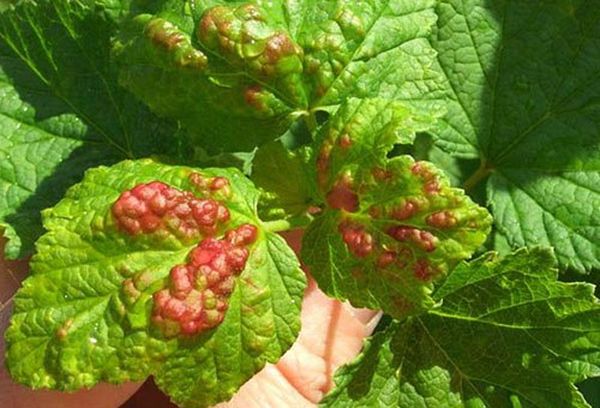
Leaf gall aphid
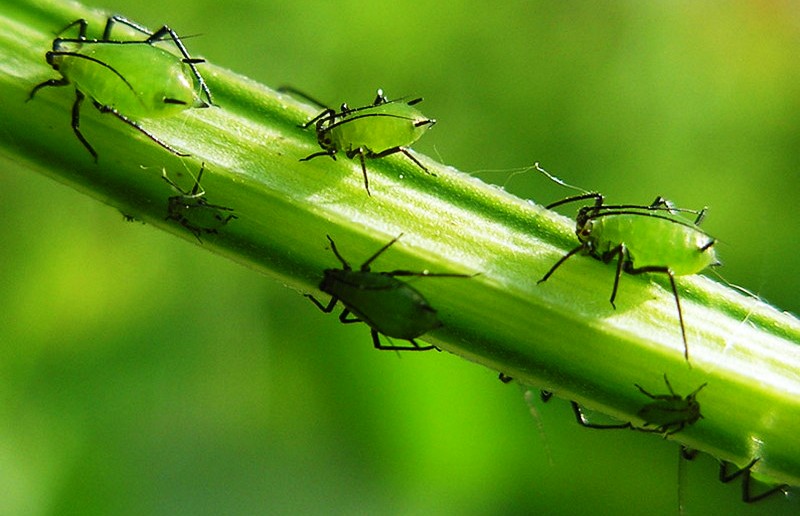
This parasite overwinters as eggs, which it lays on the bark around the buds of red and white currants. The larvae emerge during the leaf-unfolding phase and form colonies on the undersides of the leaves. The leaves become covered with red or yellow bumps on the surface, begin to curl, and then die.
Gooseberry shoot aphid
Gooseberry aphid larvae first suck the sap from the buds, then crawl onto leaves and green shoots. Growth of damaged branches slows, internodes shorten, and shapeless clumps of curled leaves form at the tips. The aphids live and reproduce within these clumps. Some females are born with wings, allowing these pests to easily colonize neighboring bushes. In the fall, the aphids lay eggs on the bark at the base of the buds and overwinter until the following spring.
How to treat currants
To combat the above-mentioned pests, it's essential to carry out timely pruning, removing any suspect shoots. Leaf debris and other organic matter should be carefully removed and burned in the spring. The tree trunks should be dug over in late autumn.
To combat aphids, gall midges, and glassworms, currants are sprayed with an insecticide solution before flowering—Fufanon, Kemifos, or Spark. These insecticides are also used on black and red currants after the infestation is detected. If the bushes' leaves are curled due to spider mites, acaricides such as Neoron and Sanmite will help.
Usually, chemical treatment is carried out before flowering. Currants with curled leaves should later be treated with biological preparations or harmless folk remedies.
Video "Currant Diseases"
This video will tell you about currant diseases and how to treat them.