
Scheme for rejuvenating an old black and red currant bush
Content
The purpose of rejuvenation
Proper currant care allows for abundant harvests for 5-6 years after planting. After this period, the plant ages. An older currant bush produces fewer berries, and the quality of the fruit deteriorates.
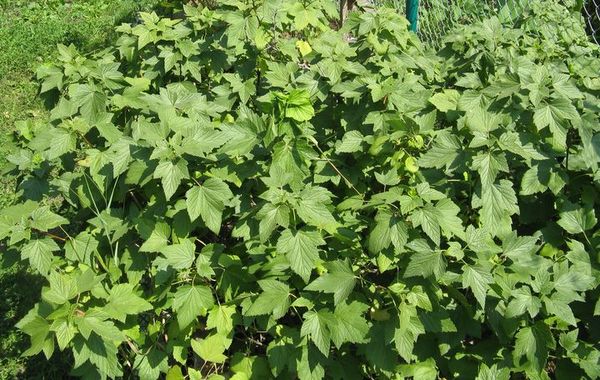
If you find an older plant in your garden, don't try to get rid of it right away. Such bushes can be rejuvenated, which will have a beneficial effect on the future berry harvest.
Typically, culture renewal is carried out if:
- the plant is unhealthy: affected by aphids, mites or lichen;
- the currant bush has grown a lot, taking up more space and “interfering” with the development of nearby plants;
- the currant bush is incorrectly formed, as a result of which it does not develop and bears few fruits;
- long branches appeared on the plant, which drooped and began to spread along the ground;
- the bush was planted more than 6 years ago;
- the roots of the crop are damaged.
By replanting your plants, you'll improve ventilation and light levels for your currant bushes. The berries will become more resistant to a number of diseases, and care will be easier.
Features of spring rejuvenation
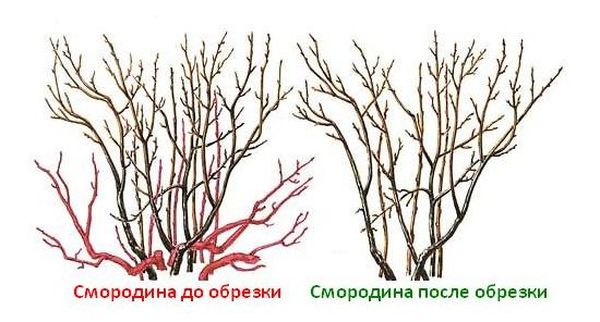
The most logical time to rejuvenate bushes is in the spring. This is when infected plant parts are most visible and should be removed immediately. When the soil temperature reaches around 5°C, sap begins to flow through the plant. This stimulates growth. If branches are not removed promptly, the disease will continue to spread.
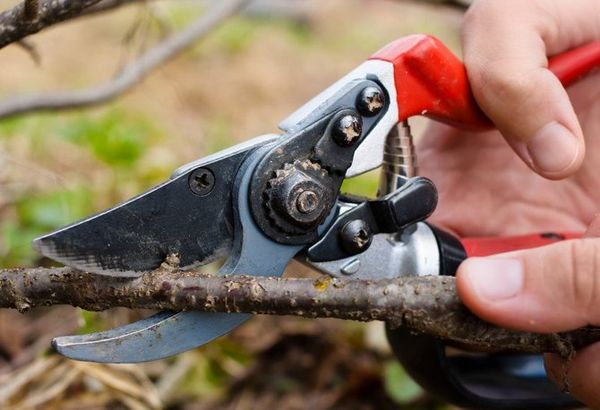
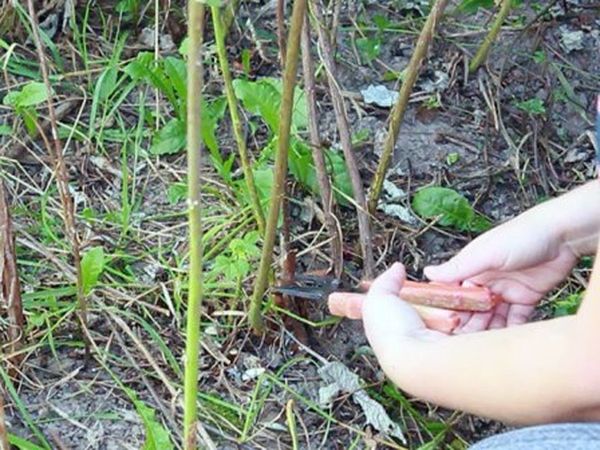
Pruning should be done on a sunny, dry day. After removing branches, leave a stump no larger than 0.02 meters. The exact amount to remove can be determined by the pith of the cut. If the pith is dark, then pruning should continue until the lighter part of the tree is visible. The removed branches should then be burned. Once the soil warms, apply nitrogen-containing fertilizer.
Rejuvenation of old currant bushes should be performed no more than three times. After this, the plant will no longer provide any benefit, as the roots will begin to age.
This will lead to the death of the plant. However, this situation can be corrected. For currants, or more precisely, for rejuvenating an old bush, there is a plan that, if followed, can be used to gradually rejuvenate the plants.
- From an old plant, select and bury a young shoot. Over the summer, the shoot will take root in the soil.
- The following spring, the shoot is separated from the plant itself and transplanted to another location.
- An old plant can bear fruit for about another year, after which it must be uprooted.
- The area where the currant bushes previously grew should be cultivated and fertilized. After this, the young bush can be planted.
Features of autumn rejuvenation
In late autumn, before the first frosts, the soil beneath the plant is dug up, and old branches and debris near the plant are collected and burned. These actions help control insects and other pests living in the soil beneath the berries.
The blackcurrant bush is rejuvenated by pruning:
- broken branches or those that are constantly in the shade;
- shoots that bear little fruit;
- weak annual organs;
- It's best to trim the tips of the branches before strong lateral shoots begin to grow. This will help you harvest larger berries.
After this procedure, only the three most vigorous branches should be left. It's best not to remove all weak branches in one year. Pruning should be done gradually, completely renewing the bush over the course of a couple of years.
If the plant hasn't developed strong young shoots, it should be thinned out in several places, removing strong, old branches. Young organs will form in their place. If the rejuvenation procedure is performed in the fall, new healthy organs will have time to form before summer.
Basic rules for rejuvenating pruning
Many people deciding to rejuvenate their currants ask themselves a number of questions: "What should I do first? Where should I begin? How can I perform the procedure most effectively?" Some of these questions can be answered by reviewing the basic recommendations for the procedure:
- After the harvest has been collected, the fruiting branches should be pruned, leaving space for the growth of young organs.
- The number of young branches should be adjusted based on the bush's vigor. Otherwise, you might initially harvest a bountiful crop, but the growth will be poor. After a while, the harvest may also deteriorate.
- If a currant bush is weak and grows only 0.4 meters per year, it's worth pruning it, leaving about five buds. This will strengthen the plant and make it healthier.
- For older plants that still bear a large amount of fruit, we'll perform a radical rejuvenation. This procedure involves removing all old branches.
- Before you begin shaping your bush, consider its variety. Non-hybrid varieties typically produce fruit on two-year-old branches, so only part of the fruiting branch should be removed.
- The number of shoots to leave can be determined based on the bush's strength. A strong bush should have at least 15 branches, while a weak bush should have no more than 5.
Care after pruning
What to do after currant rejuvenation? Proper care of the bushes after pruning is just as important as the rejuvenation procedure itself. In summer, the renewed plant begins to grow vigorously, forming new shoots. Up to five of these shoots should be left, and the rest should be removed. After this, nitrogen fertilizer is added to the soil (you can sprinkle humus or sawdust on top).
In summer, currants are watered infrequently: especially during flowering, once every 21 days. In the fall, the soil is fertilized with a complete fertilizer, and in the spring, with nitrogen. In the summer, excess branches are removed as they grow (no more than five strong branches should be left).
The currant bush won't produce a harvest in the year it's pruned, but you'll enjoy it the following season. Therefore, currant rejuvenation has a positive effect on the quality and quantity of the harvest.
Video: "Replanting and Rejuvenating Currants"
This video will teach you how to properly rejuvenate and transplant red and black currants.